Do Metal Roofs Get Ice Dams?
Yes. Metal roofs can still get ice dams; the metal surface may shed snow faster, but it does not stop heat loss, weak insulation, or refreezing at the eaves. Ice dams can force water under panels, soak decking and insulation, and damage fascia, soffits, gutters, and interior finishes. This guide explains why ice dams form on metal roofs, which roof details matter most, and what actually lowers the risk.
Do metal roofs get ice dams?
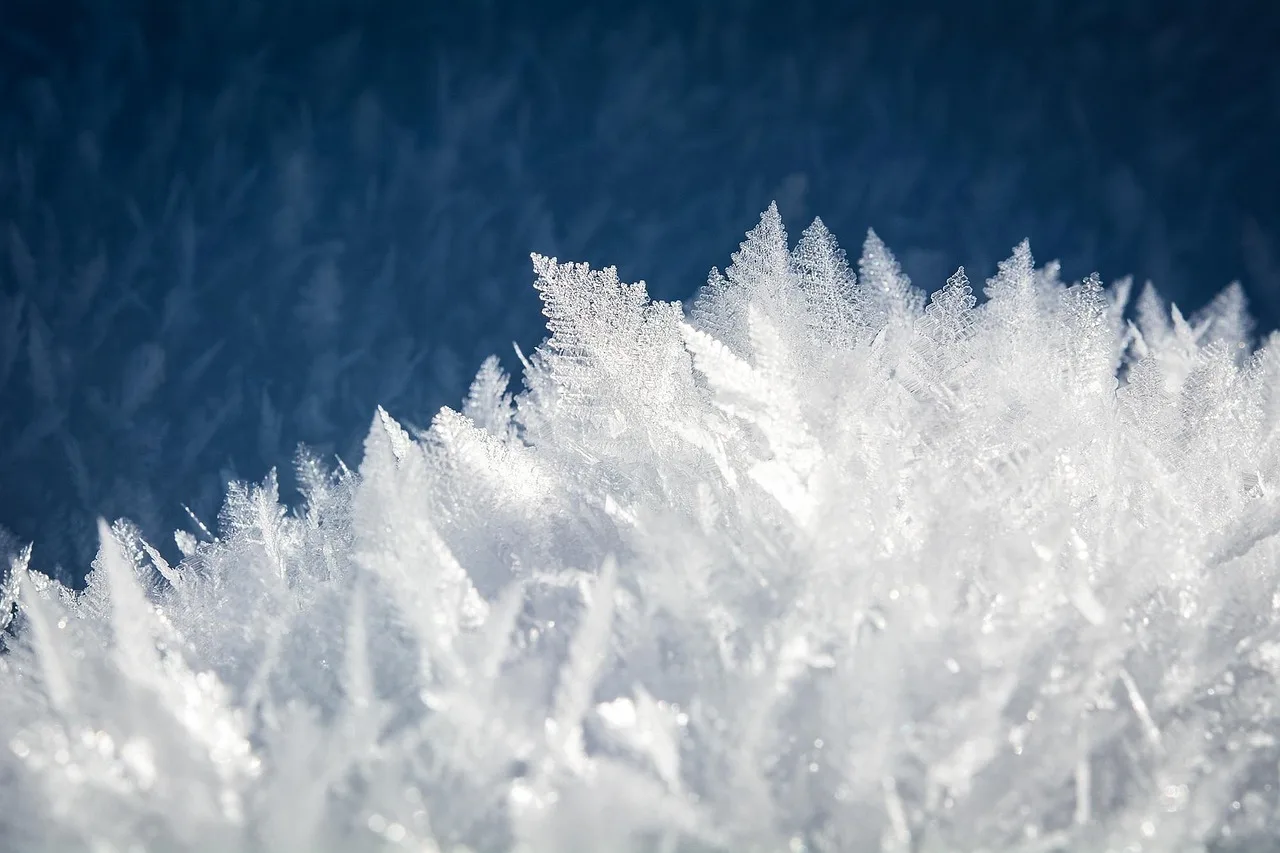


Yes, they can. Metal roofs are less likely to build ice dams than asphalt shingles because snow slides more easily off a smooth surface, but that does not stop the freeze-thaw cycle at the roof edge. If heat escapes into the attic and the eaves stay colder, melted snow can refreeze and build a dam.
The risk is highest after heavy snowfall followed by temperature swings. That pattern keeps producing meltwater, then refreezing it where drainage slows. Snow that slides off a metal roof can also create hazards below, so better snow shedding is not the same thing as better winter performance everywhere on the roof.
Why metal roofs are less prone than shingles
Metal roofing has a smoother surface than shingles, so snow often moves off in sheets or slips away more readily. That cuts long-term buildup at the edge and can reduce the number of small melt-refreeze cycles. Metal roofs are therefore significantly less prone to ice dams than asphalt shingles.
Less prone does not mean immune. If the roof assembly below the metal is weak, if the pitch is low, or if the eave details trap cold meltwater, ice can still collect at the lower edge or in gutters.
Where the risk still remains
Risk stays high where the roof shape slows drainage. Low-slope sections, valleys, dormers, and roof intersections are common trouble spots. Seam edges, panel joints, and thermal bridging can also change how heat moves through the assembly, which is why one part of a metal roof may perform well while another section dams.
Why a metal roof still needs a strong assembly
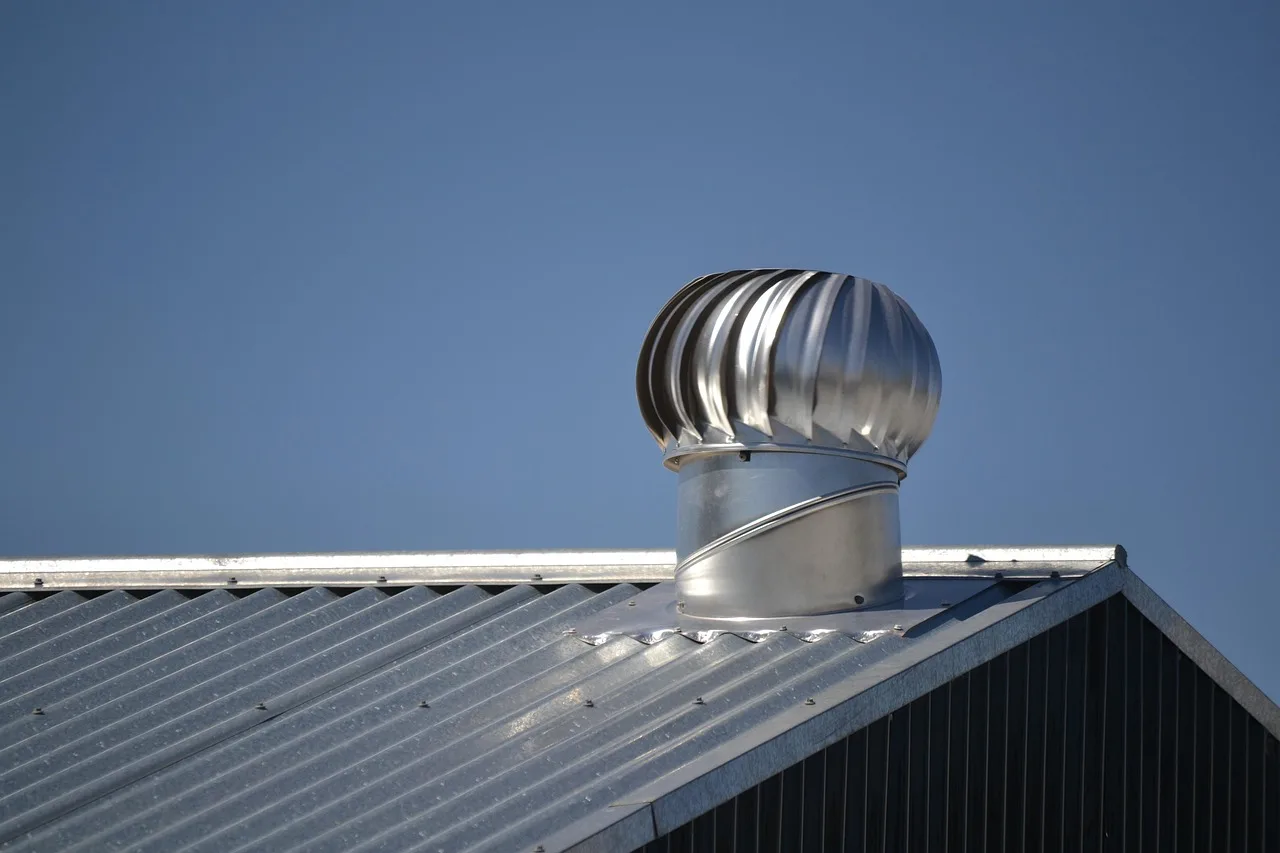
A metal roof works as a system, not a single layer. The panels matter, but so do the deck, underlayment, air sealing, insulation, ventilation, and edge details. If one of those parts lets warmth reach the roof deck, the roof can still melt snow unevenly and refreeze at the eaves.
Standing seam versus exposed-fastener panels
Standing seam roofs hide fasteners and rely on interlocking seams, while exposed-fastener panels place more penetrations through the surface. Both can perform well when installed correctly, but exposed-fastener systems usually have more openings to monitor, and seams or fastener lines can become weak points if sealants age or detailing is poor.
Neither panel type prevents ice dams by itself. The deciding factor is still the assembly beneath the metal, especially at transitions where the roof deck meets colder exterior edges.
Seams, joints, and thermal bridging
Seams and joints can concentrate heat flow if the roof structure below them is not well insulated and air sealed. Thermal bridging through framing members can warm the deck in uneven strips, which encourages patchy meltwater channels. Those channels then refreeze at the colder edge.
Picture a roughly 4/12 roof with a long valley that can funnel meltwater toward a shaded eave. The metal surface may shed most of the snow, yet the valley still carries water to a cold edge where it can freeze, back up, and spill under the edge detail.
Low-slope sections, valleys, and dormers
Low-slope roofs are commonly considered to carry a higher ice-dam risk because water moves more slowly and snow tends to stay in place longer. Valleys and dormers add intersections where snow, runoff, and warm air patterns get more complicated. Those areas deserve more attention than the broad field of the roof.
Ice and water shield matrix
This matrix helps you sort the likely failure point before you start replacing parts that are not the real problem. Use it to match the roof’s weak spot with the next fix. A yes answer means the condition points toward action; a no answer means keep looking before you spend money.
| Roof pitch | Attic air sealing | Insulation quality | Ventilation balance | Gutter condition | Roof type | Likely failure point | Action? |
|---|---|---|---|---|---|---|---|
| Low-slope, below 4:12 | Open leaks at plates or penetrations | Thin or uneven coverage | Soffit vents blocked; ridge vents present | Clogged or undersized | Standing seam | Heat loss plus slow drainage at eaves | Yes |
| 4:12 or steeper | Well sealed | R-49 to R-60 and continuous | Balanced intake and exhaust | Clear and protected | Standing seam | Local weak detail at valleys or dormers | No |
| Moderate pitch | Minor leaks around lights or chases | Settled or patchy | Some blocked soffits | Ice buildup at outlets | Exposed-fastener panels | Air leak plus gutter backup | Yes |
| Steep pitch | Good sealing | Adequate depth, no gaps | Working vents | Oversized and open | Metal over ice shield at eaves | Localized wind drift or shaded edge | No |
| Any pitch | Poor sealing | Below recommended level | Ventilation added before insulation | Overflow during thaw | Complex roof with valleys | Root cause is attic heat loss | Yes |
Ice and water shield or a similar underlayment is the backup layer that matters most at the eaves. On metal roofs in cold climates, it is commonly used from the eaves upward, often extending farther in higher-risk areas. It does not stop ice dams, but it helps block water that backs up behind them.
What causes ice dams on any roof?
Ice dams form when heat escapes into the attic, melts snow, and the water refreezes at colder edges. The dam then blocks drainage and can push water back under the roof covering. That cycle is why ice dams often appear after snow has already been sitting on the roof for a while.
Poor insulation makes the problem more likely because heat escapes too easily and the snow melts unevenly. Without proper airflow, warm air gets trapped and roof temperatures rise, which keeps the melt-refreeze cycle going. On a metal roof, the metal is not the root cause; the roof assembly below it is.
How backed-up meltwater causes damage
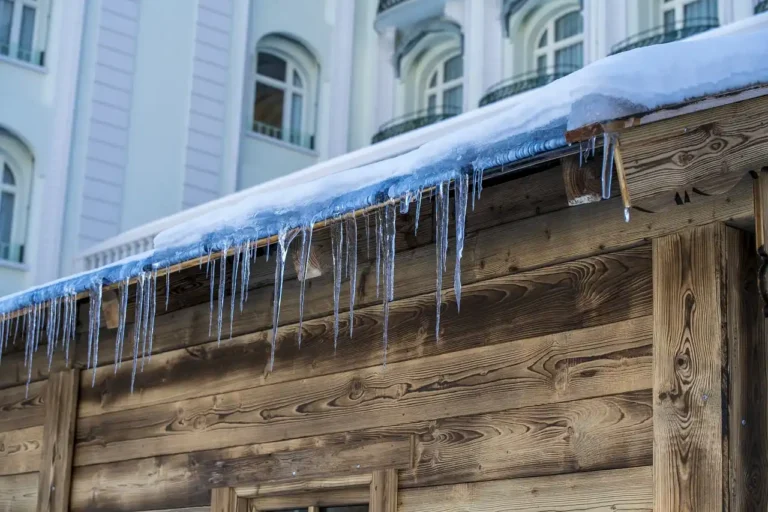
Once ice blocks the edge, meltwater has nowhere to go. It can move sideways under the panel edge, get under underlayment transitions, or soak the deck at the eaves. That water may show up as stains, peeling paint, damp insulation, or leaks inside the house.
Suppose a roughly 2,000-square-foot home has a blocked gutter on one side and a shaded north eave. The roof can look fine from the ground, yet a hidden ice ridge at the edge can still back water under the panels and stain the ceiling below that wall line.
How do you prevent ice dams on a metal roof?
Start with air sealing, then add enough attic insulation, then make sure ventilation supports the colder roof surface instead of trying to compensate for heat loss. That order matters. Ventilation alone does not solve ice damming if warm air is still leaking into the attic.
- Seal attic air leaks at chases, plumbing penetrations, top plates, and light fixtures rated for attic contact.
- Bring insulation up to a continuous level, with R-49 to R-60 in cold climates as a common target.
- Check soffit and ridge vents for blockage, but do not treat vents as the first fix.
- Add ice and water shield at eaves and in other vulnerable transitions if the roof is being replaced.
- Keep gutters and downspouts clear so meltwater can leave the roof quickly.
Which roof details matter most?
Roof pitch changes how long snow stays put. Steeper pitches, 4:12 or greater, help snow slide off more easily. Low-slope roofs hold snow longer and carry higher ice-dam risk, especially around valleys and intersections.
Drip edge, overhangs, and eave transitions matter just as much. If the edge detail traps water or stops the underlayment too high above the exterior wall, meltwater can find a path under the roof covering before it reaches the gutter.
Gutters, downspouts, and overflow control
Gutters and downspouts can be damaged or overloaded by ice. If they are undersized, clogged, or poorly pitched, they can trap meltwater and send it back toward the roof edge. Oversized gutters may improve drainage in some setups, but they still need protection from ice buildup.
Keep in mind that ice can damage fascia and soffits too. If you see repeated overflow at the same spot, the issue may be gutter capacity, roof geometry, or both.
Should you use heat cables?
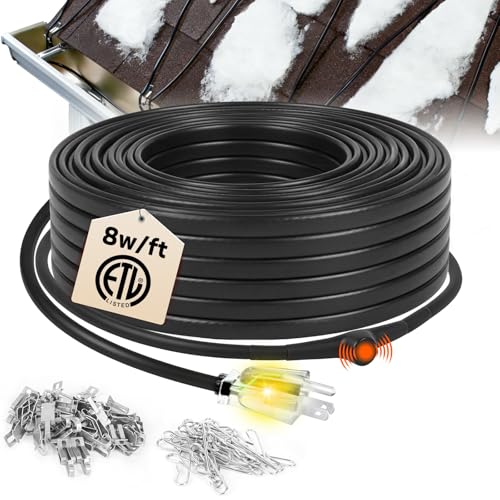
Heat cables can help melt channels through ice and open a path for drainage, but they are not a long-term root-cause fix. They need power, planning, and periodic maintenance. They are best treated as a supplemental measure when a roof still has a hard-to-fix cold spot or a known trouble edge.
They make sense when the roof is otherwise sound and you need a targeted aid at a specific eave, valley, or gutter run. They are a poor first choice if the attic is leaking heat or the insulation is clearly below target.
When they are worth considering
Consider heat cables when you already have good attic air sealing and insulation, but a small area still dams because of shade, geometry, or repeated drifting. They may also help around gutters that freeze at a known problem point.
Do not treat them as a cure for widespread attic heat loss. If the whole roof is warming unevenly, cables only mask the symptom.
What not to do
Do not chip ice with tools or use harsh chemicals on the roof. Those methods can scratch metal, damage coatings, bend seams, and create leaks. If an ice dam is large or water is already entering the home, professional removal is the safer call.
Frequently asked questions
Can metal roofs get ice dams?
Yes, and the same conditions that cause ice dams on any roof still apply. Warm air leaking into the attic melts snow from below, then the water refreezes at colder edges. Low-slope areas, valleys, and weak eave details raise the odds.
Do metal roofs prevent ice dams?
No. Metal roofs reduce the chance of ice dams, but they do not prevent them on their own. A good roof needs air sealing, enough insulation, balanced ventilation, and proper edge protection. Without those, the roof can still form a dam.
What causes ice dams on a roof?
Ice dams come from a freeze-thaw cycle at the roof edge. Heat escapes into the attic, melts snow, and the meltwater reaches a colder eave where it refreezes. The ice blocks drainage, and water backs up behind it until it finds a gap.
Should you use heat cables on a metal roof?
Only as a supplemental measure. Heat cables can help keep a drainage path open in a stubborn area, but they do not fix the cause of ice dams. If attic heat loss or poor insulation is the issue, those repairs should come first.
Sponsored / affiliate links. As an Amazon Associate I earn from qualifying purchases. I may earn additional commission from eligible campaigns.