How to Stop a Downspout From Icing Over Your Driveway
Stop a downspout from icing over your driveway by fixing the failure point: clear or heat the outlet if it backs up, extend discharge 6 to 10 feet away if splash freeze is the issue, and regrade the runoff path or move it underground if water still reaches the drive. Left alone, that meltwater turns into black ice, damages concrete, and can refreeze every sunny day. This guide shows how to identify the cause and choose the right fix.
Tools and fixes for downspout ice blockages


It usually freezes in one of three places: inside the elbow, at the outlet, or after water leaves the pipe and crosses pavement. The fix changes with the failure point. If the ice starts in the downspout, clear the blockage. If it forms on the driveway, move the discharge or change the slope.
What you’ll need
- Work gloves with good grip
- Snow shovel or roof-rake tool for clearing the outlet area
- Bucket or scoop for ice chunks
- Flashlight to inspect the elbow and outlet
- Heat tape with an adjustable thermostat
- Outdoor-rated extension cord or protected outlet, if heat tape is used
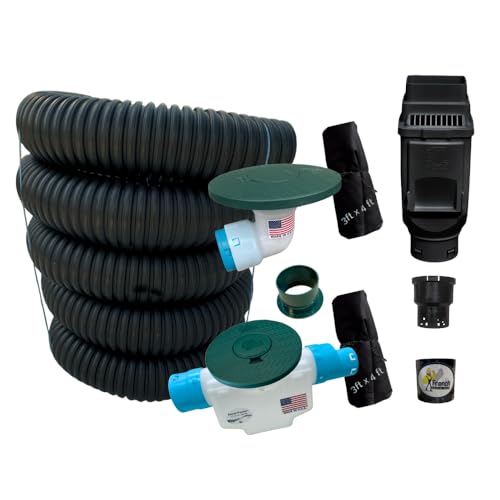
- Downspout extension, surface or buried
- Splash block
- Level or straight board for checking slope
Downspout icing decision table
| Symptom | Likely cause | Fastest safe fix | Permanent fix | When to wait for thaw |
|---|---|---|---|---|
| Ice at the elbow | Internal blockage from debris or frozen meltwater | Clear the lower exit and warm the elbow with heat tape | Improve cleaning routine and add gutter guards | Wait if the ice is locked inside and electrical routing is unsafe |
| Ice at the outlet | Snow packed around the lower exit | Shovel a clear zone and open the discharge path | Add a surfaced or buried extension that discharges away from pavement | Wait if the outlet is buried under hard ice and access is unsafe |
| Water crossing the driveway | Runoff reaches pavement before it can drain away | Temporarily redirect with a longer extension or splash block | Install buried drainage, a trench drain, or regrade the discharge area | Wait if the driveway is glazed and traction is poor |
| Repeated refreeze after sunny thaws | Water reaches a low spot or shaded section and pools | Clear snowbanks that steer meltwater toward the drive | Fix slope so water moves away from the drive and low spots | Wait if the patch is fed by melt from the roof and the grade problem is obvious |
How to find the failure mode
- Inspect the elbow. Look for a packed ice plug, crushed section, or loose joint. Frozen downspouts can back water into gutters and tear them loose, so do not ignore slow drainage.
- Check the outlet. If the lower exit is buried in snow, clear it first. To keep the lower exit of downspouts clear after each snowfall.
- Trace the runoff path. Follow the water line to see whether it crosses the driveway, hits a curb edge, or lands in a low spot. The symptom matters more than the ice shape.
- Check slope and snowbanks. A snow ridge can send meltwater back toward the pavement even when the downspout itself is open.
Suppose the elbow is iced solid but the driveway stays dry until melt starts. That points to an internal blockage. If the pipe is open yet the same small patch turns slick every afternoon, the problem is usually where the runoff crosses the pavement.
How far should a downspout extend from the driveway?
A downspout should discharge far enough away that runoff does not reach the pavement at all. A common minimum practical target is 4 to 6 feet from the foundation, and many homeowners need more distance where the driveway sits close to the house. Aim to keep water off the driveway and walkway, not just off the wall.
Surface extension options
- Measure the discharge path. Extend the pipe so water lands on lawn, a bed, or another area that slopes away from the house and away from paving. One competitor recommends placing roof water on lawn or a bed that slopes away from the house and away from paving.
- Keep the outlet stable. Secure the extension so it does not move during thaw cycles. A loose run can dump water back onto the driveway edge.
- Recheck after storms. Snowplows, shovels, and thawing ice can shift lightweight pieces. If the extension now points toward pavement, correct it at once.
Buried line options
- Choose a downhill exit. A buried line works best when it can daylight in a lower area that drains away from the driveway.
- Use buried pipe for chronic problems. This is the better choice when surface extensions keep getting knocked loose, or when the ice sheet returns after every thaw.
- Delay excavation if needed. If the ground is frozen solid or utility locations are uncertain, wait for thaw and mark the route before digging.
Splash block limits
A splash block can redirect water a short distance and reduce splashback near the outlet. It is simple and cheap, but it can shift after mowing or storms, and it does little when the driveway sits downhill from the discharge point. It works best as a temporary aid, not a final fix.
Can I use heat tape on a downspout in winter?
Yes, heat tape can help thaw a blockage and prevent refreezing, especially in subzero conditions. It works best on the downspout and the outlet area, not as a substitute for drainage corrections. For chronic freezing, choose a model with an adjustable thermostat and route it safely outdoors.
When heat tape makes sense
- Apply it to the problem spot. Run heat tape around the downspout section that freezes, especially at the elbow or lower outlet.
- Use a thermostat. Heat tape with an adjustable thermostat helps in subzero conditions because it limits run time when temperatures rise.
- Pair it with drainage fixes. Heat tape can buy time, but it does not correct a bad slope or a discharge point that lands on pavement.
Thermostat and electrical routing
Keep electrical routing out of standing water, snowmelt, and pinch points. Use outdoor-rated components and keep cords away from shovel paths and drive tires. A heated line that cannot be routed safely should wait until conditions improve.
When to stop and wait for thaw
If the blockage is sealed under thick ice, or if reaching the outlet means working on a slick driveway, stop and wait for thaw. Boiling water is suggested by one competitor to clear an ice blockage on the outside of a downspout, but that is a short-term fix and can be hard to use safely on a driveway-facing outlet.
A common first-timer mistake is adding heat tape to the whole run while leaving the discharge point pointed at the driveway. That only moves the ice problem downhill. The water still has to go somewhere.
How to stop repeat refreeze on the driveway
Repeat refreeze happens when meltwater keeps reaching the same cold patch, then pools in a low spot or shaded section. Stop the source first, then the path, then the catch area. If the driveway still gets wet after the outlet is clear, the grade or drainage route needs attention.
Clear snow from the discharge area
- Shovel a clean zone. Remove snow around the bottom of the downspout after each snowfall so the outlet can drain freely.
- Open the path beyond the outlet. Pull drifts and berms back so meltwater does not get pushed across the driveway. A cleared strip about 2 feet long is often enough to show whether the discharge path is the problem.
- Recheck after the next thaw. If the same patch freezes again, the issue is likely slope, not just snow cover.
Redirect runoff away from pavement
- Move the outlet farther out. Add a surface extension or buried line so runoff leaves the driveway zone completely.
- Add a more durable redirect. Use a splash block only where the water can still drain into lawn or soil. If it lands on concrete or asphalt, the block is too short.
- Upgrade the drainage path. For repeated pooling, consider a trench drain, catch basin, or underground pipe. Those fixes are better when runoff crosses the driveway every winter.
Add gutter guards for chronic clogs
Gutter guards help keep debris, ice, and snow from clogging the downspout, and they provide year-round protection. Some models include heating measures. They are most useful when the same debris problem keeps causing outlet ice, but they still need periodic inspection.
Picture a driveway that freezes in the same 4-foot patch every sunny afternoon. The roof runoff is not the only issue. That patch is probably the low point, so even a clear downspout will keep feeding it until the slope changes or the water is moved farther away.
Common mistakes
- Leaving the outlet buried. Snowpack at the lower exit traps meltwater and turns the downspout into a frozen plug.
- Fixing the pipe but not the path. A clear downspout still causes ice if it drains onto the driveway.
- Using a splash block too close to pavement. It only works when the redirected water can drain into soil or lawn.
- Skipping the slope check. If the driveway or discharge zone falls toward the house, the same ice patch will return.
- Relying on heat tape alone. Heat tape helps thaw and prevent refreezing, but it does not repair bad drainage.
- Ignoring safety limits. Wet pavement, hidden ice, and exposed wiring are bad conditions for rushed repairs.
Frequently asked questions
Why does my downspout keep icing over my driveway?
It usually means water is freezing at the outlet, at the elbow, or after it reaches the driveway surface. Match the fix to the failure point: clear the blockage, move the discharge farther away, or change the slope so meltwater does not pool where tires and feet travel.
How far should a downspout extend away from a driveway?
Extend it far enough that water never reaches the pavement. A common minimum practical distance from the foundation is 4 to 6 feet, but a driveway-facing outlet often needs more. If the water still touches the drive, keep extending or route it underground.
Should I clear snow away from the bottom of the downspout?
Yes. The lower exit should stay open after each snowfall so water can drain instead of refreezing at the outlet. Clear a path wide enough for meltwater to leave the pipe and avoid piling snow back against the discharge point.
What is the safest way to thaw a frozen downspout?
Start with the outlet and use heat tape or another controlled heat source designed for outdoor use. If the ice is deep in the pipe or the area is too slick to reach safely, wait for thaw. Avoid forcing the joint apart on a frozen, brittle run.
Why does water from my roof freeze in the same driveway spot every winter?
That usually means the runoff lands in a low spot, shaded strip, or area shaped to send water back toward the driveway. Fix the route, not just the pipe. A longer extension, buried drain line, or corrected grade usually stops the repeat ice sheet.
Do gutter guards help stop downspouts from freezing?
They can help by reducing debris that clogs the gutter and downspout, which lowers the chance of ice backup. They do not solve a bad discharge point by themselves. If the outlet still drains onto pavement, the driveway can still ice over.
Should I redirect a downspout away from a driveway or walkway?
Yes, whenever possible. The safest setup moves runoff onto lawn, a bed, or another area that slopes away from the house and away from paving. If the water still crosses the driveway, use a longer extension or a buried drain instead of a short splash block.
Sponsored / affiliate links. As an Amazon Associate I earn from qualifying purchases. I may earn additional commission from eligible campaigns.