How to Thaw a Frozen Downspout
If ice is sitting in the upper downspout, pour warm water from the top. If the blockage is at the bottom or outlet, clear that opening first, then warm from below. If it is left alone or thawed poorly, a blocked downspout can send water back into the gutter, ice, fascia, and siding. This guide shows how to find the freeze point and thaw it safely with simple tools.
What you’ll need


- Bucket for warm water
- Towels or rags for runoff
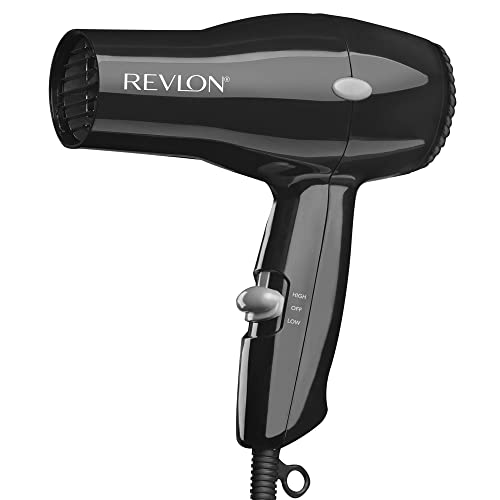
- Hair dryer for exterior warming
- Heat gun for metal downspouts only, with care
- Hot water bottle or heat pack for the outside surface
- Long-handle rake for roof snow removal without a ladder
- Ladder if you must reach the top opening
- Gloves with grip and winter footwear
- Helper, if the work area is icy or hard to watch from both ends
Frozen downspout troubleshooting matrix

| Freeze location | Likely cause | Safest thaw method | Tools to use | Red flags | Prevention fix | Stop and call a pro |
|---|---|---|---|---|---|---|
| Top opening | Snow pack, roof runoff refreezing at the inlet, or debris at the throat | Pour warm water slowly from the top and recheck flow after each pass | Bucket, warm water, ladder only if needed | Water backs up immediately, seams leak, or the top lip is bowed | Clean gutters before winter and keep the inlet clear of snow | Leak-through at seams or repeated refreeze after two thaw cycles |
| Middle run | Standing water that froze inside the vertical run | Warm the outside surface first, then try gradual warm water from above | Hair dryer, hot water bottle, heat pack | Softening, bubbling, or color change on vinyl; oil-canning on thin metal | Fix low spots, remove debris, and keep runoff moving | Split seams, warped vinyl, or a long iced section that will not clear |
| Bottom elbow | The bottom elbow is a vulnerable spot where slow flow and compacted ice often meet | Clear the discharge area, then warm the elbow from the outside before using warm water | Gloves, hair dryer, hot water bottle, towels | Water pools at the elbow, drips from joints, or the elbow feels locked solid | Keep the bottom opening clear in winter and improve the discharge path | Split elbow, repeated icing at the same spot, or water entering the wall |
| Underground outlet | Frozen buried drain, clogged exit, or snow blocking the outlet end | Clear the outlet first; if it stays iced, stop and inspect the buried drain route | Shovel, rake, towels | Ice remains after the above-ground section thaws; water has nowhere to go | Keep the outlet visible and clear; correct slope or discharge issues first | Iced buried drain, recurring freeze, or water backing toward the foundation |
How do you find the blockage?
Start at the top opening, then work down the run, elbow, and outlet. A frozen downspout rarely fails all at once; it usually shows one choke point where snow, standing water, or refrozen runoff has stopped flow. That spot tells you which thaw method is safest.
Check for ice at the top opening
- Look for a snow cap, packed ice, or gutter overflow at the inlet.
- If water is visible in the gutter but not dropping, the blockage may be just below the opening.
- If you need ladder access, set it on stable footing and keep winter traction in mind.
Inspect the middle run for a bulge or cold spot
- Run your hand along the outside surface if it is safe to reach.
- Search for a section that feels harder, colder, or visibly bulged.
- That usually marks ice inside the tube, not a roof-level issue.
Look at the elbow and discharge area
- Clear snow from the bottom opening first.
- Check whether water is trapped in the elbow or dripping back along the wall.
- If the elbow stays blocked, treat it as the first repair point, not the last.
Confirm whether the buried drain is iced or blocked
- Watch whether melted water disappears or stalls at the outlet.
- If the above-ground downspout thaws but the outlet still holds water, the buried drain may be frozen.
- It is generally time to stop DIY if the outlet stays iced after a full thaw attempt above grade.
Say the downspout is aluminum and the elbow is frosted solid while the upper run stays clear. Warm the elbow first and keep the heat moving. A sharp jab with a tool can crush a seam and turn one blockage into a leak.
How do you thaw it from the top?
Use warm water from the top opening and let it move down the run at its own pace. This works best when the freeze is near the inlet or upper section. A ladder may be needed, so the main risk is not the water, but the fall hazard in winter conditions.
- Stand at the top opening or reach it safely with a ladder.
- Pour warm water slowly from the top.
- Pause after each pass and check for flow at the bottom opening.
- Repeat only if the water is draining and no seams are leaking.
- If water backs up, stop and switch to outside warming or outlet clearing.
A common first-timer mistake is pouring a kettle of hot water straight into the downspout instead of warming it gradually. That can overflow the gutter, miss the freeze point, or put extra stress on a brittle vinyl run. Slow water gives the ice time to soften instead of forcing a new leak path.
How do you thaw it from the outside?
Exterior heat is the safer choice when you cannot pour from the top or when the blockage sits in the middle of the run. A hair dryer puts gentle heat on the outside surface. A heat gun is generally used only on metallic downspouts, and it can warp metal if held too close or in one spot too long.
- Warm the outer surface of the frozen section in short passes.
- Use a hair dryer first when the downspout is vinyl or you are unsure of the material.
- Use a heat gun only on metal and only with care.
- Hold a hot water bottle or heat pack against the outside if the ice is shallow.
- Check for movement at the bottom opening, then stop as soon as water begins to pass through.
For a metal downspout with a frozen elbow, a consumer-rated heat tool can help, but it should never be aimed like a torch. Keep the heat moving. If the tube softens, discolors, or starts to oil-can, stop immediately.
How do you thaw a frozen gutter downspout?
Start at the discharge end if the bottom opening is buried in snow or ice. A blocked outlet can hold the entire column of water in place, which is why the elbow freezes so often. Once the outlet is clear, move up the run and finish at the top only if needed.
- Shovel or rake snow away from the discharge area.
- Clear the bottom opening by hand so meltwater has a path out.
- Warm the elbow and lower run from the outside if they are iced.
- Pour warm water slowly from the top only after the outlet is open.
- Recheck flow after each pass.
How do you thaw a frozen gutter downspout if the buried outlet is the problem? You usually do not solve that with more heat above grade. If the outlet stays iced after the visible section drains, the buried line likely needs professional inspection or correction.
What causes a downspout to freeze?
Standing water, compacted snow, and ice from roof runoff are the main causes. A downspout can freeze when melted roof water reaches a cold section, slows at an elbow, or meets snow packed at the discharge. Poor slope, debris, and small outlet paths make the freeze more likely.
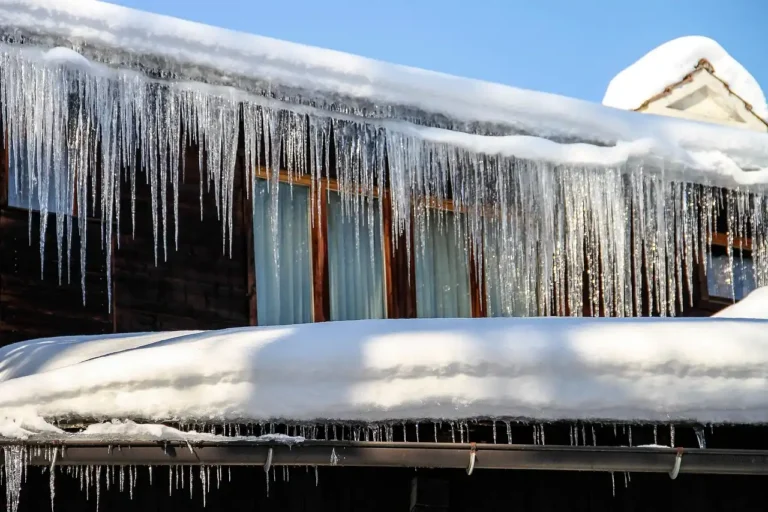
Ice dams matter here. Winter roof ice backup can push meltwater into the gutter, where it overflows or refreezes at the eave. That refrozen water can feed the downspout blockage and send water toward siding, fascia, and the foundation.
Materials matter too. Vinyl can crack or soften sooner than metal under aggressive heat. Aluminum and steel tolerate exterior warming better, but thin seams and older joints still fail if forced. That is why the safest method changes with the downspout material and freeze location.
Common mistakes to avoid
- No hammering or prying. The page specifically discourages a hammer, and force can split seams or dent the elbow.
- No open flame or torch. Open flame is specifically discouraged and can damage siding, trim, or the downspout itself.
- No rock salt in the run. It is discouraged because it corrodes aluminum and harms plants.
- No hot-water shock on brittle vinyl. Use warm water gradually, not a sudden blast that can crack the tube.
- No unsafe ladder setup. Winter footing is slick, and top-access work adds fall risk fast.
Say your downspout is vinyl and the freeze is at the elbow. A hair dryer on the outside surface is the safer first move. A heat gun on the same piece can warp the material before the ice has time to release.
How do you keep it from freezing again?
Clean gutters and downspouts before winter, and clear snow from the bottom opening after storms. Those basics do more than a quick thaw because they keep water moving before it has a chance to stand and freeze. If freeze spots return in the same place, look at pitch, size, and the discharge path first.
- Clean the gutter and downspout before sustained cold arrives.
- Keep the discharge area open all winter.
- Fix pitch or sizing problems before adding heat wire.
- Install heat wire only where the maker lists it for gutters or downspouts, and follow the electrical instructions exactly.
- Use heat wire as prevention, not as the first repair for a blocked outlet.
Pooling water can threaten the foundation when drainage backs up. If meltwater collects near the house, the problem is no longer just a frozen tube. It is a drainage path that needs correction.
If that does not work, it is reasonable to stop after about two thaw attempts. Recurring freeze spots, split seams, leak-through, water entering the house, or an iced buried drain that stays blocked are all common reasons to call a gutter professional.
Frequently asked questions
How do you unfreeze a frozen downspout?
Find the freeze point first, then thaw that spot in the least forceful way. Warm water from the top often works best for an upper blockage, while a hair dryer or hot water bottle is often better for a middle or lower freeze. Stop if seams leak, the tube warps, or water backs up.
What is the safest way to thaw a frozen downspout?
The safest approach is gradual warming, not force. Start with warm water from the top if the upper opening is blocked, or use exterior heat on the affected section. Avoid a hammer, open flame, and anything that can crack vinyl or split a seam.
Can I pour hot water into a frozen downspout?
Yes, but use warm water slowly from the top opening, not a sudden dump. A ladder may be needed for access, so secure your footing first. If the water does not move after a few passes, the blockage is likely lower or the outlet is still blocked.
Should I use a hair dryer on a frozen downspout?
Yes, a hair dryer is a reasonable exterior thaw tool, especially for vinyl or when you want a gentler option than breaking ice by force. Move the heat along the surface and watch for drip flow. If the material softens or the seam opens, stop.
Can a frozen downspout cause ice dams or foundation damage?
Yes. A frozen downspout can back water into the gutter, feed ice buildup near the eaves, and send overflow toward the siding. If runoff pools near the house, the foundation can be affected too. Clearing the discharge area and keeping flow moving helps limit both risks.
When should I call a gutter professional for a frozen downspout?
Call a pro if the same spot freezes again, if water enters the house, if a seam splits, or if a buried outlet stays iced after the visible section thaws. That usually points to a discharge, pitch, or sizing problem that needs more than spot warming.
Sponsored / affiliate links. As an Amazon Associate I earn from qualifying purchases. I may earn additional commission from eligible campaigns.