Can Snow Damage Shingles? What Actually Causes It
Yes, snow itself usually does not damage asphalt shingles unless the roof is overloaded. Wet snow, ice dams, and repeated freeze-thaw cycles can crack brittle shingles and push water under them. Ignoring those risks can lead to leaks, torn tabs, attic moisture, and costly roof repairs. This guide explains the snow loads that are usually safe, how to spot real shingle damage, and when to call a roofer. For snow-load context, FEMA and local code guidance commonly distinguish roof load risk by snow type and roof design, with heavier, wet snow creating more stress than light powder. FEMA
Snow and shingles
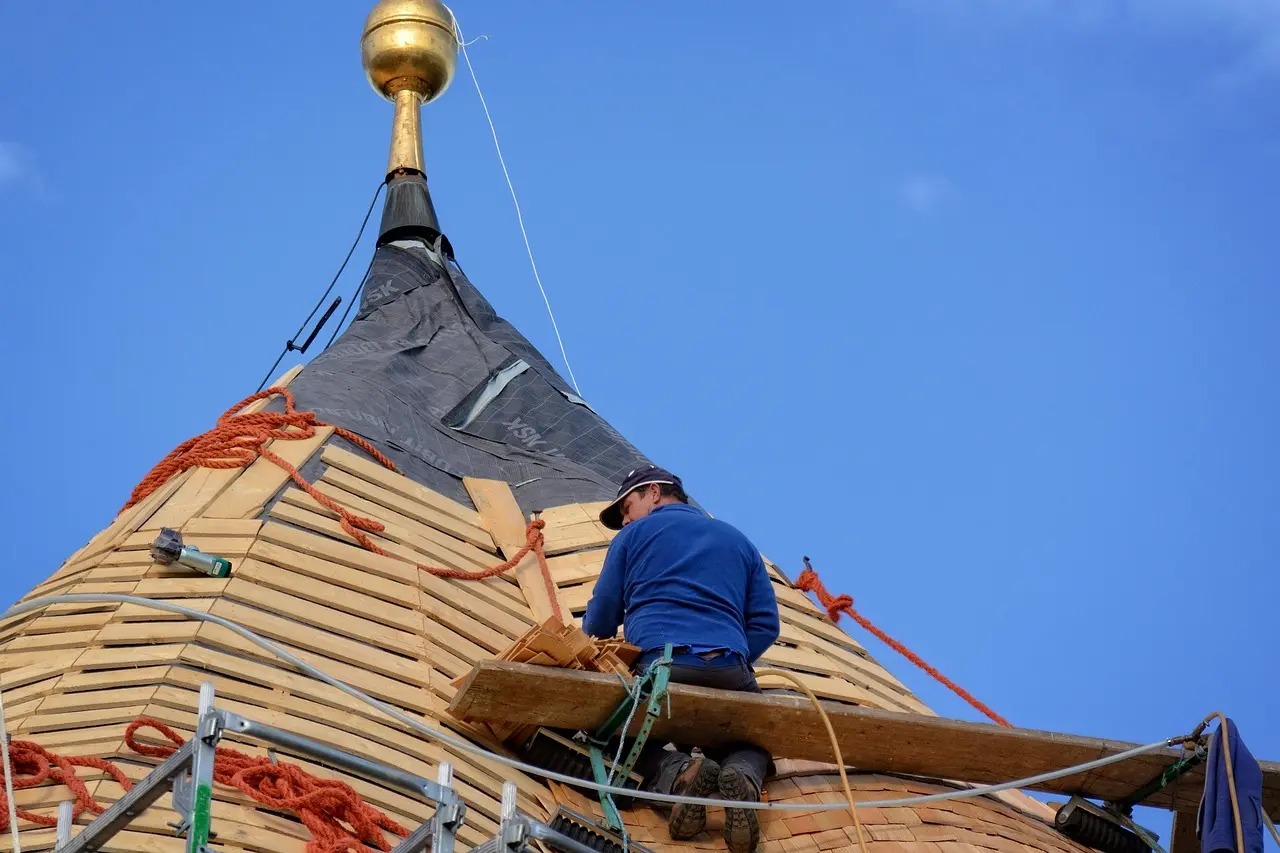
Snow can damage shingles, but the mechanism matters. Dry accumulation is mainly a load issue. Actual shingle failure is more often tied to cold-weather brittleness, freeze-thaw cracking, ice-dam backup, or abrasion from snow removal. Asphalt shingles are the common reference because they are widely used and they can show cracked tabs, lifted edges, or granule loss after winter stress. Manufacturer guidance also notes that cold weather makes shingles less flexible and more vulnerable to mishandling. ARMA
What does snow do to shingles?
Snow load is the downward force exerted by snow on a roof. Wet snow adds more roof stress than dry snow, so a shallow blanket of heavy snow can strain the structure more than a deeper layer of powder. That strain is not the same as shingle failure, but it can contribute to sagging roofs on older roofs with weaker framing. ASCE snow-load design guidance and FEMA hazard references both emphasize that snow density, roof shape, and exposure conditions affect load risk. ASCE
Asphalt shingles also become more brittle at low temperatures. That means wind flexing, foot traffic, or rough snow removal can crack tabs or lift edges more easily than in milder weather. Granule loss can also show up after winter stress, especially on roofs that were already aging or damaged before the season started.
Say your roof has a 4-inch layer of powder after a calm storm. That usually calls for monitoring, not alarm. Suppose the next storm brings a much heavier, wetter snow that stays on the roof for days. The roof load rises, and an older roof deserves a closer look for sagging or distress.
How freeze-thaw cracks shingles
Freeze-thaw damage starts when meltwater reaches a small opening, then freezes again. Water expands as it freezes, and repeated freeze-thaw cycles can widen small cracks over winter. That process can turn a minor defect into a leak path, especially on shingles that were already brittle or worn. Extension resources on winter roof damage consistently describe this as a water-entry problem, not just a surface crack issue. University of Minnesota Extension
Meltwater, then expansion
When daytime sun or attic heat melts snow on part of the roof, the water can run into tiny surface cracks, around nail areas, or into gaps at the shingle edge. As temperatures drop, that water freezes and expands. Repeated cycles can widen openings and worsen existing shingle damage.
One warning sign is uneven spacing between shingles. That can indicate freeze-thaw displacement, especially if the roof has seen several warm-up and refreeze periods. A single thaw is usually not the whole story. The damage risk rises when the pattern repeats across the season.
Do shingles crack in cold weather? Yes, they can. Cold temperatures make asphalt shingles more brittle, so they are less forgiving when bent by wind, stepped on, or scraped by a roof rake used too aggressively. The crack may be small at first, but winter movement can spread it. Manufacturer winter-installation guidance also warns that cold asphalt products should be handled carefully to avoid breakage. GAF
How ice dams damage shingles
Ice dams form at the colder edges of the roof. Melted snow refreezes there, often near the eaves, and the ice ridge traps water behind it. Ice dams are strongly linked to warm roof sections and colder eaves, which is why attic insulation and attic ventilation are part of prevention. DOE and ENERGY STAR both emphasize that insulation and ventilation help reduce uneven roof temperatures that contribute to ice dams. DOE ENERGY STAR
Why backed-up water is the real problem
Ice dams trap water behind them and seep under shingles. That backed-up water can force its way into walls or ceilings, especially when it reaches flashing around chimneys, vents, or valleys. The shingle surface may look fine from the ground while the leak path is hidden underneath. In many winter leaks, the shingle is not the primary failure point.
Blocked gutters and downspouts make the problem worse by slowing drainage at the edge of the roof. Ice buildup can also pull on gutters and fascia. Clearing those paths does not stop ice dams by itself, but it reduces backup and gives meltwater a better route off the roof.
Attic insulation reduces heat transfer into the roof deck, which helps keep roof surfaces colder and lowers ice dam risk. Attic ventilation can also help limit warm roof spots and uneven melting. These measures reduce risk, but they do not eliminate it on a roof that already has weak air sealing, aging shingles, or a history of ice dams.
Shingle damage decision matrix
Use this table to separate normal accumulation from roof strain and actual shingle damage. The key question is not just how much snow you have. It is whether the visible condition points to load, freeze-thaw movement, or water backup. The outcome labels below are designed to make the next step obvious.
| Visible condition | Likely mechanism | Recommended action |
|---|---|---|
| Dry powder accumulation | Mostly snow load, usually lower stress than wet snow | Monitor from the ground unless the roof is sagging |
| Wet heavy snow on an older roof | Higher downward force and greater roof strain | Monitor closely; call a roofer if you see sagging or interior changes |
| Repeated thaw/refreeze | Freeze-thaw cracking and widening openings | Inspect for lifted edges, cracked tabs, or uneven shingle spacing |
| Edge ice with backwater | Ice dam backup forcing water under shingles | Call a roofer if water stains, ceiling spots, or leaks appear |
| Cracked tabs after a storm | Brittleness plus flexing from wind, snow removal, or foot traffic | Inspect the area and schedule repair if the cracks are spread or repeated |
| Visible flashing separation or valley ice | Water likely entering at a transition point rather than through field shingles | Call a roofer; flashing and valley details should be checked promptly |
| Interior stains after melt | Water intrusion from ice dams, flashing failure, or backed-up drainage | Call a roofer soon for a leak check and attic inspection |
How to inspect after a snow event
You can learn a lot from ground level without stepping onto the roof. Look for sagging roof lines, heavy ice at the eaves, missing shingles, or new stains on interior ceilings and upper walls. Those signs matter because they point to either roof strain or water getting past the shingles, not just snow sitting in place.
What to check from the ground
Start with the roof edge, gutters, and downspouts. Look for ice buildup, blocked drainage, or gutters that appear bent or pulled away. Then scan for lifted shingle edges, exposed flashing, and uneven shingle courses. After a thaw, note any dark ceiling spots or damp drywall inside the home.
- Check for sagging roof lines from the ground.
- Look for edge ice, blocked gutters, and downspout backups.
- Scan for cracked tabs, lifted edges, or granule loss after storms.
- Inspect interior ceilings and upper walls for new stains.
- Call a roofer if leaks, repeated ice dams, or visible flashing damage appear.
When a roof rake makes sense
A roof rake is recommended for snow removal, but only from the ground and only with care. The goal is to pull snow away from the lower roof edge without scraping shingles. Do not climb onto an icy roof to clear snow, and do not drag the rake across the shingle surface. Roof-rake safety guidance from extension and manufacturer sources also warns against aggressive scraping and against using metal tools on cold, brittle shingles. Penn State Extension Owens Corning
Use a roof rake mainly when heavy accumulation near the eaves could contribute to ice dams or when wet snow is staying put after a storm. A common first-timer mistake is using a metal shovel to scrape packed snow off the roof edges. That is unnecessary and can do more harm than the snow itself.
When to call a roofer
Call a roofer after heavy snow if you see interior stains, sagging, repeated ice dams, cracked tabs, lifted edges, or visible flashing damage. Older roofs and roofs with prior hail damage deserve a lower threshold for inspection because the existing wear gives snow and ice more places to open up.
If a leak appears after a thaw, do not assume the shingles are the only issue. Flashing around chimneys, vents, and valleys often fails where water backs up behind ice dams. A roofer can check those spots, along with the attic for signs of uneven melting and moisture. When the leak path follows a roof penetration or valley, flashing is often the first component to inspect, not the shingle field.
Frequently asked questions
Does snow damage shingles?
Yes, but usually not from dry snow sitting on the roof alone. The bigger threats are wet snow load, cold-weather brittleness, freeze-thaw cracking, and ice-dam backup. If the roof is aging or weakly supported, even normal winter weather can push a marginal roof into a problem.
Can snow make shingles worse?
Yes. Snow can make shingles worse when it adds weight, keeps surfaces wet through repeated thawing, or encourages ice dams at the eaves. It can also make existing wear more obvious by revealing cracked tabs, lifted edges, or granule loss after the storm passes.
What happens to shingles when snow melts and refreezes
Meltwater can enter small openings, then freeze and expand. Repeated freeze-thaw cycles can widen those openings over winter. That can turn a small crack into a larger leak path, especially where shingles are already brittle or where flashing is stressed.
How do ice dams damage shingles?
Ice dams form at the colder edges of the roof and trap water behind them. That water can seep under shingles and reach the roof deck, walls, or ceilings. The problem often starts with attic heat loss and poor ventilation, which create warm roof spots and colder eaves.
Do shingles crack in cold weather?
Yes. Asphalt shingles become more brittle at low temperatures, so they crack more easily when bent, stepped on, or flexed by wind. Cold weather also makes them less forgiving during roof-rake use or other snow removal, which is why winter handling needs extra care.
How can I tell if snow damaged my roof shingles?
Look for cracked tabs, lifted edges, granule loss, and uneven shingle spacing after thaw and refreeze events. From the ground, check for sagging, ice at the eaves, or gutter backup. Inside, watch for new ceiling stains or damp spots that suggest water got past the shingles.
Does cold weather affect shingles virus?
That phrase likely means whether cold weather affects shingles roofing material. Yes, cold weather can make asphalt shingles stiffer and more brittle, which makes them easier to crack during wind, foot traffic, or snow removal. If you meant roof health in general, the bigger winter risks are ice dams, freeze-thaw cycles, and load stress.
Does wet snow hurt shingles more than dry snow?
Usually, yes. Wet snow is heavier, so it puts more downward load on the roof and can stay packed on the surface longer. That combination raises strain, increases the chance of ice at the eaves, and can make an already aging roof more vulnerable to damage or leaks.
Can roof rakes damage shingles?
Yes, if they are used incorrectly. A roof rake is safest when pulled gently from the ground and kept off the shingle surface as much as possible. Aggressive scraping, metal edges, or trying to remove every last bit of snow can crack brittle shingles and remove protective granules.
Sponsored / affiliate links. As an Amazon Associate I earn from qualifying purchases. I may earn additional commission from eligible campaigns.
 Extendable Roof Snow Rake for Snow Removal, Telescopic Handle Up to 236 Inch Reach, Reinforced 3-Point Connection, Thickened Hardware, Anti-Slip Lock Grip, Snow Remover for Roof
 197 Inch Extendable Snow Rake for Roofs, Lightweight Aluminum Snow Removal Tool with Anti-Slip Grip and Large Shovel Head, Perfect for Clearing Heavy Snow from House