How Much Snow Can a Roof Hold? Roof Load Rules
Many roofs are built for a local design snow load rather than a universal number, and 12 inches of fresh dry snow can weigh about 5 psf while wet snow can weigh around 10 to 20 psf per foot, so about 2 feet can become a structural problem quickly. The exact roof live load or design snow load must be taken from the local code basis and the roof’s framing design; there is no safe national average that applies to every house. This guide shows how to judge snow depth by roof type, slope, age, and ice dams, and what to do next. (IRC R301.2.1; ASCE 7-22; local building department; university extension snow-load guidance.)
This guide is part of our Ice Dams, Gutters and Snow: Protect Your Roof This Winter series.
What roof snow load means
Roof snow load is measured in pounds per square foot, or psf. That matters more than inches because snow depth alone does not tell you the weight sitting on the framing. A foot of dry powder and a foot of wet snow can look similar from the ground but act very differently on the roof. For code purposes, the roof design value is not the same thing as ground snow load; ground snow load is converted to roof design load using the local code method, roof exposure, thermal conditions, and drift factors. (IRC R301.2.1; ASCE 7-22.)
Snow density changes with moisture, wind, settling, and freeze-thaw cycles. Drifted snow near valleys, dormers, and eaves can be much heavier than the general blanket on the main roof. Ice buildup adds still more weight. In colder regions, a building department snow-load map or municipal code sheet may list the governing ground snow load; university extension pages commonly explain how that value translates into roof load and why drift zones must be checked separately. (ASCE 7-22.)
Why inches are a weak guide
Inches help you spot buildup, but they do not tell you the load without knowing snow type. A shallow layer of dense, wet snow can weigh more than a deeper layer of dry powder. Roof shape matters too, because flat and low-slope roofs retain snow longer than steep roofs that shed faster. The safe depth cannot be generalized because the same inch count can represent very different psf values depending on density, drifting, and roof thermal conditions. (ASCE 7-22; IRC R301.2.1; university extension snow-load guidance.)
How much snow can a roof hold?
There is no single safe depth for every roof. Safe capacity depends on snow density, roof pitch, roof structure, local design load, and whether ice or drifting has added weight. A code-built roof may handle far more than an older roof with damaged framing or weak connections. The right comparison is not “how many inches” but “how close the roof is to the local design roof load and whether drift or ice is increasing that load.” (IRC R301.2.1; ASCE 7-22; local building department.)
Building code snow load is the design baseline, and it varies by location. In the U.S., the IRC points users to local ground snow load and the applicable code method rather than a national average; ASCE 7 is the reference standard for converting ground snow to roof design load and accounting for drift, exposure, and thermal effects. In Canada, the National Building Code of Canada and NRCan guidance use climate-based snow-load data and regional code assumptions instead of a single nationwide number. Residential roofs in snowy states may be designed for 30 to 60 psf in some jurisdictions, while mountain and high-snow regions can require more; those values are not universal and must be verified locally. (IRC R301.2.1; ASCE 7-22.)
When to treat a roof as higher risk
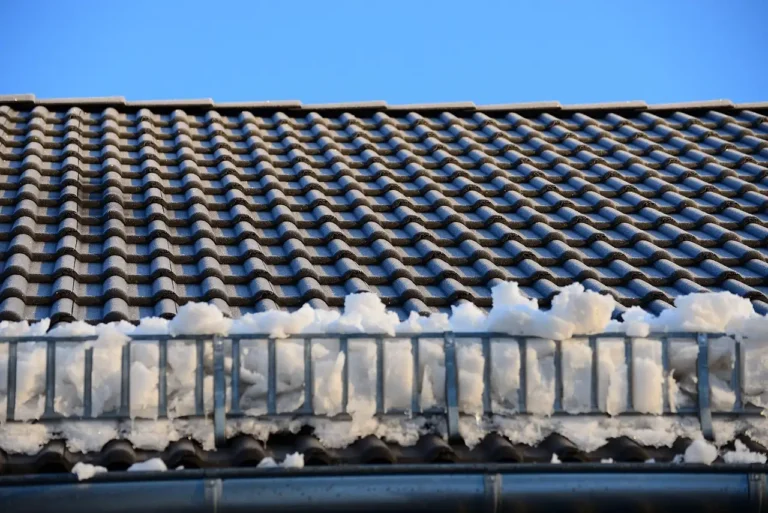
Treat the roof as higher risk if snow is wet, drifting is visible, ice is building at the eaves, or the roof is older and already showing wear. Also treat attached additions, porches, garages, and low-slope sections as separate risk areas. They often have less margin than the main house roof. This is especially true where a lower roof catches slide-off from an upper roof or where a valley traps drifted snow. (IRC R301.2.1; ASCE 7-22.)
Suppose a 2-story house has a steep main roof and a flat rear addition. The main roof may shed more snow, while the flat section holds a heavier load and traps ice at the edge. The same storm can be harmless on one plane and dangerous on the other. A common failure pattern is that the main roof looks manageable from the street, but the lower roof by the kitchen or mudroom is the first place to show ponding, ice dams, or sagging. (ASCE 7-22 drift principles.)
What makes one roof hold more snow than another?
Roof pitch, framing, and condition drive capacity. Steeper roofs shed snow more easily; flat roofs accumulate more load. Rafters, joists, trusses, and the metal or wood connections tying them together all matter. Older, damaged, or altered framing reduces capacity and leaves less margin when snow gets wet or drifted. Code design also distinguishes between roof live load and roof snow load; snow load is the governing winter hazard in snowy climates, while live load assumptions may not capture drift or ice. (IRC R301.5 for roof live load context; IRC R301.2.1; ASCE 7-22.)
Roof pitch and snow shedding
A steep roof usually sheds snow faster, but that does not make it immune. Snow can still stick near ridges, dormers, and cold spots. Wind can also drift snow into pockets where it piles deeper than the rest of the roof. That is why a steep roof can still fail at a localized drift zone even when the main field of the roof appears relatively clear. (ASCE 7-22 drift loading; university extension snow-load resources.)
Flat and low-slope roofs
Flat roofs and low-slope roofs retain snow longer because gravity does less work. That means the same snowfall can create a larger sustained load than it would on a steep roof. Attached additions often act the same way, even when the main house roof is pitched. Low-slope roofs also deserve attention where drains, scuppers, and parapets can trap slush or ponding water above the snow layer. (ASCE 7-22; local building department resources.)
Rafters, joists, trusses, and connections
The structure below the roof covering carries the load. Rafters, joists, trusses, and their connections all need enough capacity to handle the design snow load plus drift and ice. Weak connectors, cut members, prior damage, or rot can reduce safety long before the roof shows obvious failure. When a roof was altered for skylights, dormers, or attic conversions, the original load path may no longer match the current roof geometry. (IRC R301.2.1; ASCE 7-22.)
Older or damaged framing
Age alone does not make a roof unsafe, but it raises concern when paired with sagging, previous leaks, or repairs that altered the framing. A roof with hidden rot or cracked truss members has less reserve than a newer roof built to local code. When a roof has chronic staining, fastener pullout, split members, or repeated patching in the same bay, those are warning signs that the structure is already compromised before the storm load rises. (IRC framing provisions; ASCE 7-22.)
Snow type and roof risk table
This table gives a practical homeowner triage view. Use it to compare snow type, approximate weight, what you can see from the ground, and the action that fits the situation. It is a screening tool, not a substitute for an engineer when warning signs show up. The psf values below are approximate for 12 inches of that snow type and can vary with moisture, wind packing, and settlement; drift zones and ice can exceed the average roof area load. (ASCE 7-22; university extension snow-load references.)
| Snow type | Approximate weight per cubic foot | Visible roof risk | Recommended action |
|---|---|---|---|
| Dry powder | About 7 pounds | Low unless the depth is large or drifting is present | Monitor |
| Mixed snow | About 7 to 12 pounds | Moderate, especially where wind has packed it | Monitor or clear if buildup is deep |
| Wet snow | 12 to 20 pounds | High; can sag more and bridge into heavy drift zones | Clear from the ground if safe to do so; call a pro if roofline changes |
| Packed snow | About 20 pounds | High; dense, heavy, and slow to shed | Clear or call a pro depending on roof height and access |
| Ice | About 57 pounds per square foot at 12 inches deep | Very high; often paired with leaks and ice dams | Call a pro |
Wet snow can be nearly three times heavier than dry, fluffy snow. That is why inches are unreliable. A foot of fresh snow can range from 3 to 5 psf in dry powder, but a foot of wet, heavy snow can range from 12 to 20 psf. The actual roof design load still has to be checked against local code and the structure’s condition. (ASCE 7-22; IRC R301.2.1; university extension snow-load references.)
What type of snow is heaviest on a roof? Ice and dense, wet snow are the biggest concern. At 12 inches deep, ice weighs about 57 pounds per square foot, and some wet, heavy snow can weigh 12 to 20 pounds per square foot. That is enough to change a roof from normal to urgent fast. Drifted snow in valleys or behind chimneys can be heavier than the rest of the roof even when the average depth looks manageable. (ASCE 7-22 drift loading; university extension snow-load references.)
How much snow can a flat roof hold?
Flat roofs and low-slope roofs retain snow longer because gravity does less work. A flat or low-slope roof may keep snow, slush, and ice in place for days, especially around drains, parapets, and edges where drifting collects. The governing design value is still local code-based roof snow load, not a universal flat-roof number. (ASCE 7-22; IRC R301.2.1.)
Attached additions and porch roofs deserve extra caution because they often have smaller framing members or simpler construction than the main house roof. If a flat section is holding deep, wet snow, treat it as a faster-moving risk than a pitched roof with the same depth. The higher concern is not the roof shape alone; it is the roof shape plus drift, ice, and how the load is transferred to the wall and beam below. (ASCE 7-22; local building department.)
When flat roofs need faster removal
Act sooner when the roof is flat and the snow is wet, packed, or drifted. Also act sooner if you see ponding, blocked drains, or ice around the perimeter. Flat roofs do not have the same shedding help that a steep roof does, so load can stay on them longer. If a low-slope roof also shows a new bow or a seam opening, that is beyond simple monitor-and-wait territory. (ASCE 7-22; local building department resources.)
Can ice dams make roof snow load worse?
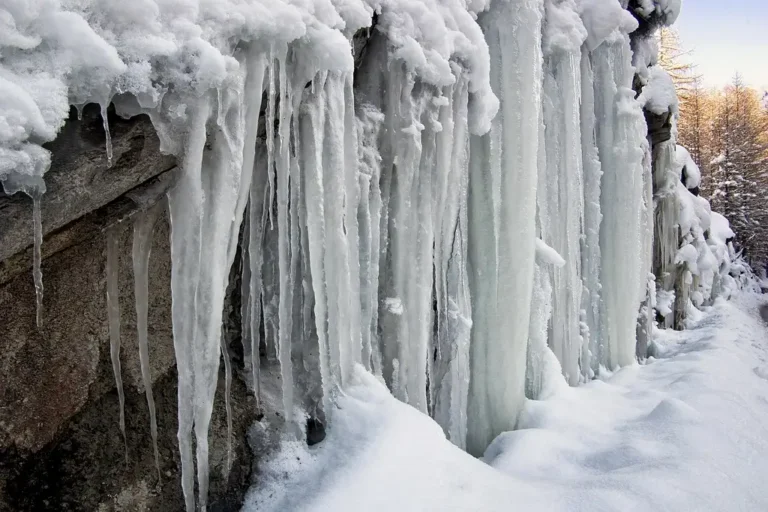
Yes. Ice dams form at eaves when meltwater refreezes near the roof edge. They add weight, trap water behind them, and can push water under shingles or other roof coverings. They also often point to heat loss from the attic, which keeps the roof warm enough to melt snow above the eaves. For a practical explanation of how the roof edge traps meltwater and why attic heat matters, see Ice dams. (University extension ice-dam guidance; ASCE 7-22 context on local snow/ice effects.)
Ice is heavy. At 12 inches deep, ice weighs about 57 pounds per square foot, which is far more than snow alone. Even when the ice layer is thinner than that, it can still create a serious local load at the edge of the roof. The key point is that ice dams are both a leak issue and a load issue, especially when they sit on top of a snowpack or at the bottom edge of a low-slope roof. (ASCE 7-22; university extension snow and ice guidance.)
What ice dams mean for the house
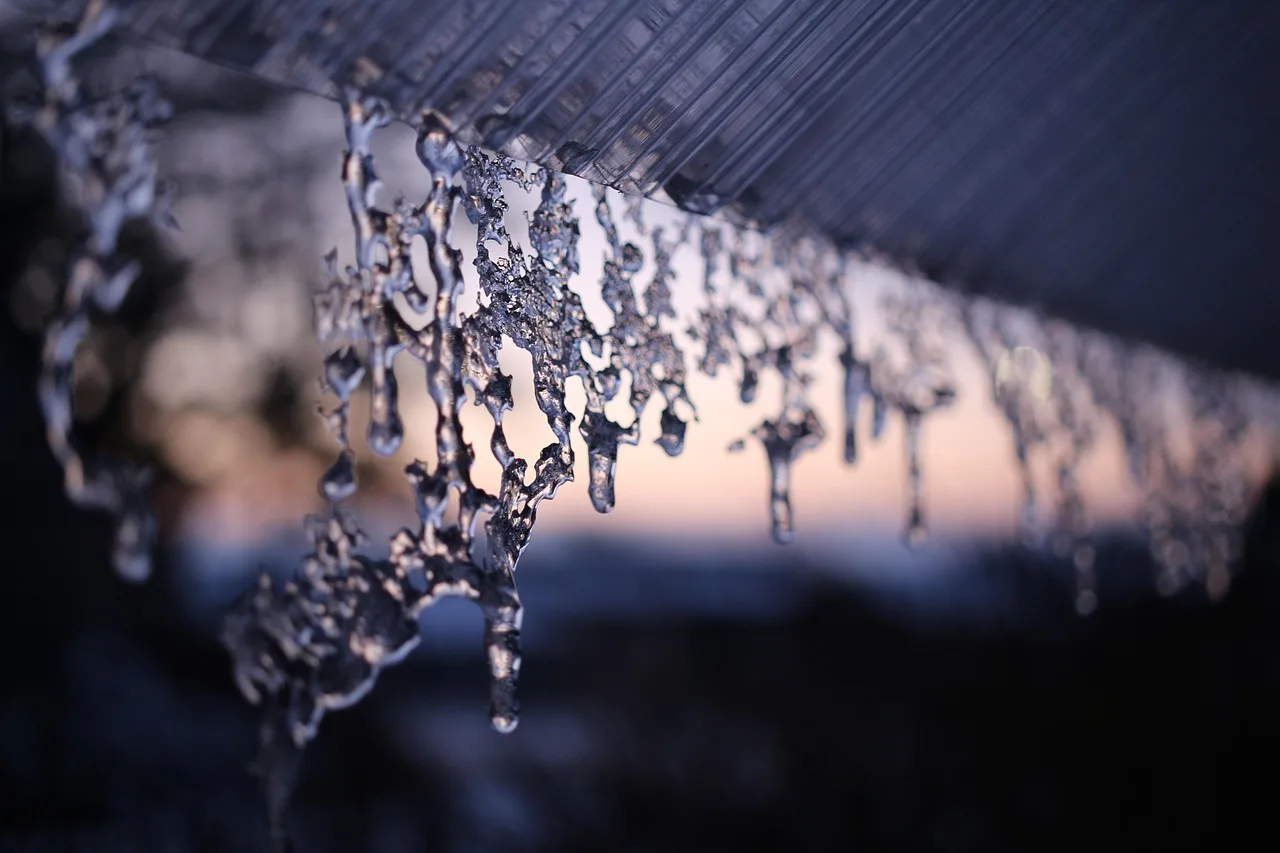
Ice dams are not only a leak issue. They can mark a roof area where snow keeps melting and refreezing, which adds weight in layers. If you also see icicles, stained ceilings, or wet drywall, the roof may be telling you that heat is escaping into the attic. That pattern is common where insulation gaps, air leaks, or poor ventilation keep the roof deck warm enough to drive melt at the eaves. (University extension ice-dam resources; local building department insulation/ventilation guidance.)
Warning signs that snow load is too high
Watch for changes in shape, sound, and moisture. A sagging roofline is a red flag. So are cracking or popping sounds, sticking doors and windows, new drywall cracks, and leaks inside the house. These can mean the structure is moving under load. A straight fascia line that starts to bow, a ridge that looks wavy, or a new separation at a ceiling joint are all signs to stop treating the situation as routine accumulation. (IRC/structural framing context; ASCE 7-22.)
A roof can fail without dramatic noise first, so do not wait for a visible bow in the ridge. If the doors suddenly rub or the ceiling starts to crack in a snowstorm, the load may be affecting the framing or the house’s interior finishes. At that point, the issue is no longer just snow removal; it is a potential structural evaluation. (IRC R301.2.1.)
Quick inspection checklist
- Look at the roofline from the ground for dips or waves.
- Check for heavy drift zones near valleys, dormers, and eaves.
- Listen for popping, cracking, or shifting sounds.
- Open interior doors and windows to see whether they now stick.
- Look for fresh drywall cracks, new leaks, or wet stains on ceilings.
- Check the eaves for ice dams and large icicles.
Say your older garage roof has about 14 inches of wet snow and a visible dip near the middle. That roof deserves more concern than a newer steep roof with the same depth, because older framing and a flat profile reduce the margin. The same goes for a porch roof or carport with smaller members, because the load path is often less robust than the main house roof. (IRC R301.2.1; ASCE 7-22.)
When should you remove snow from your roof?
Remove snow when the roof load is climbing toward the design limit, when ice dams are forming, or when you see warning signs inside or outside the house. If the snow is wet and deep, or if the roof is flat, act earlier. If structural symptoms appear, stop and call a pro. For design-load context, compare the observed snowpack to the local roof snow load and not to a national average. (ASCE 7-22; IRC R301.2.1; local building department.)
Monitor, clear, or call a pro
Monitor dry, even snow on a steep roof when there are no warning signs and the depth is modest. Clear when snow is wet, drifted, or deep enough to raise concern, especially on flat or low-slope sections. Call a pro when there is sagging, leaks, cracking sounds, or any doubt about the framing. A simple way to think about it: monitor when the roof is clearly below local design concern, clear when snow type or drift makes the load uncertain, and call a pro when the structure itself shows symptoms. (IRC R301.2.1; ASCE 7-22.)
Safe removal basics
Use a roof rake from the ground. That reduces risk compared with climbing onto the roof. Do not strip the roof bare; leaving a thin layer helps avoid damage to shingles, membranes, and flashing. Focus on the lower edge and heavy drift zones rather than trying to remove every flake. Roof raking is a control method, not a full de-icing method, and it works best before ice dams become thick or the roof starts to sag. (University extension snow-removal guidance.)
A common first-timer mistake is clearing one easy area and leaving the densest snow above a valley or low spot. That can shift load, create uneven stress, and leave the worst section untouched. Work from the ground, keep the rake angle gentle, and stop if the roof is too high or icy. On complex roofs, the critical zone is often the one you cannot see well from the street: behind a dormer, in a valley, or where an upper roof dumps onto a lower roof. (ASCE 7-22 drift principles; university extension guidance.)
How much snow can a roof hold per square foot?
It depends on the snow type and roof conditions. Dry powder may be about 3 to 5 psf per foot of depth, while wet, heavy snow can range from 12 to 20 psf per foot. Ice adds still more, and drifted zones can exceed the average load on the rest of the roof. Those are approximate screening values, not a substitute for the local design snow load or a qualified structural check. (ASCE 7-22; university extension snow-load references; local building department.)
That is why snow load is a better guide than inches. A roof with 12 inches of dry powder may be fine, while 10 to 12 inches of wet, heavy snow can approach the safe load limit on some roofs. In code terms, the right question is how the measured roof snow compares with the roof’s design snow load after drift and other factors are considered. (IRC R301.2.1; ASCE 7-22.)
Frequently asked questions
What type of snow is heaviest on a roof?
Ice and wet, packed snow are the heaviest types. Wet snow can be nearly three times heavier than dry, fluffy snow, and a cubic foot of fresh powder may weigh about 7 pounds while wet, packed snow can weigh about 20 pounds per cubic foot. Drifted wet snow near valleys, dormers, and parapets can be worse than the average blanket on the roof. (ASCE 7-22; university extension snow-load resources.)
When should I remove snow from my roof?
Remove snow when it is wet and deep, when drifts collect in valleys or low spots, when ice dams form, or when you see warning signs such as sagging, leaks, or cracking sounds. Use a roof rake from the ground, and call a pro if the roof looks stressed. If you are unsure, compare the observed condition against the local design snow load and the roof type instead of relying on inches alone. (IRC R301.2.1; ASCE 7-22; local building department.)
How much snow can a house roof hold in Canada?
There is no one Canadian number because snow load varies by region and local code. The same applies in the United States: design snow load changes with location, and mountainous or snowy areas can require much higher values than milder regions. In Canada, use the National Building Code of Canada / NRCan climate context and the local jurisdiction’s roof snow-load value; in the U.S., use the local code and ASCE 7 method. Check the local design basis for the house. (NRCan/NBCC context; local building department; ASCE 7-22; IRC R301.2.1.)
Sponsored / affiliate links. As an Amazon Associate I earn from qualifying purchases. I may earn additional commission from eligible campaigns.
 Extendable Roof Snow Rake for Snow Removal, Telescopic Handle Up to 236 Inch Reach, Reinforced 3-Point Connection, Thickened Hardware, Anti-Slip Lock Grip, Snow Remover for Roof
 Adjustable Length Roof Snow Tool with 16 Inch Rubber for Safe and Efficient Removal from Roofs Vehicles and Panels Truck Roof Scraper