Do Snow Guards Prevent Roof Avalanches?
Snow guards can reduce roof avalanches when you size, space, and fasten them correctly for the roof, but they are not a guarantee on every roof or snow load. If they fail, sliding snow can damage gutters, crush shrubs, injure people, and tear off fixtures. This guide explains when snow guards work, when they don’t, and how roof type, pitch, snow load, and installation affect performance.
What snow guards do


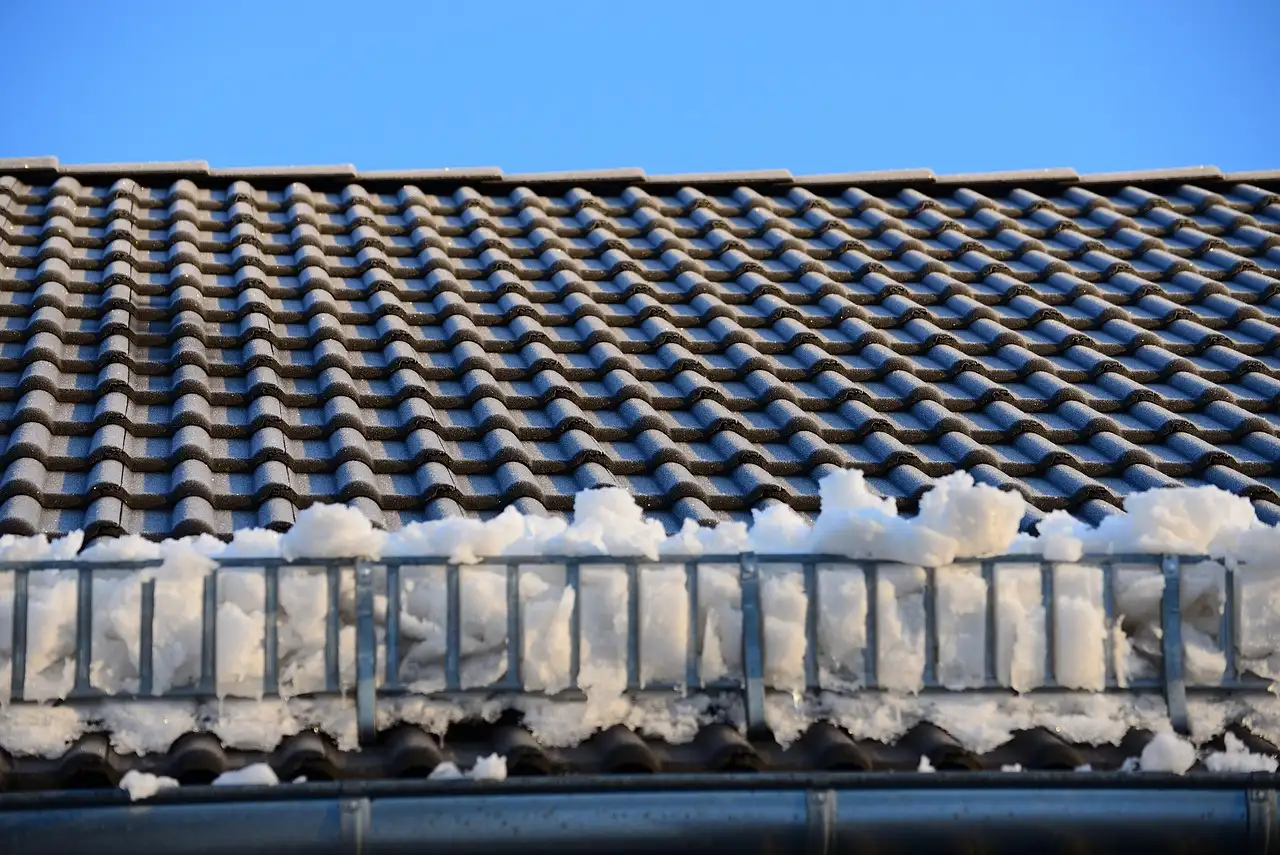
Snow guards are also called snow stops, snow retention systems, or snow cleats. Their job is to hold snow and ice in place so it releases in smaller amounts instead of all at once. That reduces the chance of a roof avalanche, the sudden uncontrolled release of snow and ice from a roof surface.
How roof snow moves
A roof avalanche happens when a sheet of snow lets go as one mass. Metal roofs are especially prone to this because they have very little friction, so snow can slide farther and faster than it does on rougher roofing. The danger is not only the drop at the edge. The sliding load can knock down gutters, strike cars, bury shrubs, and hit people below. On metal roofs, manufacturers commonly pair standing seam panels with clamp-on retention hardware in their engineering literature, and state or local snow-load maps should be checked alongside roof design loads (see IBC snow-load provisions and local amendments; also manufacturer engineering guides such as S-5! and similar standing seam clamp documentation).
Why gutters get hit first
Gutters and downspouts sit right in the path of moving snow and ice. One cited benefit of snow guards is reducing the risk of gutters being crushed or torn off, especially where roof snow would otherwise unload directly over the eave. Guards can also change the way meltwater leaves the roof, but that effect is condition-dependent; they do not guarantee better drainage and they do not replace ice-dam detailing, heat-loss control, or code-compliant snow-load design.
Say your 8:12 entry roof dumps a packed strip of snow onto a walkway after every thaw. A guard layout near the lower slope can break that sheet into smaller releases. If the same roof is left bare at the eave, the slide usually reaches the ground with more force.
Do snow guards prevent roof avalanches?
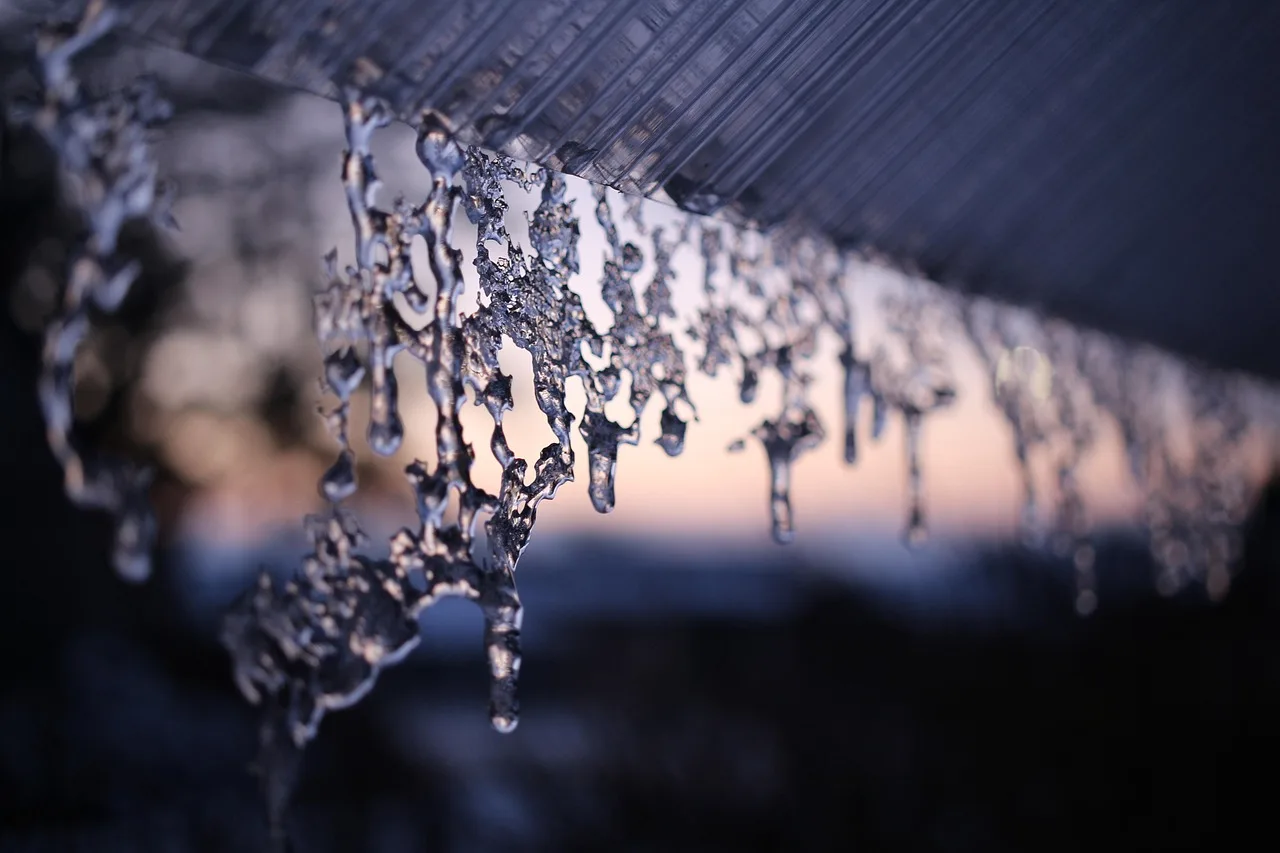
Yes, often. Snow guards can prevent or reduce roof avalanches when the system matches the roof type, pitch, snow load, and attachment method. They work best when they are installed across the roof in the right pattern, not as a few isolated pieces at the edge.
When they reduce slide risk
Snow guards work best when they give the snow something to hold onto before the mass can gather speed. Volpe identifies pad-style guards and bar-style or rail systems as the two main retention types. iRoofing describes them as helping snow melt and drain safely instead of sliding off in one mass, and New England Metal Roof notes that they can prevent avalanches and hidden dangers of shedding snow. Industry guidance also treats retention as a design response to roof geometry and local snowfall rather than a universal fix; in heavy-snow regions, load assumptions should be aligned with local snow maps and building-code references such as the IBC or local snow-load tables.
When they only slow release
Sometimes guards do not fully stop movement. They may delay the release, break it into sections, or cause smaller slides between guard rows. That is still useful, but it is different from total snow arrest. Heavy, wet snow, a steep pitch, a long slope, or under-sized spacing can still produce movement, and snow retention products should be selected with the specific roof load in mind rather than with a blanket pitch rule.
Why snow guards do not remove roof load
Snow retention does not reduce the weight on the roof. It only changes how that snow leaves the surface. If the roof is near its design snow load, the right answer may involve structural review, not just more guards. Heavier loads usually point toward continuous rail systems, but even those do not change what the structure is carrying. In extreme loading conditions, snow guards are not a substitute for snow removal, emergency roof management, or a structural assessment by a qualified professional.
Where snow guards work best
Snow guards make the most sense on roofs that shed quickly, over areas where falling snow matters most, and where controlled release is more important than a clean edge. Volpe notes that steeper roofs shed snow faster, but a single pitch cutoff such as “over 4:12” is only a rough planning cue; exposure, roof finish, snow type, and local load conditions matter too.
Steeper roofs and slick surfaces
Steeper pitches create faster slide potential. Slick roofing makes that worse. Standing seam metal roof panels are a common example because their smooth surface and preserved panel movement make snow retention a frequent add-on. Standing seam systems usually need non-penetrating seam clamps so the roof can still expand and contract without sacrificing waterproofing; manufacturer engineering guides from standing-seam accessory makers such as S-5! explain clamp sizing, seam compatibility, and allowable loading for specific panel profiles. Exposed-fastener metal and some low-friction finishes can also shed snow quickly.
Snowy exposures above entries and walks
Guards matter most where people walk or park below the eave. That includes front entries, sidewalks, garage doors, driveways, and landscaped beds. If the roof edge drops snow onto a public path or a place you use daily, a retention system has a clearer safety purpose.
When gutter protection matters most
Snow guards are often pitched as protection for gutters and downspouts. That claim is most credible when the roof geometry sends snow directly into the drainage line and when the system is strong enough to interrupt the snow slide before the eave. It is less convincing if the roof already sheds in small amounts, if the roof edge is very short, or if the installation is too light to hold the snow long enough to matter. Roofing-industry guidance generally treats gutter protection as a secondary benefit of snow retention, not the primary design basis, because gutter damage is most often a consequence of uncontrolled slide rather than the only risk.
Suppose a standing seam porch roof over a 36-inch sidewalk sheds snow every thaw. A clamp-on rail system can reduce the chance of a full sheet dropping at once. If the same roof gets only a few inches of light powder, the system may do little because there is not much mass to control.
How to choose a system
Use this sequence before you pick a product or layout:
- Identify the roof type and seam or deck condition so the attachment method matches the assembly.
- Check pitch and slope length to estimate how quickly snow can gain speed and how much uninterrupted slide path exists.
- Review local snow-load references, including the IBC or local code maps and any site-specific snow history.
- Look at what sits below the eave: entries, walks, garages, parking, shrubs, gutters, or equipment.
- Match the system to the risk: pad-style for lighter duty, rail-style for higher loads, and clamp-on options for standing seam.
- Confirm spacing, fastener pattern, seam compatibility, and loading with the manufacturer’s engineering guide before installation.
This sequence is the practical way to avoid guesswork. Roof type tells you how the guards attach, pitch tells you how fast snow moves, snow load tells you how much holding capacity you need, and exposure tells you how much risk sits below the eave.
Snow guard decision matrix
| Roof type and surface | Pitch and snow load | Below-eave exposure | Recommended system | Won’t work if |
|---|---|---|---|---|
| Standing seam metal, smooth surface | Over 4:12 and moderate to heavy snow load | Walkways, entries, parked cars | Clamp-on, non-penetrating rail system; pad-style only for light duty | Seam clamps are wrong size, rails are undersized, or panels need penetration to fit |
| Standing seam metal, smooth surface | Low to moderate pitch, lighter snow load | Low pedestrian exposure | Pad-style guards in a staggered pattern | Guards are spaced too far apart or placed only at the eave |
| Asphalt shingle roof | Over 4:12 with recurring slide risk | Entries, shrubs, gutters, decks | Pad-style guards or a rail system where load is higher | Fasteners miss solid decking, adhesive is used where the roof needs mechanical attachment, or coverage is too sparse |
| Asphalt shingle roof | Moderate pitch, lighter snow load | Limited exposure below | Small pad-style layout matched to the snow path | Only a few guards are placed near the edge and the rest of the slope is left open |
| Any roof with heavy snow load | Steep pitch or long slope length | Any occupied area below | Continuous rail system with structural review | The roof load is near design limits, the attachment method is not rated for the load, or the spacing is based on guesswork |
This matrix is a starting point, not a substitute for local code or structural review. The important split is simple: roof type tells you how the guards attach, pitch tells you how fast snow moves, snow load tells you how much holding capacity you need, and exposure tells you how much risk sits below the eave.
How roof type changes the system
Roof type drives the attachment method first, then the guard pattern. Standing seam metal roofs usually need non-penetrating seam clamps so the system preserves thermal movement and waterproofing. Asphalt shingle roofs can use mechanical fasteners, and some systems also use adhesive, depending on the product and roof details.
Standing seam metal roofs
Standing seam snow guards usually attach with seam clamps rather than fasteners through the panels. That matters because the roof must still move as temperatures change, and the waterproofing at the seam should stay intact. A clamp-on design is the normal fit for this roof type, and manufacturer guides generally specify clamp geometry, seam profile limits, and allowable loads for each product family. In other words, the clamp has to fit the seam the roof actually has, not the seam the installer expected.
Asphalt shingle roofs
Shingle roofs are often more forgiving than smooth metal, but they can still shed dangerous loads. Pad-style guards are commonly used where the snow load is lighter. For larger spans or higher risk areas, a rail system is the better match because it gives more continuous holding capacity.
Pad-style guards versus rail systems
Pad-style guards are individual devices installed in a staggered or grid-like pattern. They suit lighter snow loads and smaller release zones. Bar-style or rail systems run horizontally and are supported by brackets attached to the roof or seams, so they handle heavier loads and larger snow masses better.
What can make snow guards fail?
Snow guards fail for predictable reasons: the system is too small for the load, the attachment is wrong for the roof, or the layout leaves too much unrestrained snow above the edge. Most failures are not mysterious. They come from design errors or poor installation choices.
Wrong spacing or undersizing
If guards are too far apart, the snow can bridge between them and still release as a sheet. If the system is too small for the slope length and local snow load, it may only slow the slide. It does not create extra roof strength. Industry sources on snow retention typically stress that spacing and total capacity must be matched to roof geometry and load, not selected by appearance alone.
Wrong attachment method
Attachment has to match the roof. Standing seam roofs should use seam clamps. Using the wrong fasteners on the wrong panel type can damage the roof or leave the guards weak. New England Metal Roof notes that guards may be installed with adhesives, screws, or seam clamps depending on the type, but that choice has to fit the roof assembly. For standing seam systems, manufacturer engineering guides are the better source for clamp selection than generic hardware advice.
Eave-only placement and incompatible materials
Putting guards only at the eave is a common mistake. Snow usually needs restraint higher on the slope too. Material compatibility matters as well, because mismatched metals can corrode over time. A guard system that starts to corrode can loosen long before it should.
A common first-timer example is mounting a few pad guards on about a 7:12 porch roof because the eave is the visible problem. The first big thaw then sends the snow load past that single row anyway. A broader layout or a rail system would have been the more useful choice.
When snow guards are not enough
Snow guards do not replace snow removal, and they do not solve structural overload. If the roof is carrying extreme snow, the first priority may be safe removal or a load review, not more retention hardware. They also do not fix underlying problems such as poor insulation, ice-dam formation, or inadequate ventilation. In high-load events, retention systems should be viewed as one part of a roof-safety plan, not as the whole plan.
Frequently asked questions
What are roof snow guards?
Roof snow guards are devices installed to keep accumulated snow and ice from sliding off suddenly. They are also called snow stops, snow retention systems, or snow cleats. Their goal is controlled release, not total removal. That makes them useful where falling snow could hit people, gutters, landscaping, or parked vehicles.
Do metal roofs need snow guards?
Not every metal roof needs them, but many do benefit from them. Metal roofs have very little friction, so snow can release in one sheet, especially on steeper slopes. Standing seam roofs are a common candidate because they often shed snow quickly and need a non-penetrating attachment method. Manufacturer clamp-on systems are usually the correct way to preserve panel movement and watertight seams.
Can snow guards stop icicles from falling off a roof?
They can change how meltwater and snow release, but they do not eliminate icicles or freeze-thaw behavior. Snow guards may reduce some ice-dam risks and change where refreeze happens, but icicles can still form if heat loss, insulation gaps, or drainage issues remain. They are not a full ice-control fix, and they should not be treated as a substitute for fixing the conditions that create ice dams.
Can snow guards damage gutters?
Yes, if they are undersized, installed too low, or matched poorly to the roof load. A weak system can let a heavy sheet break free and hit the gutter line with enough force to bend, detach, or crush gutters and downspouts. In that sense, snow guards are intended to reduce gutter damage, but only when the system is designed for the actual snow load and snow path. A too-small or badly placed system can still leave gutters exposed to impact.
How do standing seam snow guards work?
They work by clamping to the raised seams or using seam-compatible brackets that hold snow in place without penetrating the roof panels. The clamp transfers load to the seam profile and, when properly engineered, preserves the roof’s movement and waterproofing. That is why the product has to match the exact seam shape, panel material, and load rating; a generic clamp-on idea is not enough. Manufacturer engineering guides are the best source for seam compatibility and allowable loading.
Are snow guards worth it on a shingle roof?
They can be, especially above entries, walks, decks, and gutters. Asphalt shingles are less slick than metal, but they still shed snow in a sudden drop when the slope is steep enough or the load is heavy. Pad-style guards often fit lighter-duty needs; rail systems suit higher exposure.
How many snow guards do I need for my roof?
There is no single count that fits every roof. The number depends on pitch, roof type, slope length, snow load, and what sits below the eave. A light, low-exposure roof may need a small staggered pattern. A steep or heavily loaded roof often needs a continuous system and a structural check.
Do snow guards replace snow removal or a structural review?
No. If a roof is exposed to extreme snow, a retention system may help manage release, but it does not remove weight or verify structural capacity. In severe conditions, the roof should be evaluated for load, and snow should be removed or managed according to local safety guidance and structural limits.
Sources
- International Code Council, International Building Code, snow load provisions and local-adoption amendments.
- NOAA National Weather Service and local weather/snow-load resources for regional snowfall and load context.
- S-5! manufacturer engineering guides for standing seam clamp selection, seam compatibility, and allowable loading.
- Volpe and roofing-industry guidance on snow retention types, pitch-related slide risk, and system selection.
- New England Metal Roof and similar roofing-industry resources on snow retention, roof avalanche risk, and installation method selection.
- iRoofing guidance on snow retention and roof-surface runoff behavior.
Sponsored / affiliate links. As an Amazon Associate I earn from qualifying purchases. I may earn additional commission from eligible campaigns.
 Adjustable Length Roof Snow Tool with 16 Inch Rubber for Safe and Efficient Removal from Roofs Vehicles and Panels Truck Roof Scraper
 Extendable Roof Snow Rake for Snow Removal, Telescopic Handle Up to 236 Inch Reach, Reinforced 3-Point Connection, Thickened Hardware, Anti-Slip Lock Grip, Snow Remover for Roof