Should You Shovel Snow Off a Flat Roof?
Shovel a flat or low-slope roof only when snow is deep, wet, drifting, or uneven enough to raise load risk; leave a thin layer in place and avoid scraping to the membrane. Bad removal can cause falls, leaks, and torn roofing, while heavy snow can strain joists and trap moisture. This guide explains when to clear snow, when to leave it, and when to call a roof pro.
When snow load matters more than depth
Yes, sometimes, but only when the load risk is higher than the damage risk. Flat roofs hold snow longer than steep roofs, so they need closer monitoring after storms and earlier action when snow gets heavy, wet, or uneven. The right call depends on roof condition, drainage details, access, and fall risk.
Snow load is measured in pounds per square foot. That matters because the same depth can weigh very differently depending on moisture content and packing. Fresh powder is lighter than wet or packed snow, and thaw-freeze cycles can turn a modest layer into a heavier load fast. Structural limits also vary by design snow load, age, drainage, and later modifications, so depth-only rules are rough heuristics rather than a guarantee.
Why depth alone is not enough
A depth number by itself misses too much. A flat roof with a healthy membrane, clear drains, and no sagging may tolerate more snow than an aging roof with skylights, parapets, or blocked scuppers. The reverse is also true: a shallow layer of wet snow can be more dangerous than a taller layer of dry powder.
That is why the most useful rule is not “how many inches?” but “how much weight, how evenly distributed, and what does the roof condition look like?” A roof with repaired seams, old decking, or restricted drainage can reach trouble sooner than a newer roof with good runoff paths.
Flat roof or low-slope roof?
A flat roof and a low-slope roof are not the same thing. Flat roofs are built with very little visible pitch and usually rely on drains, scuppers, or parapets to move water. Low-slope roofs still shed some water by design, but they shed snow more slowly than steep roofs and can still trap drifts, ice, and slush at edges and penetrations.
That difference matters because low-slope roofs may look “pitched enough” from the ground while still holding snow in pockets. On both roof types, age, drainage, and past modifications matter as much as slope. A roof with added HVAC units, skylights, repaired flashing, or altered drainage can behave differently from the original design.
The risk tradeoff: load, leaks, and falls
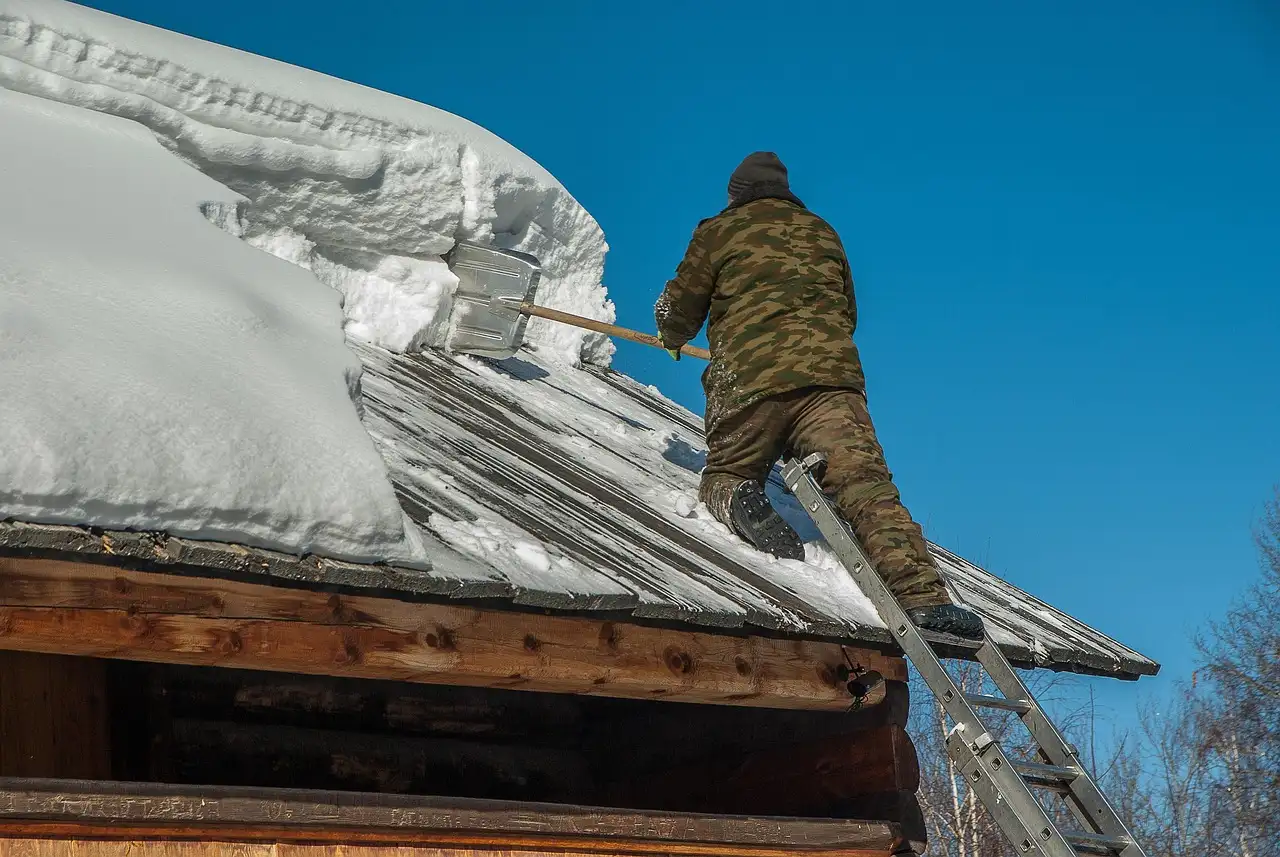
Removal can lower roof load, but it can also create problems. Shovels can nick membranes, pull at flashings, and push meltwater toward seams or under edges. Climbing onto an icy roof adds fall risk, especially near eaves, skylights, and roof edges that are hard to see under snow.
Suppose your garage has a low-slope roof and a recent storm left about 10 inches of wet snow on it. That is a different job from 10 inches of dry powder on a detached shed with easy access and no roof penetrations. The first case leans toward earlier action or a pro; the second may only need monitoring from the ground.
When snow becomes a roof problem
Snow becomes a roof problem when it starts to change how the roof drains, flexes, or sheds heat. Watch for wet snow, recurring ice dams, sagging, blocked outlets, and thaw-freeze forecasts. Those signs matter more than a single measured depth because they point to load, leak, or drainage trouble already in progress.
Wet snow vs. fresh powder
Wet snow is heavier than fresh powder and raises collapse risk faster. Snow load can vary dramatically with density, and wet, compacted, or wind-packed snow weighs far more than fresh powder at the same depth. Ice adds more load, which is one reason refrozen layers deserve prompt attention.
If snow followed rain, a thaw, or a quick freeze, treat it as more urgent than the same depth of dry snow. Packed drifts around parapet edges and skylights can also create uneven loading, which is harder on older roofs and low-slope additions.
Visible sagging and other warning signs
Visible roof sagging is an immediate warning sign. It can mean the structure is already overloaded, and it needs prompt assessment rather than guesswork from the ground. Look for dips along the ridge line on low-slope sections, bowing at spans, or new interior signs such as cracks at ceilings near the roof line.
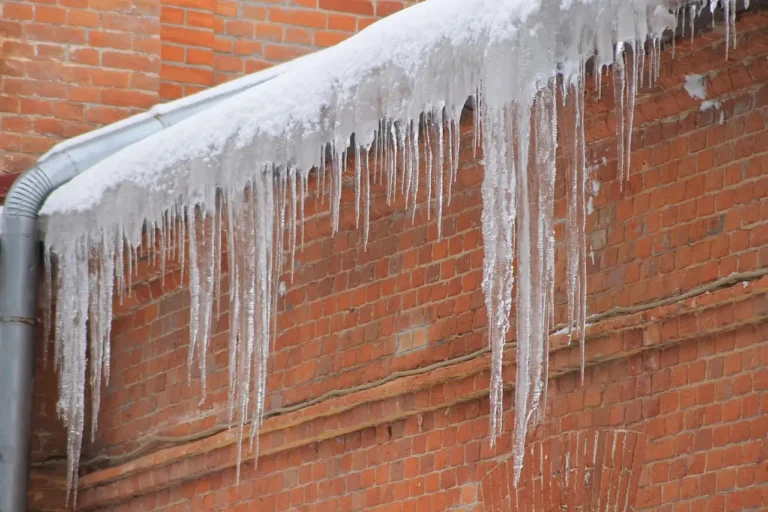
Recurring ice dams are another clue. Ice dams form at eaves during melt-refreeze cycles, and roof snow buildup can feed them by holding meltwater higher on the roof. That raises leak risk, especially where gutters, downspouts, scuppers, or interior drains are blocked by ice or packed snow.
When ice damming is part of the problem, the roof issue is often not just snow on top. Heat loss from the attic, poor insulation, and weak ventilation can keep the roof surface warm enough to melt snow unevenly and then refreeze at the edge. That is why drainage and heat management belong in the same conversation.
Roof type changes the threshold
Flat and low-slope roofs hold snow longer than steep roofs, so they need more frequent monitoring after storms and earlier action when trouble signs appear. Shingle-covered low-slope additions, garages, and porches often fall into a middle zone: they may shed some snow, but they still trap more than a pitched roof.
Membrane roofs deserve special care because aggressive scraping can scar the surface or disturb seams. Older roofs may also be less forgiving, especially if there are known leaks, soft decking, or patched areas near flashings and penetrations.
Shovel snow off flat decision table
Use this checklist after a storm. Answer each question yes or no. If you have 0 to 1 yes answer overall, monitor it. If you have 2 yes answers in the “Remove it” questions and no pro-trigger yes answers, remove snow from the ground if it is safe to do so. If any pro-trigger is yes, call a pro.
| Roof condition | Snow condition | Action |
|---|---|---|
| Flat or low-slope roof with older membrane, patched seams, or weak spots | Wet, packed, or drifting snow; snow depth above 6 inches; or refreeze after a thaw | Remove it or call a pro if access is icy |
| Visible sagging, soft spots, cracked drywall below, or recurring leaks | Any snow that is still loading the roof | Call a pro |
| Roof has skylights, scuppers, interior drains, parapet edges, or many penetrations | Uneven snow, ice ridges, or blocked drainage outlets | Call a pro if you cannot clear around details without stepping onto the roof |
| Roof is sound, drainage is clear, and access from the ground is easy | Light, dry powder with no drift buildup and no ice dam signs | Monitor it |
| Roof age is unknown, the roof is hard to reach, or the surface is icy | Any snow that would require walking near an edge or across a slippery surface | Call a pro |
What tool is safest?
A roof rake is the safest ground-level option when the roof edge is reachable. It is made to remove snow without leaving the ground, and that keeps you off icy surfaces. For flat roofs, a soft or plastic shovel can be used only with caution, and a non-metal edge is preferred near membranes and flashings.
Roof rake from the ground
A roof rake works best along the reachable edge, where you can pull snow down without scraping the roof surface. Use it before the snow packs down or refreezes. It is especially useful on low-slope sections where the edge is the only part you can reach safely from the ground.
Soft or plastic shovel on flat roofs
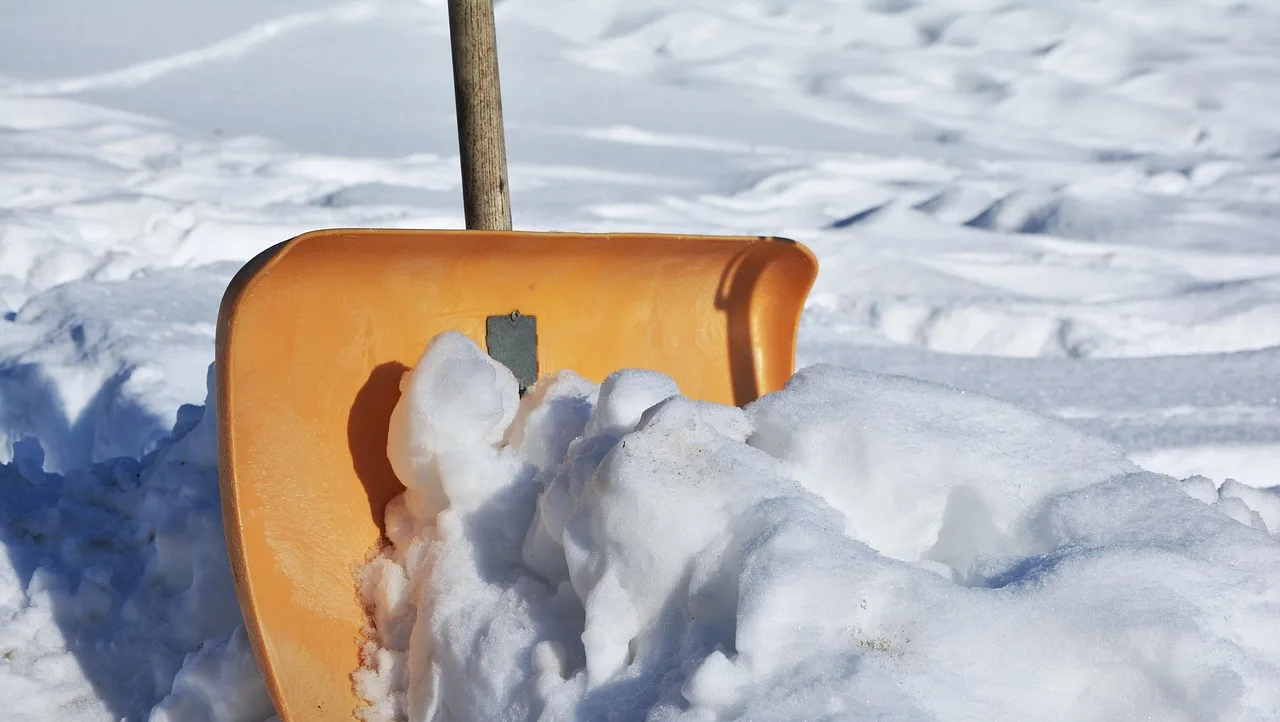
If you must step onto a flat roof, use a soft or plastic shovel with a non-metal edge. Keep pressure light. Do not pry at ice, and do not dig down to the membrane. Leave a thin layer in place so you reduce load without grinding the roof surface bare.
Why metal edges can damage roofing
Metal edges can gouge membranes, nick shingles, and tear sealants at flashings. They can also catch on granules, seams, or roof coatings. That matters most near skylights, drains, scuppers, and parapet transitions, where the roof already has more leak-prone details.
A common first-timer mistake is scraping until the roof looks clean. That can look tidy and still create a leak path. The safer goal is relief, not bare decking.
How do you remove snow without causing damage?
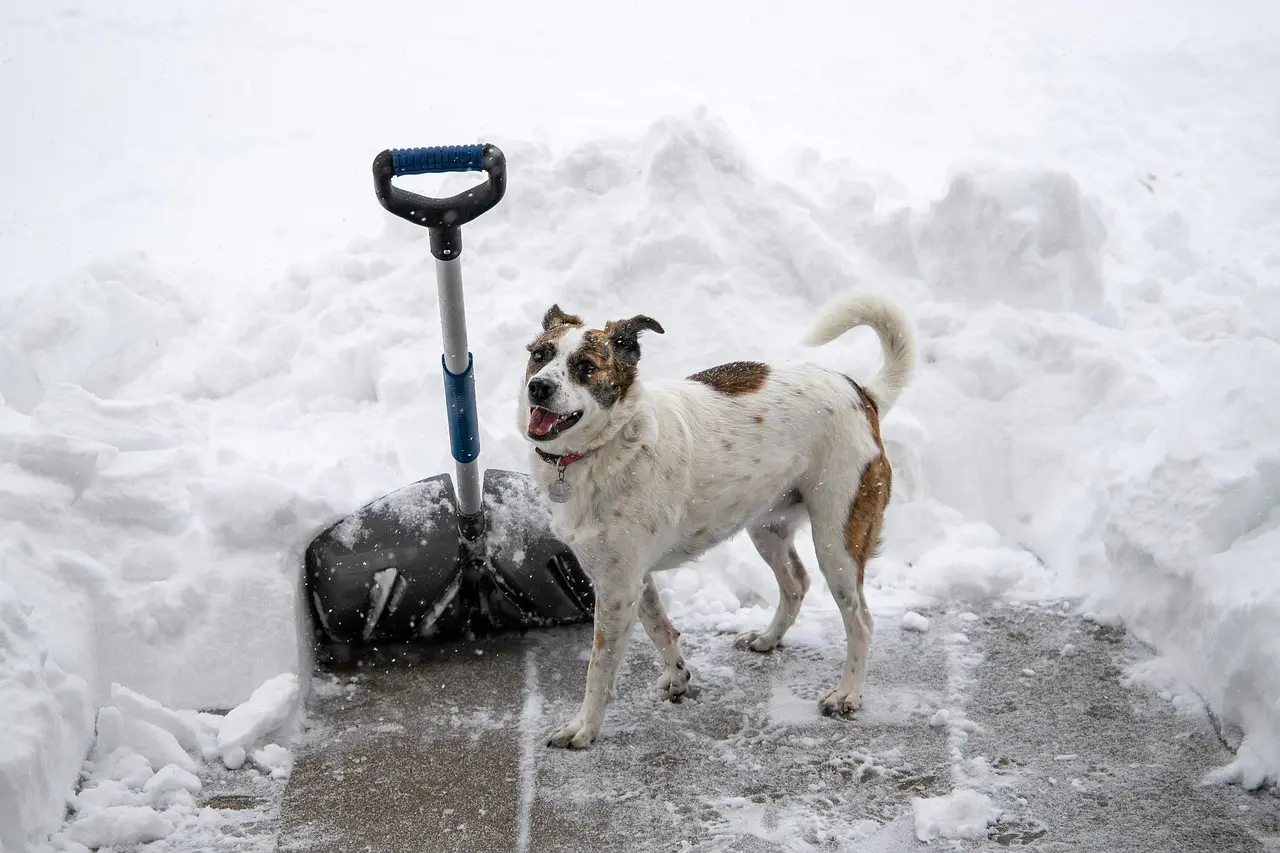
Work from the edge, keep a thin layer in place, and avoid forcing snow under roofing edges. Remove snow in controlled sections instead of trying to clear the whole roof at once. Watch skylights, drains, scuppers, and flashings closely, because those details are where shovels do the most harm.
Step-by-step approach
- Check the forecast for thaw-freeze cycles before you start.
- Inspect from the ground for sagging, leaks, ice ridges, and blocked drainage points.
- Use a roof rake from the ground where the edge is reachable.
- If you must step onto the roof, use a buddy system and non-slip footwear.
- Clear snow in short passes and leave a thin layer over the roof surface.
- Avoid skylights, vent stacks, flashings, parapet edges, scuppers, and interior drains.
Watch drainage details closely
Parapet roofs can trap snow along the edges. Skylights can collect windblown drifts and hide brittle seals. Scuppers and interior drains can clog with slush, which can trap meltwater on the roof and raise leak risk. If you cannot clear these details without scraping or stepping into an unsafe area, stop and call a pro.
After the roof is cleared, check gutters and downspouts. They should be clear after snow removal so meltwater can drain away. This helps reduce ice dam risk and keeps water from backing up at the eaves. A related issue is roof drainage capacity: if gutters, downspouts, or roof drains are already packed with ice, snow removal alone may not solve the problem.
For related guidance, see ice dams and gutters in winter and roof drainage basics for keeping meltwater moving off the roof edge.
Timing matters before refreeze
Remove or monitor snow before a thaw-freeze cycle locks in drainage problems. If the forecast shows daytime melting and nighttime refreezing, a half-cleared roof can be worse than no action at all if water has nowhere to go. Clear the roof only when you can also keep water moving off it.
When should you call a pro?
Call a pro when the roof is high, steep, damaged, or hard to reach safely. You should also call for icy access, visible sagging, recurring leaks, older roofs, membrane roofs with many seams, or roofs with blocked drainage. The point is to reduce snow load without creating a fall or leak problem.
High, steep, damaged, or complex roofs
Roofs with multiple levels, parapets, skylights, scuppers, or interior drains are harder to clear safely. Complex roof shapes also trap snow in pockets, which can create uneven load and hidden ice. That is a strong reason to hand the job off.
Icy access and fall risk
If the access path is icy, the decision changes. A buddy system and non-slip footwear can help, but they do not make a slick roof simple or safe. If you cannot reach the roof edge without crossing ice or working near a drop, do not climb up just because the snow is heavy.
Older roofs, membrane roofs, and blocked drainage
Older roofs may not tolerate aggressive shoveling. Membrane systems can be scarred by hard tools, and blocked drains can turn snow removal into a water-management problem. If you see soft decking, previous patch work, or repeated winter leaks, a pro can clear the load and inspect the roof at the same time.
For many homeowners, the safer choice is to remove only what can be reached from the ground and leave the rest for a contractor. Service pricing varies by roof size, access, slope, and snow type. That is one reason to get a local estimate when access is risky.
Frequently asked questions
Should you shovel snow off a flat roof?
Sometimes, yes. A flat roof may need snow removal when snow is wet, packed, drifting around roof features, or paired with sagging, leaks, or ice dams. If the roof is icy, aging, or hard to reach, monitoring or calling a pro is usually the safer move.
How much snow is too much for a flat roof?
There is no single number for every roof. Guidance from building and weather sources treats depth as only a rough indicator because snow density changes with temperature, wind, and refreezing. Wet or packed snow can make a lower depth a problem sooner, especially on older or damaged roofs.
When should I remove snow from my roof?
Remove snow when it is wet, packed, drifting around roof features, or paired with sagging, leaks, or ice dams. Also act before a thaw-freeze cycle if you can clear the roof and drainage safely. If the forecast will lock in refreeze, waiting can make the drainage problem worse.
Is it safe to shovel snow off a roof yourself?
Only if the access is safe, the roof is low-risk, and you can work without stepping onto ice or scraping the roof surface. Use a buddy system and non-slip footwear. If the roof is steep, high, fragile, or icy, hire a pro instead.
What tool is safest for removing snow from a roof?
A roof rake is safest when you can reach the edge from the ground. It removes snow without leaving the ground and avoids many fall hazards. If you must work on a flat roof, use a soft or plastic shovel with a non-metal edge and keep clear of membranes and flashings.
What signs mean my roof is overloaded with snow?
Visible sagging is the biggest warning sign. Also watch for unusual creaking, new interior stains, leaks, bowed ceilings, and recurring ice dams. Wet or packed snow, especially after rain or a thaw, makes overload more likely and can turn a routine storm into an urgent roof problem.
How do you avoid damaging shingles while removing snow?
Use a roof rake from the ground when possible, and never scrape down to the roof surface. If you must clear from the roof, use a soft or plastic shovel and keep a thin layer in place. Avoid prying at ice, and do not drag metal edges across the roof.
Sponsored / affiliate links. As an Amazon Associate I earn from qualifying purchases. I may earn additional commission from eligible campaigns.
 Extendable Roof Snow Rake for Snow Removal, Telescopic Handle Up to 236 Inch Reach, Reinforced 3-Point Connection, Thickened Hardware, Anti-Slip Lock Grip, Snow Remover for Roof
 Wheeled Roof Snow Remover Rake, Roof Snow Rake Extendable Pole Kit, 4 Extension Poles, Metal Braces + Adapter Included, Remove Snow from Roof Safely from The Ground