How to Keep Porch Steps From Icing Over
Reapply de-icer after each snowfall, sleet, or thaw-then-freeze cycle, and use sand for traction if needed. On concrete, be cautious with repeated salt use because newer or already damaged slabs are more vulnerable to freeze-thaw wear and surface scaling; the risk rises when melting water keeps refreezing in the same spots (extension and DOT guidance). Used badly, icy steps can crack surfaces, corrode metal, stain finishes, and turn one missed step into a fall. This guide explains which de-icer fits each porch material, when to use traction aids, and how to build a simple winter routine.
What you’ll need


- A porch-safe de-icer chosen for your step material
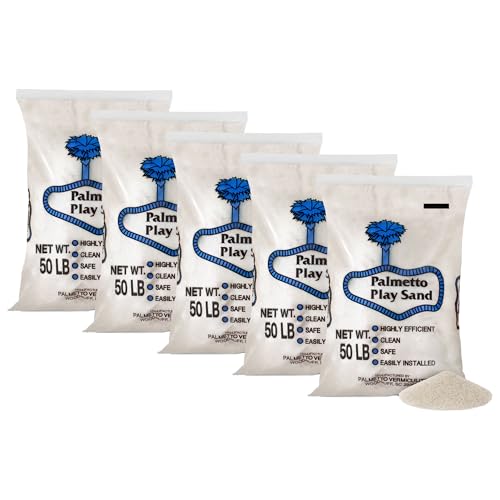
- Sand for traction backup
- Optional pet-safe de-icer for areas used by animals
- Dry coffee grounds, non-clumping kitty litter, birdseed, or fireplace ash for emergency grip
- A small scoop or hand spreader
- A broom or stiff brush
- A shovel or plastic scraper
- Gloves and waterproof footwear
Why porch steps ice first?
Porch steps may freeze faster than a driveway because they are smaller, may stay shaded longer, and can collect meltwater at treads, risers, and the handrail area. A thin film can refreeze overnight, so you need both melt help and traction, not only a product chosen for flat pavement.
How freeze-thaw creates the hazard
Meltwater often runs down the door threshold and across the top step, then refreezes where foot traffic packs it down. Newer concrete and concrete with cracks, spalling, or prior surface damage are especially vulnerable to repeated freeze-thaw exposure, according to extension and DOT guidance. Check steps after new snow, sleet, or a warm afternoon followed by a hard drop in temperature.
Why steps need both melt and traction
Porch stairs are a high-slip surface. A de-icer can break the bond underfoot, but sand or another grit gives your shoe something to bite into while the melt begins. That is why the best routine usually combines a targeted melt product with a traction backup at the footfall zones.
How to keep porch steps from icing over overnight
Clear loose snow first, treat the walking surface before ice hardens, and keep runoff from pooling at the bottom step. The best routine is a light pre-treatment, then a traction backup where feet land, turn, and pause at the door.
- Clear the step faces. Sweep or shovel off loose snow, especially from corners, treads, and the landing by the door. Less snow means less meltwater to refreeze.
- Choose by surface. Use the decision matrix below before you spread anything. Wood, concrete, and composite do not all tolerate the same product the same way.
- Apply to contact zones. Focus on the center of each tread, the top landing, and the area near the handrail posts if splash and refreeze are a problem. Do not dump product across the whole porch.
- Test a small area first. Try the product on one step edge or a hidden corner before treating the whole run. That matters most on painted wood, composite boards, and older concrete.
- Add traction backup. If the surface still looks slick, spread sand or another grit where shoes land. This is especially useful during black ice, when melt alone may not give enough grip right away.
- Recheck after changes. Reapply after fresh snow, sleet, or a thaw-then-freeze cycle changes the surface. Add enough to cover the wet or glazed spots, then check again after the next pass of foot traffic.
Say your porch has painted wood treads and the forecast calls for sleet after sunset. A salt-free de-icer on the tread edges, followed by sand on the walking strip, is a better fit than a driveway-style spread that leaves runoff at the risers and threshold.
Porch steps decision matrix
| Surface type | Weather condition | Best first choice | Backup choice | What not to use |
|---|---|---|---|---|
| Wood | Light frost | Sand for traction, then a small-area test of a pet-safe de-icer if needed | Dry coffee grounds or non-clumping kitty litter for grip | Rock salt spread heavily across painted or finished wood |
| Wood | Packed snow | Shovel first, then sand on the tread line | Pet-safe de-icer used only where the label allows | Any product that leaves residue near the threshold without cleanup |
| Wood | Refreeze | Pet-safe de-icer or another salt-free option, then grit | Fireplace ash in a thin layer for grip | Overapplication that runs to trim, mats, or plant beds |
| Wood | Black ice | Sand for immediate traction | Pet-safe de-icer if the label allows use on the finish | Rock salt as a default answer |
| Concrete | Light frost | Rock salt in moderation if temperature is above -10°C | Sand or pet-safe de-icer | Heavy salt piles that leave residue after thaw |
| Concrete | Packed snow | Shovel, then rock salt or pet-safe de-icer if compatible | Sand for traction on the cleaned tread | Ignoring runoff near shrubs, joints, or the lower landing |
| Concrete | Refreeze | Rock salt if conditions are above -10°C, then sand for grip | Pet-safe de-icer where plants and paws are a concern | Repeated heavy salt use over the same step edge |
| Concrete | Black ice | Sand first for traction, then a de-icer matched to the label | Pet-safe de-icer near entry paths used by animals | Relying on melt alone without grit |
| Composite | Light frost | Sand and a label-approved salt-free de-icer after a small test | Non-clumping kitty litter for grip | Rock salt unless the manufacturer listing allows it |
| Composite | Packed snow | Shovel first, then sand | Pet-safe de-icer if the finish tolerates it | A product that stains or leaves sticky residue |
| Composite | Refreeze | Salt-free or animal-friendly de-icer, then grit | Dry coffee grounds for short-term traction | Heavy runoff toward adjacent landscaping |
| Composite | Black ice | Sand for traction backup | Pet-safe de-icer where the label permits | Assuming one product works the same as on concrete |
Should you use salt or sand?
Use rock salt when you need melt help and the temperature is above about -10°C. Use sand when you need immediate grip, when the weather is colder than about -10°C, or when you want a lower-risk option around pets, shrubs, and runoff paths. On many porch steps, the right answer is both in sequence.
When rock salt is the first choice
Rock salt, also called sodium chloride, is most effective for melting when temperatures are above about -10°C, which is the practical range many extension and DOT sources give for reliable performance. It can also help prevent new buildup, but it may speed up rusting, damage concrete over time, harm animals, damage shrubs, and send runoff into local waterways.
Use it on concrete only with restraint, especially on newer slabs or areas that already show wear. Cleanup residue can remain after thaw, so broom it up after the surface dries.
When sand is the better backup
Sand adds traction on icy surfaces. It does not melt ice or snow, but it can work at any temperature if applied consistently. Reapply it as new buildup forms, especially on treads, the top landing, and the path from the door to the first step.
Sand is a practical backup near planting beds and entry mats because it adds grip without the same chemical runoff concerns as salt.
What can you put on steps for traction?
For traction, the best options are sand, pet-safe de-icers, or simple household grits that help shoes grip. These do not all melt ice, so pick based on whether you need friction, thawing, or both. On porch stairs, traction is often the faster fix.
Pet-safe de-icers
Pet-safe de-icers are not always salt-free; many are still made with salts or salt blends but are formulated to be less irritating to paws than rock salt. They are often a better fit when pets, children, or shrubs use the same entry. They also tend to cost more than salt, so reserve them for high-contact areas.
Use the label directions and test a small patch first. Compatibility can vary by finish, fasteners, and runoff patterns. ASPCA-style pet-safety guidance also recommends keeping any de-icer off paws and paws washed or wiped after exposure.
DIY traction materials
Dry coffee grounds, birdseed, non-clumping kitty litter, and fireplace ash may add grip rather than melting the ice. Use them thinly. A thick layer can be messy, stain surfaces, or track into the house.
A common first-timer mistake is to spread a household material like it is de-icer, then expect the ice to disappear. It will not. These materials buy traction while you clear and treat the step properly.
Common mistakes
The most common errors are treating porch stairs like a driveway, using one product on every surface, and forgetting about runoff near plants and mats. The best results come from matching the material, the weather, and the cleanup plan.
- Using rock salt as the default on wood or composite steps.
- Waiting until the ice is thick and bonded before treating the surface.
- Skipping traction backup during black ice.
- Leaving de-icer residue where it can track indoors or pool near shrubs.
- Applying more product instead of rechecking after the first pass.
If that did not work, try this next: sweep off the residue, switch to sand, and re-treat only the sections that still glaze over. If the steps are concrete and the forecast stays above -10°C, a measured rock-salt treatment may be the better fit. If the temperature sits near that limit, choose traction over melt and keep the area clear by hand.
Prevention: keep a broom, a bag of sand, and a porch-safe de-icer by the door so you can treat the steps before foot traffic packs the ice down.
Frequently asked questions
How do I stop porch steps from icing over overnight?
Clear the steps before dark, apply a surface-matched de-icer to the tread line, and finish with sand where feet land. Recheck after the evening temperature drop. If meltwater is pooling at the bottom step, move it away before it refreezes.
What is the safest de-icer for wood porch steps?
A salt-free or animal-friendly pet-safe de-icer is the safer starting point, but still test a hidden spot first. Finish type matters. If the label does not list wood or your finish is unknown, sand is the safer immediate option for traction.
Does rock salt damage concrete porch steps?
Yes, especially on newer concrete, damaged concrete, or steps that see repeated freeze-thaw cycles. Salt can speed up rusting, contribute to surface scaling over time, and leave residue after thaw. Use it sparingly on concrete, clean up what remains, and avoid heavy repeated use where the step drains toward plants or the walkway edge.
Should I use sand or salt on icy steps?
Use salt when you need melting and the temperature is above -10°C. Use sand when you need grip, when it is colder, or when you want a safer choice around pets and shrubs. Many porch jobs need sand first, salt second.
What can I put on steps so they don’t get slippery?
Sand is the most direct answer for immediate grip. Pet-safe de-icers help if you also need melting. Dry coffee grounds, birdseed, non-clumping kitty litter, and fireplace ash can help in a pinch, but they are traction aids, not true melt products.
How often do I need to reapply de-icer on steps?
Reapply after each snowfall, sleet, or thaw-then-freeze cycle, and again if the surface starts to glaze over. The right interval depends on how fast the steps collect new snow, how much foot traffic they get, and whether runoff is freezing at the landing.
Sponsored / affiliate links. As an Amazon Associate I earn from qualifying purchases. I may earn additional commission from eligible campaigns.