How to Safely Remove Icicles From Your Roof and Gutters
Remove icicles only after you clear the area, use a roof rake from the ground for reachable edge ice, and stop if you see a leak, heavy buildup, or an ice dam. Bad removal can hurl ice at people, crush gutters, or hide a roof leak that keeps spreading. This guide shows the safest order: protect people, open drainage, and decide whether you need simple cleanup or a roof repair.
What you should know first
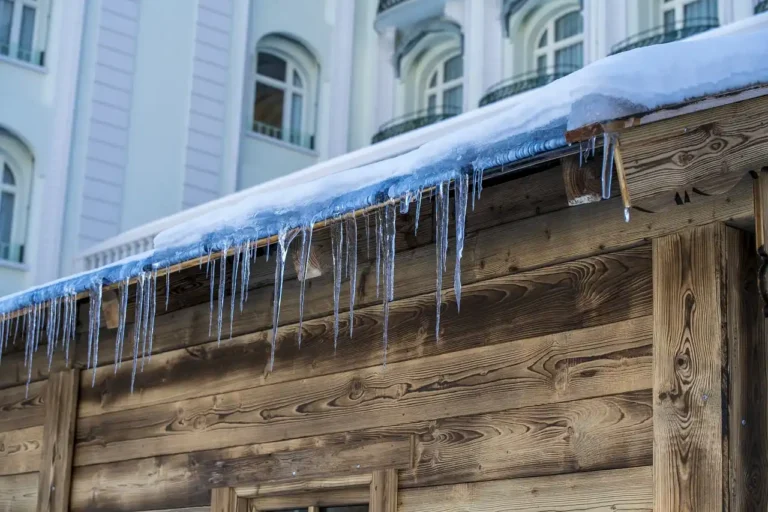
Icicles form when snow melts near the roof deck, runs to the colder edge, then freezes again at the eaves or inside gutters. Small, decorative icicles are one thing. Long icicles over walkways, parked cars, or power lines are a different problem and need a harder stop on DIY work.
When icicles keep returning, the problem is often drainage, not appearance. Ice dams can block meltwater along the eaves, force water under shingles, and send that water into the attic or walls. That is why recurring icicles call for more than a quick knockdown.
When icicles are a hazard versus a warning sign
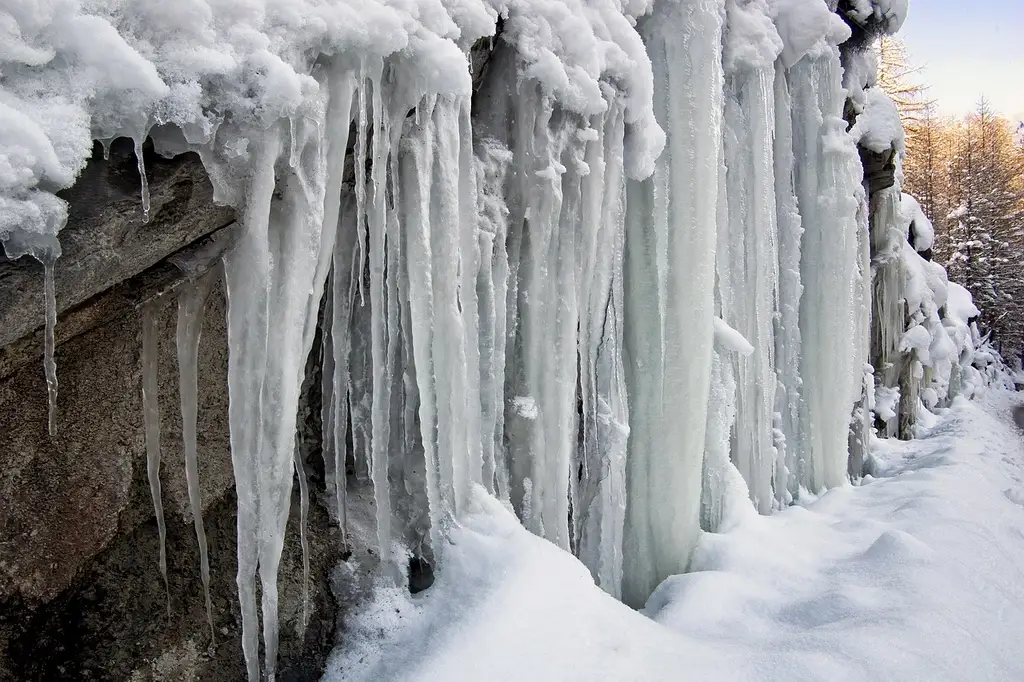
Falling ice can injure pedestrians and damage vehicles, railings, or landscaping. If the icicles are hanging over an entry, driveway, or public sidewalk, treat the area as unsafe until it is blocked off. If they are paired with stained ceilings, dripping inside, or a sagging gutter, treat them as a warning sign of a larger drainage failure.
When to stop and call a pro
Stop when the roof is steep, the buildup is thick, the icicles are high enough that you cannot work from the ground, or the area sits near electrical service. Call a pro sooner if water is already inside. Thick ice dams are often removed with steam, which is safer for shingles and gutters than striking the ice.
What you’ll need
- A long-handled roof rake with a telescoping handle if extra reach is needed
- Calcium chloride in fabric sleeves or socks for temporary melt channels
- Work gloves and eye protection
- A flashlight for checking gutters and downspouts after removal
- Cones, tape, or another barrier for blocking walkways
- A bucket or tarp for catching loose ice where practical
How do you safely remove icicles from a roof without damaging shingles?
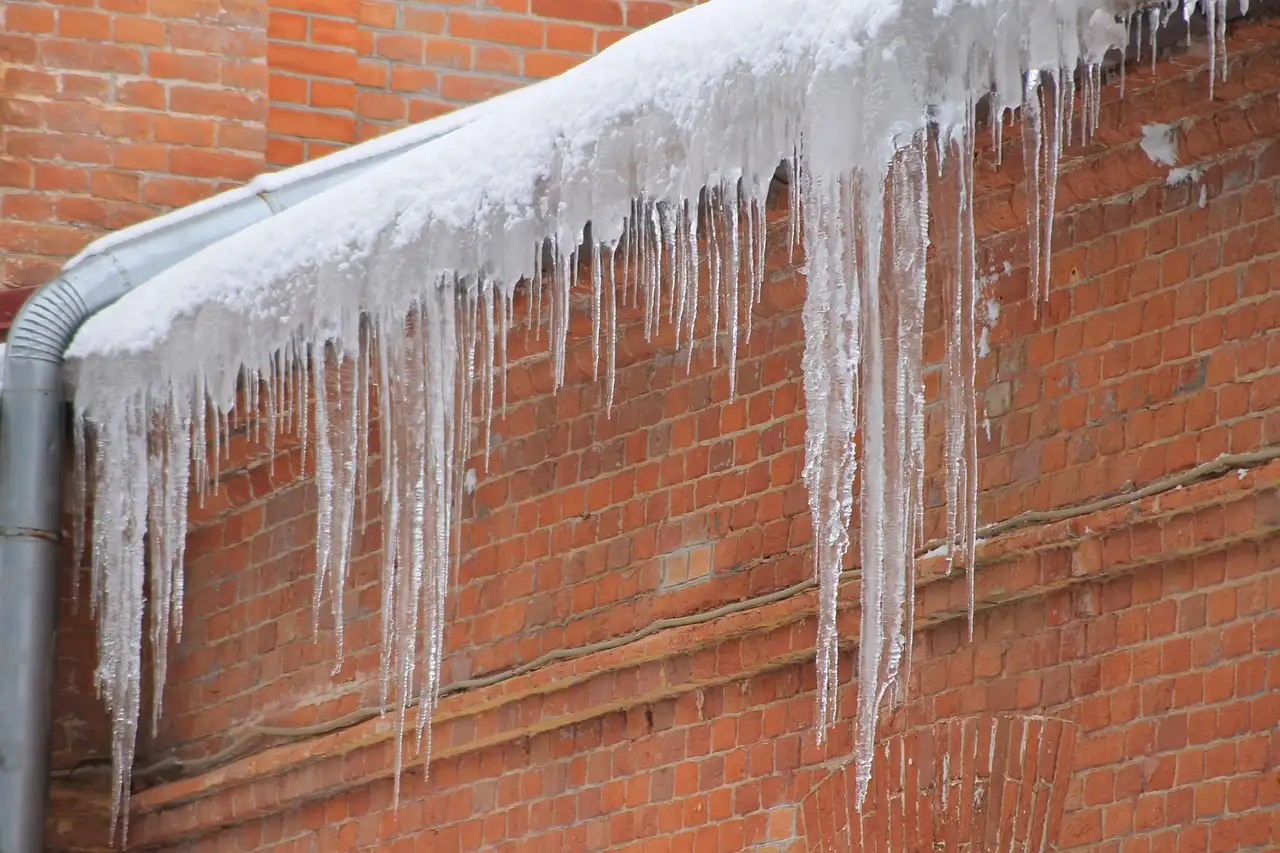
Work from the ground, use a roof rake for reachable edge ice, and remove only loose snow and hanging icicles in sections. Keep sharp tools off the roof. Pull material down gently instead of prying at shingles, because that is where cracked tabs and torn flashing begin.
- Clear the fall zone before you touch the roof.
- Stand on level ground and pull from the roof edge with a roof rake.
- Work in short sections so you are not dragging across shingles for long stretches.
- Leave bonded ice, steep slopes, and anything beyond easy reach alone.
- Check that gutters and downspouts still drain after the loose snow comes down.
Travelers advises roof rakes for sloped roofs and says to stay on the ground while pulling snow down. It also warns against ice picks and sharp tools for rooftop snow clearing. That advice applies here too. A roof rake reduces the need to step onto icy roof surfaces.
How far to go with DIY removal
Use DIY only for reachable roof-edge snow and loose icicles. Once you are tempted to climb, lean too far from a ladder, or chip at stuck ice, you are past the safe line. A common first-timer mistake is chasing a hanging icicle higher and higher until the work becomes ladder work instead of ground work.
Should you call a pro for ice dams?
Yes, if the buildup is thick, the roof is steep, the ice is beyond ground reach, or water is already entering the house. Ice dams can back water up under shingles and lead to leaks or mold growth. Steam removal is the preferred pro method for full ice dam removal because it melts the dam without chipping shingles.
What to mention when you call
- Say whether water is entering the attic, ceiling, or wall.
- Describe the roof pitch and whether the icicles hang over an entry, driveway, or power line.
- Note whether gutters are sagging, split, or frozen solid.
- Ask whether the company uses low-pressure steam for ice dam removal.
Say your two-story home has icicles over a front walkway and water spots on the bedroom ceiling. That combination points away from cosmetic icicles and toward a drainage failure that should not wait for warmer weather.
Icicle removal decision matrix
| Situation | Safe homeowner action | Do-not-do warning | Call a pro status |
|---|---|---|---|
| Small decorative icicles | Leave them if they are away from people and cars; monitor after each thaw-freeze cycle. | Do not climb up just to remove a cosmetic edge. | Usually no, unless they keep growing into a drainage problem. |
| Icicles over a walkway | Block the walkway, move people out of the fall zone, and remove only what you can reach from the ground. | Do not stand underneath to knock them loose. | Yes, if the icicles are high, dense, or repeatedly reform after removal. |
| Icicles attached to clogged gutters | Clear the area, then inspect gutters and downspouts for frozen blocks or sagging. | Do not chip at the gutter with a hammer or ice pick. | Yes, if the gutter has pulled away, split seams, or visible deformation. |
| Icicles with interior leaks | Protect the interior, document the leak location, and call for roof or ice dam service. | Do not keep removing ice while water is entering the home. | Yes, immediately. |
Common mistakes
Using a hammer, hatchet, or ice pick can crack shingles and dent gutters. Travelers warns against sharp tools, and Roof Gutter Now also warns against hammering or chopping ice because it can crack shingles. The safer choice is to leave bonded ice in place until a pro can remove it or until it loosens naturally.
Another mistake is treating calcium chloride like a permanent fix. Roof-safe calcium chloride in a fabric sleeve or sock can melt a vertical channel through an ice dam, which may help water drain for the moment. It is temporary relief, not a full repair, and it is not the same as rock salt.
People also forget to inspect the gutter system after the ice is gone. Look for pulled fasteners, split seams, sagging runs, frozen downspout blocks, and sections that now slope the wrong way. Those failures can keep water trapped at the roof edge.
If that didn’t work, try this next
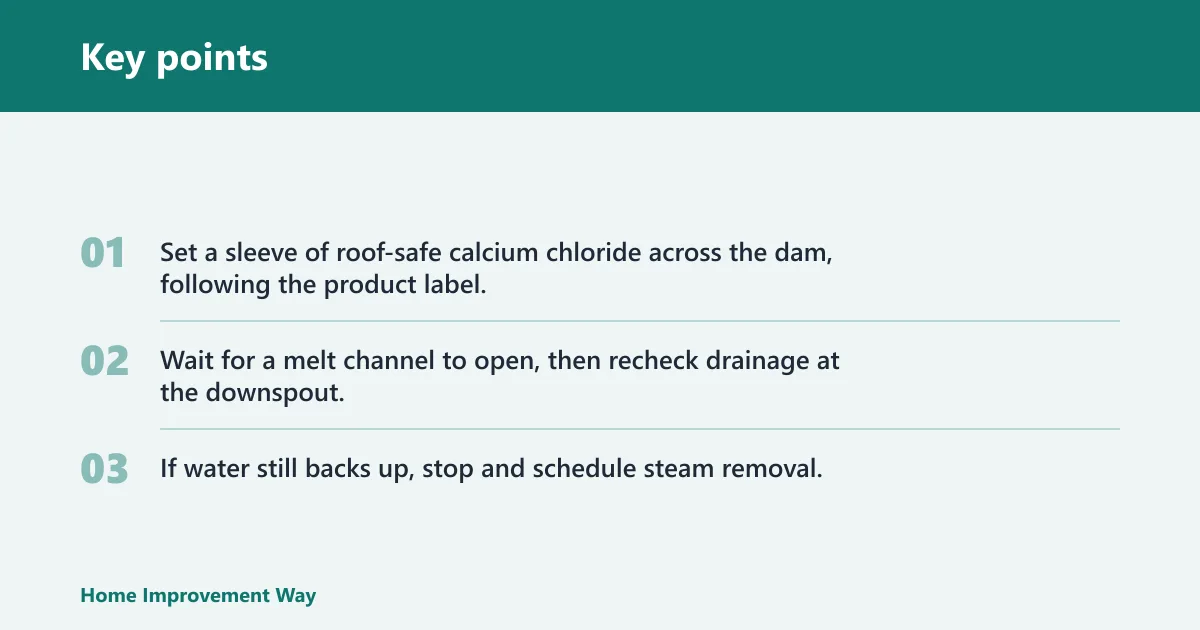
- Set a sleeve of roof-safe calcium chloride across the dam, following the product label.
- Wait for a melt channel to open, then recheck drainage at the downspout.
- If water still backs up, stop and schedule steam removal.
Roof Gutter Now recommends roof-safe calcium chloride, not rock salt, for ice dam melt channels. It also says low-pressure steam is the best and safest way to remove ice dams. Use the product only as a bridge to drainage, not as a fix for the roof system.
How do you stop icicles from coming back?
Clear gutters and downspouts, then address the heat loss that is melting snow at the roof edge. Recurring icicles often mean the roof edge is staying too warm. Air sealing, attic insulation, and attic ventilation work together to help keep the roof deck colder and reduce melt-refreeze cycles.
What to fix after removal
- Clean gutters so meltwater has a path out.
- Clear downspouts so frozen blocks do not trap water at the eaves.
- Add or correct attic insulation to limit heat escaping through the roof deck.
- Improve attic ventilation with soffit vents or vent baffles where appropriate.
- Seal attic air leaks around fixtures, chases, and penetrations before the next freeze.
Picture a single-story home where the front gutter keeps icing up above the porch. If the gutter is clear but the icicles return after every snow, the likely issue is attic heat loss plus weak ventilation, not a one-time roof-edge blockage.
Frequently asked questions
Should I remove icicles from gutters myself or call a pro?
Remove only what you can reach safely from the ground. Call a pro if the gutter is high, frozen solid, sagging, split, or hanging over a walkway or parked car. If water is already getting inside, skip DIY and ask for steam-based ice dam removal or roof inspection.
What tools are safe for getting icicles off a roof edge?
A long-handled roof rake is the main safe tool for ground-level removal. Use fabric sleeves or socks filled with roof-safe calcium chloride for a temporary melt channel if needed. Avoid sharp tools, striking tools, and anything that requires you to climb onto icy surfaces.
Can I chip icicles off my gutters with a hammer or ice pick?
No. Chipping can crack shingles, dent gutters, and break fasteners loose. It can also send chunks of ice in an unpredictable direction. If the ice is attached tightly, leave it alone and either use roof-safe calcium chloride as a temporary step or call for professional steam removal.
Do icicles mean I have an ice dam problem?
Not always. Small icicles can be cosmetic, especially if they hang away from traffic areas and there is no indoor leak. But repeated icicles at the same roof edge, gutters that freeze solid, or any sign of water inside the house strongly suggest an ice dam or drainage problem.
Will salt or calcium chloride melt icicles on my roof?
Calcium chloride can help open melt channels in an ice dam when placed in a fabric sleeve or sock. Rock salt is not the same product and is not the preferred roof-safe choice. Neither one is a permanent fix, and harsh chemicals should be avoided on the roof when possible.
Sponsored / affiliate links. As an Amazon Associate I earn from qualifying purchases. I may earn additional commission from eligible campaigns.