What Causes Ice Dams on a Roof?
Ice dams on a roof form when heat loss warms the roof deck enough to melt snow, then the runoff refreezes at colder eaves; if you see recurring dams, the first suspect is insulation or air leaks, not the shingles. Left alone, they can force water under roofing, stain ceilings, rot wood, and drive repair costs up fast. This guide explains the causes, how roof shape and drainage affect them, and what to check first before you call a pro.
What an ice dam
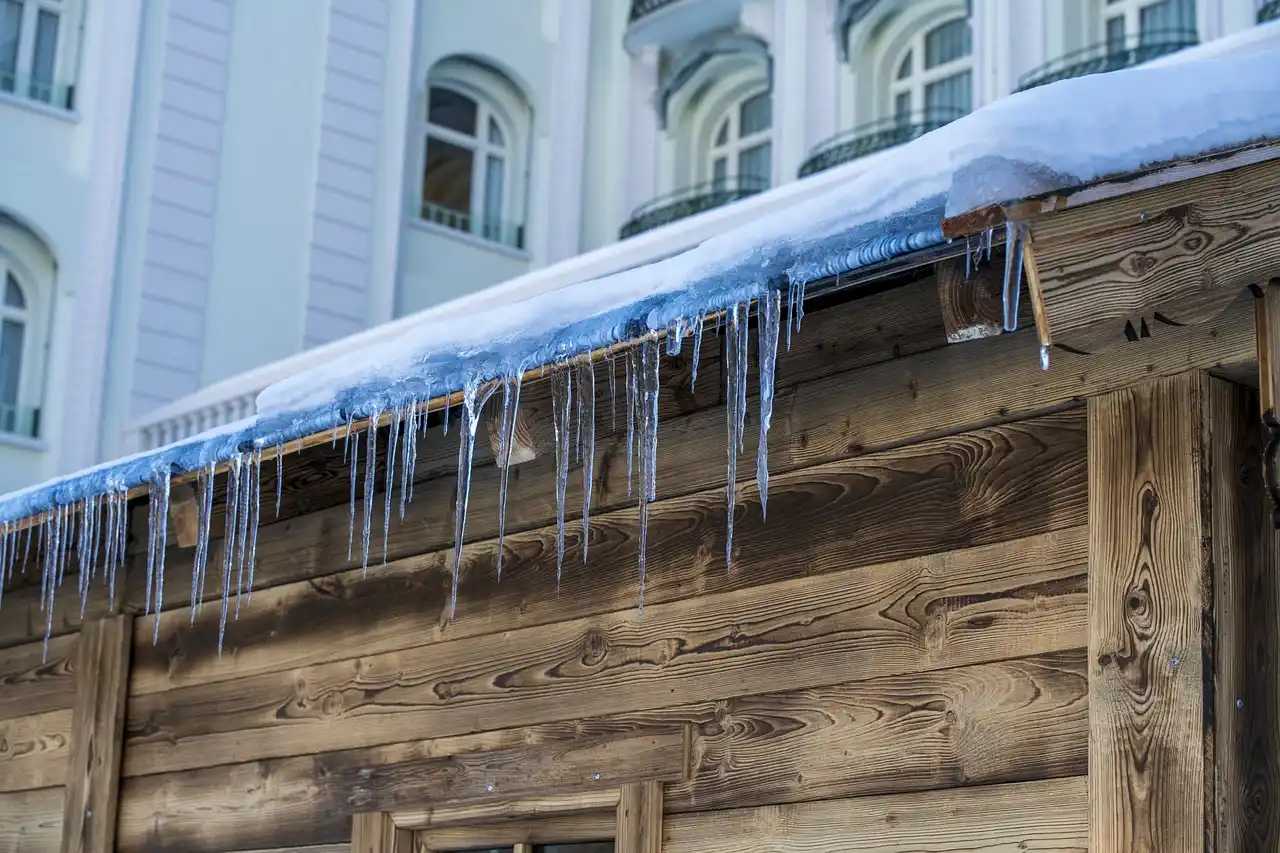
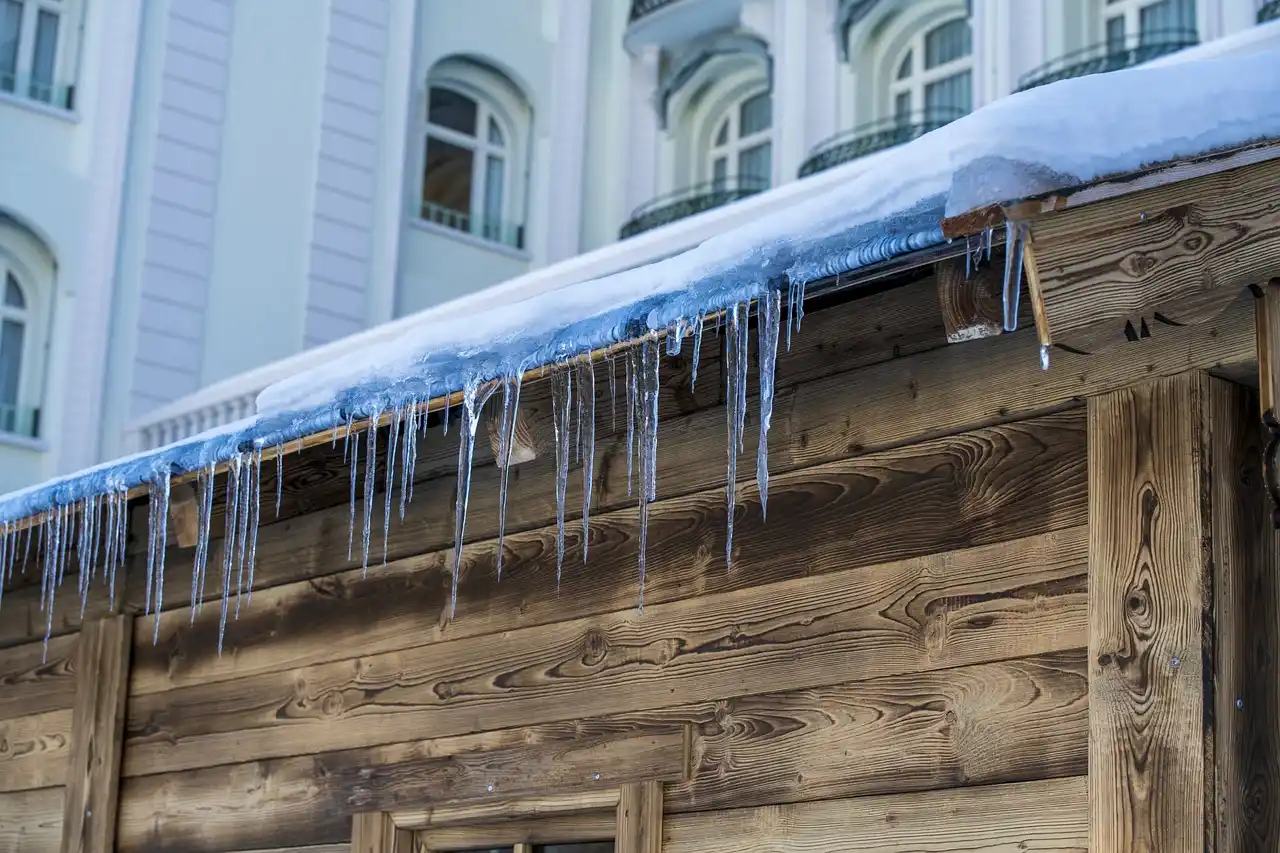
An ice dam is a ridge of ice at the roof edge, usually formed when snow melts on warmer upper roof areas and refreezes at colder eaves. It usually shows up near eaves, valleys, and other cold edges because those are the first places where meltwater hits freezing temperatures.
How snow turns into a ridge at the eaves
Snowpack on the roof supplies the water. Heat loss from the house warms the roof deck enough to melt part of that snow, the liquid water runs downward, and the eaves cool it fast enough to freeze again. Each melt-and-freeze cycle adds more ice, so the ridge grows outward and upward.
Why refreezing starts at the cold roof edge
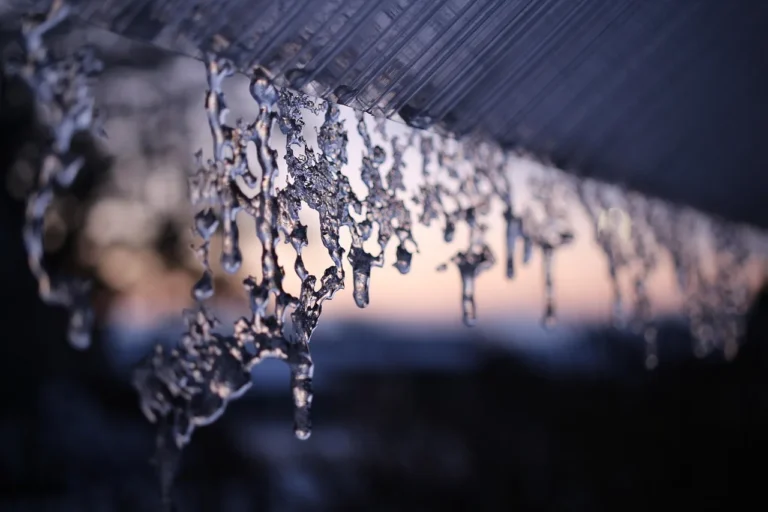
Eaves and overhangs are often the coldest part of the roof in winter because they extend beyond the heated wall line and receive less warmth from the house. That temperature difference is why icicles often form there first. The ice is a symptom of heat loss above it, not the root cause.
Roof heat loss is the real driver
Roof heat loss is the main driver of snowmelt on the upper roof. Warm air leaks into the attic, thin or uneven insulation lets heat reach the roof deck, and those warm spots melt snow while colder sections stay frozen. That uneven roof-surface temperature is what creates the problem.
Warm air leaks and thin insulation create melt zones
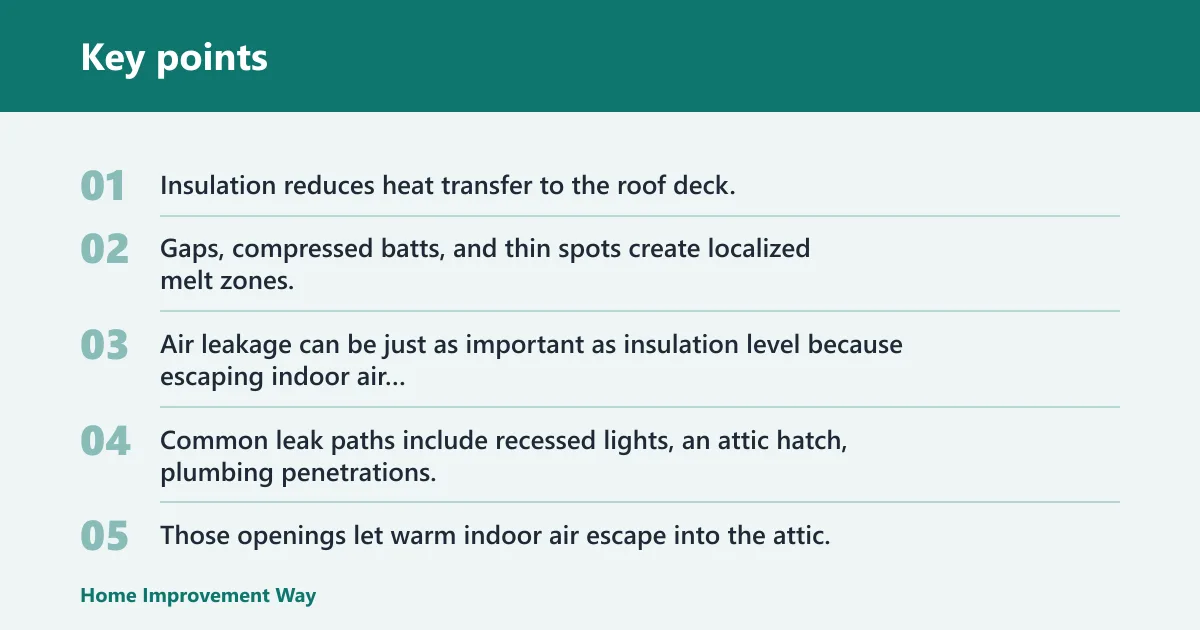
Insulation reduces heat transfer to the roof deck, but it only works when it is continuous and properly installed. Gaps, compressed batts, and thin spots create localized melt zones. Air leakage can be just as important as insulation level because escaping indoor air carries heat and moisture into the attic.
Where air leaks usually start
Common leak paths include recessed lights, an attic hatch, plumbing penetrations, wire holes, top plates, and unsealed chases. Those openings let warm indoor air escape into the attic, where it heats the underside of the roof. Air sealing matters before adding more insulation, because new insulation over a leak only slows heat loss; it does not stop it.
Why insulation and air leakage are separate failure modes
You can have enough insulation on paper and still get ice dams if the attic leaks air. You can also have few obvious air leaks and still get dams if insulation is thin, missing, or badly installed. Diagnosis works better when you check both, instead of treating them as one problem.
Does attic insulation help prevent ice dams?
Yes, attic insulation helps prevent ice dams when it is deep enough, continuous, and installed without gaps. It keeps attic temperatures closer to outdoor temperatures and reduces heat transfer to the roof deck. If the insulation is patchy or compressed, it can leave warm streaks that melt snow unevenly.
What continuous coverage should do
A proper insulation layer should cover the attic floor from wall to wall without thin spots around framing, fixtures, or storage areas. Around the attic perimeter, insulation must not block soffit vents. If the insulation stops short at the eaves, the roof edge can stay cold while the roof above it runs warm.
Common gaps and thin spots that cause localized melt
Look for bare framing bays, disturbed insulation around the hatch, insulation pulled back from attic access points, and flattened areas near walkways or storage. These spots create heat leaks that show up as ridges, icicles, or repeat melting in the same roof zone.
Does attic ventilation prevent ice dams?
Attic ventilation helps, but it is not the first fix if the attic is losing heat. Balanced soffit and ridge or other matched venting can keep attic temperatures closer to outdoor temperatures and help remove residual moisture. It works best after air sealing and insulation are addressed.
What balanced venting can do
Ventilation helps dilute warm attic air that slips past the ceiling plane and reduces moisture buildup. In practice, that means soffit intake and upper exhaust need to work together. If one side is blocked or undersized, airflow drops and the attic can stay warmer than it should.
Why ventilation does not fix the root cause by itself
Ventilation cannot fully offset major air leakage or missing insulation. If warm indoor air is pouring into the attic, vents may move some of it out, but the roof deck can still stay warm enough to melt snow. That is why air sealing comes first, then insulation, then ventilation checks.
Ice dam troubleshooting table
This table helps separate roof heat loss, drainage issues, and roof-shape problems. Start with the symptom you see, then check the most likely cause before you spend money on repairs.
| Symptom | Likely cause | First check |
|---|---|---|
| Icicles only | Heat loss at the roof edge or minor refreezing at the eaves | Look in the attic above that edge for thin insulation or air leaks |
| Ridge-to-eave melt pattern | Warm roof deck above a colder eave | Check attic temperature, insulation coverage, and attic bypasses |
| Leaks at interior walls | Water backing up under shingles and entering near the wall line | Inspect the attic side of the wall top plate and roof sheathing staining |
| Repeated dams on one roof side | North-facing shade, wind drift, or uneven attic heat loss | Compare insulation and venting on both sides of the attic |
| Dams despite clean gutters | Roof heat loss is still melting snow; gutters are not the root cause | Check for ice at the eaves and frozen downspouts, not just gutter debris |
Why roof shape and snow patterns matter
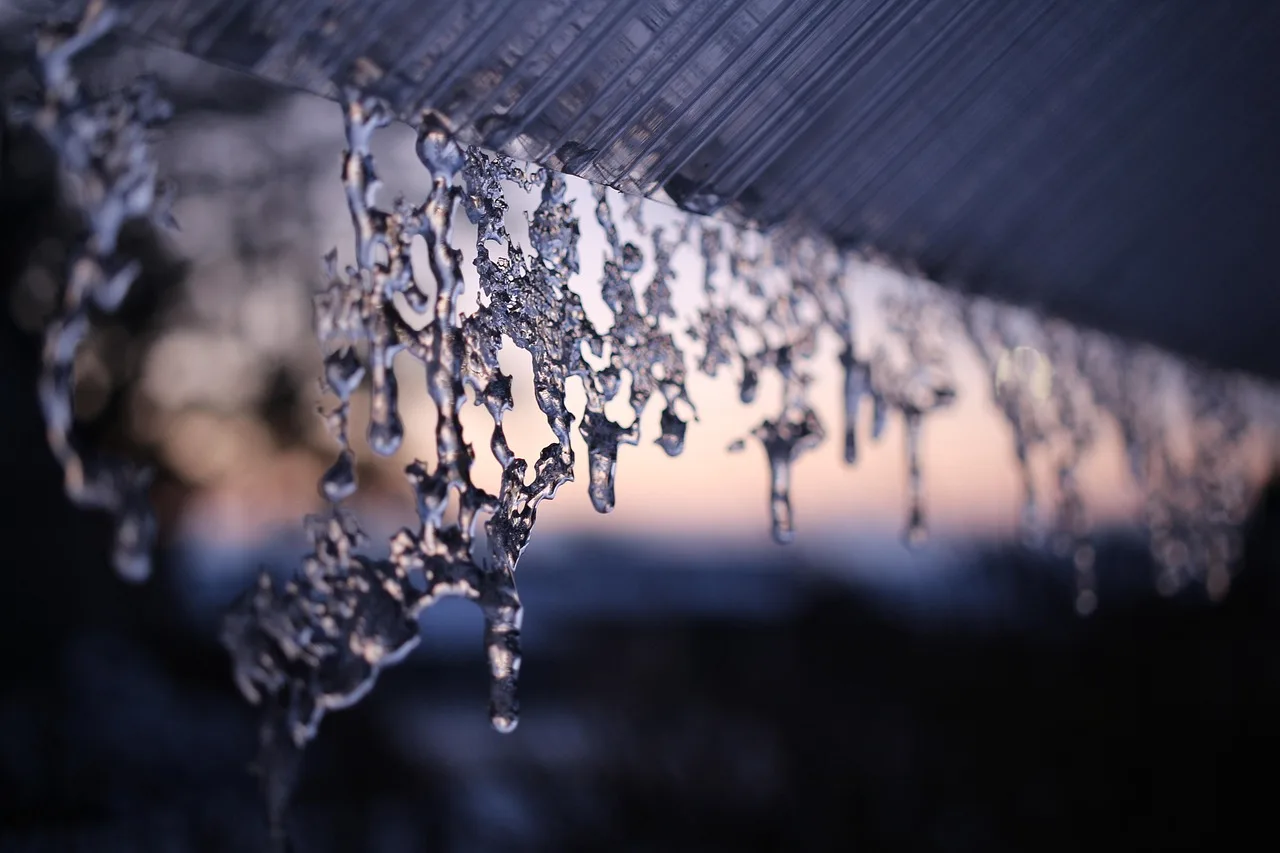
Roof pitch and geometry change how ice dams develop. Sloped roofs can still develop ice dams, especially on complex rooflines with valleys, dormers, and shaded sections. North-facing or shaded areas can stay colder, while adjacent warmer planes shed meltwater toward the same weak spot.
Valleys, dormers, and complex rooflines
Valleys collect runoff from multiple roof planes, so they move more water to one narrow path. Dormers create transitions in roof temperature and snow depth. A complex roofline often has short runs, intersecting planes, and uneven drainage, which increases the chance of a repeat dam in one area.
Deep snow and wind-drifted buildup
Roof snowpack is the water source for ice dams. Deep snow insulates the roof and can melt faster over warm areas, while wind-drifted snow creates localized buildup that feeds one section of the roof more heavily than another. More snow means more meltwater available to refreeze at the eaves.
Say your 2-story home has a long south-facing roof and a short north-facing dormer. The south side sheds snow faster because it gets more sun, but the dormer area stays shaded and colder. That difference can concentrate meltwater into the valley and form a dam there even if the rest of the roof looks fine.
Why clean gutters may not help
Gutters and downspouts can worsen backup at the eaves, but they do not cause the underlying melt. Ice dams can form even with clean gutters if heat loss is warming the roof above. Frozen downspouts trap meltwater and can make the backup worse, which is why drainage still matters.
What ice and water shield does and does not do
Ice and water shield is a backup barrier beneath shingles at leak-prone edges and valleys. It can limit interior damage if water backs up under the roofing, but it does not stop the roof deck from melting snow. It is a safety layer, not a fix for heat loss.
- Check for attic air leaks first: hatch, recessed lights, plumbing penetrations, wiring holes, and top plates.
- Check insulation coverage next: look for thin spots, gaps, compressed areas, and missing coverage near the eaves.
- Inspect ventilation after that: make sure soffit vents are open and upper exhaust is balanced.
- Look at roof geometry: valleys, dormers, shaded slopes, and north-facing sections often show the problem first.
- Then inspect drainage: gutters, downspouts, and frozen outlets can worsen backup at the eaves.
Suppose a basement ceiling stain appears below an exterior wall after a thaw, and the attic above that wall shows damp sheathing near a recessed light. That pattern points first to air leakage and insulation gaps, not to a shingle defect. The shingle layer is usually the last place to look.
How do you stop ice dams on your roof?
Stop the heat source first. Seal attic bypasses, correct insulation gaps, and verify balanced ventilation before you rely on gutter work or roof repairs. If snow is already deep, remove it from the roof carefully and clear the eaves to reduce the water supply while you address the cause.
What to do first, and what to leave for later
Start with the attic because that is where the heat loss begins. Then check the roof edge and drainage path. If leaks are already present, a roofer should inspect the affected edges, valleys, and underlayment, because water may already be working under the shingles.
When to call an insulator, a roofer, or both
Call an insulator or air-sealing contractor when the attic shows thin insulation, open bypasses, or obvious leakage paths. Call a roofer when you see ceiling leaks, damaged shingles, lifted flashing, or repeated dams despite a corrected attic. If both attic problems and roof damage are present, both trades may be needed.
When is an ice dam a roof repair emergency?
It is generally urgent when water is entering the house, ceilings are sagging, drywall is staining quickly, or water is near electrical fixtures. A dam that is forcing meltwater behind shingles can damage framing and insulation fast, so active leaks should get prompt roof inspection and interior protection.
Do not wait for the next thaw if water is already inside. Contain the leak, document the damage, and get the roof edge checked. If the dam is large and the roof is steep or unsafe to access, leave removal to a qualified pro.
Frequently asked questions
What causes ice dams on a roof?
Ice dams on a roof are caused by roof heat loss that melts snow higher up, then refreezing at colder eaves. The main drivers are warm air leaks into the attic, insufficient or uneven insulation, and roof areas that stay colder than the upper roof deck.
What causes ice dams on a house roof?
House roofs develop ice dams for the same reason as any other roof: heat loss warms the roof deck enough to melt snow, and the runoff freezes at the edge. House-specific risk rises with complex rooflines, valleys, dormers, and attic bypasses that concentrate heat loss in one area.
What causes ice damming on a sloped roof?
A sloped roof can still ice-dam when snow melts on a warmer upper section and refreezes at the lower edge. Pitch alone does not prevent it. If the attic is leaking heat, or if valleys and dormers create uneven snow and drainage patterns, the slope can still dam.
Can clogged gutters cause ice dams?
Clogged gutters can worsen water backup, especially if downspouts freeze, but they are not the root cause of most ice dams. The dam usually starts because the roof above is warm enough to melt snow. Clean gutters help drainage, yet they do not fix heat loss.
Why do ice dams cause leaks inside the house?
Ice dams force meltwater to back up under shingles and flashing. Once water reaches a seam, nail hole, or roof edge, it can enter the sheathing and run into walls or ceilings. That is why leaks often show up at interior walls, not just below the visible ice.
Sponsored / affiliate links. As an Amazon Associate I earn from qualifying purchases. I may earn additional commission from eligible campaigns.