At What Temperature Does Ice Melt Stop Working?
Rock salt tends to become much less effective below about 20°F and may work too slowly to matter on packed ice at around 5°F. Missing that cutoff wastes product, leaves slick spots, and can delay safe walking. This guide shows which de-icer to use at each temperature band and when to switch to traction materials instead.
What temperature stops rock salt?
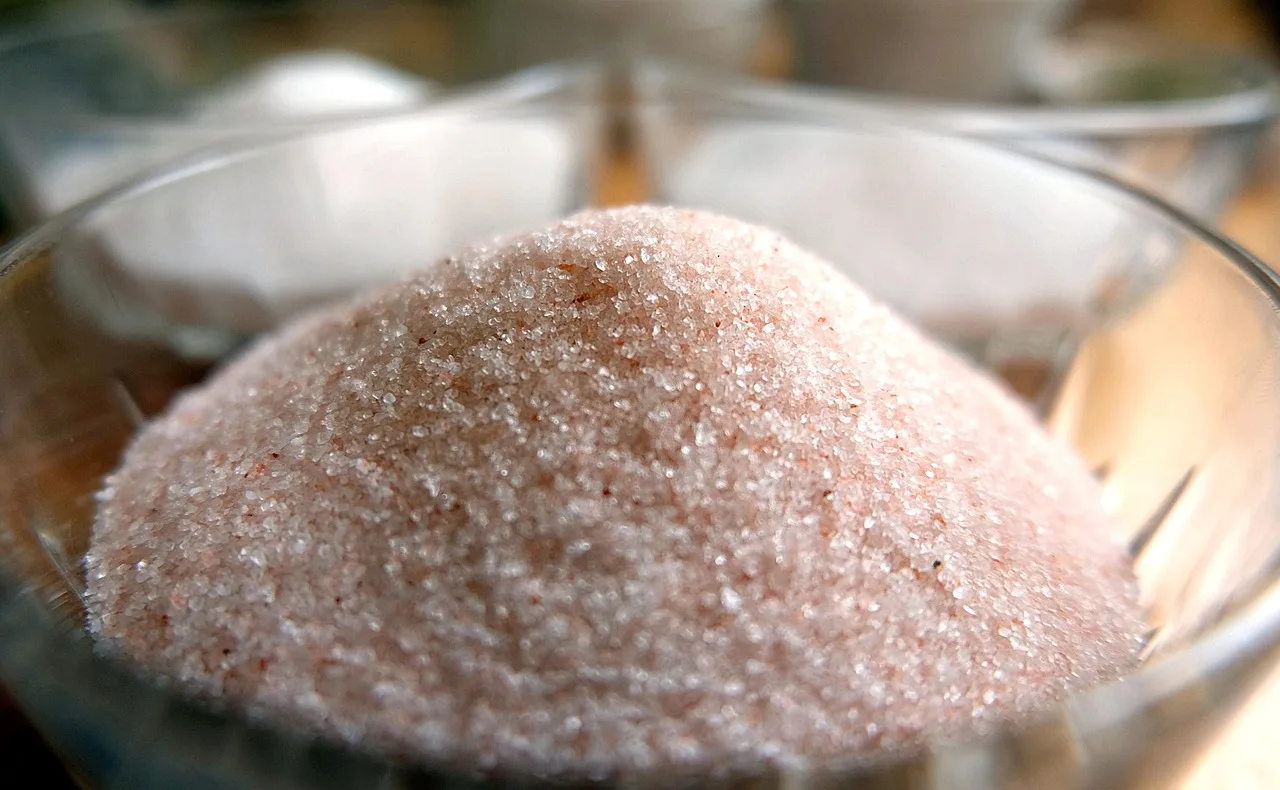


For homeowners, sodium chloride does not stop at one exact temperature. Its practical working range is roughly 0°F to 15°F on real pavement, while lab data place the eutectic point near -6°F and a sodium-chloride brine freezing point near 15°F. Below that, performance falls off fast. (Minnesota DOT, Ohio State University Extension, Morton Salt technical data)
Why the cutoff is not one number
Rock salt is sodium chloride, the same mineral form called halite. It does not have a single on-off temperature because performance depends on how much liquid water is already present, how much ice is bonded down, and how fast the meltwater can spread across the surface. (USGS, Minnesota DOT)
That is why some guidance says salt lowers the freezing point to about 15°F, while other field guidance puts the working band around 0°F to 15°F. Those are not contradictions. One number gives a lab limit; the other describes what usually happens on real pavement. (Ohio State University Extension, Minnesota DOT)
Where dry pavement changes the answer
Dry, bitter-cold pavement can make salt look like it failed when the problem is moisture, not product. Sodium chloride works best when there is liquid water present, because it must first form brine before it can keep ice from bonding or start loosening what is already there. (Minnesota DOT, U.S. DOT FHWA)
Say your driveway is dry but shaded, and the surface sits below 5°F after sunset. Spreading rock salt on top of that dry surface often leaves crystals sitting there until enough moisture appears. On a sunny patch, the same application may start working sooner because the surface film is liquid.
Surface temperature beats the forecast
Air temperature is not the main decision point. The pavement, bridge deck, front steps, and even a shaded strip beside a garage can be colder than the forecast air. Surface temperature tells you whether salt can make brine quickly enough to matter.
Why pavement, steps, and bridges differ from air temperature
Concrete and asphalt can lose heat faster than the air, especially in wind and shade. Bridge decks cool from above and below, so they often freeze first. Frost-prone steps and north-facing walkways can also stay colder than nearby driveways, which is why one spot stays slick while the rest of the property looks fine.
Shade, wind, and refreeze effects
Wind can dry out crystals before they start dissolving, and shade keeps surfaces colder for longer. Refreeze matters too. If meltwater runs off and then freezes again in a low spot, salt may have already done its job once, but the surface can still turn slick when the water flashes back to ice.
A common first-timer mistake is assuming a shaded thermometer reading alone tells you when the ice has stopped melting while the ice is still sitting in direct sun. The forecast may say 18°F, yet a north-facing step can be colder and stay icy longer. In that case, the step is the problem surface, not the whole yard.
Ice melt temperature table
| Surface temperature | Rock salt outcome | Calcium chloride outcome | Magnesium chloride outcome | Why it failed: dry pavement, shade, or refreeze | Homeowner action |
|---|---|---|---|---|---|
| 32°F to 20°F | Usually works well if the surface has moisture; best for de-icing thin snow or early glaze. Practical working range for sodium chloride starts here. (Minnesota DOT, Ohio State University Extension) | Works easily and is typically more than enough for this band. (Caldwell, Idaho, public works guidance; manufacturer technical data) | Works well and is often used in blends. (manufacturer technical data) | Dry pavement can slow brine formation; shade can keep the surface colder than air; refreeze can undo melting in low spots. | Shovel first, then apply a light, even spread. |
| 19°F to 15°F | Can work, but slows noticeably and may leave bonded patches. This is near the practical edge for many homeowners. (Ohio State University Extension, Minnesota DOT) | Works better than rock salt in colder weather and is still a strong melting choice. (manufacturer technical data) | Often a good middle-ground choice when rock salt slows down. (manufacturer technical data) | Shade and wind can keep crystals from dissolving fast enough; refreeze is common on steps and shaded landings. | Use the least product that clears the walking path; recheck problem edges. |
| 14°F to 5°F | Often too slow for packed ice or shaded pavement. Real-world performance is declining quickly even if some brine can still form. (Minnesota DOT, Ohio State University Extension) | More dependable, especially on problem spots. Calcium chloride remains effective at lower temperatures than sodium chloride. (manufacturer technical data) | Still useful, though usually less aggressive than calcium chloride in deep cold. (manufacturer technical data) | Dry pavement makes crystals sit idle; shade delays warming; refreeze can happen before the meltwater spreads. | Switch to calcium chloride or use sand for traction where melting is not worth the wait. |
| 4°F to -10°F | Usually fails to do meaningful work on bonded ice. Lab chemistry may still allow some brine, but the practical result is often too slow. (Minnesota DOT, Morton Salt technical data) | Still the better melting choice, though performance drops as temperatures fall. Calcium chloride is designed for colder conditions. (manufacturer technical data) | May work in some blends, but the practical margin is narrower in this band than with calcium chloride. (manufacturer technical data) | Shade and refreeze are common failures here; dry pavement often prevents the brine from forming quickly enough. | Shovel and scrape first, then use traction material. Save melt product for spots that can actually respond. |
| Below -10°F | Generally impractical for de-icing. The surface is usually too cold for quick, useful melting. (Minnesota DOT) | Best melting option among the three, but even calcium chloride may work slowly or incompletely on hard-packed ice. (manufacturer technical data) | Usually not the best choice if melting is the goal; traction is often safer. (manufacturer technical data) | Dry pavement and deep shade leave little liquid water to start; refreeze is likely once any meltwater moves. | Use sand or another traction-only fallback and focus on safe walking first. |
Why it failed on dry pavement: there was little liquid water to start brine formation, so crystals sat on the surface instead of dissolving.
Why it failed on shaded pavement: the surface stayed colder than nearby sunlit areas, so the melt rate was too slow to spread before refreeze.
Why it failed during refreeze: meltwater drained into a colder spot and froze again, so the surface looked treated but stayed slick.
Why salt needs moisture
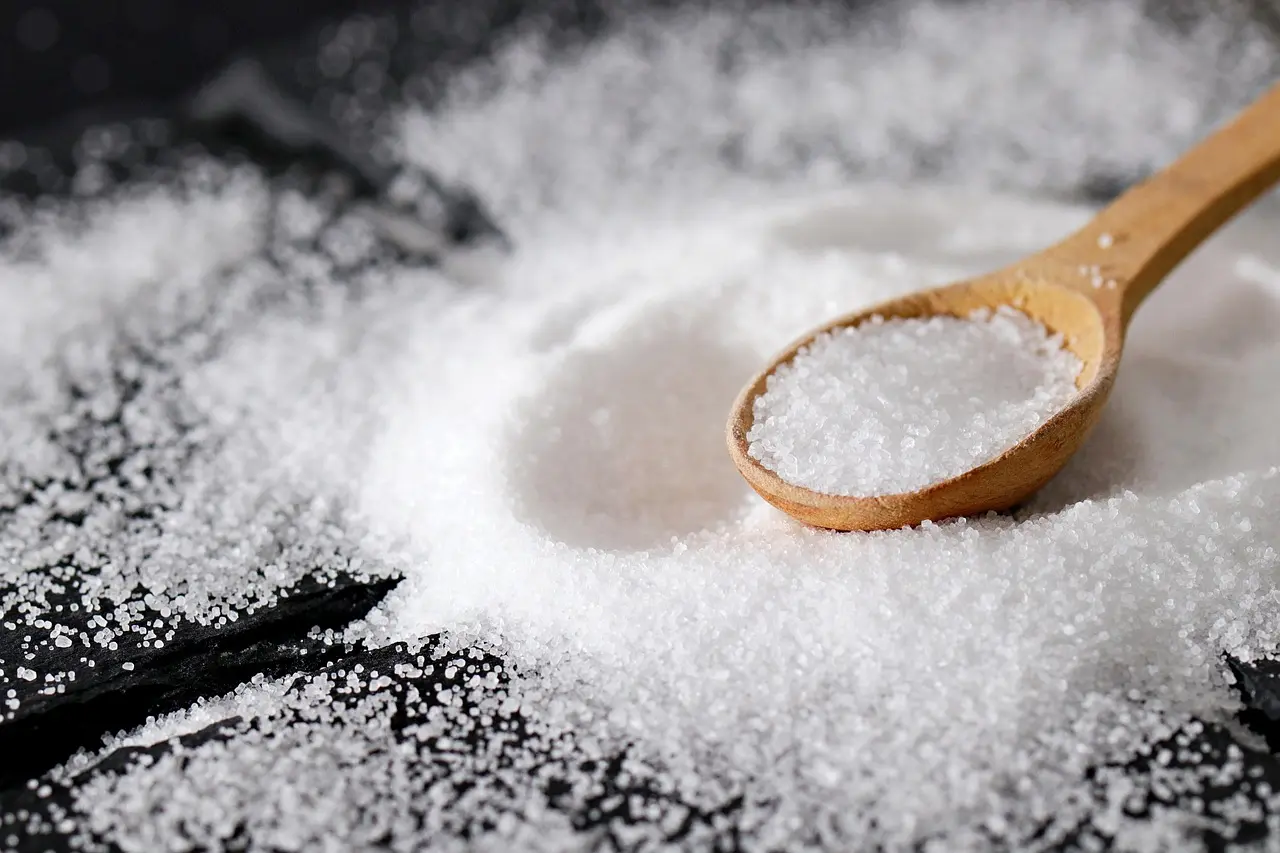
Salt does not melt ice by generating heat. It works by dissolving into water and lowering the freezing point. If there is no liquid water film, the process starts slowly or not at all. That is why a light pre-wetting step can help salt begin working sooner.
How sodium chloride makes brine
Brine is salt water. A common anti-icing brine is about 23 percent salt in water, and it is already liquid. Because it is not waiting for a surface film to appear, it can be spread before a storm and start working as soon as moisture arrives. (Minnesota DOT, Ohio State University Extension)
Dry rock salt must first dissolve into a thin layer of water on the surface. Once that brine forms, it can keep snow or ice from bonding as strongly. On packed ice, though, the process is slower because the surface has less accessible water to begin with.
Why anti-icing beats de-icing on known trouble spots
Anti-icing means treating a surface before snow or ice bonds. De-icing means treating after ice is already bonded. Anti-icing is usually faster and uses less product on bridges, shaded corners, and other known freeze spots because the salt arrives before the bond forms.
Environment Canada guidance encourages better salt-management practices, including pre-wetting. That advice fits a homeowner workflow too: treat early on known trouble spots, then remove what you can with a shovel before adding anything else.
Does calcium chloride work colder?
Yes. calcium chloride vs. rock salt vs. magnesium chloride is the key comparison because calcium chloride works colder than rock salt and is the better choice when sodium chloride slows too much. Its lab eutectic point is about -51°F, and technical data commonly place practical use near -25°F to -29°F. (manufacturer technical data)
How calcium chloride differs from rock salt
Rock salt is the standard, lower-cost option for moderate winter conditions. Calcium chloride is used when the surface is colder and the goal is still to melt, not just add grip. It is usually the more dependable melting product for problem areas below the rock-salt range.
That does not mean calcium chloride is a cure-all. It still has limits, and the colder the surface gets, the slower any melt product works. But it holds up much better than sodium chloride when the thermometer drops well below 15°F.
Where magnesium chloride fits
Magnesium chloride sits between rock salt and calcium chloride. Its practical working range is colder than sodium chloride and generally milder than calcium chloride, with many technical sheets placing it around the low-teens down to about -10°F, depending on the blend and conditions. (manufacturer technical data)
Do not treat magnesium chloride as equal to calcium chloride in deep cold. For a homeowner deciding between the two, calcium chloride is the stronger pick when the surface is already in the colder range and melting still matters.
Anti-icing or de-icing?
Use anti-icing before a storm on bridges, steps, and known frost spots. Use de-icing after ice has already bonded, but expect it to be slower and less efficient. A thin liquid treatment before snowfall usually beats trying to break bonded ice later with dry crystals alone.
Before-storm treatment with brine
Brine is used before storms because it is already liquid. A roughly 23 percent salt solution can be sprayed in advance on known problem areas so snow is less likely to bond hard to the surface. That saves time and often reduces how much salt you need later. (Ohio State University Extension, Minnesota DOT)
After-bond treatment on ice already down
Once ice is bonded, you are de-icing. Shovel first, scrape where you can, then apply the right product for the surface temperature. If the surface is cold enough that rock salt is crawling, switching to calcium chloride or traction material is usually the better move.
More salt is not always better. Extra product can leave residue, raise corrosion risk on metal edges and fasteners, and add runoff that needs to be cleaned up later. Past a certain point, extra crystals do little for melting and mostly increase cost.
When sand is the better fallback
Sand does not melt ice. It adds traction only. When the surface is too cold for effective melting, sand is the safer fallback because it gives shoes and tires more grip without waiting on chemistry that is moving too slowly to matter.
Best uses on steps and steep walks
Use sand on steep front walks, icy steps, and short ramps where footing matters more than full melt-through. It is especially useful when the surface is below the working range for rock salt and you need safer walking right away.
How to combine sand with shoveling
- Shovel or scrape off loose snow first.
- Check whether the surface is dry, lightly wet, or already glazed with ice.
- Choose rock salt for moderate cold, calcium chloride for colder surfaces, or sand when melting is not worth the wait.
- Spread a light, even layer on the problem area.
- Recheck shaded edges, steps, and low spots after the surface changes.
Driveways vs steps vs ice-dam-prone areas: Driveways usually tolerate a slower melting product, but steps and landings need faster traction and safer footing. Ice-dam-prone areas and other known cold spots are better handled with pre-treatment or a stronger de-icer before the bond forms. For all three, remove snow first and match the product to the coldest surface, not the warmest one.
For example, a front walk about 12 feet long may have a thin ice film at around 8°F. Rock salt may sit there too long to help before refreeze. A light pass with sand gives immediate traction, while calcium chloride is the better melting choice if you need the ice to loosen rather than just reduce slip.
Frequently asked questions
At what temperature does ice melt stop working?
For rock salt, usefulness drops sharply below about 15°F and becomes very limited by 5°F on packed ice. It does not fail at one exact number. Surface temperature, moisture, and whether the ice is already bonded all change the result.
At what temperature does ice melt salt stop working?
Salt starts to lose practical value once the surface falls below the mid-teens in °F. A published working band for untreated rock salt is roughly 0°F to 15°F, and ordinary sodium chloride becomes a poor bet around 0°F to -9°F on real surfaces. (Minnesota DOT, Ohio State University Extension)
At what temperature does ice not melt with salt?
Ice often will not melt fast enough with rock salt when the surface is below 5°F, especially on dry, shaded, or packed areas. In that range, the product may still work in a technical sense, but the delay can be too long to matter for safety.
Does ice melt go bad?
Yes, in storage it can clump, absorb moisture, or cake into hard chunks. That does not mean the chemistry is ruined, but it can spread unevenly and perform poorly. Keep it sealed and dry so you can apply a thin, even layer when needed.
Is there a difference between rock salt and calcium chloride in cold weather?
Yes. Rock salt is sodium chloride and is the cheaper, warmer-weather option. Calcium chloride works at colder temperatures, releases heat when dissolving, and still has field usefulness near -25°F to -29°F. It is the better pick when the surface is too cold for rock salt. (manufacturer technical data)
Why does salt stop working when the weather gets too cold?
Cold slows dissolution and limits the amount of liquid water available to form brine. Once the surface gets cold enough, crystals may sit on top instead of dissolving quickly. That is why the same product can work on one driveway and fail on a colder, shaded step.
Sponsored / affiliate links. As an Amazon Associate I earn from qualifying purchases. I may earn additional commission from eligible campaigns.
 YUCHENGTECH Ionizing Air Blower Static Eliminator Fan Desktop Ionizer Air Blower with Detachable Cord ESD Ionizer Electrostatic Discharge Fan 110V
 Key Finder with Up to 131ft Working Range in Open Space, Simjar Wireless Remote Control RF Key Finder Locator for Keys Wallet Phone Glasses Luggage Pet Tracker