Do Heated Gutter Cables Really Work?
Yes, heated gutter cables help keep water moving through gutters and downspouts, but they do not fix a roof ice dam; use them only when freezing is in the gutter or downspout, not the roof. If you misread the problem, you can waste power and still end up with leaks, sagging gutters, or ice backing under shingles. This guide shows how to tell gutter freezing, downspout freezing, and true ice-dam problems apart, and when heat cables make sense.
Heated gutter cables work decision table


| Symptom | Likely cause | Cable likely helps | Cable unlikely helps | Better first fix |
|---|---|---|---|---|
| Solid gutter ice | Gutter water is freezing before it can drain | Yes, if the gutter and outlet path are the problem | No, if the ice starts higher on the roof deck | Clear debris, add cable to the gutter run and outlet, check slope |
| Frozen downspout | Meltwater reaches the outlet but freezes in the vertical drop | Yes, especially with downspout heating | No, if the blockage is from packed debris above the outlet | Heat the downspout, clear the outlet, confirm a full drainage path |
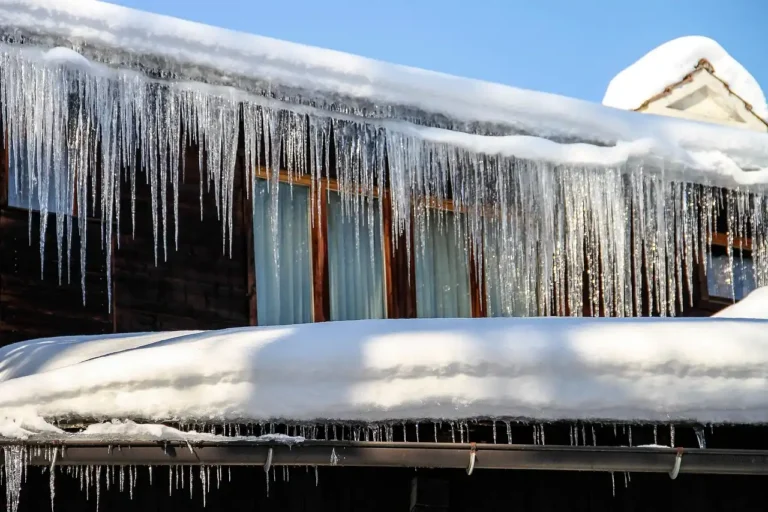
| Icicles at eaves | Water is reaching the edge and refreezing there | Sometimes, if the runoff path is the issue | No, if the icicles are a symptom of roof-assembly heat loss | Improve attic insulation, air sealing, and roof ventilation |
| Leaks under shingles | Ice dam is forcing water uphill under the shingles | Usually no | Yes, when the problem is in the roof assembly | Fix insulation, air sealing, ventilation, and roof details |
| Overflow at one downspout | That outlet or downspout is freezing or undersized for the flow | Yes, if the full outlet path is heated | No, if the gutter is pitched poorly or clogged | Clean the run, heat the outlet path, verify sizing and slope |
| Second ice ridge higher on roof | Heat loss is melting snow farther up the roof | No, not as a first fix | Yes, because the problem is above the gutter line | Air seal the attic, add insulation, improve ventilation |
| Debris-clogged gutter | Leaves, grit, or roof granules are blocking water flow | No, not until the gutter is clear | Yes, because the cable cannot move a blockage | Clean the gutter and outlet before adding heat cable |
| Sagging or poor-slope gutter | Standing water remains in the run and freezes | Only partly, and often poorly | Yes, because the gutter itself is failing | Repair hangers and slope before any cable install |
What heated gutter cables actually do
Heated gutter cables create a narrow drainage path through the gutter and downspout areas. That is their main job. They do not heat the whole roof or remove every bit of snow and ice, and a functional drainage path may stay narrow while surrounding ice remains visible.
That narrow-path behavior matters. Heat cable can work as a targeted winter-drainage tool, but it does not diagnose or correct every building cause of ice dams. It is most useful for repeat gutter icing, frozen outlets, and downspouts that keep plugging in the same cold spots.
Gutter run and downspout coverage
Heated systems should be sized to the gutter run, outlet count, and downspout length. A short gutter with one outlet does not need the same layout as a long eave with two downspouts and a tall vertical run. If the cable stops short of the outlet or downspout, water can still freeze at the weak point.
That is why downspout heating matters. A gutter can be warm enough to melt runoff, then the water refreezes in the vertical pipe and blocks the whole path. For that reason, a full water path matters more than heating only the horizontal trough.
Controls and installation basics
Correct installation affects both performance and safety. Placement, controls, and electrical protection all matter. Outdoor heated cable systems should have GFCI protection, and the cable should be routed with care so it stays where meltwater actually flows.
Controls matter because a cable that runs too much, too little, or in the wrong weather will waste energy or underperform. Heated gutter systems work best when they are matched to the roof edge, gutter size, outlet count, and local freeze pattern.
Do heated gutter cables work?
Yes, when the problem is frozen drainage. Gutter heat cable can keep water moving through the gutter and downspout areas, and it may help reduce recurring gutter ice and frozen-downspout conditions. It is a drainage tool, though, not a roof repair.
When they are a good fit
They are a good fit when the same outlet or downspout freezes every winter, when icicles form mainly because the gutter freezes solid, or when runoff has a clear route except for one cold section. In those cases, the cable can keep the path open long enough for meltwater to leave the roof edge.
Picture a 24-foot eave with one downspout that freezes shut during cold snaps. If the attic is already dry and insulated well enough, a cable at the gutter and downspout may solve the drainage bottleneck without larger roof work.
When they fall short
They fall short when the real problem is above the gutter line. If you see leaks under shingles, a second ice ridge higher on the roof, or widespread eave ice after snow melts on the roof deck, the cable is not the first fix. Those symptoms point to heat loss, insulation gaps, or ventilation issues.
What results to expect
Expect a controlled drainage path, not a snow-melting machine. Heat tape may melt snow only a few inches from the cable, so surrounding ice can still stay in place. That is normal. The goal is runoff control, not a bare roof edge.
Are heated gutters worth it?
They are worth it when the problem repeats in the same gutter or downspout and the rest of the roof assembly is not the main issue. If the winter trouble is a clogged gutter, a frozen outlet, or a short section that repeatedly plugs, cable can be a practical fix. If the roof itself is driving the ice, spend the money elsewhere first.
Repeat icing patterns
The best sign is repetition. If the same downspout freezes every cold spell, or one section of gutter forms a solid ice plug while the rest stays open, heat cable may be a good fit. If the pattern changes every storm, the cause may be broader than the drainage path.
Roof type and gutter layout
Layout matters. More outlets, longer vertical drops, valleys that dump extra water, and roof edges with heavy snow sliding all raise the chance that a cable system needs careful sizing. A short run and a long downspout do not need the same setup.
A common first-timer mistake is putting cable only where ice is visible. If the outlet and downspout stay cold, the runoff can still back up at the lowest point and freeze there.
Seasonal electricity use
Electricity use depends on wattage, run length, and runtime. For example, a 5 watts per foot cable on a 100-foot run draws about 500 watts when on; run it for 10 hours and it uses about 5 kilowatt-hours. The actual seasonal bill depends on how often the control keeps the system on.
That is why long runs and long downspouts matter. More cable and more runtime mean more operating cost. If the real fix is attic air sealing or insulation, a one-time building repair can be the better spend than paying to heat the roof edge all winter.
How heated gutters and downspouts work
Roof heating cables are installed along roof edges, gutters, and downspouts. The system’s job is to keep a path open for melting water. It is not meant to melt every inch of snow or clear the whole roof.
Self-regulating heat cable
Self-regulating heat cables adjust heat based on temperature, and they are usually the better long-term choice. They are often chosen for long-term use because output changes with conditions instead of staying fixed all the time.
That changing output can help where weather swings are common. When temperatures rise and fall around freezing, the cable can respond without putting out full heat all day.
Constant wattage heat tape
Constant wattage cable puts out the same heat per foot whenever it is on. It can cost less upfront, but it can be a poorer fit if it is oversized or controlled poorly. A fixed-output cable can also be less efficient when the weather does not need full heat.
Frost King roof cable guidance estimates about 80 feet for every 20 feet of roof edge, which shows how important run length is when planning a system. Easy Heat ADKS cable is rated at 5 watts per foot on 120V, and the IceStop family spec works out to about 11 and 5.5 watts per foot. Those figures make output and layout easier to compare.
Why downspout heating matters
Downspout heating is part of the full water path. If the gutter drains but the downspout freezes, the system still fails. That is why the outlet, the vertical drop, and any elbows all need attention when the freeze point is below the roof edge.
Suppose a 30-foot gutter drains into a 10-foot downspout that always plugs at the elbow. Heating only the horizontal run may leave the problem untouched. Heating the outlet and downspout together is the better match.
Why ice dams form
Ice dams form when roof snow melts, runs to a colder eave, and refreezes. They can force water under shingles and lead to leaks. That is a roof-assembly problem first, not a gutter problem.
Heat loss from the attic
Warm air leaking from the home into the attic can warm the roof deck enough to melt snow above the eaves. The meltwater then travels to the colder edge and freezes. That cycle can repeat after every snow event.
Insulation and air sealing
Attic insulation is a major long-term fix for ice dams. Cold-climate guidance often points to around R-50 in northern regions. The U.S. Department of Energy also recommends air sealing and insulation to reduce ice dams.
Soffit and ridge ventilation
Roof ventilation should stay clear at soffit and ridge areas so the roof deck stays colder and the melt-refreeze cycle is reduced. Ventilation works with insulation and air sealing. If soffits are blocked or ridge vents are ineffective, the roof can stay too warm at the wrong time.
Ice and water shield matters too. If a roof is replaced, it is an important underlayment at the eaves because it adds a waterproof layer against ice-dam leaks. That protection does more for roof leaks than a gutter cable can.
Heated gutters and ice dam prevention
Heated gutter cables can help reduce runoff backups at the eave, but they do not prevent the roof conditions that create ice dams. They may keep meltwater moving off the edge, yet they do little if the attic is sending heat into the roof deck or the insulation is too thin.
What they can prevent
They can prevent a frozen outlet from stopping drainage, reduce gutter ice at the roof edge, and keep a narrow path open for meltwater. That can lower the chance of water sitting in the gutter long enough to freeze hard.
What they cannot prevent
They cannot stop a second ice ridge higher on the roof, fix leaks under shingles, or correct a warm attic. If the roof assembly is the cause, a cable may still leave the real problem in place.
Better first fixes for roof leaks
For roof leaks tied to ice dams, start with air sealing, attic insulation, and ventilation checks. If shingles are already damaged or water has backed under them, roof repair may be needed first. Heated gutters are a support tool, not the lead repair.
Frequently asked questions
Do gutter heating cables work?
Yes, but only for a narrow purpose. They help keep water moving through gutters and downspouts, especially where frozen drainage keeps returning. They do not melt the whole roof or solve the attic problems that create ice dams.
Do heated gutters prevent ice dams?
Not by themselves. They may reduce the water backup at the eave, but they do not fix the heat loss and ventilation issues that form the dam. Think of them as a drainage aid, not a cure.
How do heat cables work in gutters and downspouts?
They run along the gutter and sometimes into the downspout to keep a meltwater route open. Self-regulating cable changes output with temperature, while constant wattage cable stays fixed. The goal is to move water, not to eliminate all surrounding ice.
Do I need downspout heating too?
Often, yes. If the gutter stays open but the downspout freezes, drainage still stops. Heating the full water path is the safer bet when the vertical drop or elbow is the recurring freeze point.
Are self-regulating heat cables better than constant wattage?
Usually, yes for long-term use. Self-regulating cable adjusts heat based on temperature, which can make it a better fit for changing weather. Constant wattage can be cheaper upfront, but it is less forgiving if the layout or control setup is off.
Sponsored / affiliate links. As an Amazon Associate I earn from qualifying purchases. I may earn additional commission from eligible campaigns.