Should You Disconnect Downspout Extensions in Winter?
Keep downspout extensions attached in winter if they still carry meltwater away from the foundation; reroute them to a safe outlet if the ground stays frozen, and disconnect them only when water can drain onto a sloped, non-frozen area with no backflow risk. Done wrong, extensions can ice up, split, or send runoff back toward the foundation and basement. This guide explains how to decide between keeping, rerouting, or disconnecting them based on freeze risk and drainage path.
Evaluating downspout extension scenarios in winter
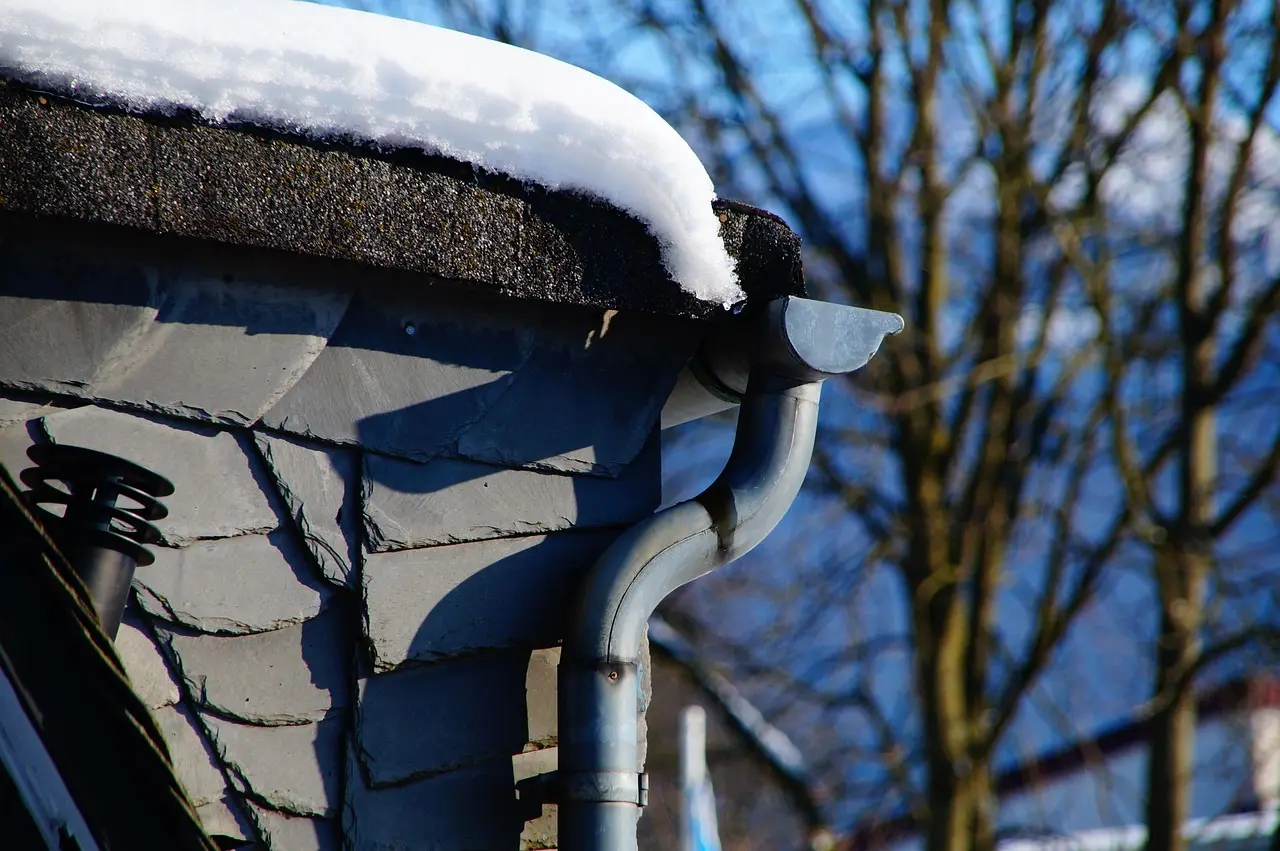


Usually, no. Downspout extensions usually stay installed in winter so meltwater keeps moving away from the house, because removing them can send water beside the foundation and add to water collecting near basement walls. The better choice is often to keep the extension connected, clear the outlet, and make sure water still has a downhill path away from the house.
Winter melt does not stop at the roof edge. Downspouts carry melted snow and ice to the ground, and that water still needs a place to go. If the outlet drains onto frozen soil or into a sagging flexible run, trapped water becomes the bigger concern in cold weather.
Winter downspout decision matrix
| Scenario | Winter risk level | Keep connected? | Most common failure mode | Safest workaround |
|---|---|---|---|---|
| Rigid above-ground extension | Low to moderate | Usually yes | Outlet gets buried by snow or struck by snow removal equipment | Keep a clear discharge zone, reroute the end away from traffic, and shovel around the outlet |
| Flexible ground-level extension | Moderate to high | Usually yes, with closer checks | Water collects where the pipe sags or stays trapped inside the corrugations | Straighten the run, remove standing water, and improve slope away from the house |
| Buried drain line | High | Usually yes, if it still drains | Freeze, clog, poor slope, or sediment buildup | Verify the outlet is open, clear the discharge point, and plan for warmer-weather correction if the line backs up |
| Rain-barrel setup | High in freeze weather | No, unless winterized with an alternate path | Water is directed into a closed or frozen container | Disconnect the barrel feed and route runoff to another safe outlet for winter |
A common first-timer mistake is pulling a ground-level extension off in October because it looks “out of the way.” Then the next thaw sends roof water right beside the basement wall. A better fix is to keep the line attached and move the discharge point where it still drains safely.
When should you disconnect an extension?
Disconnect only when the current setup cannot move water away without creating a new hazard. That includes an outlet buried under snow and ice, a line crushed by a plow, or an extension that sends runoff onto a walk, driveway, or entry step. A rain-barrel line also needs winter shutdown unless you give it another drainage path.
Do not disconnect simply because the pipe is cold. A frozen extension may be a symptom, not the root problem. Poor slope, standing water, and blockage upstream can all cause the backup, and those problems can be more important than the frost itself.
- Check where the extension discharges.
- Confirm that water can still move by gravity.
- Look for standing water, sagging, or crushed sections.
- Make sure the outlet is not pointed at a path, step, or drive.
- Keep or reroute the extension if the foundation still needs protection.
How do you keep downspout extensions from freezing?
Keep the outlet clear of snow and debris, maintain slope away from the house, and remove standing water before it freezes. Trapped water is the bigger concern in cold weather, and flexible corrugated extensions need closer inspection because they can retain water where the pipe has sagged.
Heat cable can help in the right place, but it is not a fix for poor drainage. A self-regulating cable can help reduce freezing on a downspout or extension, yet water still needs to be able to move through the line by gravity. If the extension holds water because of a low spot, the cable only treats the symptom.
Keep the outlet clear
Snow can bury the discharge end and turn a working extension into a blocked one. A deep snowbank can block the end of an extension, and that blockage can back water into the downspout. Clear the outlet by hand, and leave enough open space for meltwater to escape after the next thaw.
Keep the open end away from plow tracks, snow blower discharge, and shoveled piles that drift back over the pipe. Keeping runoff away from sidewalks, driveways, and entry areas, which is the right goal here too.
Improve slope and remove standing water
A winter extension should slope away from the house. If water pools in a dip, it can freeze and split lightweight plastic extensions, or it can create an ice plug that backs up into the downspout. Rigid above-ground sections are less likely to sag, but they still need a clear downhill run.
Suppose a 10-foot flexible extension lies almost flat beside a side yard. After a thaw, water can settle in the low middle section, then freeze overnight and block the next melt event. The fix is not to shorten the downspout at the wall; it is to restore slope or reroute the discharge farther downslope.
Use heat cable only where it makes sense
Heat cable is useful when a short section repeatedly freezes despite proper slope and clearance. It is often used on downspouts or extensions to reduce freezing, especially near the coldest section of the run. It should support drainage, not replace it.
Do not use heat cable to excuse a buried clog or a line that drains back toward the foundation. If the pipe is full of sediment, or if an underground section has poor slope, the cable will not correct the underlying drainage failure.
What happens when the outlet is buried?
When the outlet is buried, a functioning extension can become a backup point. Snow at the discharge end blocks meltwater, and that water may freeze in place or rise back through the line. If the house still sheds water in winter, you need a safe way to clear the end or reroute the discharge.
Safe ways to clear the discharge end
Clear snow around the outlet with a shovel, not a snow blower. A blower can damage plastic extensions and toss packed snow back into the opening. If the end is frozen shut, open it from the downstream side if possible, and remove only enough snow to restore a free exit path.
Keep the line intact while you restore drainage. Do not yank on brittle plastic or try to pry out ice with a metal bar, because frozen water expands and can crack lightweight extensions. If the outlet repeatedly disappears under drifted snow, the more durable fix is to move the discharge point.
When a buried drain needs more than winter maintenance
Buried drainage pipe is harder to excavate safely in winter, and it can freeze or clog if the slope is poor or sediment has built up inside. If clearing the outlet does not restore flow, the issue may be deeper than a surface blockage. That line may need warmer-weather repair, regrading, or flushing.
Do not assume an underground line is maintenance-free because it is hidden. If water backs up each thaw, that points to a drainage problem that winter clearing alone may not solve.
Foundation drainage and winter runoff
Foundation drainage still matters in cold weather because meltwater can reach basement and crawl-space walls. Removing an extension can send water beside the foundation and add to water collecting near those walls. Positive drainage away from the house is the main goal, even when the ground is frozen.
The ground should slope away from the house for a minimum of one metre. That does not mean every yard can be regraded in winter, but it does show the direction runoff needs to travel. If the soil is flat or pitched toward the foundation, the extension should not be shortened just for convenience.
Signs runoff is too close to the house
- Water ponds near the base of the wall after a thaw.
- Ice forms along the foundation line.
- The downspout outlet ends inside a snowbank.
- Flexible pipe has sagged and holds water.
- The extension discharges onto a path, stoop, or driveway edge.
Picture a downspout at a garage corner with about a 6-foot rigid extension, especially if it ends where snowplows or other equipment may pass. If that extension dumps onto a driveway apron where snowplows pass, the drainage path is wrong even though the pipe is attached. The safer move is to reroute the outlet to a spot that stays off the travel surface and still slopes away from the foundation.
How to avoid ponding at basement and crawl-space walls
Keep the outlet far enough from the foundation that meltwater can disperse without backflow. If a line is too short, add a section or redirect it to a better outlet rather than removing it. That small change often matters more than whether the extension is visible.
For homes with weak drainage, it is often better to keep a simple above-ground extension than to let water sheet across the grade beside the wall. The whole point is to move runoff away before it can pool against the basement or crawl-space wall.
Snow removal risks around extensions
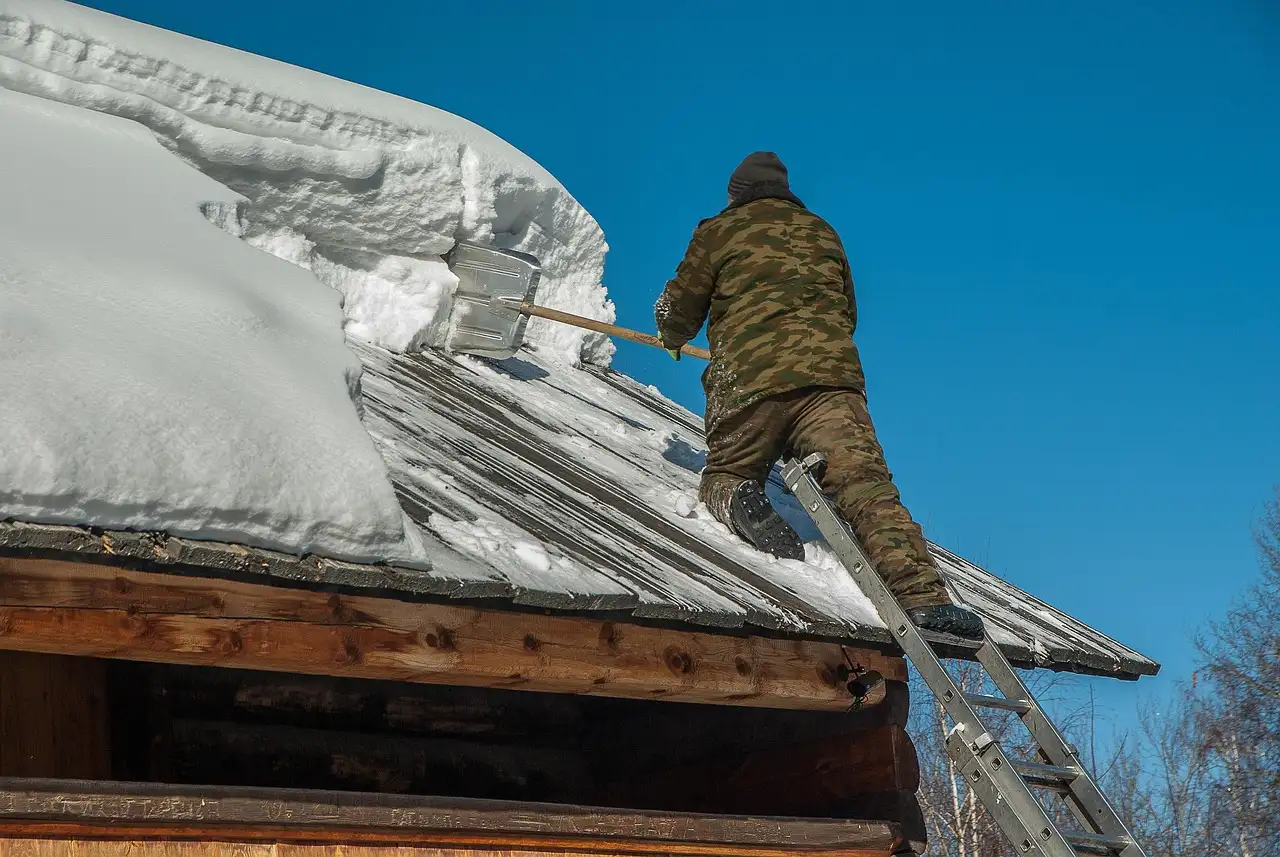
Snow removal equipment creates its own winter hazard. Plows can crush low extensions, and snow blowers can damage plastic pipe or knock it out of alignment. Shovels matter too, because you need enough clearance around the outlet to keep the discharge path open.
Snow blower and plow damage
Ground-level extensions are especially vulnerable in areas where driveways, walks, and parking pads are cleaned often. Removing ground-level downspout extensions before winter, and it also notes that these extensions are prone to snow and ice blockages. That advice makes sense where snow equipment regularly passes over the discharge area.
Where vehicle traffic is the problem, reposition the outlet rather than leaving it in the path. A rigid above-ground extension can be a better winter choice if it can stay clear of plow blades and still carry meltwater away.
Shovel clearance around the outlet
Keep a small cleared zone around the discharge end so meltwater can escape and so ice does not weld the pipe shut. If snow is banked against the outlet, the extension may look connected but function like a plug. Clearing that area is a maintenance task, not a cosmetic one.
Do not shovel so close that you crack the pipe or force it into a new low spot. The goal is clearance, slope, and an open exit, not a wider snow trench.
Keeping discharge points off high-traffic paths
Runoff should never be directed onto walkways, driveways, steps, or entry areas. That creates a slip hazard and can also send water back toward the foundation if the surface slopes the wrong way. If the only available discharge point crosses a path, reroute the extension or use another winter outlet.
One competitor’s guidance also warns that some downspouts cannot be disconnected if there is not enough green space or if icy conditions would result. That is the right tradeoff to recognize: foundation protection comes first, but not at the cost of turning an entry path into an ice sheet.
Frequently asked questions
Should you remove downspout extensions in winter?
Usually no. Keep downspout extensions attached in winter if they still move meltwater away from the foundation. Remove or disconnect them only when they create a new problem, such as a buried outlet, a crushed section, or discharge onto a walkway, driveway, or entry step.
Are downspout extensions necessary in winter?
Often yes, because roof melt still needs a path away from the house. Extensions help keep runoff away from basement and crawl-space walls. If you do not need the extension for drainage at a specific location, rerouting may be better than leaving it short or detached.
Can downspout extensions freeze in winter?
Yes. They can freeze where water sits, slows, or backs up, especially in flexible runs that sag or hold trapped water. Buried outlets and snowbanks raise the risk. The fix is usually to restore slope, clear the outlet, and remove standing water before it freezes.
What happens if downspout extensions get buried in snow?
The outlet can block, which can back water into the downspout or freeze the line shut. That can also split lightweight plastic extensions. Clear the discharge end safely, and if snow regularly buries it, move the outlet to a spot that stays open through winter.
Should I detach downspouts in winter?
Not by default. Detach them only if the current route sends water onto an unsafe surface or if the line is part of a setup that must be winterized, such as a rain barrel. If you detach a rain-barrel line, give the water another safe drainage path first.
What should I do if my downspout extension traps water?
Check for sagging, poor slope, or a buried outlet. Straighten the line so water can move by gravity, clear snow from the discharge end, and look upstream for blockage. If the trap keeps returning, the line may need rerouting, replacement, or warmer-weather repair.
Sponsored / affiliate links. As an Amazon Associate I earn from qualifying purchases. I may earn additional commission from eligible campaigns.