Do Storm Doors Help Keep a House Warmer?
A storm door can make a house feel warmer if your main door is drafty, poorly sealed, or exposed to wind, but it usually cuts heat loss only at the entry, not throughout the home. Installed badly, it can trap moisture, frost, or heat against the door and add more upkeep. This guide explains when a storm door helps, when it only improves comfort at the threshold, and when it can cause winter problems.
When a storm door makes the entry noticeably warmer
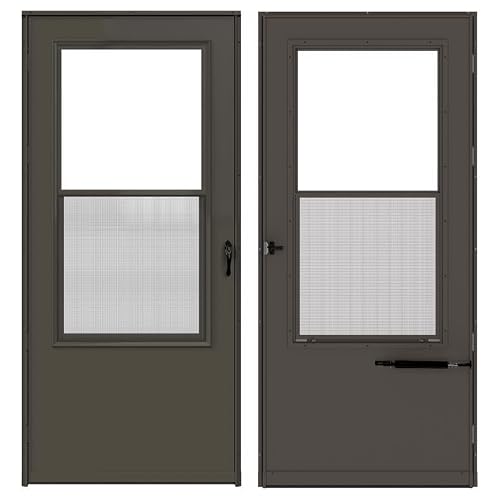
- Storm door for added entry protection
- Reversible design for more install options
- Self-storing style for seasonal screen use
Yes, but mainly at the doorway. A storm door adds an outer door in front of the main entry door. That creates a small air space that slows drafts and trims heat loss at the entry. The area by the door can feel less cold, yet it usually does not raise the temperature of the whole house on its own.
The biggest gain shows up when the main door already has weak seals, an aging sweep, or a cold, windy exposure. If the main entry is already tight, sheltered, and in decent shape, the comfort difference is usually smaller. The storm door then acts more like extra protection from rain, snow, ice, and sun than a major heating fix.
Will a storm door help this house stay warmer?
| Entry exposure | Existing door condition | Humidity level | Expected winter benefit | Frost risk | Recommended storm-door type |
|---|---|---|---|---|---|
| Windy north or west entry | Older door with weak weatherstripping | 30%–50% | Noticeable draft reduction and better entry comfort | Low to moderate | Full-view with good weatherstripping or ventilating model |
| Exposed entry with rain, snow, and ice | Good door, but weather exposure is heavy | 30%–50% | Moderate comfort gain and better protection for the main door | Low | Full-view storm door with tight seals |
| Humid home with little airflow between doors | Any door condition | Above 60% | Small warmth gain, if any | High | Ventilating model or no storm door until humidity is reduced |
| Sunny south- or west-facing entry | Tight main door, dark finish, glass present | 30%–50% | Comfort gain may be offset by heat buildup | Moderate to high | Low-E glass storm door |
| Sheltered entry under deep overhang | Good seals and intact sweep | 30%–50% | Small benefit | Low | No storm door unless protection or security is desired |
| Drafty older door with visible gaps | Weatherstripping worn or missing | 30%–50% | High entry comfort gain after sealing the main door | Moderate | Storm door plus new weatherstripping and door sweep |
Energy.gov says a storm door can be a good investment if the existing door is old but still in good condition. That fits the common case where the main door works, but it leaks air or gets battered by weather. The storm door then helps most as a buffer, not as a substitute for air sealing or insulation elsewhere in the house.
📊 This Old House recommends keeping indoor humidity between 30% and 50%. Source: Thisoldhouse.
What a storm door changes at the entry
A storm door changes the air around the entry. It slows wind washing across the main door, reduces direct contact with cold outdoor air, and can cut drafts through the threshold when the main door, frame, and sweep are sealed well. This matters most at the doorway itself, where people feel the chill first.
It also changes how much weather reaches the main entry door. Rain, snow, ice, and sun can age wood, paint, and hardware faster. A storm door can limit that wear, but trapped heat or moisture can create a different problem if the setup is wrong.
Why have a storm door?
A storm door is worth considering when the entry gets hard weather, the main door needs protection, or the doorway feels cold and leaky in winter. It can also let fresh air in during milder months if the style includes ventilation or a screen. The best reason is usually a mix of comfort, protection, and durability.
It is less compelling when the entry is already sheltered and tight. In that case, a storm door may add little warmth and may only be useful for screen ventilation, added security, or curb appeal.
When a storm door helps most
The strongest winter gains usually come from exposed entries, older doors, and homes in colder climates. A storm door is most useful when wind reaches the entry, the main door has weak seals, or the door surface gets hit by snow and freezing rain. That is when the air pocket between doors does the most work.
It also helps when the main entry door is still in good shape but needs extra protection. A storm door can add a layer between the house and the weather without forcing a full replacement of the main door.
Where the warmth gain usually shows up
Picture a drafty front door on a windy lot with a worn sweep and loose weatherstripping. A storm door can make the foyer feel less cold, because it blocks direct wind and slows the exchange of warm indoor air with cold outdoor air. The upstairs bedrooms may feel no different.
Suppose a tight, newer door sits under a deep porch roof. The storm door may still protect the finish, but the warmth gain will likely be modest. In that case, the entry comfort change may be small enough that weatherstripping and air sealing matter more.
Why a storm door can still frost or fog
Frost and fog happen when warm, moist indoor air meets a cold storm door surface. This is the point many homeowners miss. The storm door can help with warmth and still develop condensation if moisture gets trapped in the air pocket between doors.
This Old House notes that moisture vapor leaking into the space between doors can cause icing. That makes the main door’s seals, the door sweep, and the home’s indoor humidity part of the same problem. If any of those are weak, the entry can frost even with a new storm door.
Indoor humidity and trapped moisture
Keep indoor humidity between 30% and 50% in winter. This Old House says humidity should never exceed 60% in homes prone to frosting. Higher humidity means more water vapor can collect on the cold inner surface of the storm door and freeze when temperatures drop. (Thisoldhouse)
If the entry is frosting, start by checking whether warm, moist air is leaking around the main door. A bad seal can send moist air straight into the inter-door space. That is why a storm door often works best after the main door is already tightened up.
Sun exposure and heat buildup
Sun can flip the problem. Integrity Home Exteriors warns that full-glass storm doors can trap heat on sun-exposed entries. That can make the space between doors hot enough to stress finishes, raise condensation risk when temperatures swing, or make the main door feel overheated on bright winter days.
Low-E glass helps reduce trapped heat. It is commonly described as reflecting heat rather than absorbing it, which can make it a better choice for entries that get direct sun. If the door faces strong afternoon sun, that glass choice matters more than a decorative style choice.
How to choose the right storm door
Choose the storm door based on exposure, moisture risk, and how you use the entry. Full-view, ventilating, and retractable-screen styles all do different jobs. A winter setup should focus on sealing and heat control first, then screen convenience later.
The main door still does the heavy lifting for air sealing. If the weatherstripping is worn or the sweep leaves gaps, fix those first. A storm door works better beside a sound main door than as a rescue for a leaky one.
Full-view versus ventilating versus retractable screen
- Full-view. Best when you want winter protection, a clear view, and a tight buffer. Choose Low-E glass for sunny entries.
- Ventilating. Best when you want better airflow in warmer months and some seasonal flexibility. It can help reduce trapped moisture if winter frosting is an issue.
- Retractable screen. Best for warm weather use, but not a winter-first choice. Pair it with a winter glass panel if cold-weather performance matters.
RWC lists three main storm door styles: full-view, ventilating, and retractable screen. RWC also notes that storm doors can provide protection from bad weather while allowing fresh air to flow in. That means style choice should match the season you care about most.
Weatherstripping, sweep, and closer fit
- Inspect the main door seals. Look for daylight gaps, cracked weatherstripping, and compression wear along the latch side and top. Worn seals let warm moist air leak into the space between doors.
- Check the bottom edge. Make sure the door sweep closes cleanly against the threshold. A nylon brush style can work better on uneven floors or carpeting, because it can flex without leaving a wide gap.
- Confirm the storm door fit. The frame should close squarely and latch without rubbing. A sloppy fit reduces the air pocket effect and can let outdoor air reach the main door too easily.
Craftsman Exteriors says storm doors can reduce drafts by adding insulation and can help keep a home warmer in colder months. That is most believable when the seals are tight and the door closes without gaps. A loose install weakens the benefit fast.
Do storm doors save energy?
Sometimes, but mostly at the threshold. A storm door can reduce heat loss where the main door meets cold outdoor air, which may trim heating demand in the entry area. That is different from making the whole house more efficient. Whole-house savings still depend on attic insulation, air sealing, duct losses, and window performance.
So the answer is yes in a narrow sense, and no as a broad fix. A storm door is considered energy efficient when it reduces entry drafts, protects a good main door, and fits the exposure. It is not a cure for other winter heat-loss pathways.
What savings usually mean at the threshold
A storm door can be a good energy upgrade when the old door is still sound but leaky around the edges. It can also help on entries that take a beating from wind or weather. The likely result is less discomfort at the door and a smaller load on the heating system near that opening.
It usually does not change room temperatures far from the entry. If the house feels cold in several rooms, the cause is more likely elsewhere, such as poor attic insulation or broader air leakage.
Why whole-house heat loss needs other fixes too
Storm doors work at one opening. Heat loss usually happens at many openings and through the building shell. If the attic leaks air, the rim joist is drafty, or the main door frame is poorly sealed, the storm door can only solve part of the problem.
A common first-timer mistake is expecting one exterior door upgrade to fix a cold house. The better approach is to seal the main door, confirm the sweep, then use the storm door as a secondary layer.
How to stop drafts, condensation, and frost
Start with the seals, then the humidity, then the airflow between doors. Drafts usually come from bad weatherstripping or a weak sweep. Condensation and frost usually point to trapped moisture, high indoor humidity, or a cold surface with little ventilation.
When moisture is trapped between doors, small ventilation holes can help. This Old House recommends drilling ventilation holes with a 3/16-inch bit, placing two near the top and two near the bottom. That allows some air movement through the space and can reduce icing in trouble spots.
Quick yes-or-no checklist
- Is the main door weatherstripping intact?
- Does the door sweep seal the bottom edge?
- Is indoor humidity between 30% and 50%?
- Does humidity stay below 60% in frosting-prone homes?
- Is the entry exposed to wind, rain, snow, or ice?
- Does the entry face strong direct sun?
- Would Low-E glass help limit heat buildup?
- Does the storm door close and latch cleanly?
Troubleshooting frost, condensation, and heat buildup
- Fix the main seal first. Replace damaged weatherstripping and adjust the door sweep so the main door closes tightly. This reduces warm moist air leakage into the inter-door space.
- Lower indoor humidity. Aim for 30% to 50% in winter, and do not let it rise above 60% if frosting is a problem. Lower humidity means less moisture available to freeze on the storm door.
- Add controlled ventilation. If icing keeps forming, drill small ventilation holes with a 3/16-inch bit, with two near the top and two near the bottom of the storm door. That can relieve trapped moisture.
- Switch glass for sun. On bright south- or west-facing entries, use Low-E glass to limit heat buildup. If the entry still overheats, a ventilating style may be a better fit than a full-glass setup.
Frequently asked questions
Does a storm door help insulate?
Yes, but mainly at the entry. A storm door creates a pocket of insulation between the doors that can slow air movement and reduce heat loss around the main entrance. It works best when the main door already seals well and the storm door itself closes tightly without gaps or leaks.
Is a storm door a good idea?
It is a good idea when the entry is exposed, the main door is still in good condition, and you want extra protection from winter weather. It is less useful on sheltered, tight entries. In humid homes or sunny exposures, the wrong style can create frost or heat buildup.
What are storm doors good for?
Storm doors are good for reducing drafts at the threshold, protecting the main entry door from rain, snow, ice, and sun, and adding a layer of security. They can also support seasonal ventilation with a screen or venting option, but that should not come at the cost of winter frost or trapped heat.
Does a storm door need a closer?
Most storm doors work better with a closer because a proper close helps the latch seat, the seals compress, and the air pocket stay intact. A door that hangs open even slightly can let cold air, moisture, and dust move into the space between doors, which cuts performance fast.
Is a storm door considered energy efficient?
Yes, when it fits the exposure and the main door is already sealed well. A storm door can improve energy efficiency at the entry by reducing drafts and protecting the main door from weather. It is not automatically efficient on every house, especially where sun, humidity, or poor seals create new problems.
Sponsored / affiliate links. As an Amazon Associate I earn from qualifying purchases. I may earn additional commission from eligible campaigns.