Bathroom Cleaning Schedule: Daily, Weekly, and Monthly Tasks
A bathroom cleaning schedule works best with quick daily wipe-downs, a weekly scrub of the wet zones, and a monthly pass for buildup, with any visible soap scum, mildew, or odor moved up to the task that handles it. If you skip the schedule, grime builds faster, moisture lingers, and small problems become harder, slower, and costlier to clean. This guide maps out daily, weekly, and monthly tasks, plus clear decision rules for when to act sooner.
Why a bathroom schedule works
Bathrooms get dirty fast because moisture, skin oils, toothpaste, soap residue, and daily traffic collect on the same surfaces over and over. A schedule keeps you from over-cleaning some areas and missing the ones that matter most.
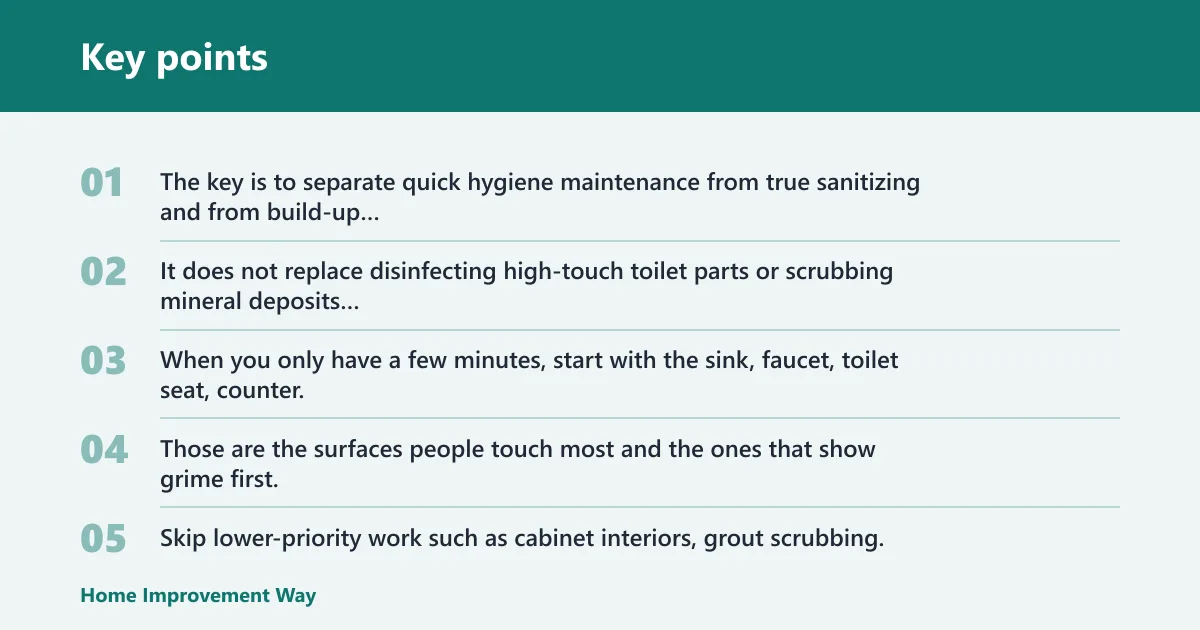
The key is to separate quick hygiene maintenance from true sanitizing and from build-up removal. A fast wipe can keep a sink presentable. It does not replace disinfecting high-touch toilet parts or scrubbing mineral deposits from grout and showerheads.
What to do first when time is tight
When you only have a few minutes, start with the sink, faucet, toilet seat, counter, mirror, and towels. Those are the surfaces people touch most and the ones that show grime first.
Skip lower-priority work such as cabinet interiors, grout scrubbing, and vent dusting if the room is otherwise under control. If odor, visible buildup, or damp spots are present, move those tasks sooner instead of waiting for the monthly slot.
What can wait until later?
Polishing every chrome piece, washing cabinet shelves, and cleaning vent covers can wait if the bathroom is otherwise clean and dry. The exception is any area with discoloration, mildew, or sticky residue. That is a signal to move the task up, not leave it for later.
Daily bathroom reset
The daily reset should take under five minutes and focus on the sink, faucet, toilet seat, mirror, counters, and towels. Its job is to stop grime from building up between deeper cleans.
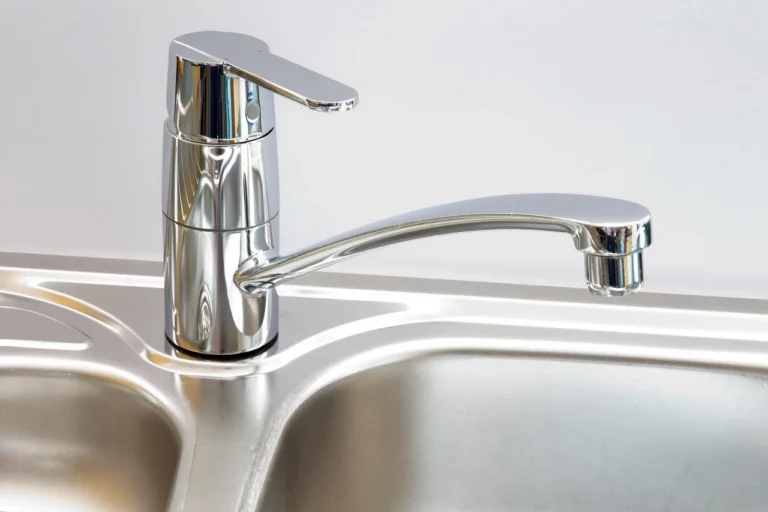
Sink, faucet, counter, and mirror wipe-down
Wipe the sink basin and faucet handles first, then move a microfiber cloth across the counter and mirror. Use glass cleaner on the mirror if needed, then dry chrome with a clean microfiber cloth so it does not spot.
If toothpaste flecks or soap residue appear before the next cleaning day, wipe them now. Fresh spots are much easier to remove than dried residue.
Quick toilet touch points
Wipe the toilet seat, lid, and flush handle every day. Those are the parts that need the most frequent touch-point sanitation, especially in shared bathrooms.
Daily wiping is not the same as a full toilet clean. The bowl, base, and exterior still need a weekly session with toilet bowl cleaner and disinfectant.
Towels, floor edges, and clutter
Hang towels so they dry fully, and replace damp or bunched-up ones. Clear the counter of extra items, then check the floor edge around the toilet and vanity for stray hair, dust, or drips.
In a bathroom used by kids, this step matters more often. Wet towels left in a heap and splashes on the floor are early signs that the weekly clean should move sooner.
What should you clean weekly?
Weekly cleaning should cover the toilet bowl and exterior, the shower or tub, the mirror, and the floor. When kept up, this usually takes 20 to 30 minutes. Follow a top-to-bottom order so dust, drips, and cleaner residue fall onto areas you have not finished yet.
Toilet bowl and exterior
Start with the toilet bowl and let the cleaner sit before scrubbing. Then clean the seat, lid, flush handle, tank exterior, base, and the nearby floor. This keeps the dirtiest job at the start and reduces the chance of spreading residue around the room.
Use toilet bowl cleaner for the bowl and disinfectant on the high-touch exterior parts. The bowl needs soil removal. The handle, seat, and lid need sanitation-focused cleaning because they get touched often.
Shower or tub walls, floor, and glass
Weekly cleaning should include the shower or tub walls and floor, plus doors, tracks, curtains, and liners. Rinse surfaces after washing, then use a squeegee on glass and tiled doors to remove water and slow soap scum.
Pay close attention to fiberglass, which shows soap residue quickly and can scratch if you use harsh pads. Use a scrub brush or non-scratch pad, then rinse well. For tile and glass, the squeegee step helps limit spotting and mildew.
Mirror, floor, and trash
Clean the mirror with glass cleaner and a microfiber cloth. Then finish the floor, especially around the vanity, toilet base, and tub edge, where dust and splashes collect. Empty the trash before you leave the room.
If the floor still feels tacky after cleaning, the room likely needs more than a weekly wipe. Sticky residue often points to soap buildup, missed splashes, or a floor cleaner that was not rinsed well enough.
Bathroom task matrix
This decision matrix turns the routine into a maintenance system. It shows what to do, how long it usually takes, what problem each task prevents, and when to move the task up in frequency.
| Task | Daily, weekly, or monthly | Time estimate | What it prevents | When to move it up |
|---|---|---|---|---|
| Sink basin, faucet handles, counter, and mirror | Daily | Under 5 minutes | Grime, toothpaste buildup, water spots | Move to twice daily if splashes, fingerprints, or hard-water marks show up by midday |
| Toilet seat, lid, and flush handle | Daily | 1 to 2 minutes | Touch-point soil and odor transfer | Move up in shared bathrooms, after illness, or when visible smudges return quickly |
| Toilet bowl, exterior, and base | Weekly | 5 to 8 minutes | Staining, residue, and odor | Move up if the bowl rings, base dust, or odor appears before the weekly clean |
| Shower or tub walls, floor, doors, track, curtain, and liner | Weekly | 8 to 12 minutes | Soap scum and mildew | Move up if surfaces feel slick, look cloudy, or dry with visible spots |
| Mirror and chrome fixtures | Weekly | 3 to 5 minutes | Water spots and residue | Move up if hard water leaves marks within a day or two |
| Grout, showerhead, cabinet interiors, and exhaust fan vents | Monthly | 45 to 60 minutes | Hidden buildup, odor, and moisture problems | Move up if grout darkens, the fan clogs, water flow drops, or odors linger after showering |
| Cabinet and drawer wipe-out | Monthly | 10 to 15 minutes | Dust, spilled products, sticky residue | Move up if leaks, leaks from bottles, or clutter are building in storage spaces |
Monthly bathroom maintenance
Monthly work targets the buildup you do not see every day: grout, showerhead mineral deposits, cabinet interiors, and exhaust fan vents. Plan on 45 to 60 minutes. This is the layer that keeps a clean bathroom from slowly sliding into a damp, musty room.
Grout and caulk check
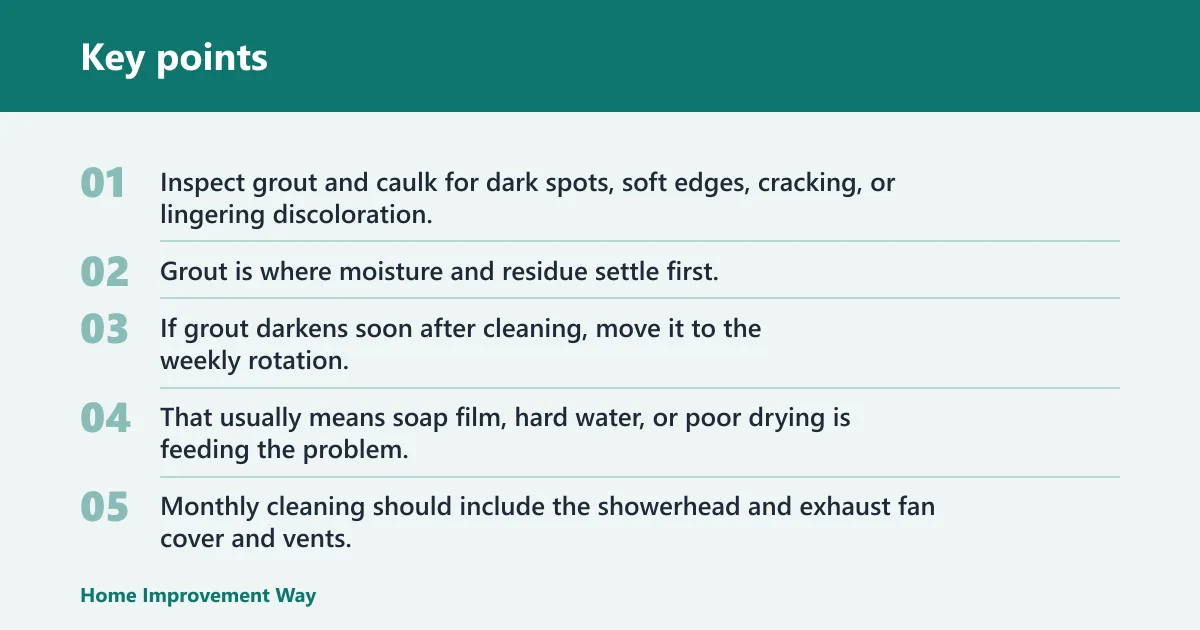
Inspect grout and caulk for dark spots, soft edges, cracking, or lingering discoloration. Grout is where moisture and residue settle first, so it often needs attention before the rest of the shower looks dirty.
If grout darkens soon after cleaning, move it to the weekly rotation. That usually means soap film, hard water, or poor drying is feeding the problem.
Showerhead and vent cleaning
Monthly cleaning should include the showerhead and exhaust fan cover and vents. Dust and mineral deposits reduce airflow, trap odor, and make the room feel damp longer after showers.
Cleaning the showerhead with a vinegar solution weekly. That can make sense in homes with hard water or visible spray reduction. If the showerhead spits unevenly or leaves crust at the nozzles, do it sooner.
Cabinet and drawer wipe-out
Empty bathroom cabinets and drawers, then wipe the shelves and inside faces. Check for spilled products, old cotton swabs, damp packaging, or bottles that have leaked and left a sticky film.
Say your bathroom has two teens using the same sink every morning. If toothpaste caps, lotion spills, and damp hand towels are showing up again within days, move the sink zone and drawer fronts from monthly to weekly until the routine catches up.
How do you stop soap scum and mildew?
Soap scum and mildew come back when moisture stays on surfaces. The best defense is to rinse shower walls, doors, and the tub after use, then squeegee glass and tile so water does not sit long enough to leave residue.
Use the rinse-and-squeegee step
After showering, rinse the walls and floor, then use a squeegee on glass doors and smooth tile. That simple habit removes the film that soap leaves behind and cuts down on the damp surface mildew needs to grow.
Improve drying after showers
Run the exhaust fan long enough to pull moist air out of the room, and leave the door or curtain open if the layout allows it. Towels should dry fully, not stay folded into a wet mass.
Picture a small hall bath with no window and a weak fan. In that room, mildew will return faster unless you dry the shower, run the fan, and clean the vents on schedule. If a musty odor remains after a shower, the monthly tasks should move up immediately.
Spot the signs that cleaning needs to happen sooner
Move the task up if you see cloudy glass, slippery tile, a musty smell, or dark dots near caulk and grout. Those signs mean moisture is staying too long or residue is building faster than the schedule can absorb.
What tools do you need?
The routine stays simple with a few surface-specific tools: microfiber cloths, a squeegee, a toilet brush, a scrub brush, glass cleaner, disinfectant, and a bathroom-safe floor cleaner. Match the tool to the surface, not just the mess.
Microfiber cloths and glass cleaner
Use microfiber cloths for mirrors, chrome faucets, handles, and other smooth fixtures. Pair them with glass cleaner for a streak-free finish. Microfiber traps residue well and is less likely to smear water spots across polished surfaces.
Toilet brush and scrub brush
A toilet brush is the right tool for the bowl. A separate scrub brush works better for shower walls, tub floors, grout lines, and track corners where soap residue settles.
Keeping the toilet brush separate matters. That keeps the bowl job from becoming a spread-the-soil job on other bathroom surfaces.
Disinfectant and bathroom-safe floor cleaner
Use disinfectant on high-touch toilet surfaces and other spots that need sanitizing after cleaning. Use a bathroom-safe floor cleaner on tile, vinyl, or other finished floors that need residue removed without leaving a slippery film.
Do not use a harsh chemical just because a stain looks stubborn. Start with the right cleaner for the surface, then repeat the task sooner if buildup returns quickly.
Frequently asked questions
What should I clean in the bathroom every day?
Clean the sink, faucet, counter, mirror, toilet seat, lid, and flush handle every day. These are the fastest-moving spots for grime and touch contamination. Keep the task under five minutes by using a microfiber cloth and limiting the job to visible buildup and high-touch areas.
What bathroom cleaning tasks should be done weekly?
Weekly work should cover the toilet bowl and exterior, shower or tub walls and floor, mirrors, and the bathroom floor. A top-to-bottom order works best, and the whole session usually takes 20 to 30 minutes when the daily reset is already happening.
What monthly bathroom cleaning tasks are easy to forget?
Grout, showerheads, cabinet interiors, drawer shelves, and exhaust fan vents are easy to miss. These areas hide buildup and odor rather than showing it right away. If the room smells damp or looks dusty after cleaning, move these tasks up sooner.
How long should a bathroom cleaning routine take?
Daily cleaning can take under five minutes, weekly cleaning is often 20 to 30 minutes, and monthly maintenance usually takes 45 to 60 minutes. If a routine has been missed for weeks, expect the first reset to take longer because you are removing build-up, not just maintaining it.
What order should I clean the bathroom in?
Start high and dry first, then move to wet and dirty zones. A practical order is mirror and fixtures, sink and counter, toilet, shower or tub, then floor and trash. Starting with the toilet bowl before scrubbing the rest helps keep the dirtiest task contained.
How often should I clean grout, vents, and showerheads?
Monthly is a good baseline for grout, vents, and showerheads. Move them up to weekly if you have hard water, poor ventilation, or heavy use. If grout darkens, vents dust over fast, or the showerhead loses flow, treat that as an immediate maintenance signal.
Sponsored / affiliate links. As an Amazon Associate I earn from qualifying purchases. I may earn additional commission from eligible campaigns.