How to Choose a Toilet Seat That Fits Your Bowl
Choose a toilet seat by matching bowl shape first, round or elongated, then verify the bolt-hole spacing and seat length; many standard seats fit round bowls at about 16.5 inches and elongated bowls at about 18.5 inches. Pick the wrong shape or bolt spacing, and the seat can wobble, overhang, or fail to mount at all. This guide shows how to identify your bowl, measure it correctly, and choose features only after the seat will fit.
What you’ll need
- Adjustable wrench
- Flathead screwdriver
- WD-40 or another light lubricant
- Small hacksaw, if fasteners are rusted and stuck
- Tape measure
- Paper towel or rag
Toilet seat fit checklist
Start with fit, not finish. Most toilets are standard sized, and a replacement seat can fit if measurements match; the seat bolts and the bowl’s bolt holes need the same spacing. Only after that should you compare material, hinge style, and color.
| Bowl shape | Bolt-hole spacing | Front-to-bolt length |
|---|---|---|
| Round | Usually 5.5 inches center to center | About 16.5 inches |
| Elongated | Usually 5.5 inches center to center | About 18.5 inches |
| Final decision: standard | Match the existing holes exactly | Buy the seat that matches your measured shape and length |
| Final decision: proprietary | Do not assume standard spacing | Use brand/model lookup before buying |
| Final decision: bidet-compatible | Confirm hinge and bracket clearance first | Check that the seat material and hardware leave room for the attachment |
- Measure the bowl shape before you shop.
- Measure bolt-hole spacing center to center.
- Measure front-to-bolt length from the front edge to the bolt centers.
- Check whether the hinge area has room for a lid or bidet bracket.
- Buy the seat only after those three checks line up.
Suppose your bowl measures about 18.5 inches from the bolt holes to the front edge. That points to an elongated seat, even if the current lid looks closer to round. A shape match matters more than the color or material.
How do you tell your bowl shape?
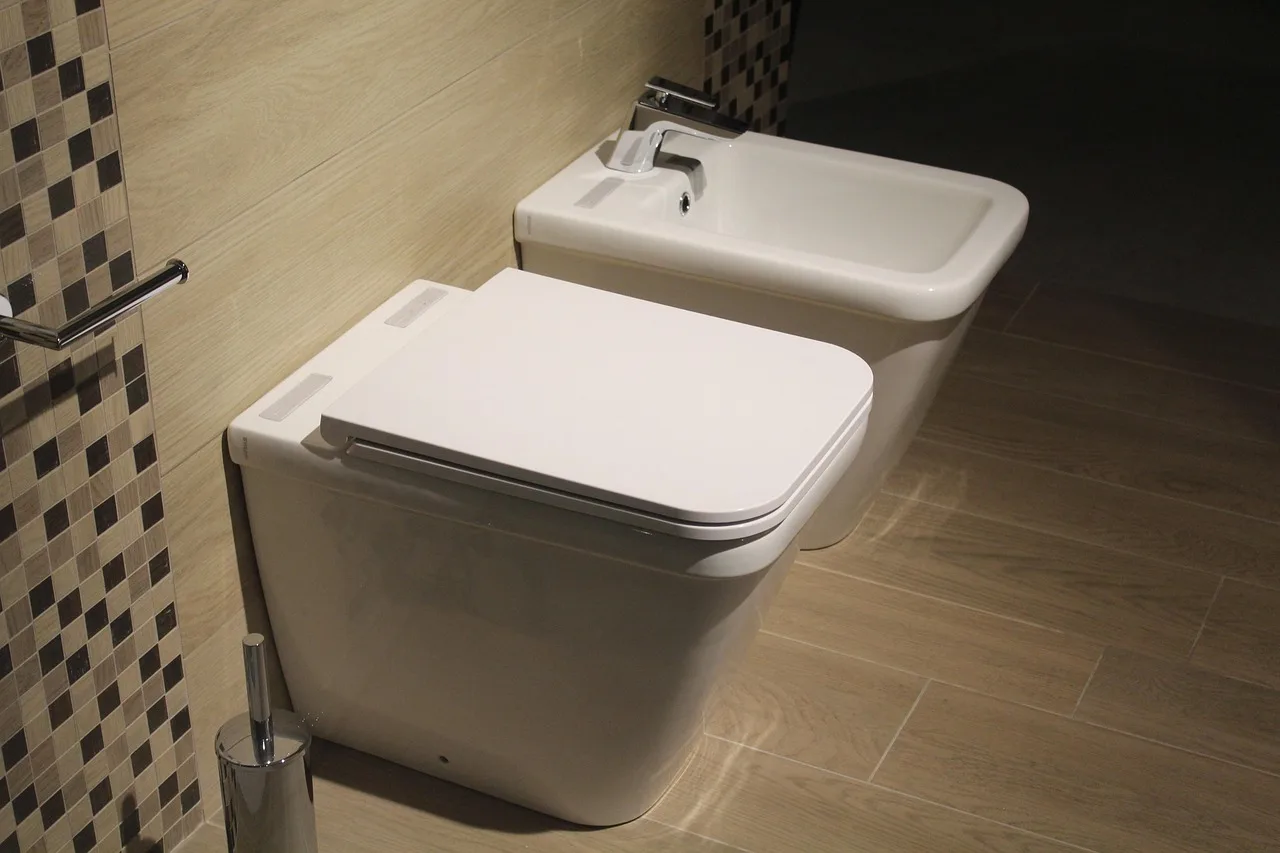
Look at the outline from above. A round bowl has a shorter, more circular front, while an elongated bowl has a longer oval front. If the front edge projects farther forward and the seat opening looks stretched, it is likely elongated.
Round bowl cues
Round toilet bowls are the standard seat shape on many toilets. They usually measure about 16.5 inches from the bolt holes to the front. The outline looks more compact, and the front edge curves sooner.
Elongated bowl cues
Elongated toilet bowls use an oval seat shape and need a matching elongated seat. They are usually about 18.5 inches from the bolt holes to the front. If you buy a round seat for this bowl, the front edge will not cover the bowl cleanly.
What the front edge tells you
The front edge is the fastest visual clue when the old seat is missing or cracked. If the bowl extends farther in front of the bolt holes, measure before buying. If the front looks short and round, a round seat is the better match.
What measurements do you need before buying a toilet seat?
You need three checks: bolt-hole spacing, front-to-bolt length, and hinge clearance. Take the main measurements before you shop for a new seat. Standard bolt spacing is usually 5.5 inches, and the seat bolts must match that spacing.
Measure bolt-hole spacing center to center
Place the tape measure at the center of one bolt hole and read to the center of the other. Do not measure edge to edge. If the spacing is off, the replacement seat hardware will not line up with the bowl.
Measure front-to-bolt length
Measure from the front edge of the bowl back to the bolt centers. That number usually points to round or elongated. Use it as the deciding measurement, not the lid shape alone.
Check hinge clearance and lid swing
Make sure the lid can lift without striking the tank, wall, or a bidet bracket. This matters on compact toilets and on any setup with a raised attachment. A seat that fits on paper can still bind at the hinge.
Can a round toilet seat fit an elongated bowl?
No. A round seat on an elongated bowl usually leaves the front edge short and can shift the hinge position enough to feel unstable. The seat may mount, but the coverage will be wrong and the fit can look unfinished.
Why shape mismatch causes overhang
When the bowl is elongated and the seat is round, the seat opening ends too soon. That leaves exposed porcelain at the front and often creates a visual gap. Fit problems like this are common even when the bolt holes line up.
Why elongated seats do not fit round bowls well
An elongated seat on a round bowl can extend too far forward and may hit the front rim or project beyond it. That can affect lid closure and comfort. Shape has to match before style does.
When a compact or specialty bowl changes the rule
Some wall-mounted, compact, or proprietary toilets use nonstandard dimensions. In those cases, the round-versus-elongated rule may not solve the fit. Use the brand and model before buying a replacement seat.
Choose seat material and hinge style
After the shape and bolt pattern fit, pick material and features. Toilet seat materials include plastic, wood, engineered wood, and heavy-duty resin. Soft-close hinges can reduce slamming, and quick-release hardware makes cleaning easier.
Plastic
Plastic seats are common, easy to clean, and usually the lightest option. They are a practical pick when you want a basic replacement without extra weight. They can feel less substantial than wood or resin.
Wood and engineered wood
Wood and engineered wood seats have a firmer feel and can suit bathrooms where a heavier seat is preferred. A soft-close seat works especially well with wooden styles. The drawback is that wood can be less friendly around moisture if the finish wears.
Heavy-duty resin
Heavy-duty resin can bridge the gap between light plastic and heavier wood. It often gives a sturdier feel while staying easy to wipe down. The tradeoff is that some versions cost more than basic plastic seats.
Soft-close hinges and quick-release hardware
A soft-close seat uses special pads to prevent slamming. Quick-release hardware lets you remove the seat for cleaning and reattach it with brackets. Those features help most after fit is already confirmed; they should not override the measurement check.
How to deal with stuck hardware
Old seat hardware often fails at the bolts, not the seat itself. Rust, mineral buildup, and stripped nuts can make removal slow. If the bolts are stuck, start with lubricant, then move to cutting only if needed.
Remove the old seat
- Lift the lid and locate the nut under the bowl rim.
- Use a flathead screwdriver on the top side while loosening the nut below with an adjustable wrench.
- Remove the seat and set the hardware aside.
Use lubricant on rusted fasteners
- Spray WD-40 or another light lubricant on the threads.
- Wait 10 minutes, then try the wrench again.
- If the nut moves only a little, add one more pass of lubricant and recheck.
Cut seized bolts only when needed
- Protect the porcelain with a rag.
- Use a small hacksaw to cut the bolt if the nut will not move.
- Clean away the metal dust before fitting the new seat.
If that still does not work, stop forcing the fastener. A cracked mounting point costs more than a new hardware kit. In that case, replace the seat hardware and consider a fresh mounting set rather than reusing bent parts.
What if your toilet is nonstandard?
If your toilet is odd, compact, wall-mounted, or brand-specific, do not guess. Proprietary toilets may need a manufacturer-specific seat. The fastest workaround is to identify the model first, then match the replacement to that part number or fit chart.
Find the brand and model
Look for the tank sticker, inside the tank wall, or inside the bowl. That information usually tells you whether the toilet uses a standard seat or a special one. Without it, you may buy the wrong hinge shape or bolt pattern.
Check the tank sticker or inside the bowl
Write down the model code before you shop. That is especially useful on wall-mounted or compact toilets, where seat length and hardware can differ from the usual round or elongated sizes. A standard seat is not the safe assumption here.
Look for manufacturer-specific seats
Search for seats made for that exact toilet line. If the toilet is proprietary, a generic replacement may look close and still fail to mount. The brand-specific route is slower, but it prevents repeated returns.
Our picks by need
Elongated upgrade: Bemis Slow Close Elongated Toilet Seat
 As an Amazon Associate we earn from qualifying purchases. Prices and availability are accurate as of the date shown and are subject to change

Based on the published details, this is a fit-first choice for standard elongated toilets. The quick-release hinges help with cleaning, and the slow-close lid reduces slamming. The main drawback is simple: it is only the right pick if your bowl is already elongated.
The listed price is $28.00, which is useful if you want a straightforward replacement rather than a special-order seat. Its plastic build should suit most bathrooms that want easy maintenance over a heavier feel.
Round upgrade: KOHLER 20111-0 Brevia
As an Amazon Associate we earn from qualifying purchases. Prices and availability are accurate as of the date shown and are subject to change

This model is the better fit if your toilet is round and you want quick installation. The Grip-Tight bumpers and Quick-Attach hardware are the headline features. The drawback is the same one that matters on every seat: it will not solve a shape mismatch.
At $24.98, it is a practical choice for a standard round bowl. The quiet-close design is a nice upgrade, but only after you confirm the 5.5-inch bolt spacing and the round 16.5-inch seat length.
Mistakes to avoid
Most fit problems come from skipping the measurement step or assuming every toilet uses the same seat. A good-looking seat can still wobble if the bolt spacing is wrong, and a snug hinge can still fail if the bowl shape is mismatched.
- Buying by color before checking shape.
- Measuring bolt holes edge to edge instead of center to center.
- Using a round seat on an elongated bowl.
- Ignoring hinge clearance on wall-mounted or compact toilets.
- Reusing rusty hardware when the bolts are already damaged.
- Choosing a bidet attachment before checking seat material and hinge space.
Picture a toilet that measures 18.5 inches from the bolts to the front, but the buyer chooses a round seat because the old lid looked small. The result is obvious: the front edge falls short, the fit looks off, and the fix is another trip to the store.
A common buyer mistake is to assume any round seat will fit a bowl that actually needs an elongated shape. If the bolts keep backing off, the hardware may be the problem, not the seat shape. Replace the washers or mounting kit before blaming the bowl.
Frequently asked questions
How do I know if my toilet bowl is round or elongated?
Measure from the bolt holes to the front edge. About 16.5 inches points to round, and about 18.5 inches points to elongated. If the front is short and compact, it is usually round; if it stretches farther forward, it is usually elongated.
How do I replace a toilet seat if the bolts are stuck?
Spray the threads with WD-40 or another light lubricant, wait 10 minutes, then loosen with an adjustable wrench and flathead screwdriver. If the nut will not budge, cut the bolt with a small hacksaw and replace the hardware.
What should I do if my toilet is an odd or proprietary size?
Look for the brand and model on the tank sticker or inside the bowl. Then search for a manufacturer-specific seat. This is the safest route for wall-mounted, compact, or other nonstandard toilets.
Will a bidet attachment work with any toilet seat?
No. A solid wood seat can affect bidet attachment compatibility, and some hinge designs leave too little room. Check the attachment’s bracket clearance, the seat material, and the hinge area before you buy both parts.
What if my toilet seat keeps slipping or won’t stay upright?
Check the bolt tightness first, then inspect the bumpers and hinge hardware. If the seat still moves, the hardware may be worn or the bolt spacing may be off. Replacing the mounting kit is often cheaper than replacing the whole toilet.
Sponsored / affiliate links. As an Amazon Associate I earn from qualifying purchases. I may earn additional commission from eligible campaigns.