Do You Need an Iron Filter with a Water Softener?
A water softener can handle small amounts of clear-water iron, often up to about 3 ppm, but rust-colored iron, sulfur-iron bacteria, or higher iron levels often need a separate iron filter. Skip the right treatment and you can get orange stains, salty-tasting water, valve fouling, and resin damage. This guide shows how to read iron test results, match them to softener limits, and spot when a combo setup makes sense or fails.
Key differences between iron filters and softeners

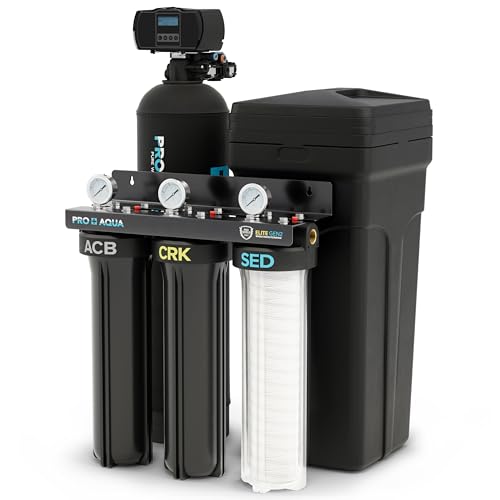
A softener and an iron filter solve different water problems. A water softener removes calcium and magnesium hardness with resin beads and salt-based regeneration. An iron filter targets dissolved iron by oxidizing it and trapping the resulting particles. If you pick the wrong one first, the system may foul early or leave the main problem untouched.
What each system removes
A softener is built for hardness, meaning dissolved calcium and magnesium. Penn State Extension says dissolved iron can also be removed by a softener in some cases, but that is a secondary job. Iron filters do not soften water, so hardness still remains unless you add a softener.
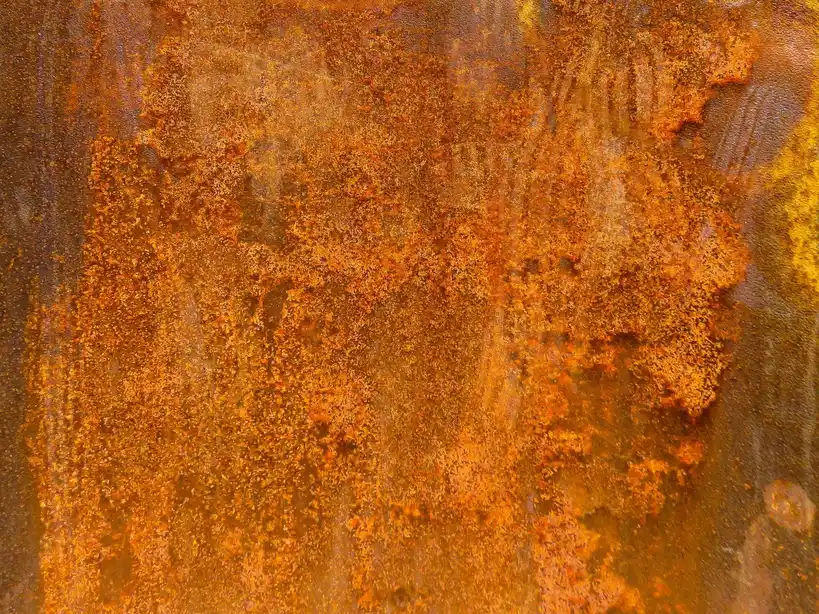
That split matters in homes with both scale and stains. Hardness shows up as soap that will not lather well and mineral scale on fixtures. Iron shows up as orange or brown staining, metallic taste, and, if oxidation has started, visible rust particles.
| System | Main target | What it does well | What it does not do |
|---|---|---|---|
| Water softener | Hardness from calcium and magnesium | Reduces scale and can remove low dissolved iron | Does not target rust particles or sulfur odor |
| Iron filter | Dissolved iron | Oxidizes iron and filters it out | Does not soften water |
| Separate sulfur treatment | Hydrogen sulfide odor | Addresses rotten egg smell with the right media or oxidation | Does not replace iron or hardness treatment |
Why the order matters
When iron load is high, the iron treatment often goes before the softener. That helps keep iron from reaching the resin bed and shortening its life. If rust particles or oxidized iron reach the softener first, the unit may stop softening well and need much more frequent cleaning or replacement.
Standard softener resin can handle some dissolved iron, but its tolerance is limited. Once iron becomes particles, or if air exposure starts oxidation before the softener, the resin can foul fast. Low pH makes that risk worse.
Do I need both?
You need both when hardness and iron are both real problems. If test results show moderate to high hardness plus dissolved iron above the softener-only range, an iron filter before the softener is often the practical answer. If odor is the main issue, though, the right fix may be a separate sulfur treatment instead of a combo setup.
When a softener alone is enough
A softener alone can be enough when hardness is the main issue and iron is low, clear, and dissolved. Penn State Extension generally recommends softener-only iron treatment when iron is below 5 mg/L, hardness is between 3 and 20 grains per gallon, and pH is above 6.7. That is the cleanest fit for a single unit.
Competitor guidance also puts standard resin at about 2 ppm iron, while fine-mesh resin can stretch that to about 5 ppm. Even then, the system still has limits. Treat that range as a narrow lane, not a promise.
When iron treatment should be added
Add an iron filter when iron is high enough to foul the softener or when the water already shows rust staining. This is also the safer path when the home has nuisance iron plus hardness, especially if the water has been aerated before it reaches the softener. In that case, the iron may already be turning into particles.
Suppose a well test shows 14 grains per gallon hardness and 4 ppm dissolved iron. A softener alone may limp along for a while, but resin fouling becomes much more likely. An iron filter ahead of the softener is the cleaner design.
When a combo setup is not the best fit
A bundled unit is not the best fit when sulfur odor is the main complaint, when iron is already oxidized into rust particles, or when pH is low enough to make softener-only iron removal unreliable. In those cases, the right answer is often separate sulfur treatment, a dedicated iron stage, or a higher-iron oxidation train.
Read the water numbers first
Testing comes before equipment. Start with hardness in grains per gallon, dissolved iron in ppm, pH, and a look at what the water does at the fixture. Clear water that turns orange after standing points to dissolved iron that oxidizes. Brown grit or flakes point to rust particles, which change the equipment choice.
Hardness in grains per gallon
Hardness tells you whether a softener belongs in the plan at all. Without hardness, there is nothing for the resin to exchange in the first place. The Penn State range of 3 to 20 grains per gallon is the zone where softener-only iron treatment may still work if iron is low and pH is acceptable.
Dissolved iron in ppm
Dissolved iron is the form a softener can sometimes handle at low levels. Once iron climbs, the softener’s resin gets burdened more quickly. Competitor guidance puts standard resin around 2 ppm, while fine-mesh resin can extend that to about 5 ppm and sometimes 6-8 ppm in product claims. That is still a limit, not a target.
pH, staining, odor, and visible rust
pH below about 6.7 is often treated as a warning sign for softener-only iron treatment. Lower pH tends to reduce reliability and can make iron behave badly in the plumbing. Staining on sinks or toilets points to iron that is reaching the fixtures. Rotten egg odor points to hydrogen sulfide, which needs a different treatment path.
A common first-timer mistake is buying a combo unit for a smell problem. If the water smells like sulfur but tests low for iron, a softener and an iron filter may both miss the real issue.
Iron softener limits
A softener can remove some dissolved iron, but only within a fairly narrow window. Once the iron level climbs, or the iron oxidizes, the resin can lose capacity, foul, or plug. Low pH, chlorine exposure, and air-exposed iron make that failure happen sooner.
How much iron a softener can handle?
Standard resin is commonly described as handling about 2 ppm iron. Fine-mesh resin can raise that to about 5 ppm, and some product claims go higher, such as 6-8 ppm. Those numbers still depend on hardness, pH, flow, and the form of iron present.
Broadly, if iron is above about 5 mg/L, a softener-only plan is generally not the default choice. That is where a separate iron stage starts to make more sense.
What fouls resin early
What hurts resin fastest is not just iron level. Rust particles, oxidized iron, chlorine, and low pH all shorten softener life. A softener does not soften water if the iron has already turned to rust particles, because the resin bed gets coated or clogged instead of doing its exchange job.
Chlorine exposure is another problem. It can damage resin over time, which is a separate issue from iron loading. If a city water supply has nuisance iron and chlorine at the same time, the treatment order and media choice matter more than a generic combo claim.
Iron filter setup order
An iron filter usually goes before the softener when iron is high, because the filter removes iron before it can foul the resin bed. After oxidation, the iron becomes a particle that the filter can trap. The softener then handles hardness without fighting iron load at the same time.
Iron breaker and chemical oxidation systems
An iron breaker uses air to pull iron out of solution. That works by oxidizing the iron before it reaches the softener. A chemical oxidation system uses chlorine or peroxide feed, a contact tank, then a carbon filter and softener. That sequence is common when iron is stubborn or when manganese is part of the problem too.
Manganese often shows up in combo system claims alongside iron. If both are present, the exact order and media choice matter more, because one stage may not cover both at the same flow rate and pH.
Where carbon fits after oxidation
Carbon often follows chemical oxidation so any leftover oxidant is removed before water reaches the softener. That helps protect the resin and improves taste and odor. Carbon is not the same thing as an iron filter, and it does not replace the softener either.
Choose softener or iron filter
Choose the softener alone when hardness is the main issue and iron is low, dissolved, and within the softener-only range. Choose an iron filter plus a softener when hardness and iron both need treatment and the iron level would overload the resin. Choose separate sulfur treatment when rotten egg odor is the real complaint.
Softener only
Use a softener only if your water shows hardness in the 3 to 20 grains per gallon range, iron stays below the softener-only limit, pH is above 6.7, and staining is mild or absent. That is the simplest and lowest-maintenance route when the numbers fit.
Iron filter plus softener
Use both if clear-water iron is high enough to foul resin, if orange staining is already showing, or if product literature puts the iron load beyond the softener’s comfort zone. This setup is common for well water, but it also has a place in city water with nuisance iron.
Separate sulfur treatment
Use separate sulfur treatment if the main symptom is rotten egg smell from hydrogen sulfide. A standard softener or iron breaker alone usually will not solve that. Carbon, sulfur-specific media, or chemical oxidation may be needed before the water reaches the softener.
Water treatment decision chart
| Hardness (gpg) | Dissolved iron (ppm) | pH | Odor or staining | Recommended setup |
|---|---|---|---|---|
| 3 to 20 | Under 2 | Above 6.7 | No rust particles; only light scale | Softener only |
| 3 to 20 | About 2 to 5 | Above 6.7 | Clear water iron, light orange staining | Softener only if the lower end of the range and resin is fine-mesh; otherwise iron filter plus softener |
| Any hardness needing softening | Above 5 | Any pH below 6.7 | Orange stains, rust particles, or fast resin fouling | Iron filter plus softener, or iron breaker / chemical oxidation ahead of softener |
| Any hardness | Any iron | Any | Rotten egg smell | Separate sulfur treatment, then softener if hardness remains |
- Test hardness, iron, and pH before buying equipment.
- Look for dissolved iron versus rust particles.
- Match low iron and good pH to softener-only treatment.
- Put iron treatment ahead of the softener when iron is high.
- Use separate sulfur treatment if odor is the main problem.
Choose softener only if… / Choose iron filter plus softener if…
Choose softener only if… your water mainly has hardness, iron is low and clear, pH is above 6.7, and stains are light or absent. This is the better maintenance choice when the numbers sit in the safe zone for softener-only iron handling.
Choose iron filter plus softener if… iron is high enough to foul resin, orange staining keeps returning, rust particles are present, or the water has already been aerated before the softener. That path costs more up front and adds maintenance, but it protects the softener and treats both problems in order.
A city-water home can still need this split setup. If the supply is treated but nuisance iron shows up in a basement sink or a laundry line, the same decision still applies: test first, then separate hardness from iron from odor.
For example, a water report might show about 12 grains per gallon hardness, 4 ppm dissolved iron, and pH 7.1. A fine-mesh softener might keep up for a while, but the safer design is an iron filter ahead of the softener. That keeps the resin from becoming the first stage of iron removal.
Frequently asked questions
Do I need an iron filter and a water softener?
You need both when hardness and iron are both present in meaningful amounts. If the water is hard and iron is above the softener-only range, an iron filter before the softener is usually the better setup. If odor is sulfur, though, separate sulfur treatment may be the real need.
Can a water softener remove iron?
Yes, but only some dissolved iron and only at low levels; softener-only treatment is often suggested below about 5 mg/L when hardness and pH also fit. The same source says dissolved iron can be removed by a softener, and softener-only treatment is generally suggested below 5 mg/L when hardness and pH also fit. Rust particles are a different case.
How much iron is too much for a softener?
Standard resin is commonly described as handling about 2 ppm iron, while fine-mesh resin can extend that to about 5 ppm. Above that, or if pH is low, softener-only treatment becomes unreliable. If stains and fouling are showing, assume you need separate iron treatment.
Should an iron filter go before the water softener?
Usually, yes, when iron is high. The iron filter removes or oxidizes iron first, which keeps the softener resin from fouling early. That order matters even more if the water has been aerated, because air can push dissolved iron toward rust particles before the softener.
What happens if iron reaches the softener resin?
The resin can foul, lose exchange capacity, and need more frequent cleaning or replacement. If the iron has already oxidized into rust particles, the softener may not soften properly at all. Chlorine exposure and low pH can make that failure happen sooner.
Do you need a water filter if you have a water softener?
Sometimes, yes. A softener handles hardness, not every contaminant. If you have iron, rust particles, manganese, or hydrogen sulfide odor, you may need an iron filter, sulfur treatment, or oxidation stage in addition to the softener. Test results decide the layout.
Sponsored / affiliate links. As an Amazon Associate I earn from qualifying purchases. I may earn additional commission from eligible campaigns.