Water Softener and Filter System Cost Breakdown by Type
A water softener and filter system usually runs $1,000 to $4,500 installed in year one, and combo systems tend to sit near the top of that range. Buy the wrong type, and you can still end up with scale, off-taste water, plus filter or salt costs that keep coming. This guide breaks down first-year and ongoing costs by system type so you can compare budgets before you buy.
What does each system cost?
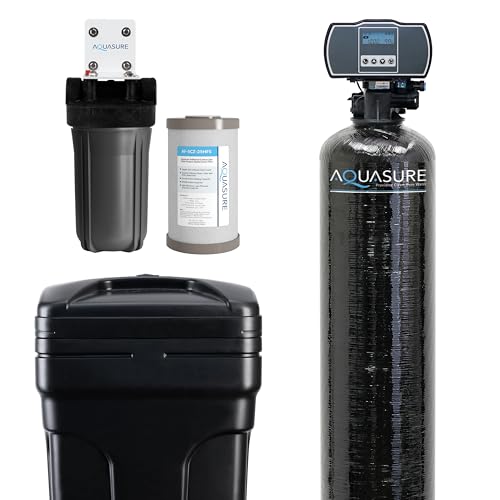
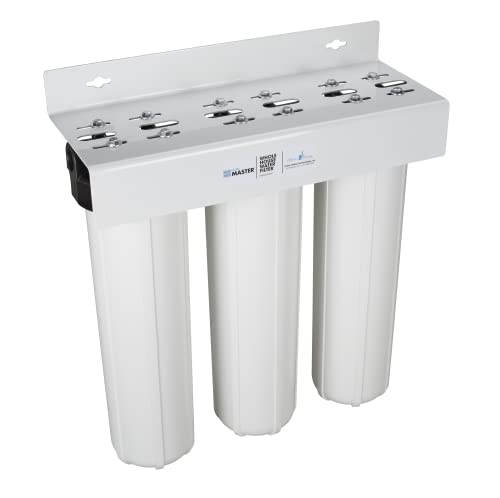

Upfront pricing shifts by treatment type, home size, and the plumbing work required. A softener usually costs less than a full combo setup, while a whole-house filter can range from a basic cartridge tank to a larger multi-stage system. Reverse osmosis stays lower cost because it treats drinking water at one faucet, not the whole house.
Water treatment cost matrix
| System type | Typical upfront range | Installation range | Annual consumables | 5-year estimated total | Best-fit household scenario |
|---|---|---|---|---|---|
| Water softener | $500-$1,800 | $300-$1,200 | $60-$300 | $1,100-$4,500 | Hard water only, whole-home treatment, 1-6 people |
| Whole-house filtration system | $400-$2,500 | $250-$1,000 | $80-$400 | $1,050-$5,500 | Contaminants only, whole-home treatment, 1-6 people |
| 2-in-1 softener and filtration system | $1,200-$3,500 | $500-$1,500 | $120-$500 | $2,300-$8,500 | Hard water plus contaminants, whole-home use, up to 5 people |
| Reverse osmosis water filter system | $150-$800 | $0-$400 | $60-$250 | $450-$2,450 | Drinking water only, under-sink or point-of-use setup |
The ranges above assume common residential installs, not unusually complex plumbing. A larger home, a tight mechanical room, or a spot that needs new shutoffs can push a project toward the top of the range fast. Whole-house systems also cost more when the inlet, drain, and bypass layout needs changes.
Softener-only pricing usually comes down to grain capacity, valve quality, and whether the unit includes smart controls. Whole-house filters move with media type and flow rate. Reverse osmosis costs less upfront because it treats one tap, but it uses replacement cartridges and a membrane that add to the long-term bill.
How much installation adds?
Installation usually adds a few hundred dollars for a simple swap, and more when new plumbing, drain lines, or electrical work is required. For a whole-house softener or filter, the labor bill can rise quickly if the installer must move piping, add a bypass valve, or set up a new prefilter stage. Under-sink reverse osmosis usually stays cheaper to install.
Simple swap versus new plumbing
If the house already has a clear install spot, a bypass, and nearby drain access, the labor cost stays lower. If the system must go in a cramped utility room or basement corner, expect more time and a higher bill. That is where the first-year cost can move far above the sticker price.
A common first-timer mistake is buying a whole-house unit and assuming the box price is the full price. Say your home has older copper lines and no drain near the entry point. A plumber may need extra fittings, a condensate route, or a new bypass assembly before the system can go in.
Bypass valves, drains, and prefilters
Bypass valves let you service the unit without shutting down the house supply, and many whole-home systems need one. Drains matter for softeners because they discharge during regeneration. Some water problems also call for a prefilter, which adds another cartridge, another housing, and another recurring replacement cost.
Those add-ons are easy to miss during shopping. They do not always appear in the product headline, but they show up in the total project cost. If your water has sediment, a prefilter may protect the main unit and cut repair risk later.
When you need a pro
EcoPure says installation can be done by homeowners or licensed professionals. For a simple under-sink reverse osmosis unit, a handy homeowner may be able to handle it. For a whole-house softener, whole-house filter, or integrated combo system, a pro is often worth the added labor cost because the plumbing has to be correct.
Professional installation makes more sense when the house has hard piping, limited access, or a wastewater system that must be considered during drain routing. It also helps if you want the installer to check pressure, bypass function, and leak points before the first full run.
Which system fits your water problem?
Start with the actual water problem. Softeners handle hard water. Filters handle unwanted contaminants. A combo system handles both in one whole-home unit. Reverse osmosis is usually the low-cost drinking-water option when taste, TDS, or lead matter most at a single tap.
Hard water only
A water softener is the direct answer when the main issue is scale, soap spotting, dry skin, or appliance buildup. It treats the full house, so every shower and faucet benefits. The same source says its softeners are designed to last 10 or more years, which makes the long-term cost easier to justify if hardness is the only issue.
Softener cost is also easier to predict than a multi-stage filter setup. The main ongoing expense is salt, plus occasional cleaner and service if the unit needs it. Household size matters because a 6-person home usually needs more capacity than a smaller household.
Contaminants only
A whole-house filtration system makes more sense when the concern is sediment, chlorine, odor, or other unwanted contaminants in the supply. The same source says whole-home filtration is available as a separate category, and it also says some filter systems are easy to maintain and replacements are simple. That cuts day-to-day effort.
Under-sink filtration is the cheaper route if you only need better drinking water. The same source says under-sink systems are also available separately, and it describes its reverse osmosis filter as fitting an existing faucet. That keeps the system focused on the tap you use most for drinking and cooking.
Hard water plus contaminants
If you need both jobs done, a 2-in-1 softener and filtration system can cut the number of separate boxes you buy and maintain. The same source says its 2-in-1 system is an integrated whole-home solution, and it is described for up to 5-person households. The tradeoff is a higher upfront price and a more complex install.
Suppose your home has chalky white scale in showers and a strong chlorine taste at the kitchen tap. A combo system can address both issues with one whole-home setup. Separate units may still be cheaper if the water problem is mild or if the drinking-water issue can be handled with a point-of-use filter instead.
Is a 2-in-1 system worth it?
A 2-in-1 system is worth a close look when you need both softening and filtration, want one whole-home setup, and do not want two separate maintenance schedules. It often costs less than buying two full-size systems, but only if the water issues are broad enough to justify the larger unit and its upkeep.
When one unit costs less than two
One integrated system can be cheaper than separate softener and filter units when installation would otherwise require two sets of plumbing changes, two bypass layouts, and two maintenance plans. That is especially true in homes where the water entry point is easy to reach and the household needs whole-home treatment.
If the contaminant issue is only at the kitchen sink, a combo system is harder to justify. A whole-house softener plus a small reverse osmosis unit may cost less over five years than a larger combined system, especially when the reverse osmosis unit is the only part that needs drinking-water grade treatment.
Size and household fit for up to 5 people
EcoPure sells a 2-in-1 softener and filtration system for up to 5-person households. That sizing matters because undersized systems can regenerate too often, wear faster, and raise salt or cartridge costs. A properly sized unit should match peak demand, not just average use.
For a 5-person home, the combo system can be a strong fit if the water test shows both hardness and contaminants. For a 6-person home, a separate softener may be a better starting point if the demand is heavy, because EcoPure offers a Wi-Fi water softener for up to 6-person households.
Tradeoffs versus separate units
Separate units can win on flexibility. You can size the softener for hard water and choose a filter only where the contaminant issue matters most. That can lower the first-year spend and keep replacement parts simpler. The downside is more hardware and more installation work.
Combo systems are better when space is tight and you want one service point. Separate systems are better when one problem is mild or isolated. The right choice depends on hardness level, contaminant type, and whether you want whole-home treatment or just better drinking water.
How much maintenance should you budget?
Plan for recurring costs before you buy. A softener needs salt and cleaner. A whole-house filter needs scheduled cartridge or media replacement. Reverse osmosis needs filter changes and a membrane over time. The lower sticker price can be misleading if the replacement schedule is frequent.
Salt, cartridges, and cleaner
Softener salt is the steady cost. The amount depends on water hardness, household size, and how often the system regenerates. Filter systems use replacement cartridges or media, and under-sink reverse osmosis adds its own cartridge set. Cleaner products for softeners are another small but real budget item.
Maintenance reminders help keep those costs predictable. Scheduled filter replacement prompts prevent a system from running too long with a clogged cartridge. Softener cleaner reminders help keep resin performance on track. Those prompts matter because missed upkeep can shorten system life and raise repair risk.
Filter replacement timing
Replacement timing varies by water quality and filter type. A whole-house filter may need changes every few months to a year, while some media tanks last much longer before service. Reverse osmosis filters usually follow a more frequent cartridge schedule because the system is focused on drinking water quality.
Look for third-party certifications and warranty support when comparing products. The same source says its systems come with warranties and third-party certifications. That does not erase maintenance costs, but it does give more confidence that the unit has been validated by outside standards.
How do size and lifespan affect total cost?
Household size changes the economics more than many buyers expect. A 5-person or 6-person home can push a smaller unit into frequent regeneration, which increases salt use and wear. A larger-capacity system may cost more upfront, but it can lower long-term service needs and hold performance better.
5-person and 6-person homes
The same source says its 2-in-1 system is for up to 5-person households, and its Wi-Fi water softener is for up to 6-person households. That difference matters because a 6-person home usually needs more throughput and a stronger softening setup. Buying for the right household size helps avoid short cycling and premature upkeep.
For a 5-person home with both hardness and contaminants, the combo system may fit well if the water load is moderate. For a 6-person home with strong hard water, a dedicated softener can be the better base system, then a separate filter can be added where needed.
Expected lifespan by system type
The same source says its softeners are designed to last 10 or more years. Filter housings can last a long time too, but the cartridges or media inside them do not. Reverse osmosis systems also have a long housing life, though filters and membranes need periodic replacement. That split affects the true ownership cost.
Long-lived equipment can still become expensive if upkeep is neglected. A system with a low sticker price and high replacement frequency may cost more over five years than a better-built unit with higher upfront cost. That is why total cost, not just purchase price, should drive the decision.
Frequently asked questions
How much does a water softener and filter system cost?
A water softener and filter system usually lands in roughly the $1,000 to $4,500 installed range in year one, with combo systems often near the higher end. The final price depends on whether you buy a single softener, a whole-house filter, a 2-in-1 unit, or a reverse osmosis setup for one tap.
What is the cost difference between a softener, filter, and combo system?
A single softener or whole-house filter usually costs less than a combo system because it does one job and uses less plumbing. A 2-in-1 system usually costs more upfront and during installation, but it can be cheaper than buying separate whole-house units when you need both hardness treatment and contaminant reduction.
How much does installation add to a whole-house water treatment system?
Installation often adds roughly $250 to $1,500, depending on access, plumbing changes, drain routing, and whether a bypass valve or prefilter is needed. A simple replacement in an open utility space costs less than a first-time install that needs new lines or extra fittings.
Is a 2-in-1 softener and filtration system worth it?
It is worth it when you need both hard-water treatment and contaminant reduction at the same time, especially in a whole-home setup. The same source says its 2-in-1 system is an integrated whole-home solution for up to 5-person households, so it fits best when you want one unit instead of two separate systems.
What system do I need for hard water and contaminants?
Hard water calls for a softener, contaminants call for a filter, and both problems call for either a combo system or two separate units. A water test helps you choose correctly before you spend on equipment you do not need. Free hard water test strips and free drinking water test strips are useful screening tools.
How long do water softeners and filters last?
The same source says its softeners are designed to last 10 or more years. Whole-house filter housings can last a long time, but the cartridges or media inside them need regular replacement. Reverse osmosis systems also rely on cartridge and membrane changes, so the full system life depends on upkeep as much as build quality.
Sponsored / affiliate links. As an Amazon Associate I earn from qualifying purchases. I may earn additional commission from eligible campaigns.