Why Do My Pipes Make Noise Only in Cold Weather?
Pipes that only make noise in cold weather are usually reacting to thermal contraction, but a sudden bang, whistle, or weak flow in subfreezing weather can mean a pipe is freezing. Ignoring the wrong sound can crack a pipe and cause major water damage. This guide shows how to match the noise pattern to the most likely cause and decide when to act fast.
Winter pipe noise guide

| Noise pattern | Likely cause | Fastest homeowner check | Urgency level |
|---|---|---|---|
| Ticking or creaking | Thermal contraction in metal pipes, or PEX shifting in clips as temperatures fall | Check whether the sound starts as the room or pipe run cools, especially along exposed pipe sections | Usually low if flow is normal |
| Banging or thumping | Water hammer after a fixture shuts off, or a pipe knocking against framing | Run a faucet, then shut it off quickly and listen for a single hard hit | Moderate if repeated; higher if pipes are loose |
| Sputtering | Air in the line, or a partially frozen supply pipe that is restricting flow | Open the affected faucet and watch whether air spits out before steady water starts | Moderate to high in freezing weather |
| Gurgling | Air trapped in plumbing lines, or a drain line issue if the sound is at a sink or tub drain | Compare the noise at a faucet, toilet, and nearby drain to find the source | Usually moderate |
| Dripping | Condensation, a small leak, or a pipe that is thawing after a freeze | Wipe the pipe dry and see whether fresh moisture returns from one spot | High if the drip is new or near a frozen run |
| Low flow or no flow | Partial freeze or full freeze in a supply pipe | Compare one fixture with others on the same branch or floor | High |
| Crack, bulge, frost, or leak after thaw | Pipe may already be split or rupturing from ice expansion | Shut off the water supply and check nearby framing, cabinets, or wall surfaces for wet wood and fresh staining | Shut off water now |
What the noise pattern means
Cold weather changes plumbing noise patterns, but each sound points to a different cause. Ticking and creaking usually point to materials moving as they cool, while banging often points to pressure changes or loose supports. Sputtering, gurgling, dripping, and weak flow deserve more attention because they can point to air, partial freezing, or a leak after thaw.
Ticking and creaking
Ticking and creaking are common when temperatures fall because pipe materials shrink at different rates than the framing around them. Metal pipe runs often make sharper sounds than plastic, and PEX can move in its clips or straps as it contracts. If the sound starts as the space cools and water flow stays normal, the cause is often thermal movement.
Banging and thumping
Banging is usually a pressure problem, not an ice problem. A fast valve closure can send a shock wave through the line, which is water hammer. Cold weather can make it more noticeable because fixtures are used differently, pipes contract, and loose supports let the pipe hit wood or metal framing.
Sputtering, gurgling, and dripping
Sputtering and gurgling often mean air in the plumbing line. In freezing weather, that can mimic a freeze because a partially blocked pipe may let water through in spurts. Dripping can mean condensation on a cold pipe, but a new drip from one spot can also be a thawing leak after ice has stressed the pipe wall.
Low flow and no flow
Weak flow or no flow is one of the clearest warning signs of a frozen supply pipe. Partial freezing can leave a narrow opening that still passes some water, then block further as ice expands. That can build pressure in the trapped section and raise the chance of a split once the ice shifts or thaws.
Say your kitchen faucet starts with a few air pops, then the stream drops to a thin thread while the bathroom sink still runs normally. That pattern points to a frozen or partially frozen branch line, not a general water service problem. A single affected fixture helps narrow the search to one exposed run or branch.
Why do pipes sound different in cold weather?
Cold weather changes how pipe materials move, so the sound changes too. Metal often contracts with a sharper tick or pop, while PEX can shift in straps, hangers, or holes in framing. Pipes in crawlspaces, attics, garages, and exterior walls cool faster, so the movement is louder and easier to hear.
Thermal contraction in metal pipe runs
Metal pipes shorten as they cool. If a copper or steel run is tight against a joist, stud, or hanger, that movement can sound like tapping, ticking, or a light pop. The noise often starts when the temperature drops fast, such as overnight, and may repeat as the pipe cools in stages.
How PEX reacts to temperature swings
PEX expands and contracts too, but it usually moves more quietly than metal unless it is rubbing against a fastener or hole edge. A loose clip can let PEX slide and snap back, which makes a small knocking sound. The pipe itself may be fine; the noise can come from the way it is supported.
Why exposed runs are louder
Pipes in crawlspaces, attics, garages, and exterior walls lose heat faster than pipes inside conditioned rooms. That rapid temperature swing makes contraction noises easier to hear. Foam pipe sleeves can reduce heat loss and soften some of that movement, but they do not fix poor support or a freezing run by themselves.
Could this be a frozen pipe?
A frozen pipe is more likely when the sound comes with weak flow, no flow, or a pipe that feels unusually cold and has frost on the outside. A partially frozen pipe may still pass some water, and it can make noise before a full blockage forms. That is why a winter sound check should look at flow, pipe exterior, and whether the noise is changing over time.
Partial freeze and restricted flow
Ice does not need to block a pipe completely to cause trouble. A partially frozen supply pipe can narrow the passage, so water may sputter, slow down, or stop at one fixture while others still work. That restriction can also produce a whistling or hissing sound if water is trying to squeeze through a small opening.
Pressure buildup and burst risk
As water freezes, it expands. In a supply pipe with a blocked section, that expansion can trap pressure between the ice and a closed faucet or valve. The risk is not only the frozen spot itself. The pipe can split several feet away, then leak hard once it thaws.
Signs a pipe may already be cracking
Shut off water now if you see frost on the pipe exterior, a bulge, a new damp spot, or staining near a wall, ceiling, or cabinet. An odor of wet wood or mildew after a thaw can also point to a hidden leak. Reduced flow that turns into no flow is another strong warning sign.
Suppose a hose bib in a garage gives no water on a very cold morning, and the pipe feels frosted near the wall. That is not a nuisance noise problem. It is a freeze warning, and the safest next move is to shut off the water supply and warm the area gently only after the pipe is isolated.
Why do pipes bang or knock in winter?
Banging in winter often comes from water hammer or from a pipe striking framing as it moves. It is easy to blame ice, but the sound pattern matters. A single hard bang right after a faucet or appliance shuts off usually points more to pressure shock than to freezing.
Water hammer after a fixture shuts off
Water hammer happens when moving water stops suddenly and the pressure wave slams through the line. It can commonly sound like a bang, thump, or knock. If the noise happens right after a washer valve, faucet, or dishwasher shuts off, water hammer is a strong suspect.
Loose supports and framing contact
Cold weather can make a supported pipe shrink away from a hanger or shift until it taps against a stud or joist. Loose straps, worn clips, or oversized holes can let the pipe move. Check for visible gaps, shiny wear marks, or a pipe that can be nudged by hand more than a small amount.
Air chambers and arrestors
Older plumbing may have air chambers that cushion pressure surges, but those chambers can fill with water over time and stop working. Dedicated arrestors are used on some fixtures to reduce water hammer. If banging starts after a fixture change or appliance replacement, the piping may need support or a proper arrestor, not freeze treatment.
-
Shut the noisy fixture. Run the faucet, valve, or appliance that triggers the bang, then close it and listen for the exact moment the noise starts. A bang right after shutoff points to water hammer.
-
Inspect the nearest supports. Look at straps, hangers, and pipe clips along the run. Loose hardware or rubbing against framing can turn a small pressure surge into a loud knock.
-
Compare with other fixtures. Open a different faucet on the same branch. If the sound stays tied to one fixture, the cause is often local rather than a whole-house freeze.
What to check in exposed pipe areas
Exposed pipe runs in crawlspaces, attics, garages, exterior walls, and mobile homes are the first places to inspect. These spaces cool faster and often have gaps, thin insulation, or wind movement around the pipe. A quick visual check can tell you whether the noise is likely thermal movement or a freeze risk.
Crawlspaces and attics
Look for foam sleeves that are split open, missing sections, or compressed flat. Check whether pipes are hanging loose or touching framing. In these spaces, draft sealing around vents, penetrations, and access hatches matters because cold air can drive the pipe temperature down fast.
Garages and exterior walls
Garage ceilings, rim joists, and pipes in exterior walls are common trouble spots. If a pipe is on an outside wall, the wall cavity may be colder than the room. Any noise paired with weak flow here deserves faster action because these runs can freeze before the rest of the house shows symptoms.
Mobile homes and vacant spaces
Mobile homes often have more exposed plumbing under the floor, which makes support and insulation more important. Vacant seasonal spaces are also at higher risk because heat may be turned down and nobody is running fixtures daily. If a branch is not needed, drain it down and close its supply before a hard cold snap.
-
Find the main shutoff. Locate the main water valve before freezing weather arrives. If you need to winterize a vacant area, you should know how to shut the water off without searching in the cold.
-
Drain vulnerable branches. Open the lowest faucet or drain point after shutting the valve so trapped water can leave the branch. This helps reduce freeze risk in empty rooms, outbuildings, and seasonal spaces.
-
Test fixture flow. After any thaw or noise event, run each nearby fixture for a short check. One fixture with weak flow while others are normal can isolate the problem to one exposed line.
Winter pipe insulation and heat cable
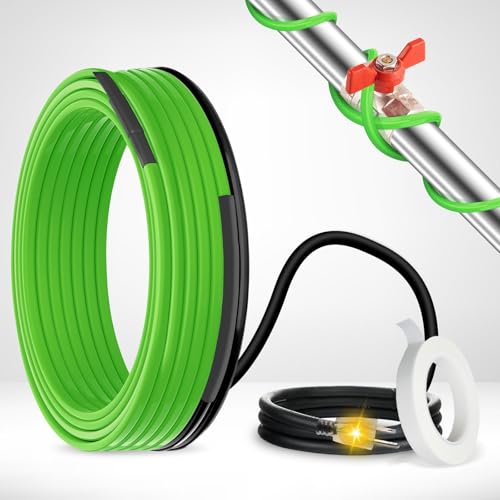
Insulation and heat cable can reduce freeze risk, but only when they are used on the right pipe in the right way. Foam sleeves help slow heat loss. Heat tape or heat cable is for vulnerable exposed runs, but it must be approved for the pipe type and installed with electrical safety in mind.
Foam sleeves and draft sealing
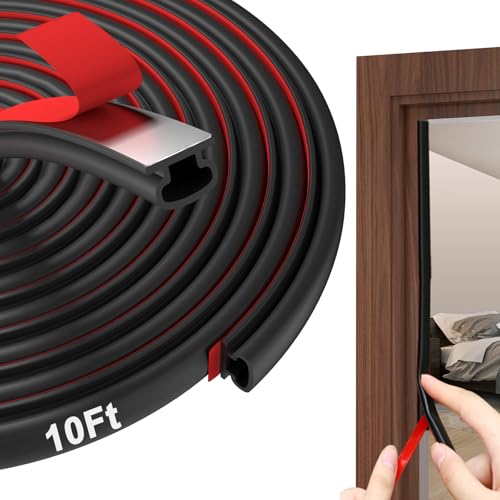
Foam pipe sleeves are useful on exposed supply lines in crawlspaces, attics, garages, and along exterior walls. They reduce heat loss and soften rapid temperature swings. Draft sealing around gaps, vents, and access points matters too, because insulation works better when cold air is not blowing directly on the pipe.
Self-regulating versus thermostatic heat cable
Self-regulating heat cable changes output as the pipe temperature changes, while thermostatic types switch on at set temperatures. Both are used on exposed water pipes when the product is approved for that job. Follow the label for pipe material, overlap limits, and installation method; do not assume one cable fits every line.
Electrical safety and GFCI use
Heat cable should be used with the electrical protection the manufacturer calls for, and GFCI protection is commonly part of that setup. Keep cable away from flammable materials and install it only on pipes the product allows. If the cable is damaged, wet, or tied into a questionable outlet, stop and have it checked before use.
A common first-timer mistake is wrapping heat cable around a pipe in a garage and then covering it with insulation without checking the label. That can trap heat where it should not go, or it can violate the product’s installation rules. Use only approved methods, especially on water lines that are already close to freezing.
Frequently asked questions
Why do my pipes make noise only in cold weather?
Cold weather changes pipe temperature fast, so metal contracts and PEX can shift in supports or clips. That often creates ticking or creaking. If the same noise comes with sputtering, weak flow, or frost on the pipe, the problem may be more than normal contraction.
Are noisy pipes in cold weather a sign of frozen pipes?
Not always. Ticking or creaking can be normal thermal movement. The warning signs for a frozen pipe are reduced flow, no water, frost on the pipe, bulging, cracking, or a new leak after thaw. Those signs mean you should shut off water and get help quickly.
Why do my pipes sound like banging or ticking in winter?
Ticking usually points to contraction or a pipe rubbing against framing. Banging often points to water hammer, loose supports, or a pipe striking a joist or stud. The key clue is timing: a bang right after a faucet closes is more likely pressure shock than freezing.
Why do I hear dripping or gurgling in pipes when it is cold?
Gurgling often means air in the line, and dripping can be condensation or a thawing leak. In cold weather, a partially frozen pipe can also make odd flow sounds before it fully blocks. Check whether the sound is at a faucet supply line, a drain, or a wall cavity.
Why are my heating pipes making noise when the heat turns on?
Heating pipes can pop, tick, or knock as they warm and expand. That is a different system from domestic water supply lines. If the noise starts when the heat turns on, look at pipe supports, expansion space, and contact with framing rather than freezing, unless the line is also losing flow.
Why do pipes burst in cold weather?
Water expands as it freezes. In a supply pipe that is partly blocked by ice, that expansion can raise pressure until the pipe splits. The split may not leak until the ice begins to thaw, which is why some burst pipes show damage only after temperatures rise.
Sponsored / affiliate links. As an Amazon Associate I earn from qualifying purchases. I may earn additional commission from eligible campaigns.