How to Keep Pipes From Freezing in an Unheated Garage
Insulate exposed garage pipe runs, seal air leaks with caulk or foam sealant, and add heat tape or a thermostat-controlled cable to the coldest sections. If a line is uninsulated or only used seasonally, reroute it or drain it instead. A frozen line can burst and flood the garage, and pressure can spike sharply inside the pipe.
What you’ll need

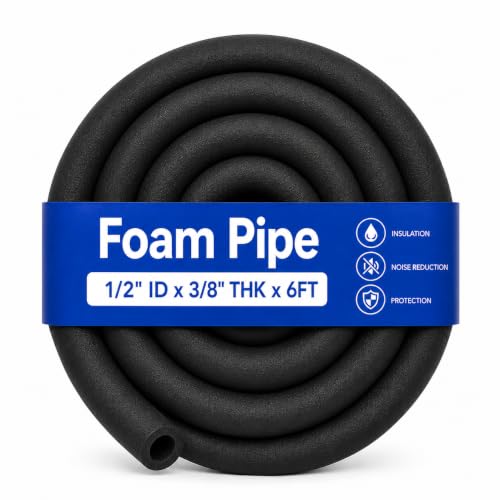

- Foam pipe insulation sized to the pipe diameter
- Sealing tape for foam sleeves
- Measuring tape
- Thermostat-controlled heat tape or heating cable approved for the line
- Caulk or foam sealant for gaps
- Weatherstripping for the garage door and access doors
- Flashlight
- Gloves
- Thermometer for checking cold spots
📊 Frozen pipes generally occur below 20°F, though freezing can happen above that. Source: Consumerreports.
What freezes first in a garage
Detached garages are often the highest risk because they lose heat quickly. Attached garages can still freeze pipes, especially near exterior walls, slab edges, and door openings where cold air can reach the plumbing. Consumer Reports identifies garages as unheated interior spaces at risk, and pipes in garages are among the most susceptible to freezing.
Look first at exposed supply lines, then at any section running along an outside wall or across a cold slab. Pipes in these spots may cool long before the rest of the house does. Frozen pipes generally occur below 20°F, though freezing can happen above that.
Warning signs that a section is cooling too fast
Reduced water flow is the first warning sign. A small trickle may still pass, but a slowed faucet can mean ice has already started forming in the line. If the pipe feels colder than nearby runs or sits near a draft, treat it as a high-risk section.
Should you insulate or use heat tape?
Use foam insulation on exposed pipe runs that are cold, but still reachable by warmer air and not exposed to long, hard freezes. Use heat tape or heating cable when a section stays cold for long periods or sits on a wall or slab that keeps pulling heat away. If the pipe route is poor, rerouting is safer than adding more layers.
When foam insulation is enough
Foam pipe insulation works best on common pipe diameters with short, exposed interior runs. Cut it to length, wrap the sleeve around the pipe, and seal the seams with tape. It is a low-cost first step and can cost just a few dollars at a hardware store.
When a thermostat-controlled cable is the better choice
Choose heat tape or heating cable when the line has long exposure time, a drafty path, or repeated freeze risk. These products can be thermostatically controlled, and some may be covered by insulation for extra protection when the label allows it. Use only on approved sections and follow the electrical instructions exactly.
When rerouting or professional repair is the safer call
If the pipe disappears behind a finished garage wall, crosses a garage-to-house transition, or sits where you cannot seal drafts, insulation may not solve the problem. That is also true when a line is already partly frozen or has burst before. In those cases, rerouting or repair is the better fix.
What to check first
- Trace the pipe route from the water source to the fixture.
- Mark every section near an exterior wall, slab edge, or door opening.
- Check for gaps around pipe penetrations, framing, and trim.
- Feel for drafts around the garage door and wall seams.
- Note any bare pipe, missing insulation, or cold metal contact with concrete.
Suppose a 3/4-inch supply line runs about 18 feet along the garage ceiling and crosses an unsealed wall penetration near the door. That one opening can chill the whole run. Mark the penetration, then fix the leak path before adding insulation, or the pipe may still freeze.
How do I keep pipes from freezing in an unheated garage?
Start by closing the garage door, sealing gaps with caulk or foam sealant, and insulating exposed pipes. Then add heat tape to the coldest sections if the line still sits in a freezing pocket. In an unheated garage, pipe protection depends on both insulation and reducing cold air infiltration.
Step 1: Seal the garage heat loss
- Close the garage door whenever the temperature drops.
- Apply weatherstripping where the door leaks air.
- Seal gaps around pipe penetrations with caulk or foam sealant.
- Keep the thermostat steady and avoid deep setbacks; a common minimum target is 55°F when away.
Attached garages usually benefit more from this step than detached ones, because they can borrow some heat from the house. Detached garages need stricter air sealing and more pipe protection because they lose heat faster.
Step 2: Add pipe protection
- Slide foam sleeves over exposed pipe runs.
- Cut sleeves to length so each seam fits tightly.
- Wrap and tape the joints to reduce air gaps.
- Install approved heat tape on the coldest sections if insulation alone is not enough.
- Open nearby cabinet doors or access panels so warmer indoor air can reach the pipe.
Remove chemicals from cabinets before opening them for warmth. Keep the air path clear so heat can move around the pipe, not just below it. That matters most for lines near exterior walls or behind built-ins.
Step 3: Use a drip only as a temporary backup
- During a cold snap, open the most vulnerable garage-served faucet to a small trickle.
- Choose a fixture on the exposed branch, not every faucet in the house.
- Keep the trickle small, not a full flow.
- Stop the drip after temperatures rise and the line is stable again.
A common first-timer mistake is dripping every faucet, which wastes water and adds little benefit on lines that are already warm enough. The best candidates are exposed or vulnerable garage branches, especially when the pipe route is short and the cold spell is temporary.
What temperature should a garage stay at to protect pipes?
Keep the garage above freezing if possible, and avoid setback drops during cold weather. Consumer Reports recommends keeping the thermostat no lower than 55°F when away. That does not guarantee protection in every garage, but it reduces risk when pipes run through unheated space.
Detached garages may need more help than attached garages because they lose stored heat faster. If the garage is partially conditioned, watch the sections nearest the exterior wall first. A constant temperature matters more than occasional bursts of warmth.
Garage pipe freeze-risk checklist
Use this checklist to match the pipe segment to the right fix. Pay attention to where the pipe runs, what it sits against, and whether a draft reaches it. If a section has both exposure and air leakage, move it up the urgency scale.
| Pipe location | Exposure type | Visible draft source | Insulation already present | Recommended fix | Urgency level |
|---|---|---|---|---|---|
| Along exterior garage wall | Long exposed supply line | Gaps at wall penetration | None | Foam insulation plus sealant; add heat tape if it stays cold | High |
| Near garage door opening | Short exposed branch | Door bottom leak | Partial foam sleeve | Weatherstripping, close door, then add full foam coverage | High |
| Across slab edge | Pipe touching cold concrete | Cold floor edge | None | Reroute if possible; otherwise use approved heat tape | High |
| Inside a finished garage wall | Hidden run with unknown air gaps | Draft at trim or outlet box | Unknown | Professional inspection and possible reroute | Urgent |
| Attached garage near house wall | Partially conditioned run | Minor leakage only | Foam sleeve | Seal penetrations, keep thermostat steady, monitor flow | Moderate |
| Detached garage ceiling run | Long exposed run | Drafts around door and seams | Foam sleeve plus tape | Add heat tape, improve sealing, and keep the door closed | High |
What should I do if the garage pipe flow slows down?
Assume a partial freeze and act at once. Keep the faucet open, warm the line with a safe heat source such as a hairdryer or space heater set at a safe distance, and check nearby pipe sections for ice. If the pipe bursts, shut off the main valve immediately.
Do not use open flame. Watch the flow as the pipe thaws, because reduced flow often returns before the line is fully clear. If the pipe stays hidden behind a finished wall or flow never improves, call a plumber rather than forcing heat into the cavity.
Common mistakes
- Relying on foam insulation alone during long cold spells. Use heat tape or reroute the line if the section stays cold.
- Covering heating cable without checking the label. Only cover it when the product allows insulation over it.
- Ignoring drafts at pipe penetrations. A small gap can keep chilling the same spot.
- Dripping every faucet instead of the exposed branch that needs it.
- Turning the heat down sharply before a freeze. Keep the system steady.
- Waiting for a full stop in flow. Slow water can be the warning sign.
Frequently asked questions
Should I insulate pipes in a garage or use heat tape?
Use foam insulation first on exposed runs, then add heat tape on the coldest sections if the pipe still sits in a freezing pocket. A thermostatically controlled cable is the better choice when a line stays cold for long periods, while rerouting is safer for hidden or hard-to-seal sections.
Can garage pipes freeze even if they are insulated?
Yes. Insulation slows heat loss, but it does not stop freezing if the garage stays cold enough for long enough. Pipes near exterior walls, slab edges, or drafts are still vulnerable. Add air sealing, steady heat, or heat tape when the risk is more than occasional.
How do I winterize pipes in an attached garage?
Close the garage door, seal wall and floor gaps, keep the thermostat steady, and insulate any exposed supply lines. Pay extra attention where the garage meets the house, because that transition can leak cold air. If a run still freezes, add approved heat tape or reroute it.
Does letting a faucet drip help garage pipes from freezing?
Yes, a small trickle can help during a cold snap, especially on exposed garage-fed branches. It is a temporary measure, not a permanent fix. Use it when temperatures dip and the pipe route is vulnerable, then stop once the freeze risk passes.
Sponsored / affiliate links. As an Amazon Associate I earn from qualifying purchases. I may earn additional commission from eligible campaigns.