How to Thaw Frozen Pipes Under a Mobile Home
Reviewed by:
Thaw a frozen pipe under a mobile home by first deciding whether the blockage is in the supply line or the drain line, then expose the shortest safe section, use gentle heat, and stop at the first sign of movement. If you heat the wrong pipe or use open flame, you can rupture fittings, flood the crawl space, or create a fire. The American Red Cross advises using safe heat sources and avoiding anything that can ignite nearby materials, and university extension guidance on frozen pipes emphasizes shutting off water before thawing and checking for leaks as ice clears. This guide covers how to identify the frozen line, choose access points, apply safe heat, and know when to call a plumber. American Red Cross | University of Minnesota Extension
Frozen pipe decision table


Under a mobile home, the symptom pattern matters. A supply line freeze and a drain line freeze do not act the same way, and the safest next step changes with access, frost, and backup signs. In manufactured homes, exposed supply runs, belly-wrap openings, and skirting gaps often create the cold spots that freeze first, especially around the main trunk line, branch lines to sinks and baths, and any section crossing an unheated crawl space.
| Symptom pattern | Likely frozen component | Safest next action |
|---|---|---|
| No water at all at several fixtures | Main supply line or a shared branch in an exposed run | Close the main water supply clockwise, open one affected faucet, then inspect the most exposed underfloor run first |
| One fixture is dead | Branch supply line to that fixture | Trace that line back from the fixture and look for frost, a bulge, or a cold spot before using gentle heat |
| Low pressure or slow flow | Partly frozen supply line | Keep the faucet open and thaw from the faucet back toward the blockage with a hair dryer |
| Drain backup signs, gurgling, or a sewage smell | Frozen or blocked drain line | Stop using the fixture, check the drain route under the home, and call a plumber if the line is hidden or inaccessible |
| Visible frost on underbelly piping | Exposed pipe section in a cold space | Use controlled heat on the frosted section and watch for leaks as ice clears |
| Inaccessible piping under damaged belly wrap or tight skirting | Unknown until access improves | Do not force entry into a cramped or wind-exposed crawl space; escalate to a plumber if you cannot reach the line safely |
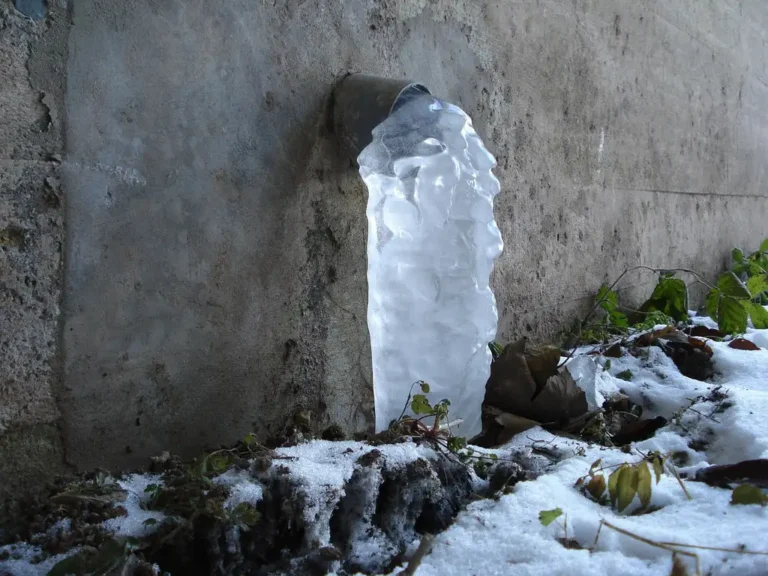
Frozen water pipes block with ice, build pressure, and can split after they thaw, especially in exposed runs and cold spaces under a mobile home. The problem is most likely in exterior walls, crawl spaces, garages, attics, rim joists, or the cabinet under an outside-wall sink. Insurer and utility home-prep guidance also points to insulating exposed lines and keeping vulnerable piping out of drafts as core prevention steps. Travelers home-safety guidance | National Grid frozen-pipe prevention
Should you shut off the water first?
Yes. Close the main water supply before you thaw anything, then leave the affected faucet open. That reduces pressure in the pipe and lowers flood risk if a split opens when ice begins to melt. It also gives meltwater a path out instead of trapping it behind the blockage. The American Red Cross recommends shutting off the water supply before thawing to reduce damage if the line has already cracked. American Red Cross
Why the open faucet matters
An open faucet helps relieve pressure while the ice breaks down. If the pipe clears suddenly, water can move instead of pushing harder on a weak spot. That matters under a mobile home, where a split supply line can dump water into a crawl space fast.
A simple first sequence
- Close the main water shutoff valve.
- Open the faucet fed by the frozen line.
- Find the shortest visible section of pipe you can reach safely.
- Apply gentle heat and move it constantly.
- Watch for flow, leaks, or a new drip.
Suppose the kitchen sink loses pressure while the bathroom sink still runs. That points to a branch issue, not a whole-home freeze. Start near the dead fixture and follow the line toward the crawl space before you warm a larger section than needed.
How do you find the frozen section?
Look first at the most exposed runs, then trace the line from the dead fixture. Frozen sections often show up where pipes cross unheated space, pass through a rim joist, or run under damaged underbelly material. Frost, a bulge, a crack, or a cold spot all matter.
What to inspect first
- Exterior-wall cabinets under sinks.
- Rim joists and floor edges.
- Crawl-space runs near skirting openings.
- Garages, attics, and other unheated chases.
- Piping visible through torn or loose belly wrap.
A visible bulge or crack on an exposed pipe is a frozen-pipe warning sign. Icy residue on an exposed pipe can also point to freezing. If the pipe is already split, do not keep heating the damaged spot as if it were only iced over.
Know when the crawl space is too tight
Do not crawl under a frozen, wind-exposed unit just because the pipe might be there. If the underbelly is sagging, torn, wet, or blocking access, or if fittings are hidden behind insulation and framing, the safer choice is to stop and escalate. A cramped crawl space can turn a small plumbing problem into a fall, exposure, or flood hazard.
How to thaw frozen pipes in a mobile home is mostly about access discipline. Open the smallest safe path to the pipe, identify the frozen section, and keep your heat source moving. The goal is control, not speed.
Safe thaw steps under a mobile home
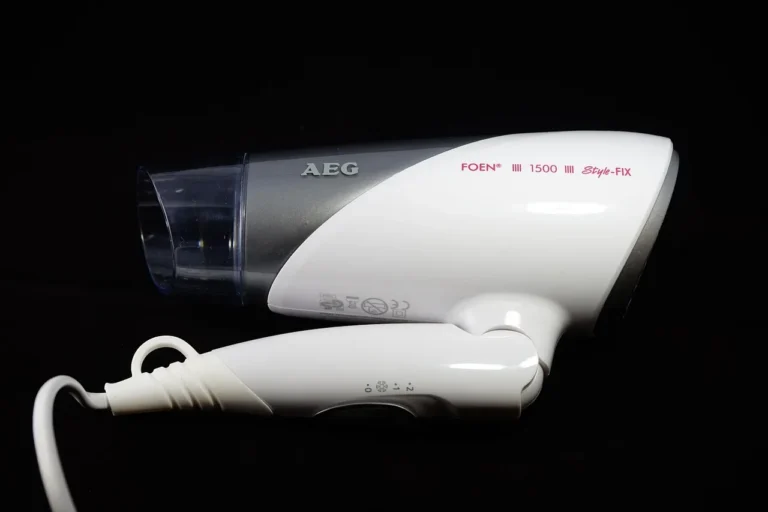
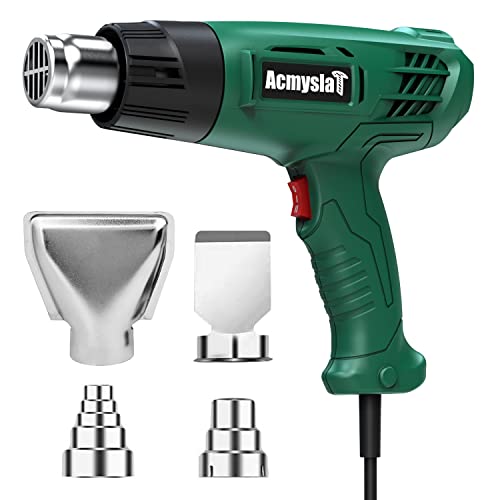
Use a hair dryer as the preferred DIY thaw tool for exposed pipe sections. Move it constantly along the pipe so one spot does not overheat. Utilities and home-safety resources consistently recommend gentle, non-flame heat for thawing frozen plumbing. American Red Cross | NFPA frozen-pipe safety
Use gentle heat, not intense heat
A hair dryer is a practical thawing tool for accessible pipe sections because it delivers controlled warm air without direct flame. Keep the nozzle moving and stop if the pipe surface, nearby insulation, or belly material starts to overheat.
Thaw from the faucet back
Work from the faucet back toward the blockage. That follows the melt path and lets pressure drop as the ice clears. If flow starts, keep the faucet open and continue warming the coldest visible section until the water runs steadily.
Do not use open flame
Never use an open flame or torch to thaw frozen pipes. It can start a fire and damage pipe material or solder joints. That risk is higher under a mobile home, where framing, insulation, and underbelly materials sit close to the pipe run.
Picture a cold morning with a single bathroom sink dead and frost on the supply line below the floor. A hair dryer aimed at that section, moved along the pipe, is the right kind of slow response. A torch would turn a repairable freeze into a fire risk.
Watch for leaks as ice clears
As the pipe thaws, keep checking the crawl space and the cabinets above it for drips. A frozen pipe can show no water flow or reduced flow at faucets, then leak once the ice plug moves. If water returns and you hear a hiss or see spray, shut off the main water again.
Can you thaw frozen drain pipes?
Yes, but drain symptoms differ from supply symptoms, and that changes the response. A sewage smell from drains can signal a frozen or blocked drain line. Backup, gurgling, or slow drain movement points to the waste line, not the pressurized supply line.
Where drain runs often freeze
Drain pipes under manufactured homes often cross cold, exposed spaces, and they may stay colder longer than supply runs if the belly wrap is open or the insulation is thin. If the line is buried in inaccessible framing or hidden behind damaged underbelly material, the thaw becomes a plumber job rather than a DIY task. State and university extension guidance on winter plumbing problems also emphasizes locating exposed sections and avoiding forceful heat in concealed spaces. University of Minnesota Extension | Michigan State University Extension
When a drain thaw is no longer DIY
Stop if the drain line cannot be reached without tearing large sections of belly material, if the freeze is near a hidden fitting, or if sewage backing up suggests a larger blockage. A drain thaw is not the same as warming a visible supply pipe. The wrong approach can push waste into the home.
When should you call a plumber?
Call a plumber when the pipe cannot be found or reached, the underbelly is split or damaged, fittings are hidden or inaccessible, or water returns and then freezes again. Those cases are common under mobile homes because the line can run through tight, suspended spaces that are hard to inspect safely.
Escalation signs that matter
- The line is under torn belly wrap.
- The pipe is behind insulation you cannot move safely.
- Multiple fixtures stay dry after a reasonable thaw attempt.
- You see a split, crack, or active leak.
- The same section keeps refreezing after it starts flowing.
Severe freezes can take time to clear, but the exact thaw time depends on pipe size, insulation, airflow, and how much of the run is exposed. If you cannot reach the pipe, or the pipe is buried behind damaged underbelly material, do not keep guessing. Hidden fittings and repeated refreezing usually mean the issue needs direct repair, not more heat.
Prevention after the thaw
Prevention starts with the cold spots that caused the freeze. Insulation gaps, air leaks around penetrations, and poor heat-source placement all make under-home pipes more vulnerable. Pipes freeze when the water inside them drops below freezing conditions, but the real-world risk rises earlier in exposed, wind-swept, or unheated spaces. Extension and utility guidance consistently focuses on sealing drafts and insulating vulnerable runs. University of Minnesota Extension | National Grid frozen-pipe prevention
Fix the air leaks and gaps
Check the underbelly, skirting edges, and any openings around pipe penetrations. Seal obvious air leaks and repair damaged insulation where you can reach it. Even a small draft can chill a suspended supply run enough to freeze, so the priority is reducing direct cold air across the piping rather than relying on the pipe alone to hold heat.
Use heat cable the right way
Pipe heat cable is for prevention, not for speeding through a freeze. Install it per manufacturer instructions and use the thermostatic control the product requires. If the cable is misplaced, crossed over itself, or run where it should not go, it can create a new problem instead of preventing one.
Place heat where the pipe is vulnerable
If a specific run freezes repeatedly, think about its location first. Pipes in exterior walls, crawl spaces, garages, attics, rim joists, and the cabinet under an outside-wall sink need the most attention.
How to thaw out pipes in a mobile home safely comes down to the same sequence every time: shut off the main water, open the affected faucet, identify the frozen line, apply gentle heat, and stop if the pipe is hidden, damaged, or still not moving. The safest thaw is the one that does not create a second emergency.
Frequently asked questions
How to thaw frozen water pipes in a mobile home
Start by closing the main water shutoff valve and opening the affected faucet. Then find the coldest visible section of pipe, usually in an unheated space such as a crawl space or exterior wall. Use a hair dryer or another gentle heat source, and move it constantly along the line. If the pipe is hidden behind damaged belly wrap or you see a split, stop and call a plumber.
How do you thaw frozen pipes in a mobile home?
Figure out whether the freeze is in the supply line or the drain line first. Then expose the shortest safe section, thaw from the faucet back toward the blockage, and keep the faucet open so meltwater can escape. Do not use a torch or any open flame.
Should I turn off the water if the pipes are frozen?
Yes. Close the main water supply before you start thawing. That relieves pressure and lowers the chance of flooding if a pipe has already split. Leave the faucet open so the meltwater has somewhere to go as the blockage clears.
How do you find the frozen section under a mobile home?
Check the most exposed runs first, including rim joists, exterior-wall cabinets, crawl-space piping, and any line near damaged underbelly material. Follow the pipe from the fixture that lost flow. Frost, icy residue, a bulge, or a crack all point to the likely freeze point.
Can you thaw frozen drain pipes in a mobile home?
Sometimes, but only if you can reach the line safely. A sewage smell, gurgling, or backup suggests a frozen or blocked drain line. If the pipe is hidden, the underbelly is damaged, or the blockage is not near an accessible section, call a plumber instead of pushing heat into a blind space.
When should you call a plumber instead of thawing it yourself?
Call a plumber if you cannot find or reach the pipe, the underbelly is split, fittings are hidden, or the line keeps freezing again after it starts flowing. Those are common mobile-home limits. They also raise the chance of a burst, flood, or repair that needs direct access.
Sponsored / affiliate links. As an Amazon Associate I earn from qualifying purchases. I may earn additional commission from eligible campaigns.