Should You Turn Off the Water If Your Pipes Are Frozen?
Turn off the water at once if you see cracking, leaking, bulging, or cannot reach the frozen section. Otherwise, leave the faucet open and thaw from the faucet back toward the blockage. Ignoring that rule can turn a frozen pipe into a burst pipe fast, with water damage and repair costs. This guide shows the safest next steps, thawing order, and when to call a plumber.
What to do first

Check whether water still flows at a nearby faucet, then look for frost, a bulge, staining, dripping, or a cracking sound. If you find any sign of damage or the pipe is hidden in a wall, crawl space, attic, basement, or garage, treat it as a leak risk and shut off the main water valve before you heat anything.
What you’ll need
- Flashlight
- Hair dryer or other low-risk heat source
- Access to the main shutoff valve
- A faucet closest to the suspected frozen section
- Towels or a shallow container for meltwater
Should you turn off the water if your pipes are frozen?
Turn off the water if the pipe is cracked, leaking, bulging, or frozen in a place you cannot inspect. If the line is frozen but shows no leak and you can reach it safely, keep the water on, open the nearest faucet, and thaw from the faucet side back toward the blockage. That lowers pressure while meltwater starts moving.
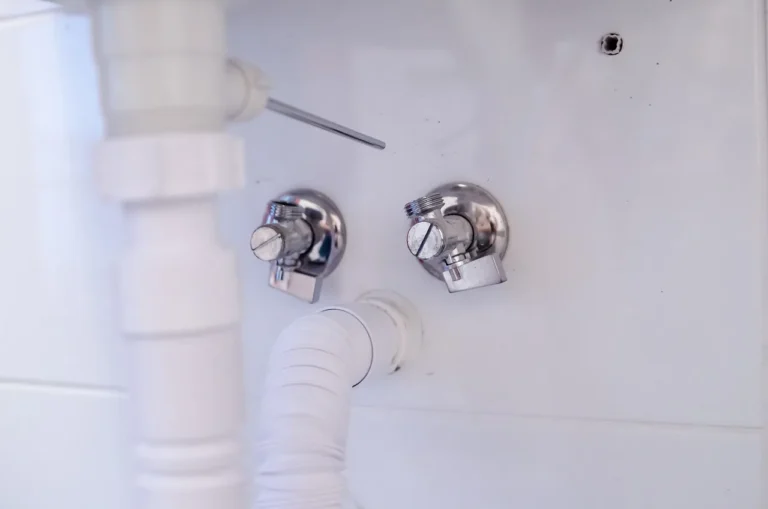
The main shutoff valve is the whole-house isolation point. Find it before winter starts, because a frozen pipe can go from blocked to burst quickly once thawing begins. Family Handyman advises turning off the water if frozen pipes are suspected, and opening the nearest faucet helps relieve pressure while thawing.
Frozen pipe decision checklist
| Scenario | Action order | Valves and faucets | Stop and call a plumber if… |
|---|---|---|---|
| No flow but no leak | Check the nearest faucet, open it fully, then thaw from the faucet side back toward the frozen section. | Keep the main shutoff valve open; open the faucet closest to the frozen section. | Water starts seeping, the pipe feels soft or swollen, or the frozen section is behind a wall or other closed cavity. |
| Visible frost, bulge, or noisy pipe | Close the main shutoff valve first, then open the nearest faucet to lower pressure before any thawing. | Close the whole-house main shutoff valve; open the nearest accessible faucet. | You see dripping, hear cracking, or the pipe changes shape while warming. |
| Suspected hidden freeze | Close the main shutoff valve, open the nearest faucet, and do not force heat into a wall or enclosed space. | Close the main shutoff valve; open the closest faucet you can reach. | The frozen section is inaccessible, behind drywall, under flooring, or in a crawl space you cannot safely enter. |
- Open the faucet closest to the frozen section.
- If there is any crack, drip, bulge, staining, or hidden freeze concern, close the main shutoff valve.
- Start warming the pipe from the faucet end and move toward the frozen section.
- Use steady heat, then stop if water begins to seep or the pipe changes shape.
- Leave the faucet open until flow returns in a steady stream.
Can frozen pipes thaw on their own?
Sometimes a frozen pipe will thaw without bursting, but the ice plug can still block water flow and build pressure behind it. That pressure is the failure mode to watch. Frozen pipes can burst from pressure, and not all frozen pipes burst, so no-flow alone is not proof of a crack.
Suppose a bathroom sink goes dry after a cold night, but the cabinet and pipe are dry. That is a no-flow case, not a leak case. Keep the faucet open and warm the exposed pipe section slowly. If the line is in a wall or crawl space, stop waiting once you suspect hidden freezing and shut off the water.
Family Handyman says frozen pipes can freeze in as little as six to eight hours. That is fast enough that a short cold snap can create trouble before the next morning. (Familyhandyman)
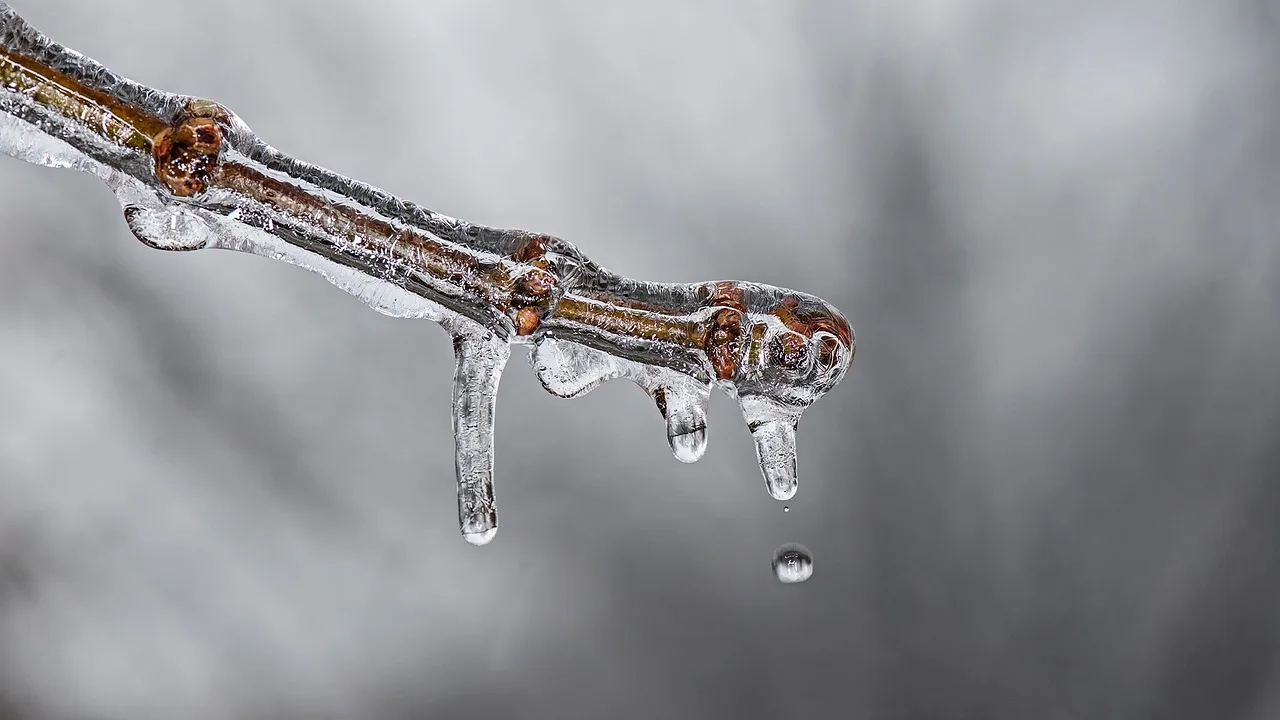
Start near the faucet and work back toward the frozen section. Open the faucet so meltwater has a place to go, then use a hair dryer on a low setting or another controlled heat source if that is suitable. Move the heat back and forth. Do not hold it on one spot.
Heat tape or heating cable can help if it is rated for the job and installed exactly as directed by the maker. The safest versions have thermostat or self-regulating control. Keep the home warm during cold snaps; some guidance recommends 55°F minimum, and exposed areas may need more heat.
- Set the thermostat to at least 55°F if the home is occupied during a cold snap.
- Open the nearest faucet to relieve pressure.
- Warm the pipe section closest to the faucet first.
- Move the heat source along the pipe in short passes.
- Stop if you smell burning, see damage, or hear cracking.
- Keep warming until water flows normally.
Say your kitchen sink sits on an outside wall and the pipe is exposed in the cabinet. A hair dryer on low, moved along the pipe, is the better choice than aiming heat at one spot. The faucet stays open the whole time so meltwater can escape instead of collecting behind the ice plug.
What not to use on frozen pipes
Do not use a propane torch, blowtorch, or kerosene heater on frozen pipes. Family Handyman and Seider both warn against open flame devices because they can damage the pipe and start a fire. Do not try to force heat into a wall, ceiling, or floor cavity.
Insulation matters most before a freeze, not after a pipe is already locked up. Foam sleeves or wrap can help with exposed pipes and unheated areas, but they are not a standalone fix for severe cold or a frozen line.
What happens if I leave frozen pipes alone?
You may get lucky, but you also may end up with a burst pipe once pressure builds or thawing begins. The danger is not only the ice plug; it is the water trapped behind it. As the ice shifts or starts to melt, pressure can rise and split the pipe.
A common mistake is assuming the pipes are fine just because no water is dripping from the ceiling. A hidden freeze can sit inside a wall or crawl space, then leak later when the ice moves. If the pipe is inaccessible or you cannot tell whether it is cracked, shut off the main valve and call a plumber.
How do I know which pipe is frozen?
Start with the last fixture that still worked, then work backward toward the coldest exposed section. The frozen pipe section is usually in an unheated or exposed area such as an exterior wall, attic, basement, crawl space, or garage. The closest accessible faucet to that section is the best one to open.
Picture an upstairs bathroom that still has hot water but no cold water at the sink. That points you toward the cold-water line serving that fixture, often in an outside wall or a nearby unheated cavity. If you cannot trace the line or the suspect section disappears into drywall, stop and call a plumber.
When should you call a plumber for frozen pipes?
Call a plumber if you cannot find the frozen section, cannot safely thaw it, suspect a burst behind a wall, ceiling, or floor, or the pipe is in a crawl space, attic, or other hard-to-reach area. PlumbWize recommends a licensed plumber for frozen pipes, especially when access is limited.
Also call if water does not return after careful thawing, if the pipe keeps dripping, or if you close the main valve and still hear water movement. A hidden split can leak after pressure changes, so the safer move is to stop and get help before more water escapes.
Frequently asked questions
Should I shut off the main water valve before thawing frozen pipes?
Yes, if you see cracking, leaking, bulging, or you cannot inspect the frozen section safely. Close the whole-house main shutoff valve, then open the nearest faucet to relieve pressure. If the pipe is accessible, dry, and only blocked by ice, you can keep the water on while you thaw from the faucet side back.
What should I do if a frozen pipe starts leaking or bursts?
Close the main shutoff valve at once and open the nearest faucet to drain pressure. Then move valuables away from the leak, dry standing water if it is safe, and call a plumber. If the leak is behind drywall or flooring, do not keep applying heat; the damage can spread quickly once the line opens.
Is it safe to use heat tape or a hair dryer on frozen pipes?
Yes, if you use the right tool the right way. A hair dryer on low is a controlled option for exposed pipe, and heat tape or heating cable can be used if it is rated for that job and installed per the instructions, ideally with thermostat or self-regulating control. Keep heat moving.
How to prevent the next freeze
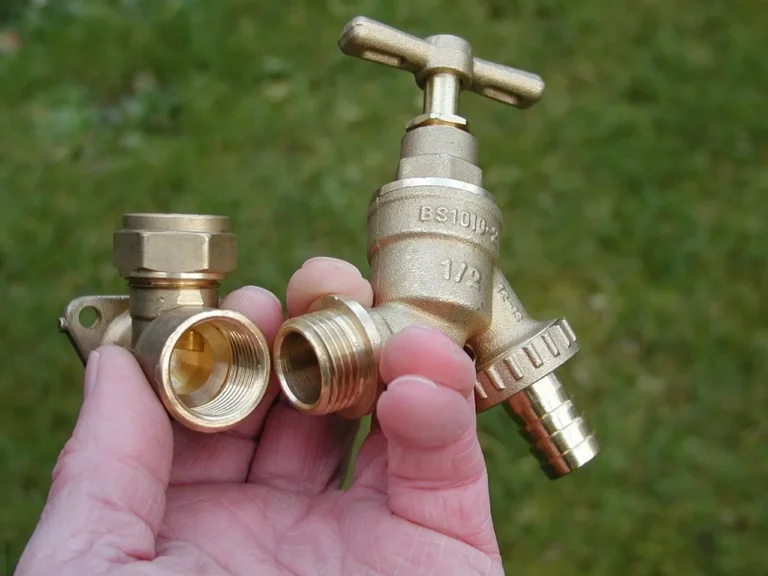
Disconnect garden hoses before freezing weather, drain outdoor faucets, and protect exterior hose bibs with covers or insulating material. Keep indoor heat steady through cold snaps. Some guidance recommends 55°F as a minimum, and exposed spaces may need more heat than the rest of the home.
For pipes in exposed areas, foam sleeves or wrap can reduce risk. Heat tape or heating cable can help if it is installed correctly and matched to the job. A slow trickle from a faucet during freezing weather is another common prevention step, especially during severe cold.
Sponsored / affiliate links. As an Amazon Associate I earn from qualifying purchases. I may earn additional commission from eligible campaigns.