Best Cleaners for Tile, Glass & Fixtures (2026): We Compared
Use an acid cleaner for soap scum and hard-water film on tile and glass, a neutral cleaner for painted or polished fixtures, and never use abrasives on chrome, acrylic, or coated glass. The wrong formula leaves haze, pits grout, strips plating, or scratches delicate finishes, turning a simple clean into a repair bill. This guide matches bathroom cleaners to tile, glass, and fixtures by surface and soil type, with safer picks and clear warning signs.
This guide is part of our Bathroom maintenance tips: a homeowner’s guide series.
Quick comparison
| Product | Badge | Best for | Price | ||
|---|---|---|---|---|---|
 |
Scrubbing Bubbles Grime Fighter Disinfectant BathroomScrubbing Bubbles | Our pick | 20oz · Aerosol spray · Rainshower scent | $3.97
Price as of 15 Oct 2026
|
View |
 |
CLR PRO Calcium, Lime and Rust Remover, 1 Gallon BottleCLR | Upgrade pick | 1 Gallon · Pack of 2 · Industrial strength | $61.99
Price as of 15 Oct 2026
|
View |
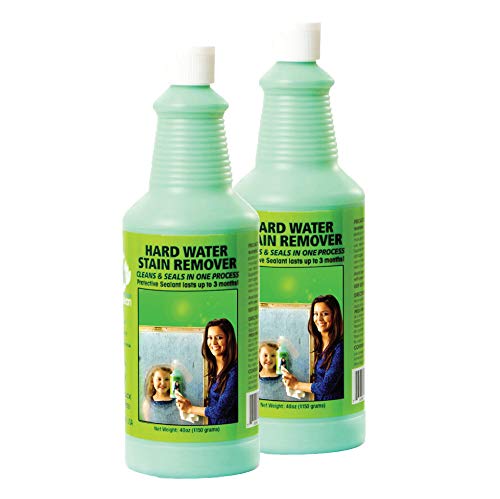 |
Bio Clean: Eco Friendly Hard Water Stain Remover (40ozBio-Clean Products | Also great | 40oz · Pack of 2 · Biodegradable | $34.99
Price as of 15 Oct 2026
|
View |
 |
Method Daily Shower, Eucalyptus Mint, 28 OZ (Pack of 1) |Method | Pair with it | 28oz · Eucalyptus Mint · Rinse-free | $4.28
Price as of 15 Oct 2026
|
View |
Start with the surface that can be damaged most easily. In a mixed shower, that usually means glass and plated fixtures first, grout and tile second, and natural stone last only if the product label allows it.
How we chose
We compared cleaners by surface compatibility first, then by what soil they handle best: soap scum, hard water, mildew film, or general bathroom grime. We also weighed dwell time, rinse needs, residue risk, and whether the product works with microfiber cloths or non-scratch scrub sponges.
That matters because a spray can be strong enough for limescale yet too harsh for nickel, or gentle enough for chrome yet too weak for grout film. The best option is the one that fits both the finish and the mess.
One more filter mattered: residue control. In a small bathroom, foamy or heavily fragranced sprays can leave a haze if you overapply them or skip the final wipe.
Bathroom cleaner decision table
| Surface | Common soil | Safest cleaner chemistry | Tools to use | Dwell time range | Red flags to avoid |
|---|---|---|---|---|---|
| Ceramic tile | Soap film, body soil, dulling residue | Neutral to mildly alkaline spray cleaner | Microfiber cloth, non-scratch scrub sponge for seams | 1 to 5 minutes | Abrasive powder, untreated stone adjacent areas, leaving foam to dry |
| Porcelain tile | Soap scum, water spotting | Neutral spray or low-acid spot cleaner | Microfiber cloth, soft brush only on grout | 2 to 5 minutes | Steel wool, high-acid cleaner left too long, colored residue |
| Glass | Soap scum, hard water spotting | Glass cleaner, vinegar-based or ammonia-based only if label allows | Lint-free microfiber, squeegee | 30 seconds to 3 minutes | Abrasives, overly foaming sprays, drying into streaks |
| Chrome | Water spots, fingerprints, soap residue | Neutral, non-abrasive cleaner | Microfiber cloth, dry buffing cloth | Immediate wipe to 2 minutes | Acid soak, scouring pad, leaving droplets to dry on plating |
| Stainless steel | Water spots, film, hand oils | Neutral cleaner or stainless-safe spray | Microfiber cloth, dry buffing cloth | Immediate wipe to 2 minutes | Bleach, abrasive cream, wiping across the grain with a gritty pad |
| Nickel | Soap residue, fingerprints | Mild, non-abrasive spray | Microfiber cloth only | Immediate wipe to 1 minute | Acid cleaner, ammonia-heavy spray, scrubbing polish marks |
| Sealed grout | Soap scum, mildew film, embedded dirt | Grout-safe alkaline cleaner or label-approved acid spot treatment | Non-scratch scrub sponge, nylon brush for lines | 3 to 10 minutes | Unlabeled acid on colored grout, hard scraping, soaking beyond label directions |
| Natural stone | Water marks, soap film | Stone-safe neutral cleaner only | Soft microfiber cloth | As directed on label | Vinegar, bleach, strong acids, abrasive scrubbers |
Scrubbing Bubbles Grime Fighter: best for general shower spray cleaning
This is a good fit when you want a spray-format bathroom cleaner for tubs, sinks, shower walls, curtains, tile, and stainless steel. Based on the manufacturer’s specs and buyer feedback, it suits routine soap scum and buildup on non-delicate surfaces where a quick spray-and-wipe routine makes sense.
Its main strength is broad compatibility across common bathroom targets. The drawback is that broad spray cleaners can still leave residue if you overapply them on glass or polished metal, so a final wipe matters. It is not the first choice for hard-water crust or natural stone.
CLR PRO Calcium, Lime and Rust Remover: best for hard water stains
This is the strongest match when the problem is limescale, calcium, or rust staining instead of plain soap film. Its EPA Safer Choice certification is a plus for ingredient screening, and the manufacturer lists use on plastic, ceramic tile, glass, and fixtures.
Because it is an industrial-strength calcium, lime, and rust remover, the drawback is the chemistry itself: it is more aggressive than a daily spray and needs careful spot testing on plated finishes and any surface that is not clearly label-approved. Fumes can also be a concern in a small bathroom, so ventilation matters.
Bio-Clean hard water stain remover: best for eco-minded stain removal
This option fits readers who want a biodegradable cleaner for hard-water spotting, soap scum, toilet rings, windows, tile, showers, stone, and doors. The broad surface list makes it useful when you need one product that reaches beyond a single shower panel.
The drawback is that “stone-safe” still does not mean “stone-unlimited,” so you should verify the exact stone finish and test a hidden area first. It is also a specialty stain remover, so for daily haze control on glass, a lighter spray may be enough.
Method Daily Shower: best for rinse-free maintenance
This is the maintenance pick for people who want a daily shower spray that does not require rinsing. It is suited to most non-porous surfaces, including glass and tile, and the bottle uses recycled plastic, which may matter to buyers looking for simpler ingredient and packaging choices.
The tradeoff is that rinse-free sprays are usually better at prevention than at heavy buildup. If your shower already has thick soap scum or hard-water crust, you may need a stronger cleaner first, then this kind of spray to slow the return of film.
Glass cleaner: best for shower doors
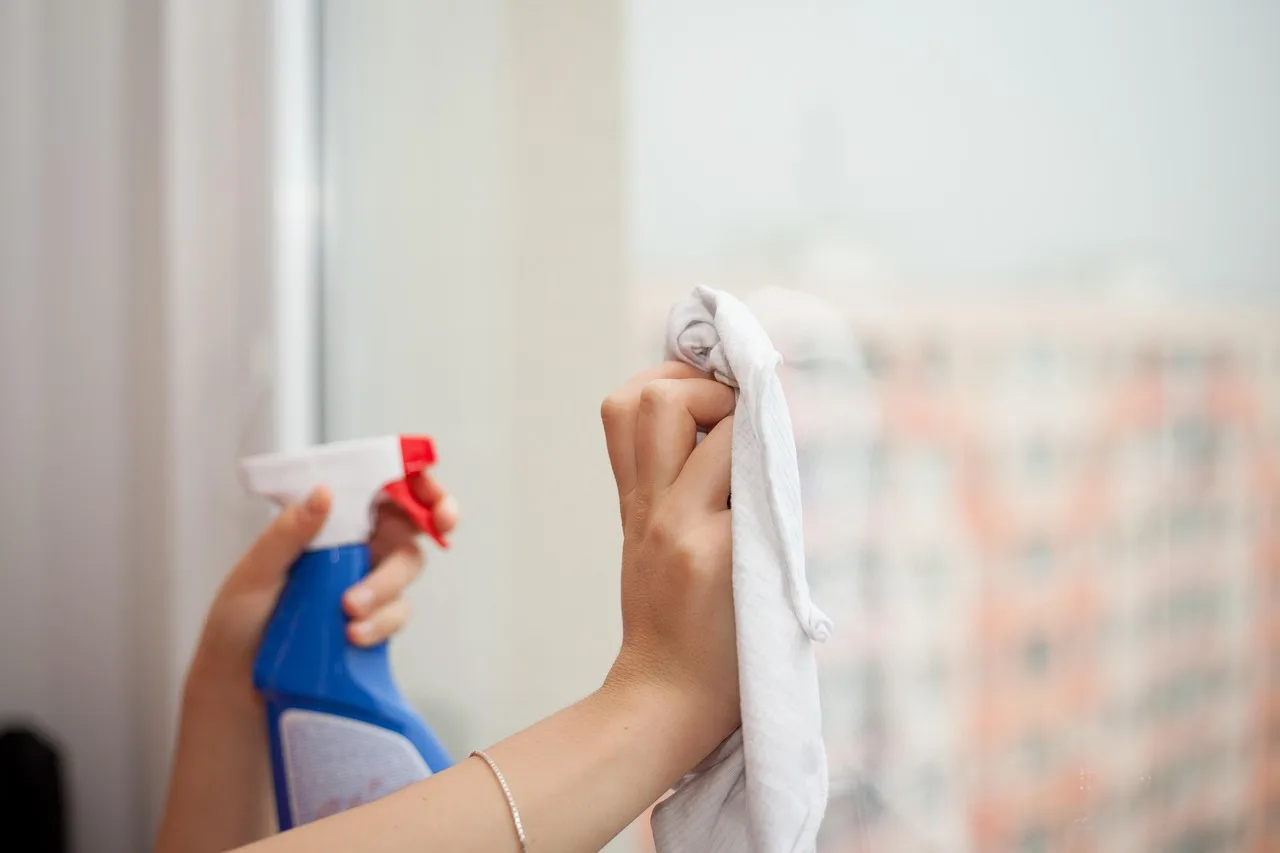
For shower glass, the best cleaner is the one that removes soap scum and hard-water spotting without drying into a haze. That usually means a dedicated glass formula or a label-approved vinegar or ammonia cleaner, paired with a squeegee and a lint-free microfiber cloth.
What removes soap scum without streaks
Soap scum on glass is a fat-and-mineral mix. A true glass cleaner handles light film well, but thicker buildup usually needs a soap scum remover or a hard-water stain remover with enough dwell time to loosen residue before you wipe.
Do not flood the panel. Too much spray can leave surfactant residue that looks like fog once the glass dries.
Vinegar, ammonia, or specialty glass formulas
Vinegar-based cleaners help with mineral film, while ammonia-based glass cleaners are known for fast drying and streak control. The catch is compatibility: vinegar is not for natural stone nearby, and ammonia-heavy formulas can be unpleasant in a closed bathroom and should be used with ventilation.
Specialty shower glass cleaners can be the safer middle ground when the label clearly says they work on doors, tiles, and fixtures without rinsing.
Squeegee and microfiber use
A squeegee removes water before it becomes spotting, and microfiber catches the thin film that remains. Use a clean, lint-free cloth for the final pass, then dry the edges where droplets collect first. A rough pad is a bad trade here; even light abrasion can show on coated glass.
Tile and grout cleaner: best for showers
For shower tile and grout, the best cleaner depends on the soil. Acidic formulas help with mineral deposits and some soap scum, while alkaline formulas are often better for greasy body soil, mildew film, and general buildup on grout-safe surfaces.
Grout-safe formulas and where acidity helps
Grout lines are porous and can hold residue. A grout-safe cleaner should list sealed grout compatibility and give a scrub time that you can follow without soaking the line too long. Acid helps when white mineral haze is the main problem, but it is not a universal answer for every grout stain.
When alkaline cleaners make more sense
Alkaline cleaners are useful when the issue is organic grime, soap film, or dark buildup in the line. They often need agitation from a non-scratch scrub sponge or nylon brush, not just a spray-and-wipe pass. That extra scrub time is part of the cleaning, not a sign that the product failed.
On porous or older grout, keep the dwell time short and rinse as directed. Letting a strong cleaner sit too long can pull pigment or leave a chalky edge.
Fixture cleaner: best for chrome and metal
For chrome, polished metal, and plated finishes, the safest cleaner is non-abrasive and leaves a spot-free finish without dulling the surface. Chrome and nickel especially need a soft wipe, while stainless steel may tolerate a bit more cleaning strength but still hates scratching.
Non-abrasive formulas for plated finishes
Plated finishes are thin. That is why acid soaks, powder cleansers, and scouring pads are poor matches. If a cleaner promises anti-tarnish protection, check whether the label says it is safe for plated fixtures, because “metal” on the bottle does not always mean “chrome-safe.”
Buffing for a spot-free result
After cleaning, buff with a dry microfiber cloth to remove droplets and restore the finish. That last step matters more than the brand name on the bottle. A damp cloth can leave fine water marks that look like residue even on a clean faucet.
What should you use in a mixed shower?
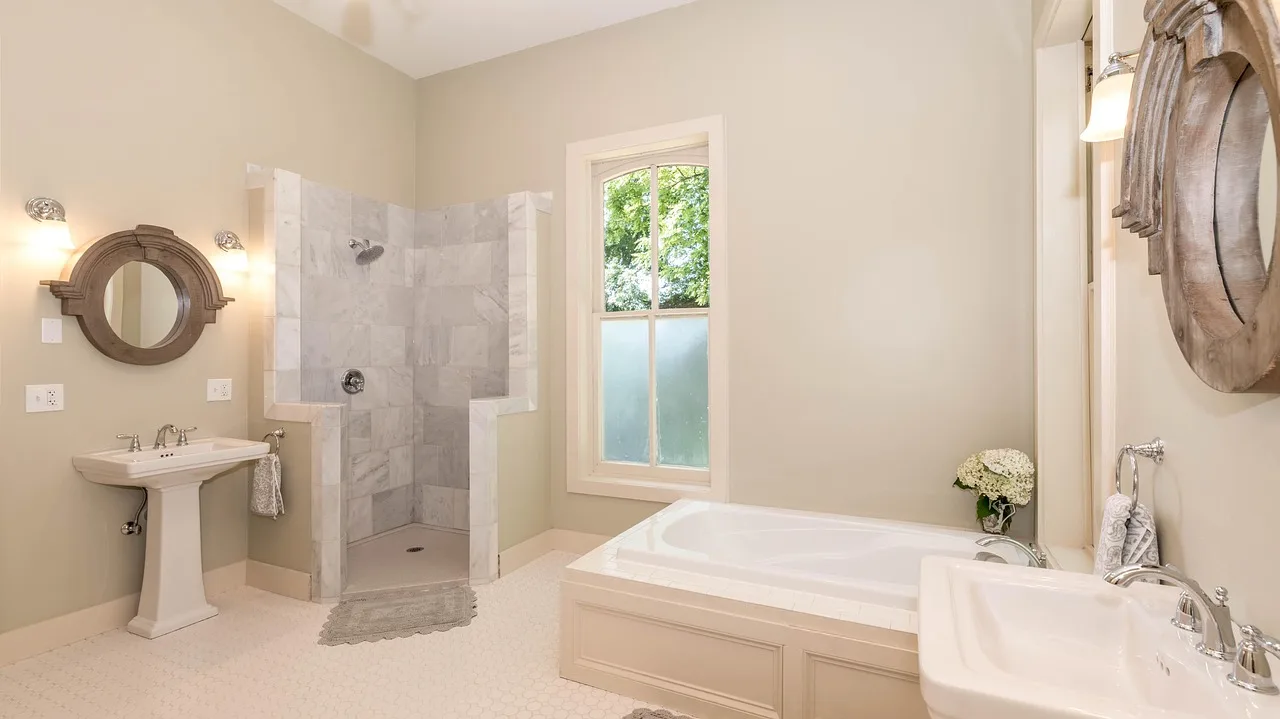
In a mixed shower, use the gentlest label-approved cleaner that still fits the soil on each surface, and clean from the most delicate finish to the most forgiving. Start with glass and plated fixtures, then move to tile, and treat grout separately if it needs more dwell time or scrubbing.
Which surface to clean first?
Start on chrome, nickel, or coated glass if those are the finishes most likely to show haze. Then move to ceramic or porcelain tile. Grout comes last because it may need a stronger formula or more agitation than the rest of the shower.
When to switch cloths or pads
Switch cloths as soon as a microfiber picks up grit from grout or mineral deposits. A common first-timer mistake is using the same pad on grout and then on chrome; that transfers abrasive grit to the finish and can leave micro-scratches. Color coding helps: one cloth for glass, one for fixtures, one for grout.
Where to test before spraying widely
Test under a soap dish, behind the faucet, or at the bottom edge of a door where residue hides easily. Suppose a shower has 3-year-old chrome trim, etched-looking glass, and sealed white grout. Test the fixture first, because a bad reaction there will show quickly and can save the rest of the shower from the same mistake.
- Spot-test the new cleaner on one hidden area.
- Clean glass or plated fixtures first with a microfiber cloth.
- Switch to a separate cloth before touching grout.
- Rinse or wipe away residue if the label calls for it.
- Finish with a dry buff on glass and metal.
Which bathroom cleaner should you buy?
Choose the cleaner that matches the worst soil in the room. For hard water, pick an acid-based remover; for soap scum, choose a soap scum remover with enough dwell time; for ingredient screening and family or pet preference, an EPA Safer Choice cleaner is a strong filter; for mixed surfaces, separate products often beat one spray.
Best choice for hard water
Pick CLR PRO if limescale or rust is the main problem and the label fits your glass, plastic, ceramic tile, and fixtures. Its strength helps on mineral buildup, but it also demands more caution on plated finishes and better ventilation than a daily cleaner.
Best choice for soap scum
Pick Scrubbing Bubbles or Method Daily Shower depending on how heavy the buildup is. Scrubbing Bubbles is the better fit for broader soap scum and grime removal, while Method is better for daily upkeep where rinsing is not part of the routine.
Best choice for safer-ingredient preference
Pick CLR PRO for EPA Safer Choice screening or Bio-Clean if you want a biodegradable hard-water remover. Neither label removes the need for spot testing, and both still have surface limits, especially around natural stone and delicate plated finishes.
When separate cleaners beat one multi-surface spray
Use separate cleaners when the shower combines glass, chrome, grout, and mineral scale. One multi-surface spray can handle routine soil, but it usually cannot do all of these jobs equally well: cut limescale, protect plated metal, and stay residue-free on glass. That is where two products make more sense than one.
How to choose
Start with the finish, then the soil. Glass needs streak control, chrome needs non-abrasive wiping, grout needs dwell time plus agitation, and hard-water crust needs acid chemistry. If the label does not clearly name your surface, skip it.
Use microfiber cloths for wiping and a non-scratch scrub sponge only where a little abrasion is helpful, such as grout lines. Keep one cloth for glass and polished metal and a separate one for tile so mineral grit does not travel across the shower.
Watch for residue. Foaming or strongly fragranced sprays can look clean while still leaving a film that shows up later on shower glass. If a cleaner requires rinsing, rinse it; if it says no rinse, still buff away droplets on glass and chrome.
Are bleach bathroom cleaners safe for tile and fixtures? Often yes on many glazed tile surfaces, but bleach is a poor all-purpose answer for metal finishes, stone, and any surface where discoloration matters. In mixed showers, bleach is usually a narrow tool, not the default.
Do not use a harsh cleaner just because it sounds stronger. A neutral spray with the right dwell time is often safer and cleaner-looking than a powerful formula that gets rushed, dried on, or left to haze.
Frequently asked questions
What is the best bathroom cleaner for tile, glass, and fixtures?
The best choice depends on the worst soil and the most delicate surface. For mixed bathrooms, a neutral spray handles routine grime, a dedicated glass cleaner handles streaks, and an acid remover handles hard-water film. One bottle rarely wins on every surface without tradeoffs.
What cleaner is safe to use on shower tile and glass doors?
Look for a label that explicitly names tile and glass, then check whether it is meant for non-porous surfaces. Rinse-free sprays can work well for maintenance, but heavy soap scum or mineral crust usually needs a stronger cleaner with controlled dwell time and a separate glass wipe.
How do I clean bathroom fixtures without scratching the finish?
Use a non-abrasive cleaner, a soft microfiber cloth, and a dry buff at the end. Avoid scouring pads, powders, and hard mineral scrubbers on chrome, nickel, and plated finishes. If water spots are stubborn, use a cleaner made for fixtures rather than scrubbing harder.
Can I use the same cleaner on grout, glass, and chrome?
You can sometimes use one multi-surface spray for light soil, but it is rarely the best match for all three. Grout may need more agitation, glass needs streak control, and chrome needs a gentle, residue-free wipe. Mixed showers usually clean better with at least two products.
What bathroom cleaners leave no streaks on shower glass?
Glass-specific cleaners that dry fast and do not foam heavily are the best bet. Vinegar or ammonia formulas can work if the label fits your surface, but the final result depends as much on squeegeeing and microfiber buffing as on the bottle itself.
Which cleaners remove soap scum and hard water spots best?
Soap scum usually needs a surfactant-heavy cleaner or a soap scum remover, while hard-water spots respond better to an acid-based remover. If both are present, attack the mineral layer first, then clean the remaining film. That sequence often cuts the total scrubbing time.
Sponsored / affiliate links. As an Amazon Associate I earn from qualifying purchases. I may earn additional commission from eligible campaigns.