How to Remove Hard Water Stains From Bathroom Surfaces
Use the mildest cleaner that removes the deposit: start with white vinegar or citric acid on glass, chrome, ceramic tile, and porcelain, but skip vinegar on natural stone and avoid abrasives on plated finishes; if stain remains, step up to a bathroom descaler made for that surface. Mineral deposits can etch glass, dull chrome, scratch glaze, and leave the next cleaning harder. This guide shows the safest remover for each bathroom surface, plus what to avoid on glass, chrome, tile, porcelain, fiberglass, and toilet bowls.
Understanding mineral deposits and where they form


Hard water stains are dried calcium and magnesium deposits left behind after water evaporates. They appear most often on shower doors, faucets, sinks, toilets, and tile, where splashes dry again and again. The longer those minerals stay in place, the tighter they bond, and repeated layers can turn cloudy, chalky, or crusted.
For light spotting, a mild acid often works. For heavier buildup, use repeat cycles or a commercial calcium remover made for the surface.
Where buildup starts first
Shower glass, faucet necks, and the upper edge of sinks usually spot first because water sits there after use. Showerheads, grout lines, toilet bowls, and the base of fixtures can also trap minerals. Once residue mixes with soap scum, it clings more firmly and needs more dwell time to loosen.
What you’ll need
- Distilled white vinegar
- Water for a 1:1 mix
- Spray bottle
- Baking soda
- Lemon juice
- Hydrogen peroxide
- Microfiber cloth
- Squeegee
- Toothbrush or small scrub brush
- Non-scratch sponge
- Pumice stone or scouring stick for toilet bowls
Bathroom surface decision guide
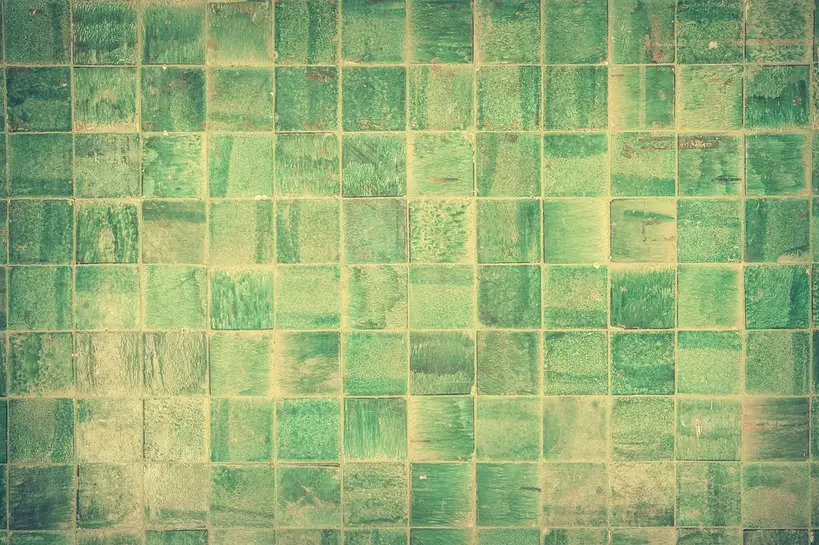
This table matches cleaner, dwell time, scrub tool, and risk by surface so you do not treat chrome-plated metal, fiberglass, glazed ceramic, and glass the same way. If stains are light, start with the gentlest option. If they are thick or layered, repeat the cycle before switching to a stronger bathroom descaler. For hard-water-prone homes, keep a hard-water-area checklist for finishes and fixtures handy when you compare surfaces.
| Surface | Safest first-line cleaner | Second-line option | Exact dwell range | Scrub tool | Rinse/dry step | Never use on this surface |
|---|---|---|---|---|---|---|
| Glass shower doors | 1:1 distilled white vinegar and water | Commercial calcium remover labeled for glass | 10 to 15 minutes | Microfiber cloth or non-scratch sponge | Rinse with clean water, then squeegee or dry with microfiber | Abrasive pads, dry rubbing before dwell time |
| Chrome faucets | Vinegar or citric-acid cleaner on a cloth | Surface-safe descaler labeled for chrome or chrome-plated finishes | 5 to 10 minutes for plated finishes; up to 15 minutes for solid chrome-like trim only if the label allows | Microfiber cloth; soft toothbrush at seams only | Wipe with clean water and dry fully to prevent spotting | Steel wool, scouring pads, harsh scrubbing, long acid dwell on unknown plated finishes |
| Porcelain sinks and tubs | Vinegar | Baking soda paste for mixed soap scum and mineral film | 10 to 15 minutes | Non-scratch sponge or soft brush | Rinse thoroughly and towel dry or air-dry with the drain area wiped clean | Highly abrasive powders, hard pads |
| Ceramic tile and grout | Vinegar solution on glazed ceramic tile | Baking soda paste for residue; tile-safe descaler for stubborn film | 10 to 15 minutes on glazed ceramic; shorter on grout lines | Soft brush or microfiber cloth | Rinse well and dry edges so residue does not wick into grout | Acid on natural stone tile, sharp scrapers that can damage glaze or grout edges |
| Fiberglass | Mild vinegar solution used sparingly | Hydrogen peroxide for soap scum or staining, not mineral scale alone; fiberglass-safe cleaner for persistent buildup | 3 to 5 minutes | Microfiber cloth or very soft sponge | Rinse immediately and dry to stop spotting or surface haze | Pumice stone, scouring stick, abrasive pads, long acid dwell |
| Toilet bowls | Vinegar | Pumice stone or toilet-bowl hard-water remover labeled for porcelain | 15 to 20 minutes for vinegar; follow label for descaler | Toilet brush or pumice stone on porcelain only | Flush, then rinse down the bowl and wipe the rim if needed | Pumice on fiberglass, dry forceful rubbing, metal scrapers |
When to choose a commercial calcium remover
Choose a commercial calcium remover when vinegar leaves only partial improvement after two cycles, when buildup feels crusted rather than filmed, or when the fixture finish is sensitive and the product label names that surface. Use the label exactly as written. A stronger descaler is often better than repeated hard scrubbing, which can leave dull patches.
Glass shower doors
Glass shower doors usually respond best to a mild acid, a full dwell period, and a non-scratch wipe. Vinegar can soften mineral film without scratching the glass, but it still needs time to work. If the haze is layered with soap scum, repeat the cycle before you increase pressure or reach for a harsher descaler.
- Spray the door with a 1:1 vinegar-and-water mix.
- Let it sit for 10 to 15 minutes so the minerals loosen.
- Wipe with a microfiber cloth or non-scratch sponge.
- Repeat once for cloudy bands or handle-height buildup.
- Rinse, then squeegee or dry the panel fully.
For a more stubborn film, use a glass-safe calcium remover rather than a hard pad. This is especially useful in hard-water areas where repeated spotting keeps coming back. The key is to soften the deposit first, then remove it cleanly.
Chrome faucets
Chrome faucets need a gentler approach than glass because many bathroom fixtures are chrome-plated rather than solid chrome. A cloth dampened with vinegar or citric acid can loosen mineral spots without grinding the finish. The safest rule is to keep acids brief, use soft tools only, and dry the metal as soon as the spots release.
- Dampen a microfiber cloth with vinegar or a citric-acid cleaner.
- Lay it over the mineral spots or wipe the faucet surface directly.
- Leave it in place for 5 to 10 minutes on plated finishes.
- Use a soft toothbrush only around seams, knurling, and the faucet base.
- Wipe with clean water and dry fully to prevent new spotting.
Use this approach for chrome and chrome-plated finishes, not for decorative coatings that the label does not name. If the finish is unknown, test on a small hidden area first and favor the shortest dwell time that works. For broader fixture guidance, see the site’s hard-water finish advice for bathrooms.
Porcelain sinks and tubs
Porcelain handles mild acids well, so vinegar is usually the best first step for hard-water film on sinks and tubs. If the stain is mixed with soap residue, baking soda can help as a gentle paste. The goal is to lift the buildup without turning to harsh abrasion that can dull the glaze over time.
- Spray or wipe vinegar onto the porcelain surface.
- Let it sit for 10 to 15 minutes.
- Wipe with a non-scratch sponge or soft brush.
- For mixed grime, use a baking soda paste and short dwell time.
- Rinse thoroughly and dry the basin or tub edge.
If the ring remains after two passes, switch to a porcelain-safe bathroom descaler instead of scrubbing harder. That keeps the glaze intact and is usually more effective than repeated pressure.
Ceramic tile and grout
Glazed ceramic tile can usually handle a mild vinegar solution, but grout and natural stone are different materials. Use acid only on glazed ceramic tile, not on marble, travertine, limestone, or other stone surfaces. When the problem is a mineral film plus soap residue, a baking soda paste can help lift the mess after the acid loosens it.
- Spray glazed ceramic tile with a vinegar solution.
- Let it dwell for 10 to 15 minutes on the tile surface.
- Use a soft brush for grout edges and a microfiber cloth for the tile face.
- If residue is mixed with soap scum, apply a baking soda paste after the first pass.
- Rinse well and dry the tile edges so moisture does not feed new spotting.
When tile is actually stone, skip vinegar and use a stone-safe cleaner instead. That distinction matters because glazed ceramic and natural stone do not react the same way to acid.
Fiberglass
Fiberglass is one of the most sensitive bathroom surfaces in this guide. Use a mild cleaner, short dwell time, and the softest tool you can. Hydrogen peroxide is more helpful for soap scum or staining than for mineral scale alone, so save it for grime that is more organic or discolored than chalky.
- Apply a mild vinegar solution sparingly, or use a fiberglass-safe cleaner.
- Keep the dwell time to 3 to 5 minutes.
- Wipe with a microfiber cloth or very soft sponge.
- If the issue is soap scum or staining, try hydrogen peroxide carefully.
- Rinse at once and dry the surface fully.
For a surface-by-surface cleaner choice, this article’s fiberglass cleaning guide explains why abrasive pads and pumice are poor fits. That caution is especially important in tubs and surrounds, where a shiny finish can haze quickly.
Toilet bowls
Toilet bowls can tolerate a more aggressive tool than sinks or tubs because the bowl interior is porcelain. Vinegar helps loosen rings, and a pumice stone can remove stubborn hard-water bands when used carefully on wet porcelain only. The same tool that works in a toilet can damage fiberglass immediately, so surface matching matters.
- Pour or apply vinegar to the ring area.
- Let it sit for 15 to 20 minutes.
- Scrub with a toilet brush first.
- If needed, use a pumice stone on the porcelain ring only.
- Flush and recheck before repeating the cycle.
For persistent toilet rings, a purpose-made hard-water remover can be a better second-line option than more pressure. If the bowl is not porcelain, do not use pumice. That warning matters most in homes with mixed bathroom materials and replacement tubs.
How do you remove stains from glass and chrome?
On glass and chrome, start with a 1:1 vinegar-and-water mix in a spray bottle or a cloth dampened with vinegar for chrome. Let it sit before wiping. Use a microfiber cloth on glass and a soft toothbrush only where chrome has seams, knurling, or tight edges. Do not scrub plated metal with anything abrasive.
- Spray the glass or apply vinegar to the chrome surface.
- Let it dwell for 15 minutes on glass and about 10 to 15 minutes on chrome.
- Wipe with a microfiber cloth or soft sponge.
- For tight chrome seams, use a soft toothbrush, then rinse.
- Dry the surface fully with a microfiber cloth or squeegee.
House Beautiful recommends a 1:1 vinegar-and-water mix in a spray bottle, and it says vinegar should sit on glass for 15 minutes. Get Set Clean also notes that vinegar or lemon juice can be used on bathroom taps. Lemon juice gives you a citric-acid option when you want to skip vinegar on chromed fixtures.
Say your shower door has a cloudy 18-inch band at handle height. Spray it, wait the full dwell time, wipe, then repeat the cycle once more before reaching for a stronger remover. That second pass often works better than harder scrubbing, which can leave streaks without removing the minerals.
How do you clean tile, fiberglass, and toilets?
Tile, fiberglass, and toilet bowls need different pressure levels. Glazed tile can usually handle a mild acid and a soft brush. Fiberglass needs a lighter touch and a short dwell time. Toilet bowls can take a pumice stone or scouring stick when the stain ring is stubborn, but that tool should stay out of fiberglass completely.
- For ceramic tile, spray vinegar solution and let it sit for 15 minutes.
- For mixed grime on tile or porcelain, spread a baking soda paste and let it sit briefly before wiping.
- For fiberglass, use a mild vinegar solution or hydrogen peroxide and keep dwell time short.
- For toilet bowls, apply vinegar, wait, then scrub with a toilet brush or pumice stone on the ceramic only.
- If the ring remains, repeat the cycle before increasing pressure.
Baking soda is a mild alkali. It works well as a paste or sprinkled directly when mineral spots are mixed with soap residue. Hydrogen peroxide can also help with hard water stains and soap scum on some surfaces, especially when the grime layer is more stubborn than the mineral layer alone.
For toilet bowls, Taste of Home recommends a pumice stone for hard-water rings, and it warns against using that stick on fiberglass bathtubs. That matters because the same tool that helps on ceramic can scratch a different surface very quickly.
What should you do for showerheads and tight spots?
Showerheads and crevices usually need a soak, then a small brush. If the showerhead is removable, soak the part in vinegar solution. If it is fixed, wrap it with a vinegar-soaked cloth or bag, then use a toothbrush or small scrub brush around the nozzles. Repeat the cycle for heavy buildup instead of forcing the deposits off in one pass.
- Mix 1:1 vinegar and water in a bag or container.
- Soak the removable showerhead part, if possible.
- Use a toothbrush for nozzle holes and threaded edges.
- Rinse thoroughly and run water through the head.
- Wipe dry so fresh droplets do not leave new spots.
The same source recommends a toothbrush for showerhead nozzles. That small tool reaches the mineral crust where spray holes narrow, which is where a cloth often fails. For tight spots around faucet bases and fixture seams, a small brush gives better control than a scrub pad.
A common first-timer mistake is to blast a showerhead with a hard scouring pad. That can damage the finish before the minerals are gone. Use dwell time first, then a light brush.
Common mistakes
Using vinegar on every surface is the biggest error. The same source says vinegar should not be used on soft stones like marble or granite. Skip acid on those materials, and check the label on every cleaner before it touches a plated finish, fiberglass panel, or stone vanity top.
Scrubbing too soon is another problem. Hard water often needs dwell time before it loosens. Taste of Home says vinegar should sit on bathtub stains for at least 15 minutes, and Get Set Clean recommends letting vinegar rest for at least 60 minutes on some bathroom taps. Use the shortest time that works, then repeat if needed.
Leaving residue behind is the last avoidable mistake. Wipe and dry after cleaning. Taste of Home says hard water should be wiped away before it dries, and that habit matters as much as the cleaner itself. Drying with a microfiber cloth or squeegee helps prevent fresh spotting on glass and shiny fixtures.
How can you prevent hard water stains from coming back?
Drying matters more than most people expect. After each shower, use a squeegee on glass and a microfiber cloth on chrome and other shiny fixtures. Wipe drips from faucets, door edges, and the bottom rail of the shower enclosure. Regular light cleaning stops mineral layers from hardening into a crust.
For the fastest routine, keep a microfiber cloth or squeegee within reach of the shower. A 30-second wipe after use is usually easier than a deep cleaning later. In hard-water homes, that small habit can cut down on repeat spotting on glass, tile, and fixtures.
Frequently asked questions
How do I remove hard water stains from shower doors and glass?
Use a 1:1 vinegar-and-water spray, let it sit for 15 minutes, then wipe with a microfiber cloth or non-scratch sponge. If the film stays cloudy, repeat the cycle once more before moving to a stronger calcium remover made for glass.
What is the safest way to clean hard water stains from chrome faucets?
Apply vinegar or lemon juice with a cloth, not an abrasive pad. Let it dwell for 10 to 15 minutes, then wipe and dry fully. Use a soft toothbrush only in seams or around the base where minerals collect.
Can I use vinegar on every bathroom surface?
No. Vinegar is useful on glass, chrome, porcelain, and many tile surfaces, but House Beautiful says to avoid it on soft stones like marble or granite. It should also be used carefully on plated finishes and fiberglass, where the wrong pad can damage the surface.
How long should vinegar sit on hard water stains before wiping?
On glass, 15 minutes is a common dwell time. For faucets and sink fixtures, 15 minutes is also a useful target, while some taps may need longer rest time before wiping. If the mineral layer is heavy, repeat the soak instead of scrubbing harder.
What should I use for hard water stains in a toilet bowl?
Start with vinegar, then use a pumice stone or scouring stick on the ceramic ring if needed. Taste of Home recommends that tool for toilet hard-water rings. Keep it off fiberglass surfaces, and use a toilet brush for general cleaning around the bowl.
How do I remove hard water stains from showerheads?
Soak removable parts in vinegar solution when possible, then brush the nozzle holes with a toothbrush. For fixed heads, wrap the head with a vinegar-soaked cloth, wait, and brush the crevices. Repeat the cycle if the spray holes still look blocked.
Will baking soda or lemon work better than vinegar?
Vinegar is usually the main DIY cleaner because it dissolves mineral deposits well. Lemon juice can be a good citric-acid alternative on chrome fixtures, and baking soda helps when the stain is mixed with grime. For thick buildup, a commercial calcium remover may work better than any of them.
Sponsored / affiliate links. As an Amazon Associate I earn from qualifying purchases. I may earn additional commission from eligible campaigns.