Why Is My Outside Faucet Dripping After a Freeze?
A drip after a freeze usually means the faucet washer or seat is damaged, the frost-free sillcock did not drain, or the supply pipe split. If water keeps flowing after thaw, or the wall stays wet, treat it as a hidden pipe leak. Ignoring it can waste water, damage framing, and turn a small repair into a wall opening. This guide shows how to tell which fault you have and what to check next.
What you’ll need


- Adjustable wrench
- Flathead screwdriver
- Flashlight
- Dry rags or paper towels
- Bucket
- Garden hose removed from the faucet
- Access to the indoor shut-off valve, if present
- Access to the basement or crawlspace behind the faucet wall
Outside faucet diagnostic checklist
| Symptom | Likely failure point | Next step | Call a plumber now? |
|---|---|---|---|
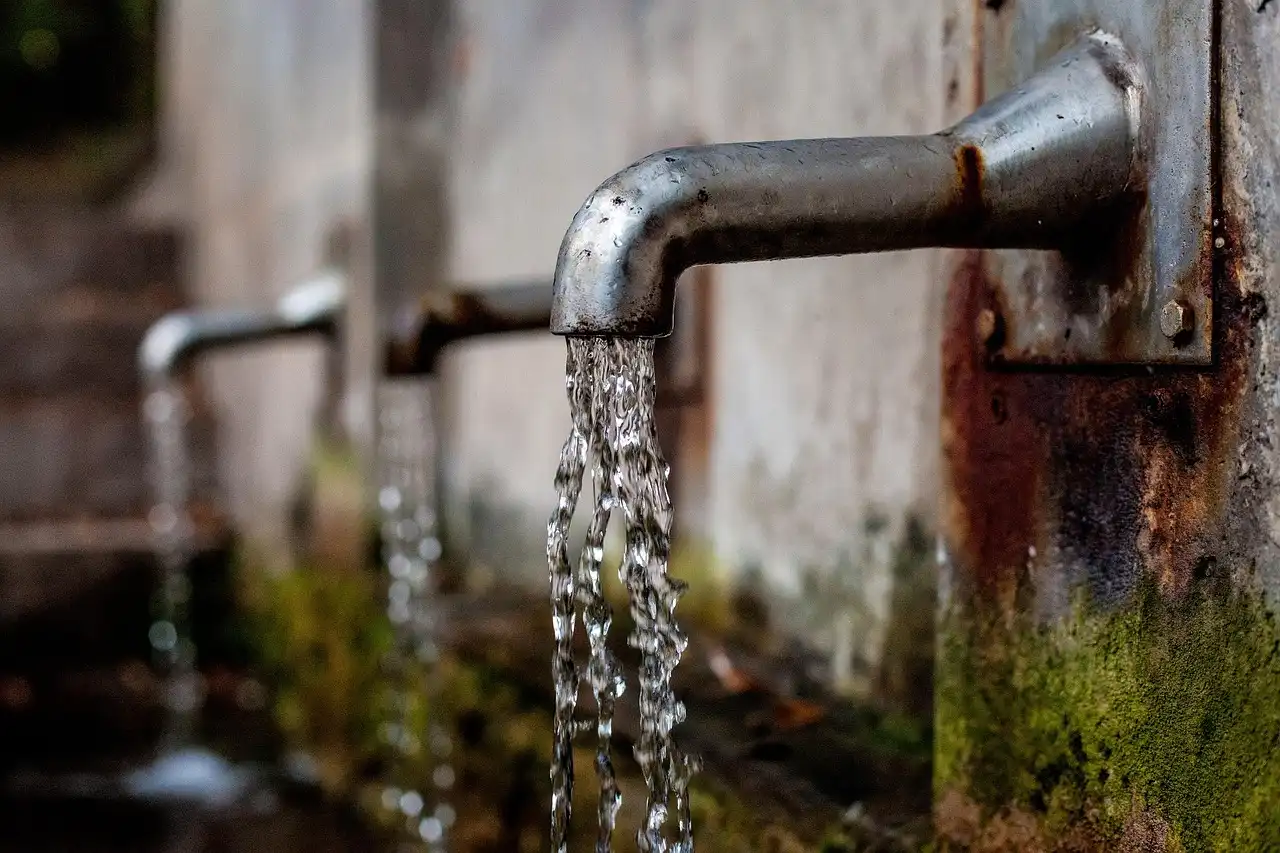
| Spout drips after thaw, then stops | Faucet washer, seat, or a frost-free stem that did not drain cleanly | Remove attachments, open and close the handle, and watch for a steady drip from the spout only | No, unless dripping continues after the valve is fully closed |
| Water appears only when a hose is attached | Hose connection, splitter, timer, nozzle, or quick-connect fitting blocking drainage | Remove every attachment and retest the bare spout | Yes, if the faucet still leaks with no hose attached |
| Leak shows up inside the wall or basement | Standpipe or supply line split inside the wall cavity | Shut off the indoor valve, then inspect the area behind the faucet | Yes |
| Weak flow after freeze | Partially split line, damaged valve, or restricted frost-free stem | Check the interior valve, then test the faucet with no attachments | Yes, if flow stays weak after reopening the valve |
| Handle will not shut off fully | Damaged washer, stem, packing, or freeze-thawed valve body | Close the indoor shut-off valve and stop using the faucet | Yes |
How to check the faucet body and hose end
A spout-only drip after thaw can point to a faucet-side repair, while a leak that starts only with a hose attached can point to blocked drainage or a damaged hose-end fitting. Start with the easiest reset: bare faucet, no pressure from accessories, no guesswork. If the handle will not shut off fully, move straight to the shut-off valve.
- Remove the hose, splitter, timer, nozzle, and quick-connect fittings from the spout.
- Open the faucet fully, then close it and watch the spout for 60 seconds.
- Check whether the handle stops the flow cleanly or keeps seeping.
- If the drip remains at the spout only, plan for a washer, seat, or stem repair.
Say your hose bib drips only after the first thaw, but the wall is dry and the faucet stops leaking when closed hard. That pattern fits a problem at the faucet body more often than a hidden split line. A steady leak into the basement is a different case.
How to inspect the shutoff and drain path
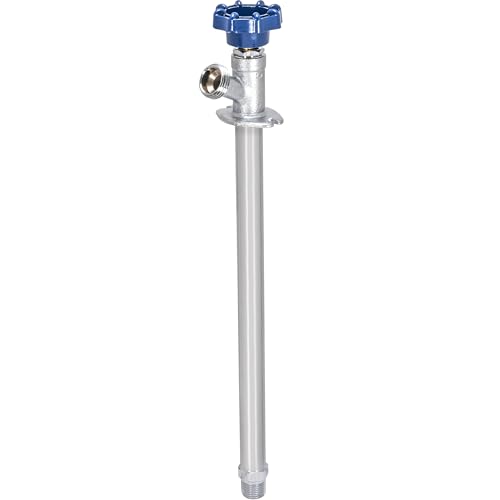
A frost-free sillcock depends on drainage. Its shutoff valve sits eight to twelve inches inside the heated wall, and it drains by gravity when closed. If a hose stays attached, trapped water can freeze and may split the pipe inside the wall. The standpipe should pitch downward toward the exterior.
- Find the interior shut-off valve that feeds the outside faucet.
- Turn the valve to closed if freezing weather has passed and you need to isolate the line.
- Open the outside faucet to let the line drain completely.
- Verify the sillcock body slopes outward, not back toward the house.
- Recheck for a drip at the spout after 10 minutes.
Suppose the faucet has a frost-free stem and a hose left on all winter. The valve may look fine outside, yet the trapped water behind the wall can split the pipe. The freeze damage often shows up only when the system is reopened.
If the exterior looks normal but the basement or crawlspace is wet, the supply line in the wall should be suspected. Freeze-thaw damage often breaks the valve, joint, or pipe where you cannot see it. The leak can appear in spring even if the exterior looks fine, and the pipe can split months before the leak appears.
- Check the wall area directly behind the faucet from the basement or crawlspace.
- Look for damp framing, staining, or active dripping at the rim joist or sill area.
- Run the faucet briefly after the line is open and watch the hidden side again.
- If water appears behind the wall, stop using the faucet and call a plumber.
Picture a wall hydrant that looks normal from outside but leaves a dark stain on the rim joist after spring reactivation. That pattern points to a split standpipe or supply line, not a simple washer issue. Copper and PEX lines can both fail this way when trapped water freezes.
When to stop dripping the faucet after a freeze
Stop dripping an outdoor faucet after the cold snap passes and the line has been checked for damage. A hose bib can freeze and burst when water stays trapped in the body or the attached hose blocks drainage. Dripping is not a reliable freeze-protection method for a hose bib, and it should not be used to excuse an attached hose, splitter, or timer. Once temperatures rise above freezing, close the faucet normally and inspect for hidden leakage.
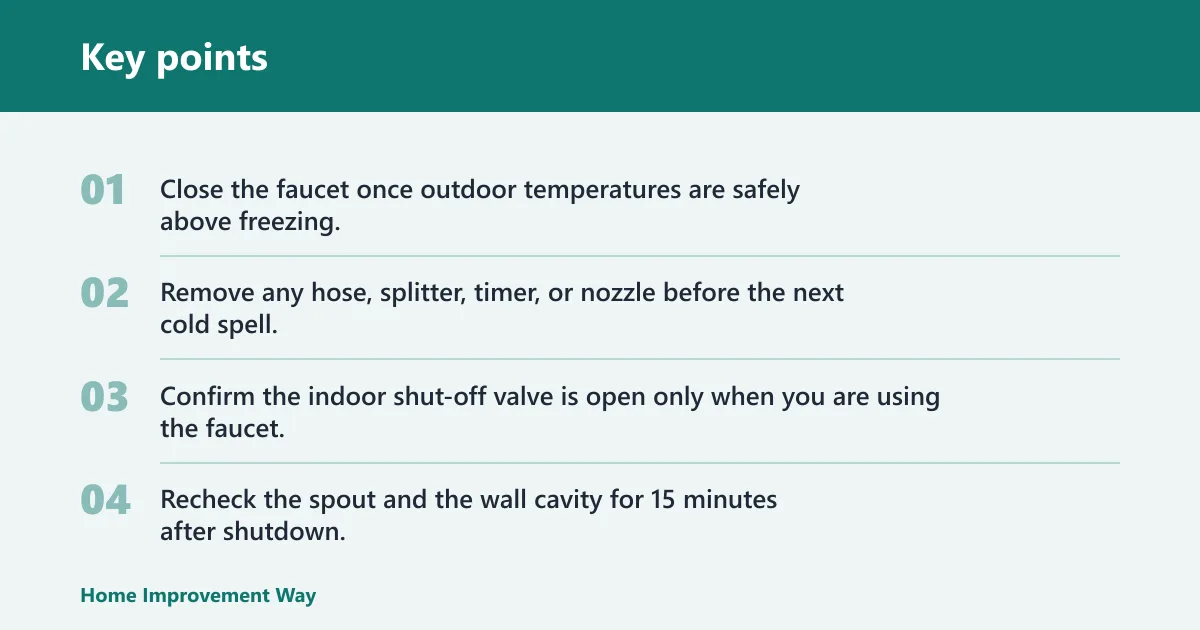
- Close the faucet once outdoor temperatures are safely above freezing.
- Remove any hose, splitter, timer, or nozzle before the next cold spell.
- Confirm the indoor shut-off valve is open only when you are using the faucet.
- Recheck the spout and the wall cavity for 15 minutes after shutdown.
Common mistakes
Leaving a hose or splitter attached is the biggest one. A Y-splitter, quick-connect fitting, timer, or nozzle can seal the spout and block drainage, which is how a frost-free hydrant gets damaged. Another mistake is assuming every spring drip is a washer problem when the pipe may have split inside the wall.
- Do not leave a garden hose connected before a freeze.
- Do not ignore signs of a split standpipe behind the wall.
- Do not assume a slow spout drip proves the leak is harmless.
- Do not forget the indoor shut-off valve on older homes that still rely on it.
- Do not keep using a faucet that leaks into a basement or crawlspace.
Prevention
Before freezing weather, disconnect every hose, splitter, timer, and nozzle; then close the indoor shut-off valve if the home has one and open the outside faucet so the line can drain. A frost-free sillcock helps, but it is not freeze-proof when drainage is blocked.
Frequently asked questions
Why is my outside faucet dripping after a freeze?
Common causes include a worn washer or seat, a frost-free stem that did not drain, or a split supply line hidden in the wall. If the drip comes from the spout only, start with the faucet body. If water shows up in the wall cavity, treat it as a pipe leak.
When should I stop dripping the faucet after a freeze?
Stop once the freeze event has passed and the faucet has been inspected for damage. A hose bib should not be left running as a long-term fix. If the faucet still drips after it is fully closed, shut off the interior valve and repair the cause.
Does leaving a faucet drip prevent freezing?
It can reduce pressure buildup in some indoor lines, but it is not a dependable fix for an outside faucet that depends on drainage. For a frost-free sillcock, remove hoses and let the line drain instead. If drainage is blocked, a drip may not protect the trapped water.
Will dripping a faucet keep pipes from freezing?
Not reliably for a hose bib or sillcock. The better step is to disconnect attachments, close the interior shut-off valve if present, and drain the line. If the faucet still leaks or the wall gets wet, the pipe may already be damaged.
What should I check before calling a plumber for a frozen faucet?
Confirm that the hose, splitter, timer, and nozzle are removed, then test the bare faucet. Check the indoor shut-off valve, look for moisture behind the wall, and see whether the handle closes fully. If water appears in the basement or crawlspace, a plumber should be called.
How do I know if the pipe behind the hose bib cracked?
Look for damp framing, staining, or active leakage directly behind the faucet in the basement or crawlspace. A cracked supply line often shows up only when water is turned back on. If the exterior looks fine but the hidden side is wet, suspect a split line.
Should you drip faucets in freezing weather?
For an outdoor faucet, drainage matters more than dripping. Remove all attachments, open the faucet, and shut off the indoor supply if one exists. A frost-free sillcock is designed to drain by gravity, so a blocked drain path is the real problem to solve.
Should you drip hot or cold water to keep pipes from freezing?
For an outdoor faucet, neither is the right fix. The safer step is to disconnect the hose, open the exterior faucet, and make sure the interior valve lets the line drain. If a leak starts after thaw, inspect for damage instead of relying on a drip.
Sponsored / affiliate links. As an Amazon Associate I earn from qualifying purchases. I may earn additional commission from eligible campaigns.