Can a Frost-Free Hose Bib Still Freeze?
Yes. If the shutoff is still connected to water, a frost-free hose bib can freeze if its tube cannot drain, if the pitch is wrong, or if the internal stem is damaged. That can split the pipe inside a wall and cause a hidden leak. This guide shows how to spot blocked drainage, bad installation pitch, and stem damage, and when to call a plumber.
This guide is part of our Frozen Pipes: How to Prevent, Thaw and Fix Them series.
How a frost-free hose bib works
A frost-free hose bib moves the shutoff point farther inside the heated wall cavity, away from outdoor cold. The long stem runs through the wall to the exterior spout. After you shut it off, the outer tube should empty by gravity. If it cannot drain, the design loses its protection.
Where the shutoff sits
The shutoff is inside the house or inside a warmer wall space, not at the outer face of the wall. That is why the exterior portion can be empty after shutdown. A frost-free hose bib, also called a frost-proof sillcock or freeze-proof spigot, still depends on drainage to stay safe.
Why the exterior tube must drain
The outer tube is the part exposed to cold air. When the valve closes, water left in that tube can freeze and expand. If drainage is blocked, the faucet can crack or split even though the shutoff is deeper in the wall. A connected hose is one common reason drainage fails.
What makes it different from a standard outdoor faucet
A standard outdoor faucet can leave the shutoff exposed to cold, while a frost-free hose bib shifts that vulnerable point inward. That does not make it immune to freeze damage. It only works as intended when the long stem, slope, and drainage path all stay clear.
Why can a frost-free hose bib still freeze?
A frost-free hose bib can still freeze if water cannot drain from the outer tube, if the faucet pitches the wrong way, or if the stem or seat is damaged. Those three failures defeat the design. The result may be a hidden crack, a drip after shutdown, or a leak inside the wall.
Blocked drainage from a hose left attached
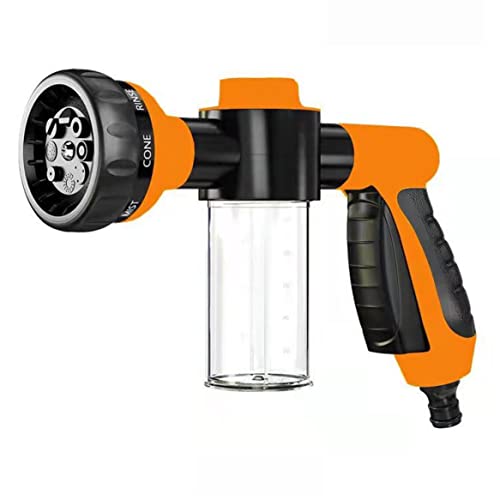
A garden hose can trap water in the exterior stem and keep the faucet from draining. Splitters, timers, and spray nozzles can do the same. If water stays in the tube, it can freeze and damage the faucet or piping. This is the most preventable failure path.
Bad pitch or wall-depth mismatch
Frost-free hose bibs can fail if installed with the wrong pitch. The stem should slope slightly downward toward the outdoors so gravity can help empty the tube. If the wall is too thick for the stem length, or the angle is wrong, water can collect instead of draining.
Damage to the stem or seat
A worn washer or valve seat can cause dripping after shutoff. Freeze damage can crack the seat washer, and a damaged stem can keep the valve from closing cleanly. That problem is different from trapped water, because it can leak even when drainage is normal.
Frost-free hose bib troubleshooting matrix
Use the symptom first. Then decide whether the issue is immediate freeze risk, a likely repair, or hidden wall damage. This matrix separates hose blockage, no drainage, drip-only symptoms, and moisture inside the wall so you do not treat every leak the same way.
| Symptom | Likely cause | Immediate homeowner action | Plumber-only repair |
|---|---|---|---|
| Hose left attached | Hose, splitter, timer, or nozzle is blocking drainage and holding water in the stem | Disconnect everything on the outlet, then open the faucet to let it drain | Inspect for split tubing, cracked fittings, or freeze damage if it still leaks |
| No drainage after shutoff | Wrong pitch, clogged outlet, or wall-depth mismatch is trapping water | Stop using the faucet until it is inspected; confirm the outside end is not blocked | Reset the slope, replace the stem with the correct length, or repair piping |
| Drips only when opened | Worn washer, damaged stem, or valve seat wear | Monitor the drip, and shut off the supply if it worsens | Remove the stem and replace the washer, seat, or entire assembly as needed |
| Moisture inside wall | Freeze crack in the tube or connection behind the exterior wall | Stop using the faucet and check for staining, soft drywall, or damp trim | Open the wall, locate the break, and replace damaged pipe or fittings |
Say your hose bib is on a 2-by-6 exterior wall and a timer is still attached in late fall. The faucet may seem off, but water can remain trapped in the outside tube. Remove the attachments, open the faucet, and check whether water drains in a steady stream or not at all.
What if the hose was left on?
A hose left on a frost-free hose bib can block drainage and leave water sitting in the stem. That trapped water can freeze in the faucet and hose, then crack the valve or nearby piping. Start by removing the hose and attachments, then check whether the faucet drains normally.
Immediate homeowner steps
Disconnect the garden hose, splitter, timer, and nozzle. Open the outdoor faucet after removal and watch for drainage. If water still does not drain, do not assume the faucet is safe just because the hose is off. The blockage may have already created a freeze risk or a bad-drain condition.
When to inspect for freeze damage
Inspect right away if the faucet stays full, drips after shutdown, or shows moisture near the wall. A hose left on can hide damage until the first use after a thaw. If the outside end is dry but the wall around it feels damp, the problem may be inside the wall cavity.
How do you know if it is installed correctly?
A correctly installed frost-free hose bib should slope slightly downward toward the outdoors and use a stem length that matches the wall thickness. If the pitch is wrong or the stem is too short or too long, drainage fails. That defeats the frost-free design even if the faucet looks fine outside.
Signs the faucet slopes the wrong way
After shutdown, water should move out of the tube. If it backs up, hangs in the spout, or never fully drains, the slope may be wrong. A reverse pitch can hold water toward the heated side of the wall, where it can still freeze in cold weather.
How wall thickness affects stem length
The valve stem or long stem commonly comes in lengths such as about 6, 8, 10, or 12 inches. The correct length depends on the wall depth. If the stem is mismatched to the wall, the shutoff may sit too far in or too far out, and the tube may not drain correctly.
Why bad installation defeats drainage
Even a well-made frost-free hose bib fails if water cannot empty by gravity. A wrong pitch, an incorrect stem length, or a blocked outlet can leave water in the exposed section. That is why installation matters as much as the fixture itself.
Signs of a damaged stem or seat
A damaged stem or seat often shows up as dripping after shutoff, especially when the faucet is under pressure. That is different from a freeze crack, which may leak only when the line is pressurized. If the drip follows the handle position, the internal parts may need repair.
Dripping after shutoff
If the faucet drips after you turn it off, a worn washer or valve seat may be the issue. Freeze damage can crack the seat washer, so a drip is not always a simple wear problem. A stem removal may be needed to inspect the parts and replace the damaged components.
Leakage only under pressure
A crack in the tube or connection can stay hidden until water pressure returns. Then moisture may appear at the wall, under siding, or inside the room. That pattern points more toward freeze damage than a worn washer. Do not confuse a pressure-only leak with a normal drip at the spout.
How do you winterize a frost-free hose bib?
Winterizing a frost-free hose bib usually involves more than one step. Disconnect the hose and accessories, shut off the supply if there is an indoor valve, open the exterior faucet, and confirm drainage. Then watch for leaks after the first freeze, because a hidden problem may show up only after cold weather arrives.
- Remove the garden hose, splitter, timer, and spray nozzle.
- If the faucet has a separate indoor shutoff, close it for winter.
- Open the exterior faucet so the outer tube can drain.
- Leave the faucet open long enough to verify that water stops flowing.
- Check the wall, trim, and nearby drywall for moisture after the first hard freeze.
When should you call a plumber?
Call a plumber if the faucet will not drain, appears to slope the wrong way, or shows moisture, staining, or drywall damage. You should also get help for repeated dripping after shutoff or any sign of freeze damage. Those symptoms can point to wall damage, not just a bad washer.
A common first-timer mistake is to remove the hose, see a small drip at the spout, and assume the faucet is fine. If the faucet also holds water after shutoff or wets the wall, that is not normal. The risk is higher than a simple exterior drip.
Frequently asked questions
Can a frost free hose bib freeze?
Yes. A frost-free hose bib can freeze if water cannot drain from the exterior tube, if the slope is wrong, or if the stem is damaged. The shutoff sits inside the house, but the exposed section still needs to empty after use. A connected hose can block that drainage.
Do frost free hose bibs freeze?
They can. The design lowers the freeze risk by moving the shutoff into a warmer area, but it does not remove the need for drainage. If a hose, nozzle, timer, or reverse pitch traps water in the outer tube, the faucet can still freeze and crack.
Why does my frost free hose bib freeze?
The three common reasons are blocked drainage, bad pitch, and stem or seat damage. If a hose is left attached, water may stay in the outer stem. If the installation slopes the wrong way, water can pool inside the wall. If parts are damaged, the faucet may leak or freeze.
What happens if a hose is left on a frost free hose bib?
The hose can trap water in the stem and prevent draining. That water can freeze, expand, and damage the valve or piping. Even a short period of freezing weather can be enough. Remove the hose, then open the faucet and confirm that the outside tube empties.
Can a frost free hose bib leak inside the wall?
Yes. A freeze crack or failed connection can leak behind the exterior wall and may not be obvious at first. Watch for staining, damp drywall, peeling paint, or soft trim around the faucet. A leak that appears only under pressure is often a strong warning sign.
When should I call a plumber for a frozen hose bib?
Call a plumber if the faucet does not drain after shutdown, if the pitch looks wrong, or if you see moisture near the wall. Also call for repeated dripping after shutoff or any pressure-only leak. Those symptoms can mean hidden damage that needs wall access and replacement parts.
Sponsored / affiliate links. As an Amazon Associate I earn from qualifying purchases. I may earn additional commission from eligible campaigns.