What to Do with Plumbing When a Power Outage Lasts Days in Winter
In a winter power outage, drain or winterize exposed plumbing within about 12 hours, keep indoor pipes above 55°F if possible, and move water out of vulnerable lines before the house nears freezing. If you wait past that window, pipes can burst, rooms can flood, and cleanup gets expensive fast. This guide gives a timed plan for about the first 12 hours, after about 24 hours, and the point where pipes cross the freeze threshold.
What changes when power is out?
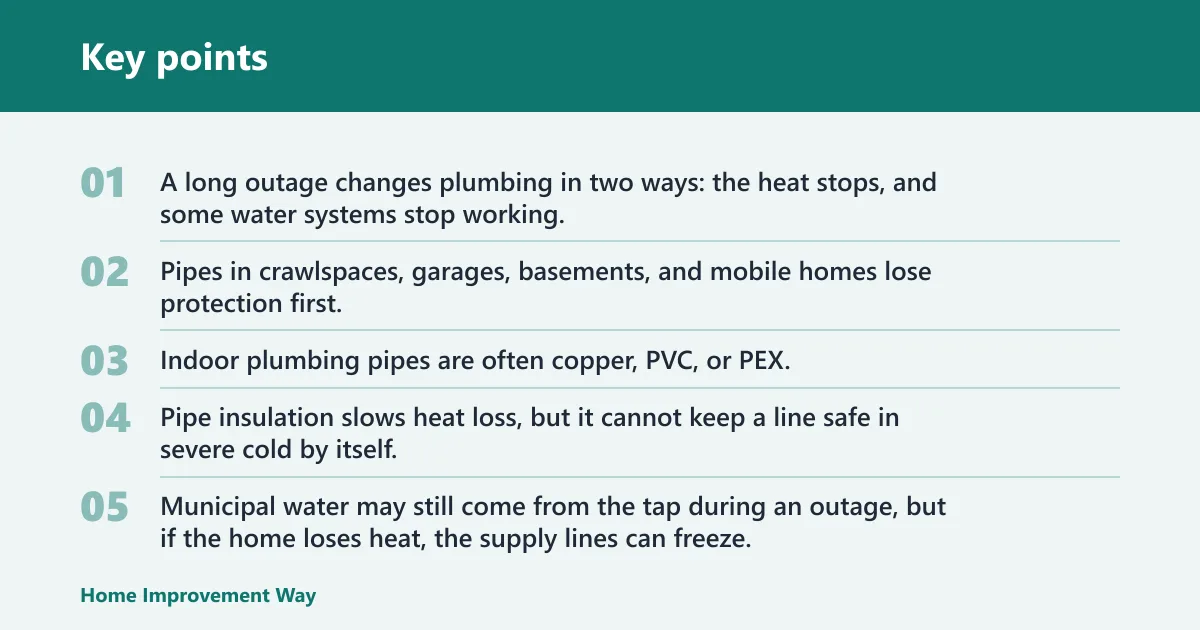


A long outage changes plumbing in two ways: the heat stops, and some water systems stop working. Pipes in crawlspaces, garages, basements, and mobile homes lose protection first. Homes on wells can lose water altogether, while homes on municipal water may still have supply but no warmth around the pipes.
Why pipes freeze faster when heat stops
Indoor plumbing pipes are often copper, PVC, or PEX. None of them resist freezing on their own. Exposed pipe runs in unheated spaces lose heat fast, and the risk rises when indoor air temperature stays low for hours or days. Pipe insulation slows heat loss, but it cannot keep a line safe in severe cold by itself.
How municipal water and well systems fail differently
Municipal water may still come from the tap during an outage, but if the home loses heat, the supply lines can freeze. Well systems depend on electric pumps, so water can stop even before pipes freeze. That means homes on wells need stored water sooner, because the outage can remove both heat and water pressure.
Which plumbing parts lose protection first?
The first trouble spots are usually outdoor-facing walls, rim joists, crawlspaces, garage lines, and any pipe near a drafty floor. Water heaters, sump pump discharge lines, and long exposed branches can fail next. If the home has a mobile-home belly cavity or an unheated utility room, treat those as high-risk zones from the start.
First 12 hours: protect the system
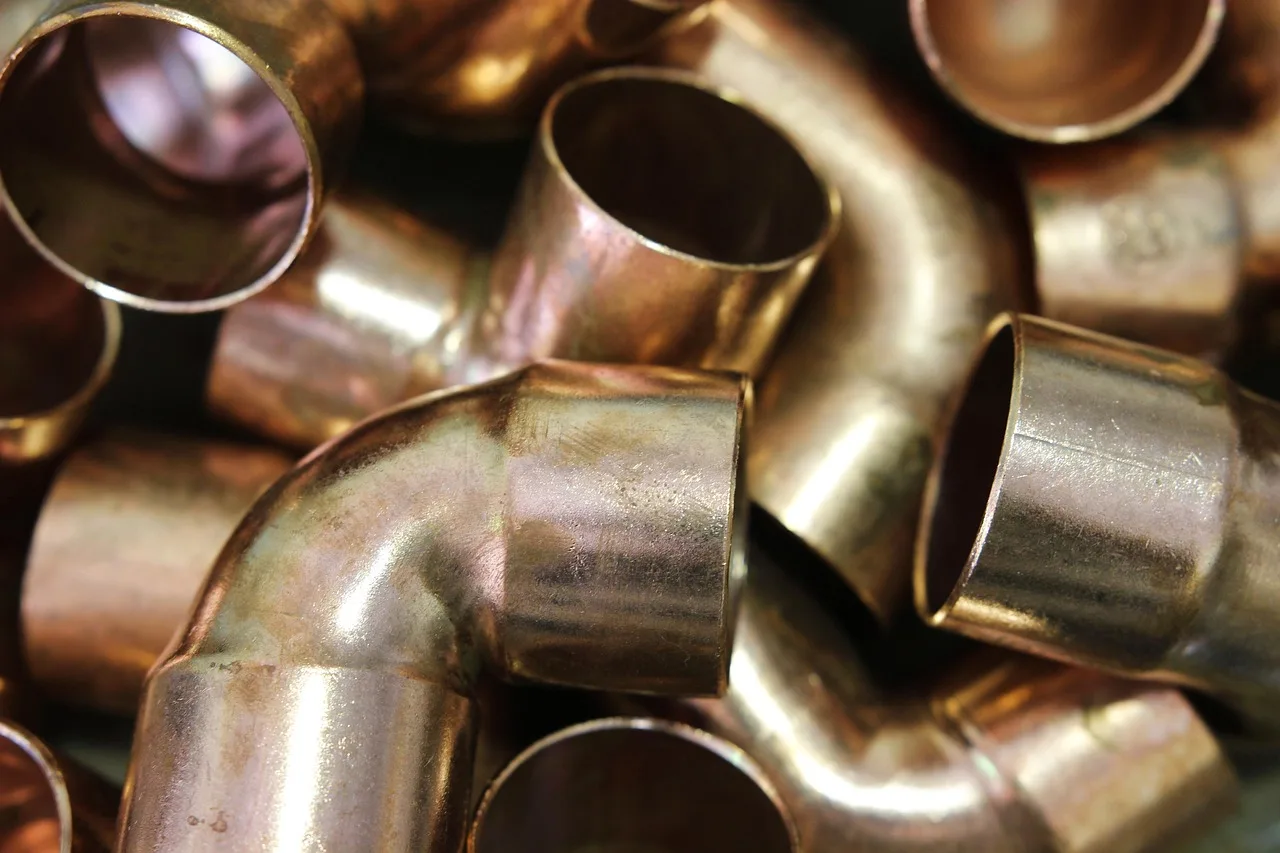
The first 12 hours are for slowing heat loss, keeping a little water moving where it helps, and getting ready to shut the system down if the house cannot stay warm. If the home is already cooling quickly, act now instead of waiting for ice to show up.
-
Find the main shutoff.
Locate the main water shutoff valve now, before you need it. It is often where the main line enters the house, near a basement wall, crawlspace, utility room, or garage. If pipes freeze and burst, shutting the valve limits how much water can escape into the home.
-
Open the right faucets.
Open the cold and hot taps at the fixtures served by exposed plumbing, then leave a slow drip at the most vulnerable faucet if the home still has pressure. A small flow can reduce standing water in the line, which helps when a short stretch is likely to freeze first.
-
Open cabinet doors.
Open cabinet doors under sinks on exterior walls so warmer indoor air can reach the supply lines. Focus on kitchens, bathrooms, and laundry sinks that sit against cold walls. Close them again if you have children or pets that could reach chemicals stored inside.
-
Protect exposed pipe runs.
Wrap exposed lines with foam sleeve insulation or approved wrap where you can reach them. This matters most in crawlspaces, basements, garages, and utility rooms with outside walls. If heat tape or heat cable is already installed, it only helps when it has power and is intact.
Say your basement has a 20-foot PEX run along an outside wall and the thermostat has fallen to 48°F. That is a strong warning sign. A slow drip at the nearest fixture may help for a short period, but the safer move is to prepare to shut the main valve if the space keeps cooling.
Suppose a home has a kitchen sink on an outside wall and a laundry room in a detached garage. The kitchen line may survive longer with cabinet doors open, while the garage line may need insulation plus earlier shutdown planning because that space loses heat faster.
What should you do after 24 hours?
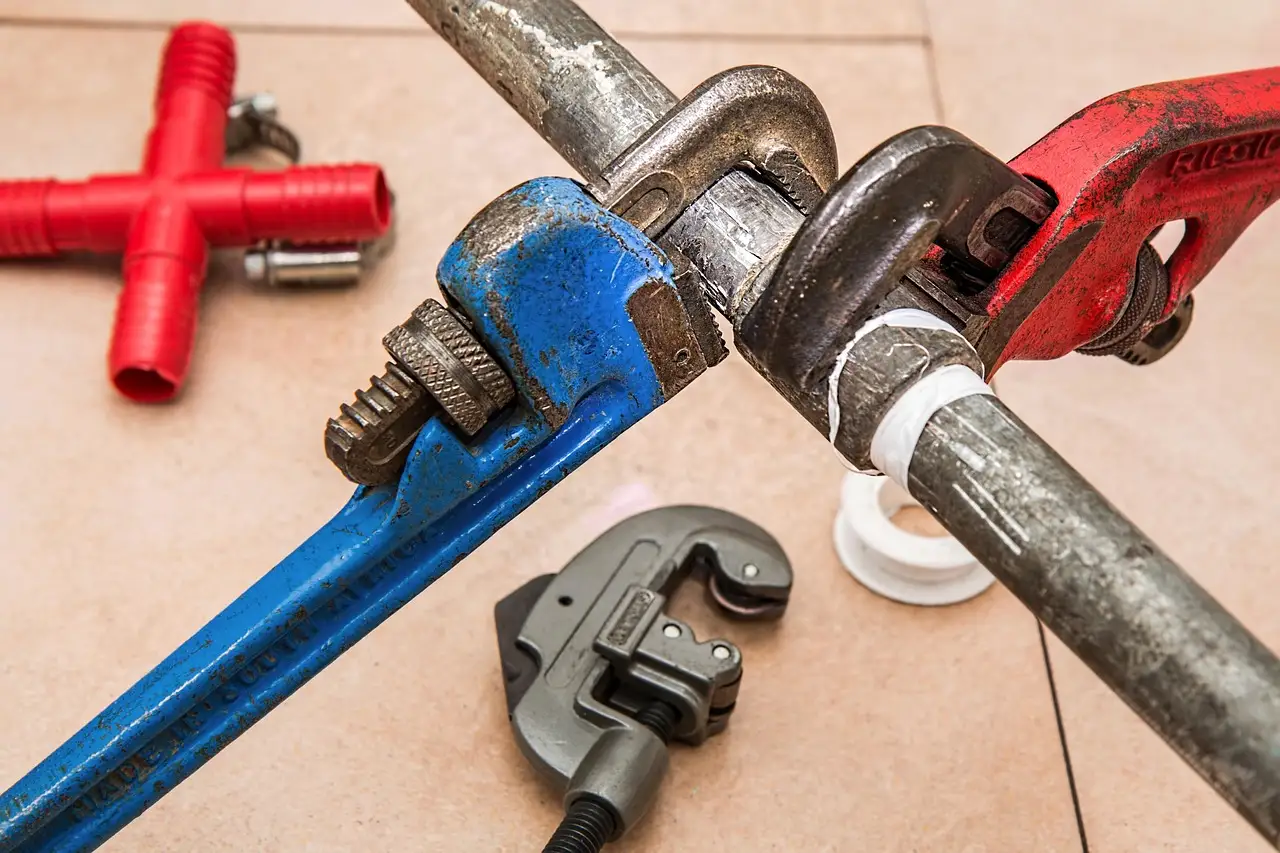
After 24 hours, the decision is no longer about comfort alone. You need to decide whether the house can stay warm enough to keep pipes safe, or whether the plumbing should be isolated and drained where possible. A power outage can last for days or longer, so this is the point to focus on damage control.
Decide whether to keep water flowing or shut it off
If the home is still warm enough and the vulnerable spaces are holding above freezing, keep a controlled trickle at the most at-risk fixture and monitor the temperature closely. If the house is empty, cooling fast, or losing heat in uninsulated areas, shut off the main valve and reduce the chance of burst-pipe damage.
Check the water heater, sump pump, and well pump plan
Gas water heaters may still have a burner, but some models depend on electricity for ignition, controls, or venting fans. Electric water heaters stop heating when power is out, and both types can freeze at exposed tank connections or nearby lines if the room gets cold enough. Sump pumps also lose function without power, so discharge lines can freeze and back up.
Set up emergency water for drinking and flushing
Keep stored water ready for drinking and toilet flushing before the home reaches freeze risk. A practical minimum is at least a gallon of potable water per person per day, with extra water set aside for flushing and handwashing. Homes on wells should plan earlier because the pump may not restore water right away.
| Time window | Action | Priority | Why it matters |
|---|---|---|---|
| First 2 hours | Find the main shutoff, open vulnerable faucets, and open sink cabinets on outside walls | High | Gives you control before pipes cool fast |
| By 12 hours | Insulate exposed runs and monitor crawlspaces, garages, and basement walls | High | Slows heat loss in the first freeze cycle |
| By 24 hours | Decide whether to keep a trickle or shut off the main valve | High | Reduces burst damage if the house is cooling too fast |
| Before pipes near freezing | Drain exposed branches, protect the water heater, and store backup water | Critical | Moves water out of lines most likely to split |
| Any time power is absent | Check well pump status, sump pump discharge line, and heat cable dependence | Critical | These parts stop working when electricity is gone |
When should you drain or isolate plumbing?
Drain or isolate plumbing when the house cannot be kept warm, when you are leaving the property, or when exposed pipe runs are already in a freeze zone. Shutting off the main valve before that happens can limit burst damage, especially in homes with long runs through unheated spaces.
How to think about fixtures, branches, and vulnerable zones
Start with the lines most likely to freeze first: exterior walls, crawlspaces, garages, basements, and any pipe above an unheated slab. Then look at branches serving fixtures you can live without during the outage. If the home is at risk, it is better to protect the whole system than to wait for one pipe to split.
Why turning off the main valve can help
Frozen water expands and can split a pipe even before it thaws. When the main valve is closed, less water can feed a hidden break. That does not prevent freezing, but it can cut the amount of flooding if a pipe cracks while the home is unattended.
-
Close the main valve.
Turn the valve fully off if you cannot keep the home warm enough, if you are leaving, or if a pipe has already frozen. Then open a low faucet to relieve pressure and help drain the line. This order reduces burst-pipe damage if ice has already formed.
-
Drain exposed fixtures.
Open faucets at sinks, tubs, and laundry points served by vulnerable branches. If the home has easy-access drain points, use them for low sections of the system. Do not force a drain on a setup you do not understand.
-
Protect the water heater.
If the room may freeze, inspect the heater and nearby lines. For electric units, loss of power means no heat. For gas units, pilot or ignition systems may still fail during an outage, so the tank and attached piping can still freeze if the space gets too cold.
Which systems fail first?
In a long winter outage, the first failures usually follow the order of heat loss and power dependence. Municipal water may still arrive at the tap, while well systems and pumps can stop immediately. Exposed pipe runs and discharge lines are often next, because they sit in cold spaces with little protection.
| System | First failure point | What you will notice | Best response |
|---|---|---|---|
| Municipal water | Frozen indoor supply lines | Weak flow or no flow at one fixture | Insulate, open cabinet doors, and shut off the main valve if the home is cooling fast |
| Well water | Electric pump and controls | No water at any tap after power loss | Use stored water, protect the pump area, and plan for restart checks |
| Water heater | Controls, ignition, and tank-side lines | Lukewarm or no hot water, cold utility space | Protect against freezing or drain if the room will drop too low |
| Sump pump discharge line | Frozen outlet pipe | Water backs up or overflows during melt or rain | Insulate the line and verify power-backed operation before storms |
| Exposed pipe runs | Cold crawlspace, garage, or wall cavity | Noisy flow, frost on pipe, then loss of pressure | Add insulation, keep air moving away from drafts, and isolate if needed |
How do you thaw frozen pipes safely?
Thaw frozen pipes only after you have checked for hidden damage and restored the home to a safe temperature. Start slowly, watch for leaks, and do not turn the water back on full force until you are sure the line is intact. If a pipe split, a plumber should handle the repair.
-
Inspect before restoring pressure.
Look for frost, bulges, damp drywall, ceiling stains, or drips near the frozen area. These are warning signs of a hidden burst pipe. If you see any of them, keep the main valve closed and call a plumber.
-
Warm the area gradually.
Use normal indoor heat, a safe portable heat source approved for indoor use, or gentle warming around the pipe area. Avoid open flame and do not aim high heat at one spot. Sudden heat can damage fittings before the ice clears.
-
Restore water in stages.
Open the main valve slowly, then check each fixture one at a time. Watch for steady flow, odd sounds, or wet spots. If a line was frozen long enough to crack, leaks often appear as soon as pressure returns.
A common first-timer mistake is to turn the water back on before checking the basement ceiling under a bathroom line. A hidden split can drip only when pressure returns, which means the first sign may be a stain, not a visible spray.
Frequently asked questions
What should I do with my plumbing if the power goes out for several days in winter?
Protect exposed pipes within the first 12 hours, keep the house as warm as possible, and decide early whether to keep a small flow or shut off the main valve. If the home cannot stay above freezing in vulnerable spaces, drain or isolate exposed plumbing before damage starts.
Should I drain my pipes during a winter power outage?
Drain or isolate plumbing if the house is empty, unheated, or cooling quickly. If the home can still stay warm enough, a slow drip and targeted insulation may be enough for a short stretch. The key is to move water out before exposed lines reach freeze risk.
Can I still use my water if the power is out and it is freezing outside?
Maybe, but only if the pipes are still warm enough and the system has pressure. Municipal water may keep flowing until indoor lines freeze. Well homes are different because the pump depends on electricity, so water may stop entirely even before the pipes freeze.
How do I keep pipes from freezing when the heat is off?
Keep indoor air moving toward sink cabinets, insulate exposed lines, close or seal drafts where practical, and use a slow drip only at the most vulnerable fixture if water service remains. That buys time, but it is not enough for a home that is already dropping toward freezing.
What temperature will pipes freeze during a power outage?
Pipe freezing risk rises as indoor temperatures approach 32°F, especially in unheated spaces and along exterior walls. You should act earlier than that, because line temperature can be lower than room temperature in drafty crawlspaces, garages, and wall cavities.
What should I do if my well pump loses power in winter?
Use stored water right away, limit faucet use, and protect the pump area from freezing if you can reach it safely. When power returns, check for pressure restoration, odd noises, and leaks around fittings before relying on the system for normal use.
How do I thaw frozen pipes safely after the power comes back?
Check for leaks first, then warm the area slowly and restore pressure in stages. If the pipe is bulged, split, or hidden behind wet drywall, stop and call a plumber. Frozen pipes often crack before they thaw, so the repair is not always visible at first.
Does plumbing use electricity when the power goes out?
Some plumbing still works without electricity, but key parts may stop. Water heaters with electric controls, well pumps, sump pumps, and some ignition systems need power. That is why a winter outage can leave you with no water, no hot water, or no way to remove water from a flooded area.
Sponsored / affiliate links. As an Amazon Associate I earn from qualifying purchases. I may earn additional commission from eligible campaigns.
 YUCHENGTECH Ionizing Air Blower Static Eliminator Fan Desktop Ionizer Air Blower with Detachable Cord ESD Ionizer Electrostatic Discharge Fan 110V
 Water Flow Control Shut Off Valve with Brass Adjustable Hand Level Water Pressure Regulator for Hand Held Shower Head & Bidet Sprayer, Brushed Nickel Water Saver G1/2