What to Do If Your Well Pump Freezes
If your well pump or pressure switch is frozen, switch off the breaker, open a faucet to release pressure, and warm only exposed pipe with safe heat; call a well professional if the pump housing, pitless adapter, or buried line is frozen. A freeze can crack pipes, burn out the motor, or leave you without water. This guide shows how to identify the freeze, thaw it safely, and decide when to stop and call for help.
Start with safety, not speed. A frozen system can look like an electrical fault, but repeated breaker trips, split pipe, or visible water means you should stop and shut it down before you do more damage.
What to do in the first 10 minutes

- Check for visible water, ice, or a split fitting near the pressure tank, pressure switch, or pump housing.
- If you see a leak, smell burning insulation, or hear the breaker trip again, turn power off and leave it off.
- Open a faucet to drop pressure in the line.
- Look for frost on exposed pipe, the small gray pressure switch box near the tank, and any above-ground pump parts.
- Only after those checks should you try gentle thawing on exposed sections.
Cold weather can freeze exposed well equipment in a matter of hours. Water freezes at 32 degrees Fahrenheit, and water expanding by roughly nine percent is what cracks brass, splits PVC, and ruptures galvanized steel. That is why a small freeze can turn into a leak fast.
Well pump freeze symptoms vs other failures
A frozen well system often starts with no water after a cold night, a tripped breaker, a pressure switch that will not close, or a pump that hums but does not move water. Those signs overlap with low water level, clogged filters, and loss of prime, so you need to sort out what failed before you restart anything.
Jet pumps mounted above ground are the most vulnerable to freezing. Submersible pumps rarely freeze themselves, but pitless adapters, drop pipes, and pressure tanks can. That difference matters because the first safe check is not the same for every setup.
No water after a cold night
No water after a hard freeze often points to an exposed line, a frozen pressure switch, or ice in the pump housing. If the pump is above ground, a freeze can stop it quickly. If the pump is submersible, the trouble is more likely in the pressure switch, pitless adapter, drop pipe, or exposed piping between the well and the house.
Pump hums, clicks, or trips the breaker
A humming pump with no water can mean a frozen line, a seized pump, or a pump that has lost prime. A breaker trip can be a real electrical fault, but it can also happen when a frozen pump strains under load. Do not keep resetting power if the same trip repeats in cold weather.
Low pressure, short cycling, or a pump that runs but delivers no water
Low pressure with rapid cycling often points to a pressure tank problem, a leak, or a frozen pressure switch. A pump that runs but delivers no water may have lost prime, pulled air, or frozen in an exposed section. If pressure returns only briefly and then collapses, stop and inspect for a crack or leak.
Well pump freeze decision table
This table helps you sort freeze symptoms from other failures in the first few minutes. Use it to decide whether to thaw, shut down, or call for help.
| Symptom | Likely frozen component | Safe homeowner action | Call-now threshold |
|---|---|---|---|
| No water after a cold night | Exposed pipe, pressure switch, or above-ground pump housing | Shut off power, open a faucet, inspect exposed sections for frost or leaks, then warm only the exposed area | No water returns after gentle thawing, or any split pipe or wet fitting is visible |
| Frozen pressure switch | Small water passages in the gray switch near the tank | Leave power off and warm the switch body and nearby pipe gently | Switch is cracked, burned, or still will not close after thawing |
| Split exposed pipe | Frozen line between the well and the house | Turn power off and stop using the system | Immediately, because pressure can worsen the break and flood the area |
| Breaker trip | Electrical overload, frozen pump, or shorted component | Reset once only if there are no leaks, burns, or repeated trips | If it trips again, leave it off and call for service |
| Pump humming without water | Frozen line, loss of prime, or seized pump | Shut power off and inspect for ice or dry-run risk | Any hum that continues after thawing, or any sign of overheating |
| Pump runs but no water | Frozen suction line, pitless adapter, drop pipe, or clogged fitting | Stop the pump and check exposed pipe first | No flow after thawing, or the pump runs dry |
| Low pressure and rapid cycling | Frozen pressure switch, waterlogged tank, or leak | Inspect the switch and tank fittings, then test after thawing | Rapid cycling continues, or a tank bladder failure is suspected |
| Visible frost on exposed line or pump housing | Exposed pipe, valve, or above-ground pump component | Gently warm the frost-covered section only | Any crack, seep, or visible deformation means stop and call |
Can a well pump freeze?
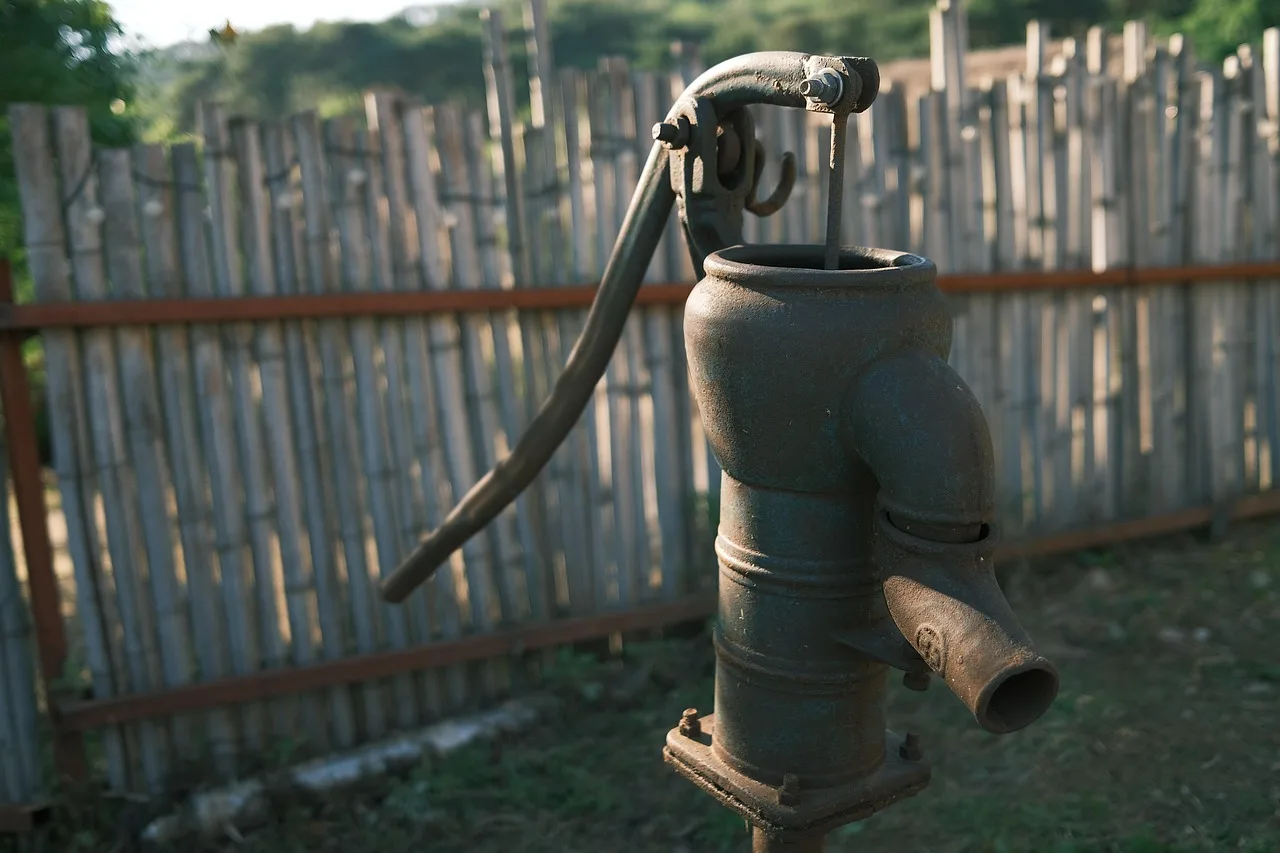
Yes. Exposed water in the system can freeze at 32 degrees Fahrenheit, and the pump can be damaged by the ice that forms around it or in connected piping. Jet pumps above ground are the most vulnerable. Submersible pumps are less likely to freeze themselves, but the connected plumbing still can.
Pressure tanks can freeze more slowly because they contain a large volume of water, yet short exposed fittings around the tank may freeze first. The pressure switch is another common problem point because the little bit of water in the switch can freeze before the rest of the plumbing.
What you may warm gently
You may warm exposed pipe, the outside of a pressure switch, and accessible fittings with safe, indirect heat. Use a hair dryer on low, a space heater kept well away from plastic parts, or warm air from a utility area only if the equipment is dry and there are no leaks. Heat should be gradual.
What should stay off-limits?
Do not use an open flame, torch, or direct high heat. Do not aim a heater at cracked PVC or a wet motor housing. Do not keep cycling power while the system is frozen. A frozen pump that is forced to run dry can be damaged quickly.
When a frozen section means you should stop and shut down
If you see a split pipe, dripping fitting, bulged pipe, burned smell, or repeated breaker trip, stop. If thawing exposes a crack or a leak starts, shut power off and leave the system alone until it is inspected. A frozen system is one thing; a ruptured one is a repair job.
Picture a jet pump in an unheated pump house where the temperature dropped below freezing overnight. If the pressure switch is frosted and the pump hums, the safest move is to shut power off and warm the switch and nearby pipe first, not to restart the motor over and over.
What parts of the well system freeze first?
The first parts to freeze are usually the small, exposed, or draft-hit sections. That includes the pressure switch, exposed pipe between the well and the house, pressure tank fittings, air leaks around the pump house or crawlspace, and above-ground pump components. Those spots have less thermal mass and cool down quickly.
Pressure switch and small water passages
The pressure switch controls pump start and stop, and it is often mounted near the pressure tank or tank tee. The small gray box on the pipe near the tank can freeze first because the water passages inside it are tiny. When frozen, it may fail to signal the pump even if the rest of the system seems intact.
Exposed pipe between the well and the house
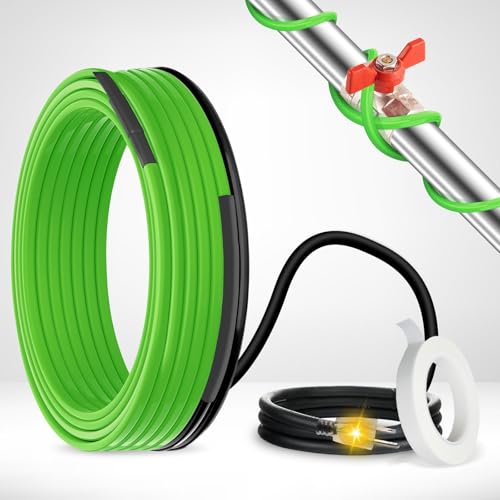
Frozen exposed pipe is a common freeze point, especially in outdoor runs or unheated spaces. Closed-cell foam pipe insulation is recommended for this piping, and heat cable should be installed in a straight line along the bottom of the pipe. A thermostatically controlled cable should energize below 38 degrees.
Pressure tank fittings and nearby valves
Pressure tanks can freeze more slowly because they contain a large volume of water, but the short exposed fittings around them often freeze first. The tank itself can also be waterlogged or bladder-failed, which can make diagnosis harder. For a 40/60 PSI system, a tank air charge of 38 PSI is the standard target.
Pump house or crawlspace air leaks
Wind gaps and open vents increase freeze risk. A pump house or crawlspace does not have to be warm, but it should stay above freezing. Seal penetrations and drafty doors, and keep exposed lines protected so cold air does not sit on the plumbing all night.
What to check on jet pumps and submersible pumps
Jet pumps and submersible systems fail differently in cold weather. A jet pump above ground may freeze in the pump body, suction line, or nearby fittings. A submersible pump rarely freezes itself, but the pitless adapter, drop pipe, pressure tank, and above-ground controls can still freeze or crack.
Jet pump setups with exposed plumbing
With a jet pump, start by checking the pump housing, suction line, and any pipe in the pump house or crawlspace. If the pump is above ground and the housing is cold or frosted, freeze damage is more likely. Loss of prime can also follow a thaw, so do not let the pump run dry.
Submersible systems with above-ground control and piping
With a submersible pump, inspect the pressure switch, tank fittings, and exposed line first. If the power is on but the pump will not start, the frozen point may be in the control plumbing rather than the pump itself. A frozen pitless adapter or drop pipe is a repair issue, not a thaw-only fix.
Dry-run risk after thawing or prime loss
After a thaw, the system may still have air in the line or may have lost prime. Do not leave the pump running if water does not return quickly. Dry running can damage the pump, and a thawed line can still hide a split that leaks under pressure.
Suppose a submersible system regains pressure for one minute, then drops again and the pump cycles rapidly. That pattern points more to a leak, tank issue, or frozen fitting that cracked open during thawing than to a simple cold snap. Shut it down and inspect before restarting.
How do you reset power without causing more damage?
A single breaker reset is generally reasonable only when there are no leaks, no burning smell, and no obvious frozen crack. If the pump stopped in cold weather and the breaker is off, one reset can help you separate a nuisance trip from a freeze. Do not keep resetting it if the same fault returns.
When a single breaker reset is reasonable
Reset once after you have checked for visible water, ice, or split pipe. If the pump starts normally and water returns, keep watching the pressure. A frozen switch or line that is still partly blocked may let the pump run for a moment and then fail again.
When to leave power off
Leave power off if the breaker trips again, if the pump hums without moving water, or if any fitting is leaking. Leave it off if you suspect a dry run or a frozen suction line. A repeated trip means the system is telling you something is still wrong.
What repeated trips mean in cold weather
Repeated trips can indicate ice in the line, a shorted switch, a seized motor, or a damaged wire. In cold weather, that pattern is a warning sign, not a reset challenge. The more times you restart a stressed pump, the more likely you are to turn a thaw problem into a repair.
Frequently asked questions
What to do if your well pump stops working
Start with the simplest checks: power, visible leaks, frost on exposed pipe, and the pressure switch near the tank. If you see split pipe, water, burning smell, or repeated breaker trips, shut power off. If the issue looks like freeze damage, thaw only exposed sections with safe heat.
What to do if your well stops pumping water
If the system stops pumping water after a cold night, assume a freeze until you prove otherwise. Check for no-flow symptoms, then inspect exposed pipe, the pressure switch, and above-ground pump parts. Do not keep running the pump if it hums, loses prime, or returns no water after a gentle thaw.
What happens if your well pump freezes
A frozen well pump can rupture pipes, crack housings, and leave a home without water for days. Ice can also damage the pressure switch or fittings near the tank. If the system thaws and then leaks, the damage is already beyond a simple reset and needs repair.
How do I tell if the pressure switch is frozen?
A frozen pressure switch may show frost on the small gray box near the tank, no click when pressure changes, or no pump start even though the breaker is on. The small passages inside the switch can freeze before the rest of the plumbing. Warm the switch gently and check again.
When should I call a well technician for a frozen pump?
Call immediately if you see a split pipe, wet electrical parts, a cracked pressure switch, a damaged pump housing, or repeated breaker trips. Call if thawing does not restore water, or if the pump runs but delivers nothing. Any sign of damage beyond exposed pipe means the system needs inspection.
Sponsored / affiliate links. As an Amazon Associate I earn from qualifying purchases. I may earn additional commission from eligible campaigns.