How to Unfreeze a Frozen Drain Pipe Safely at Home
To unfreeze a frozen drain pipe, first confirm ice by checking whether one fixture backs up during a cold snap while other drains still work, then thaw the pipe from the warmest accessible point with a hair dryer or space heater kept at a safe distance. Thawing the wrong section, or using open flame, can crack PVC, melt fittings, or leave a hidden leak that shows up after the pipe reopens. This guide shows how to tell ice from a clog, choose the safest heat source for the pipe’s location, and restore flow without damaging the line.
Frozen drain pipe basics

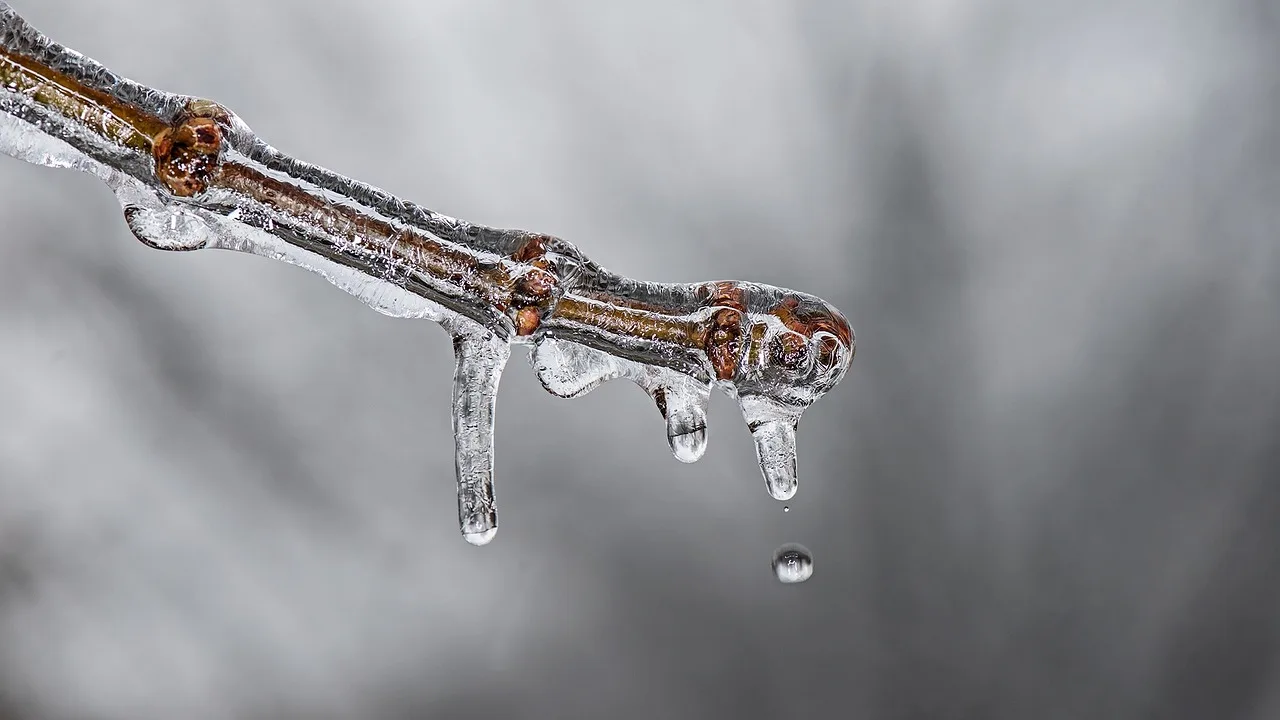
A frozen drain pipe is more common in exposed runs and cold spaces such as exterior walls, basements, crawlspaces, and attics. Unlike a supply pipe, a drain line may still hold standing water in a trap, so the first symptom is often a fixture that will not empty or drains only very slowly.
When ice melts, flow can return suddenly. That is why the line may leak at a weak joint, a cracked fitting, or a hidden split that stayed sealed while frozen. If you see damage, stop before adding more heat.
How do you tell if it’s frozen?
A frozen drain usually affects one branch or one fixture at a time, while a normal clog often causes slow drainage without a clear cold-weather pattern. Start by checking the coldest route first, especially pipes on exterior walls, in uninsulated basements, or in other unheated spaces.
Signs that point to ice rather than a clog
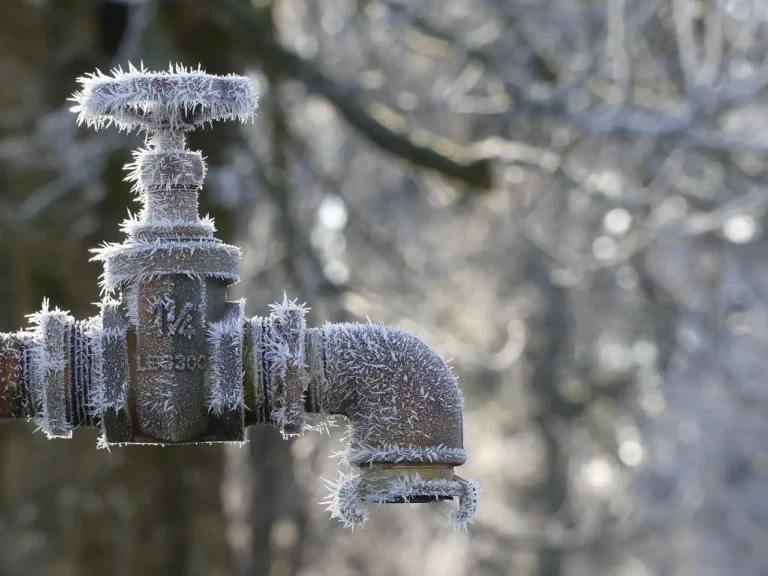
Test faucets and drains one by one to narrow down which pipe is frozen. A pipe section with frost, a bulge, or dampness is more suspicious than a slow drain alone. A visible crack or leak means the pipe has burst and needs repair, not more thawing. (Wikihow)
Say your kitchen sink drains normally on one side of the house, but the basement utility sink backs up after a night near 20 F. That pattern points to a local freeze in the colder run, not a whole-house blockage.
Check the pipe location before you heat anything
Inspect exposed pipe that runs along an exterior wall, crosses a crawlspace, sits under a sink on an outside wall, or hangs above a cold basement ceiling. Those spots lose heat first. If the line disappears into a wall or ceiling and you cannot inspect it, treat it as inaccessible and stop short of aggressive DIY heat.
What you’ll need
- Hair dryer
- Hot towels and a bucket for swapping out cooling towels
- Warm water for soaking towels, not for pouring into a hidden drain
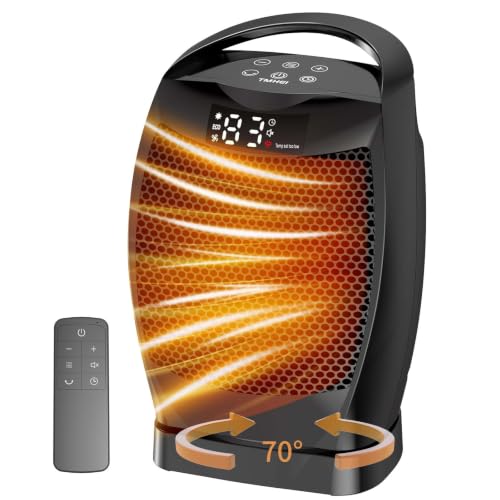
- Portable space heater
- Heat tape or heating cable, installed per manufacturer instructions
- Flashlight
- Towels or a shallow pan for drips
- Access to the shutoff valve if damage is suspected
How do you thaw it safely?
Start with the least risky heat source that fits the location: a hair dryer for exposed pipe, a room heater for inaccessible areas, or heat tape on an open run that can be installed correctly. Keep the drain path open, keep heat moving, and stop if the pipe shows damage or does not respond.
- Stop using the fixture and clear the area under the pipe.
- Open the drain path if possible so meltwater has a place to go; if the fixture holds standing water, remove as much as you safely can before heating.
- If damage is suspected, stop using the fixture and inspect the pipe before continuing.
- Use a hair dryer on the exposed section first, and keep it in motion along the pipe.
- Warm the room that contains the pipe with a portable heater, but keep the heater away from curtains, paper, and stored items, and never leave it unattended.
- Swap hot towels as they cool, and recheck the line after each change.
- Stop at the first drip, crack, or split, then inspect before continuing.
How do you thaw a frozen pipe in the house? Aim heat at the cold room or visible pipe run, not the wall surface at random. A common first-timer mistake is to keep heating the same spot near the frozen section for several minutes instead of moving the warmth along the pipe. That can overheat a fitting while the ice plug farther down stays solid.
Use a portable heater only in the room that contains the pipe, and keep it away from curtains, paper, and stored items. Family Handyman recommends a portable heater away from flammable materials and slowly oscillating a hair dryer along the frozen pipe section. It also warns against open flame devices like a propane or kerosene heater. (Familyhandyman)
Frozen drain pipe triage
Use this table to match the symptom to the safest next move. It covers sink drains, basement drains, and exterior or utility drain runs. If the pipe is hidden, cracked, or still refuses to thaw after one careful round of heat, stop and call a plumber.
| Symptom | Likely cause | Safe DIY action | Tool to use | Red-flag stop point | When to call a plumber |
|---|---|---|---|---|---|
| One sink backs up during a cold snap; other drains work | Ice plug in a local branch or trap | Warm the exposed trap and nearby run first | Hair dryer, hot towels | No visible access to the pipe | If the line is inside a wall or leak appears |
| Basement floor drain slows or stops in an uninsulated space | Frozen section in a cold basement run | Warm the room, then heat the exposed line slowly | Space heater, hair dryer | Bulge, frost, or dampness on the pipe | If flow does not return after cautious heating |
| Exterior or utility drain run thaws, then freezes again | Cold exposure plus poor insulation | Finish the thaw and insulate the run after inspection | Heat tape or heating cable | Pipe material is damaged or inaccessible | If the same section keeps refreezing |
| Fixture suddenly leaks after thaw starts | Split pipe or failed joint | Stop heating and isolate the line | Shutoff valve, flashlight | Visible crack or active leak | Right away, for emergency repair |
Common mistakes
Do not use boiling water, open flames, harsh chemicals, or a propane torch on a frozen drain pipe. The same source says never use open flame devices like a propane or kerosene heater.
Do not heat one tiny spot and walk away. Keep the hair dryer moving, and follow the pipe run from the warmest accessible section toward the coldest section. If a heat tape or heating cable is used, make sure it is rated for the pipe and install it per manufacturer instructions rather than wrapping it loosely and hoping for the best.
Do not ignore a bulge, crack, or leak. If the pipe is already damaged, more heat can turn a small split into a larger leak once the ice clears.
Do not let a partially thawed line sit unattended. Slow drainage can refreeze in the same cold spot, especially in basements and near exterior walls.
How do you keep it from freezing again?
Prevent repeat freezing by insulating exposed drain runs, keeping cold rooms warmer, and draining vulnerable exterior lines before a hard freeze. The same source says draining exterior water lines helps reduce pressure from building up, which lowers the chance of damage if ice forms again.
Pay attention to fixtures on exterior walls, basement drains in uninsulated spaces, and any run in a crawlspace or attic. Those are the lines most likely to need extra insulation or a warmer surrounding space.
What to do after the thaw
Check every joint for moisture, run water again, and watch the line under load for several minutes. If the drain was frozen long enough to trap water in the trap, refill the trap with clean water once flow returns. If the pipe leaks, gives off a wet spot, or drains slowly again right away, stop and inspect before resuming use.
Suppose a basement laundry drain opens after heating, then begins dripping at an elbow ten minutes later. That is a sign to stop using the fixture and check the fitting, not to keep adding heat and hope it seals itself.
Frequently asked questions
How do you unfreeze a frozen drain pipe?
Start with the warmest accessible section, then use a hair dryer or hot towels to warm the pipe while keeping heat moving toward the cold spot. Open the drain path, watch for drips, and stop if you find a crack, bulge, or hidden run you cannot inspect safely.
How do you clear a frozen drain pipe without damaging it?
Use gentle, external heat only. A hair dryer, hot towels, or a space heater in the room is safer than pouring hot water into a hidden line. Keep the heat source moving, and follow the manufacturer instructions if you use heat tape or heating cable.
How do you tell if a drain pipe is frozen or clogged?
A freeze usually appears during very cold weather and often affects one fixture or one run on an exterior wall, basement, crawlspace, or attic. A clog is less tied to temperature and more likely to cause slow drainage from debris or buildup in the trap or branch line.
What should you do if a frozen pipe won’t thaw?
Stop heating after one careful round if there is no movement, especially if the pipe is hidden or the cold section is inaccessible. Call a plumber for emergency repair when the pipe will not thaw, when a leak appears, or when the line may be cracked or burst.
When should you call a plumber for a frozen drain pipe?
Call right away if you see a visible crack, active leak, or burst section, or if the pipe runs inside a wall, ceiling, or other inaccessible space. Professional tools can locate the frozen section and reduce the chance of hidden damage.
How do you keep drain pipes from freezing again?
Insulate exposed runs, keep the surrounding space warmer, and drain exterior lines before cold weather sets in. If one spot freezes more than once, improve insulation or reroute the pipe away from the cold wall or unheated space that caused the problem.
Sponsored / affiliate links. As an Amazon Associate I earn from qualifying purchases. I may earn additional commission from eligible campaigns.