What to Do When Frozen Pipes Won’t Thaw
Keep thawing only if the full pipe is reachable, there are no signs of leakage, and some flow returns within about 15 to 30 minutes; if the line stays frozen, stop and call a plumber or water utility. Waiting too long can crack the pipe, flood walls, and turn a cold-weather repair into a burst-pipe emergency. This guide tells you when to keep thawing, when to stop, and who to call.
This guide is part of our Frozen Pipes: How to Prevent, Thaw and Fix Them series.
The three-step safe thaw sequence before calling a plumber
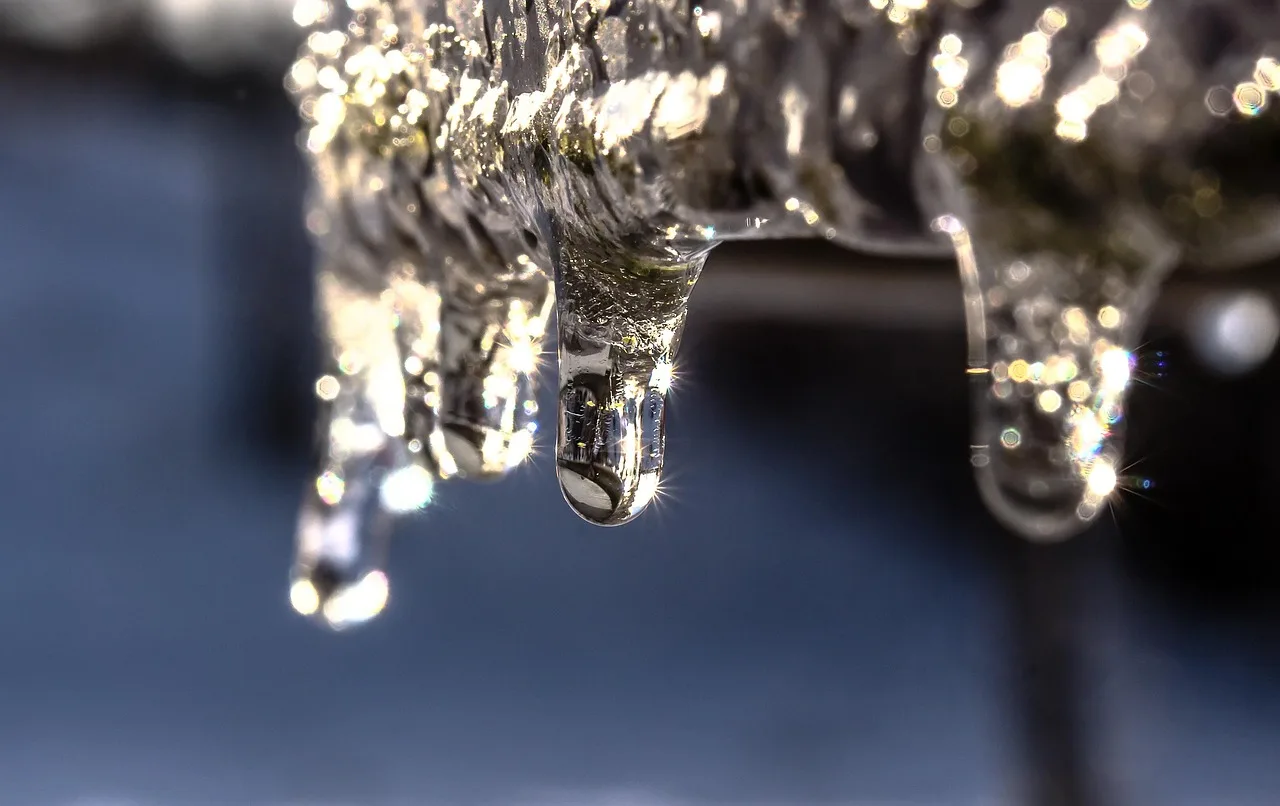
Shut off the main water supply first, open the faucet fed by the frozen line, and then thaw only the exposed section you can actually reach. If water does not return after a reasonable safe attempt, or if the pipe is hidden in a wall, ceiling, or slab, stop and call a plumber.
The main shut-off valve is usually where the main line enters the home or near the water meter, not at a sink. Turning it off before you apply heat lowers flood risk if the pipe has already split. Open the faucet served by the frozen line so melting ice has an exit path.
- Find the main water shut-off valve and close it fully.
- Open the faucet on the frozen line.
- Remove items near the thaw zone that could be damaged by dripping water or heat.
- Locate the frozen section before applying any heat.
- Start thawing at the faucet end and work back toward the blockage.
Say your kitchen sink cabinet line is cold to the touch and the faucet still gives no flow. You can usually keep thawing that accessible run with gentle heat. If the same line disappears into a wall and no flow returns after a short, careful attempt, stop there and call for help.
How do I find the frozen section of a pipe?
Start with the coldest, most exposed runs first, then trace the pipe path from the faucet back toward the blockage. Common freeze points include exterior walls, crawl spaces, garages, attics, cabinets, and other exposed or poorly insulated areas. Use access panels and visible runs before opening drywall or ceilings.
What to look
- A pipe that feels much colder than nearby runs.
- A section in an exterior wall or unheated space.
- Reduced or no flow at one fixture while others still work.
- Visible frost or dampness near the suspected section.
Frozen water pipes can turn a minor inconvenience into leaky pipes and damage. A pipe can also be split by ice and still block water until the thaw starts. That is why the location matters before you heat anything.
Suppose the bathroom faucet is dead, but the kitchen sink works. The freeze may be in the branch serving that bathroom or in a shared run nearby. Start at the closest visible section to that faucet and work toward the colder area instead of guessing behind finished surfaces.
Should I turn off the water if a pipe is frozen?
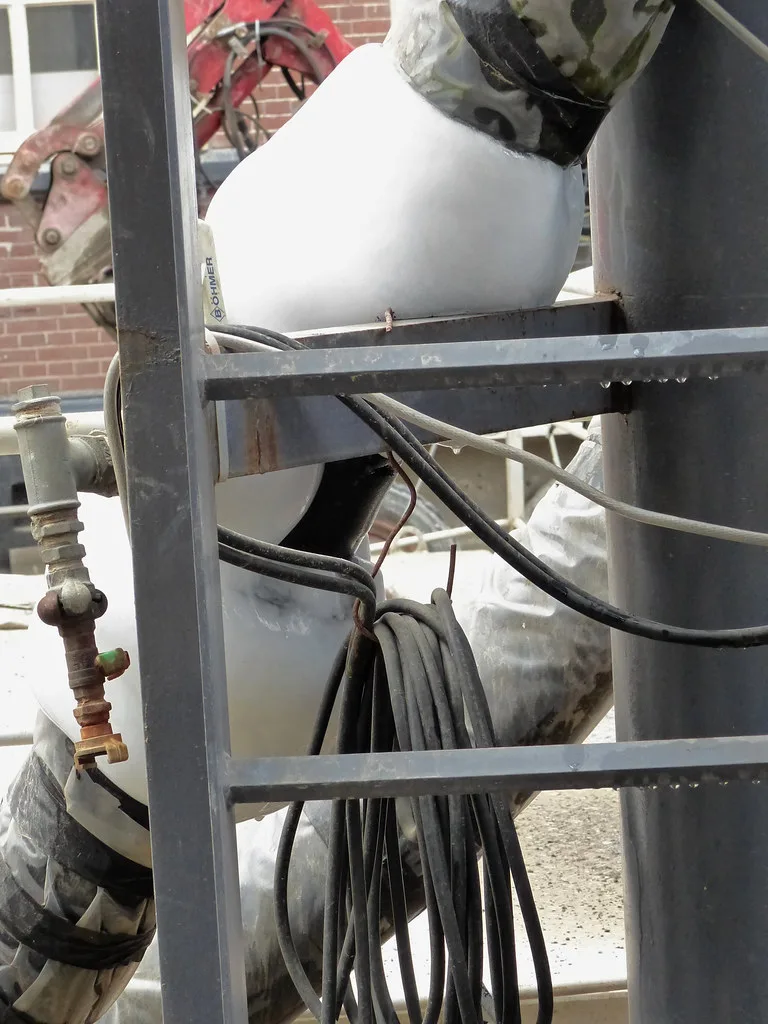
Yes. Turn off the main water supply before thawing if you can reach it safely. This step does not fix the freeze, but it limits flooding if the pipe has split or bursts while ice melts and pressure returns.
Open the faucet served by the frozen line after you shut off the main. That gives melting ice somewhere to go and helps relieve pressure in the line. If the pipe is already bulged, wet, or leaking, stop and call a plumber before adding more heat.
What can I use to thaw a frozen pipe safely?
Use gentle, direct heat on accessible pipe runs only. A hair dryer works for visible pipe sections, warm towels fit tight spots you can still reach, and a heat lamp or space heater can warm the surrounding area when the appliance manual allows it and you can monitor it continuously.
Safer options by access level
- Hair dryer: Move it constantly along the pipe. Do not hold heat in one spot.
- Warm towels or hot-water towels: Wrap the pipe and re-soak the towels as they cool.
- Heat lamp: Useful in crawl spaces or cabinets when the manual allows monitored use.
- Space heater: Warm the room or cavity, but never leave it unattended.
Heat tape can be wrapped around frozen pipes and plugged in to warm them over time, and thermostat-controlled versions turn on at a set temperature and off when air warms. That said, many products are meant for freeze protection, not active thawing, so check the manufacturer’s listing for your model before using any tape on an already frozen pipe.
A common first-timer mistake is aiming a dryer at one spot for too long. That can overheat the pipe or nearby finish without thawing the blockage. Keep the heat moving, and start at the end nearest the tap, then work backward toward the frozen section.
Frozen pipe decision matrix
Use the pipe’s location and access level to decide what to try next and when to stop. The right call depends less on the brand of tool and more on whether you can reach the line, see the full run, and verify that flow returns.
| Pipe location / access level | What homeowners can safely try next | Exact stop / call threshold |
|---|---|---|
| Accessible cabinet line, basement run, or visible pipe | Open the faucet, shut off the main water, then use a hair dryer, warm towels, or monitored room heat. Move heat from the faucet side back toward the blockage. | Stop if no flow returns after 15 to 30 minutes of careful thawing, if the pipe bulges, or if any wet spot appears. |
| Wall cavity or sealed ceiling run | Use heat only on any exposed segment you can reach without cutting finished surfaces. Keep the faucet open and watch for pressure changes or drips. | Call a plumber if the frozen section cannot be reached directly or if thawing stalls before flow returns. |
| Crawl space, attic, or garage line | Warm the surrounding space with a monitored space heater or heat lamp only if the manual allows it. Use towels on exposed sections if accessible. | Stop if the area cannot be monitored, if the line remains frozen after a reasonable attempt, or if any leak appears. |
| Slab line or pipe buried under finished surfaces | Do not keep guessing with surface heat. Shut off water, open the faucet, and protect the area from flooding while you arrange service. | Call a plumber right away. Hidden slab lines often need professional thawing equipment or another repair method. |
When should you stop DIY thawing?
Stop when flow does not return after a reasonable safe attempt, when the pipe is inaccessible, or when you see bulging, splitting, or wetness. At that point, more heat is not a better answer. It is time to shift from thawing to diagnosis and repair.
Frozen pipes can cause a split pipe that is only discovered when the ice thaws. That is why a line that still looks dry during thawing is not always safe. If water appears after thawing starts, treat it as a leak, shut off the water, and call a plumber.
Thawing can take 30 minutes to a couple of hours. That is not a fixed limit, and it should not be used as a promise. The better test is whether the pipe is reachable, whether the faucet is open, and whether flow returns with gentle heat in a reasonable window.
Call a plumber now if you see any of these
- The pipe is behind drywall, in a sealed ceiling, or under a slab.
- Water still does not flow after 15 to 30 minutes of careful thawing.
- The pipe looks bulged, split, or damp.
- You cannot tell where the frozen section is.
- Water starts dripping when the ice begins to melt.
Can a frozen pipe burst before it thaws?
Yes. Ice can damage the pipe before water moves again, and the split may stay hidden until the thaw begins. Turning off the main water supply first matters because it lowers the chance that a damaged pipe floods the home once the blockage gives way.
The freeze itself creates the damage risk. Thawing only reveals it. A pipe can look fine while still being cracked or split, then start leaking as soon as ice opens a path. That is why you should never wait to shut off the main if a line is frozen and inaccessible.
Do not use an open flame or torch on frozen pipes. It is a fire and burn hazard, and it can damage the pipe, framing, and nearby finishes. The fact that a pipe is frozen does not make flame a better tool.
Who should you call next?
Call a plumber when the pipe cannot be found or reached, when thawing stalls, or when you suspect a split or burst. If the freeze happened because the home lost heat, the call order may also include a utility company or HVAC contractor, depending on what failed.
Who to call by problem
- Plumber: inaccessible run, bulged pipe, split pipe, burst pipe, or no flow after a reasonable DIY thaw attempt.
- Utility company: no heat tied to a service outage or another utility-side problem.
- HVAC contractor: furnace, boiler, or heating system failure caused the freeze.
A local plumber is recommended when the frozen pipe cannot be found or reached. Professional thawing equipment may be needed for hidden lines, especially in wall cavities, sealed ceilings, or slab runs where homeowners cannot apply heat directly.
Frequently asked questions
When do frozen pipes thaw on their own?
They may thaw on their own if the space warms up and the pipe is exposed enough for heat to reach it. That does not mean you should wait without action. Shut off the main, open the faucet, and watch for any sign of leakage while the temperature changes.
How long does it take for a frozen pipe to thaw?
There is no fixed number. Thawing can take 30 minutes to a couple of hours, but access, pipe material, room temperature, and freeze depth all matter. If you get no flow back after a reasonable safe attempt, stop and call for help.
What should I do when frozen pipes thaw?
Once flow returns, turn the water back on slowly and watch the pipe and nearby surfaces closely. A split line may not leak until pressure returns. If the faucet spits air, drips start, or water stains appear, shut the main back off and call a plumber.
Sponsored / affiliate links. As an Amazon Associate I earn from qualifying purchases. I may earn additional commission from eligible campaigns.
 YUCHENGTECH Ionizing Air Blower Static Eliminator Fan Desktop Ionizer Air Blower with Detachable Cord ESD Ionizer Electrostatic Discharge Fan 110V
 Water Flow Control Shut Off Valve with Brass Adjustable Hand Level Water Pressure Regulator for Hand Held Shower Head & Bidet Sprayer, Brushed Nickel Water Saver G1/2