Is 55 Degrees Warm Enough to Keep Pipes From Freezing?
55°F is often treated as a lower-end safe thermostat setting for an occupied home, but exposed pipes, exterior walls, crawl spaces, and strong wind can mean more heat or extra protection is needed. Frozen pipes can split and dump water fast, causing serious damage, which is why keeping heat on and protecting vulnerable plumbing during cold weather matters. This guide gives a simple risk-based rule for when 55°F is enough, which pipe locations need more caution, and what to do before a cold snap.
This guide is part of our Frozen Pipes: How to Prevent, Thaw and Fix Them series.
Quick inspector’s checklist for the highest-risk runs: look for pipes on outside walls, under sinks that feel cold to the touch, plumbing above unheated crawl spaces, lines in unfinished basements or attics, and any exposed hose bib or garage laundry supply. If you can see the pipe and it is near outside air, treat it as higher risk than the thermostat alone suggests.
55°F and frozen pipes: the decision rule


Use 55°F as a floor, not a promise. Water freezes at 32°F, but pipes can freeze before the air in the room gets that cold because cold spots, drafts, and uninsulated runs cool faster than the thermostat reading. Winter-prep guidance generally advises keeping indoor heat on during freezing weather and paying extra attention to vulnerable spaces. For an occupied home, 55°F is often the minimum baseline. For unheated or vulnerable spaces, a higher setting or extra protection is often safer.
If you are home and the system is running normally, 55°F may be enough for central rooms and interior walls. If your pipes run through exterior walls, crawl spaces, garages, attics, rim joists, or a mobile home underbelly, treat 55°F as a starting point only. Those locations cool faster and stay cold longer, especially during a long stretch of cold or when wind-driven air leaks into the structure.
When 55°F is usually enough
55°F is usually enough when the plumbing stays inside the heated part of the house, the cold snap is short, and the rooms are not exposed to strong drafts or wind. Interior-wall piping and central rooms are the lowest-risk places in a heated home, which is consistent with guidance that focuses extra attention on unheated or draft-prone areas.
When you need more than 55°F
You usually need more than 55°F when pipes are near unheated or poorly insulated spaces, when the cold lasts for many hours, or when wind pushes cold air into the structure. Freeze-prep guidance and prevention tips all point to the same practical rule: thermostat settings matter, but pipe location matters more. For vacant homes, warmer settings than the minimum occupied-home baseline are often safer, especially during prolonged freezes.
Which pipes freeze first?
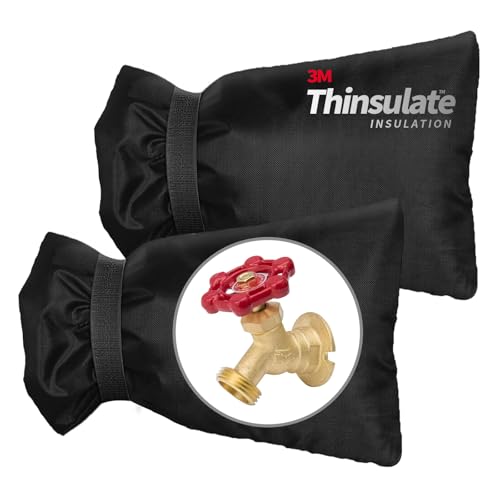
The first pipes to freeze are usually the ones closest to outside air or the coldest parts of the building. In real homes, that means the usual trouble spots are hose bibs and exterior spigots, sink supplies on exterior walls, crawl-space runs, attic lines, and garage laundry lines. Those pipe runs cool faster because they sit in spaces that lose heat quickly, especially during wind exposure or a long freeze.
- Hose bibs and exterior spigots: exposed to outdoor temperatures and wind first.
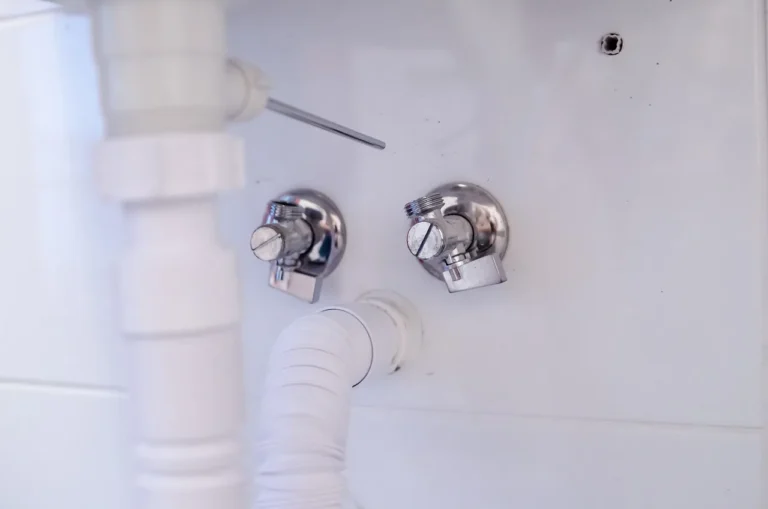
- Exterior-wall sink supplies: especially kitchens and baths on north-facing walls.
- Crawl-space runs: vulnerable when vents, gaps, or missing insulation let in cold air.
- Attic lines: at risk when attic insulation is thin or air leaks are present.
- Garage laundry lines: often the coldest branch in attached or semi-heated spaces.
If you are trying to prioritize one fix before a cold snap, start with the pipe runs listed above. That is where insulation, cabinet-door opening, and safe dripping are most likely to help.
Is 55°F enough here?
For some parts of a house, yes. For others, no. The safest way to think about 55°F is as a minimum occupied-home setting that works best for interior plumbing and much less reliably for exposed runs, garage-adjacent lines, and plumbing close to outside air.
Interior walls and central rooms
Pipes inside interior walls or central heated rooms are the most likely to stay protected at 55°F, especially if the cold spell is brief. If the house is occupied, the heat stays on, and the room air is not leaking away through drafts, 55°F is often enough.
Exterior walls, basements, crawl spaces, garages, attics, and mobile home underbellies
These zones need more caution. Exterior-wall sinks, rim joists, unfinished basements, crawl spaces, garages, attics, and mobile home plumbing are the places most likely to freeze first. If your pipes run there, insulation plus heat is better than insulation alone, and extra protection is wise in these locations.
Say your garage laundry sink is installed along a north-facing wall and the exposed pipes feel icy in the evening. A 55°F thermostat may not be enough on its own if a wind-driven cold snap lasts all night. Open the cabinet doors, keep the heat on, and consider a slow drip on the coldest exposed line.
Why pipes can freeze before 32°F indoors
Pipes do not wait for the whole room to hit 32°F. They can freeze when a cold pocket forms around the pipe, when wind strips heat from a wall cavity, or when the line sits in an uninsulated space that cools faster than the rest of the house. Pipe surfaces can become vulnerable well above freezing air temperatures when drafts and cold materials pull heat away quickly.
Cold duration matters
A short dip is one thing. A long stretch of cold is another. The longer the cold lasts, the more time heat has to leave the pipe and the surrounding materials. That is why an overnight low can be riskier than the same temperature for a brief period during the day.
Wind, drafts, and poor insulation matter too
Wind can push cold air into crawl spaces, garages, attics, and wall cavities. Drafty gaps around rim joists or plumbing openings make the problem worse. Pipe insulation helps, but it works best with heat around it, not as the only defense in exposed areas. Guidance commonly recommends sealing air leaks before relying on insulation alone.
Should you leave heat on all night?
Yes, if the temperature is freezing or near freezing, leave the heat on overnight. Turning the thermostat off can let the house and pipes cool too much, especially in exterior-wall runs and other vulnerable spaces. For an occupied home, steady heat is safer than a nighttime shutdown.
Occupied homes overnight
Keep the thermostat at or above 55°F overnight. If a room is known to be cold, or if the house has exposed plumbing in weak spots, a slightly higher setting can reduce risk. Continuous heat is better than letting the system cycle down to a very low setting.
What to do before leaving for several days
Do not turn the heat off when leaving for winter. Lower it to a temperature warm enough to keep pipes from freezing. 64 to 68°F before leaving on vacation, while another gives 50–55°F for unoccupied homes; the warmer setting is the safer choice when a home will be vacant and pipes are exposed. A setting above the minimum occupied-home baseline is especially sensible when no one will be there to catch a problem.
Suppose you leave for three days and the forecast stays below freezing. A thermostat left at 55°F may protect many interior pipes, but a garage-side line or under-belly pipe can still freeze if the wind is strong and the insulation is poor. Extra heat and a few simple precautions matter more in that setup.
Simple steps that lower freeze risk
Use these steps together. None of them stops freezing on its own in a hard cold snap, but each one lowers the chance of freezing and buys time if a cold pocket forms. The same core steps apply before temperatures drop.
- Open cabinet doors on exterior-wall sinks. This lets warmer room air reach the pipes. Use it for under-sink cabinets on outside walls before freezing weather arrives.
- Drip the coldest exposed faucet. A slow trickle or drip helps keep water moving. Prioritize the coldest exposed run or the branch line that sits in the coldest part of the house, not just any faucet in the house.
- Insulate exposed pipes. Use foam sleeves, rubber insulation, or fiberglass/foam wraps on exposed pipe in unheated areas. Insulation is helpful, but in severe cold it should be paired with heat.
- Drain and shut off exterior water lines. Disconnect hoses and drain hose bibs, spigots, sprinkler lines, and pool supply lines before winter.
- Know the main shut-off valve location. If a pipe freezes or bursts, you need to stop the water quickly.
Cabinet doors and faucet choice
Open under-sink cabinet doors on exterior walls so room air can circulate around the plumbing. For dripping, choose the coldest exposed run. That is often the farthest faucet from the main shut-off or the highest-risk branch line, not necessarily the kitchen sink. A cold-water drip is the usual default; hot water is not needed for freeze prevention.
Space heaters and safe thawing
For frozen pipes, one guidance says to apply heat with a hair dryer and avoid open flame devices. Keep any space heater away from anything flammable, and never use a blow torch or open flame. If a pipe is already frozen and you cannot locate the blockage safely, call a licensed plumber rather than forcing heat onto a wall cavity.
Pipe freeze decision table
This table gives a quick rule for whether 55°F is usually enough in different parts of a home and the first extra step to take if the answer is no. It also adds the practical conditions that matter most: outdoor temperature band, wind exposure, occupancy status, and whether insulation or dripping is advised.
| House zone | Risk level | Outdoor temp band | Wind exposure | Occupancy status | Is 55°F usually enough? | Insulation advised? | Dripping advised? | First extra step to take |
|---|---|---|---|---|---|---|---|---|
| Interior walls | Low | Brief freeze to prolonged freeze | Low | Occupied | Usually yes | Usually not urgent | Usually no | Keep heat on overnight and avoid large thermostat setbacks |
| Exterior-wall sinks | High | 32–20°F or colder | Moderate to high | Occupied or briefly away | Sometimes, but not always | Yes | Yes, if the run feels cold | Open the under-sink cabinet doors |
| Unheated basement | High | Below freezing, especially overnight | Low to moderate | Occupied or vacant | No, not reliably | Yes | Sometimes | Insulate exposed pipes and add heat to the space |
| Crawl space | High | Below freezing or long cold stretch | High if vents or gaps are open | Occupied or vacant | No, not reliably | Yes | Sometimes | Seal drafts and insulate exposed pipe runs |
| Garage | High | 32–20°F or colder | Moderate to high | Occupied or vacant | No, not reliably | Yes | Sometimes | Insulate the line and keep the garage warmer if possible |
| Attic | High | Below freezing | Moderate | Occupied or vacant | No, not reliably | Yes | Sometimes | Insulate exposed pipes and check for air leaks |
| Mobile home underbelly | High | Below freezing, especially with wind | High | Occupied or vacant | No, not reliably | Yes | Sometimes | Add protection under the floor and keep heat continuous |
Frequently asked questions
Is 55 degrees warm enough to keep pipes from freezing?
Often, yes for an occupied home with interior plumbing, but not always for exposed pipes or weak spots. 55°F is a common minimum baseline, not a guarantee. If pipes run through exterior walls, crawl spaces, garages, attics, or a mobile home underbelly, add insulation, heat, or both.
Should I leave the heat on all night when it’s freezing?
Yes. Keep the thermostat on overnight rather than turning it off. A steady setting at or above 55°F is the usual minimum for an occupied home, and a higher setting may be wiser if the house has vulnerable pipe runs or a long cold spell is expected.
What temperature should I keep my house at to prevent frozen pipes?
A widely used baseline is above 55°F during cold weather. If the home will be empty, one source recommends 64 to 68°F before leaving on vacation, and another gives 50–55°F for unoccupied homes. The right choice depends on how exposed the pipes are, whether the house is drafty, and how cold the outdoor temperature will be for how long.
Do I need to leave cabinet doors open under sinks in cold weather?
Yes, if the sink is on an exterior wall or the cabinet area feels cold. Open under-sink cabinet doors before freezing weather to let warm air reach the pipes. That step is simple and useful, especially for kitchens and baths on outside walls.
Should I drip hot or cold water to keep pipes from freezing?
Use a slow cold-water trickle or drip from the faucet on the coldest exposed run. The goal is moving water, not hot water. Choose the faucet farthest from the main shut-off or the branch line that sits in the coldest part of the house.
What should I do before leaving my house in freezing weather?
Do not turn the heat off. Leave the thermostat warm enough to keep pipes from freezing, know where the main shut-off valve is, disconnect hoses, and drain outdoor spigots and sprinkler lines. For longer trips, a higher setting than 55°F is often the safer call.
Can pipes freeze even if the thermostat is set to 55°F?
Yes. Pipes can freeze before the air in the room gets to 32°F because drafts, wind, cold spots, and poor insulation cool the pipe faster than the room. That is why exterior-wall lines, crawl spaces, garages, attics, and mobile home plumbing need extra attention.
Sponsored / affiliate links. As an Amazon Associate I earn from qualifying purchases. I may earn additional commission from eligible campaigns.