Should You Open Cabinet Doors Under Sinks?
Open cabinet doors under sinks only when the cabinet is on an exterior wall and can pull in warm room air. Otherwise, the open doors do little. Skip the other freeze steps, and you can still end up with burst pipes, water damage, and a costly repair. This guide explains when open doors help, when they fail, and what else to do.
Should you open cabinet doors under sinks?
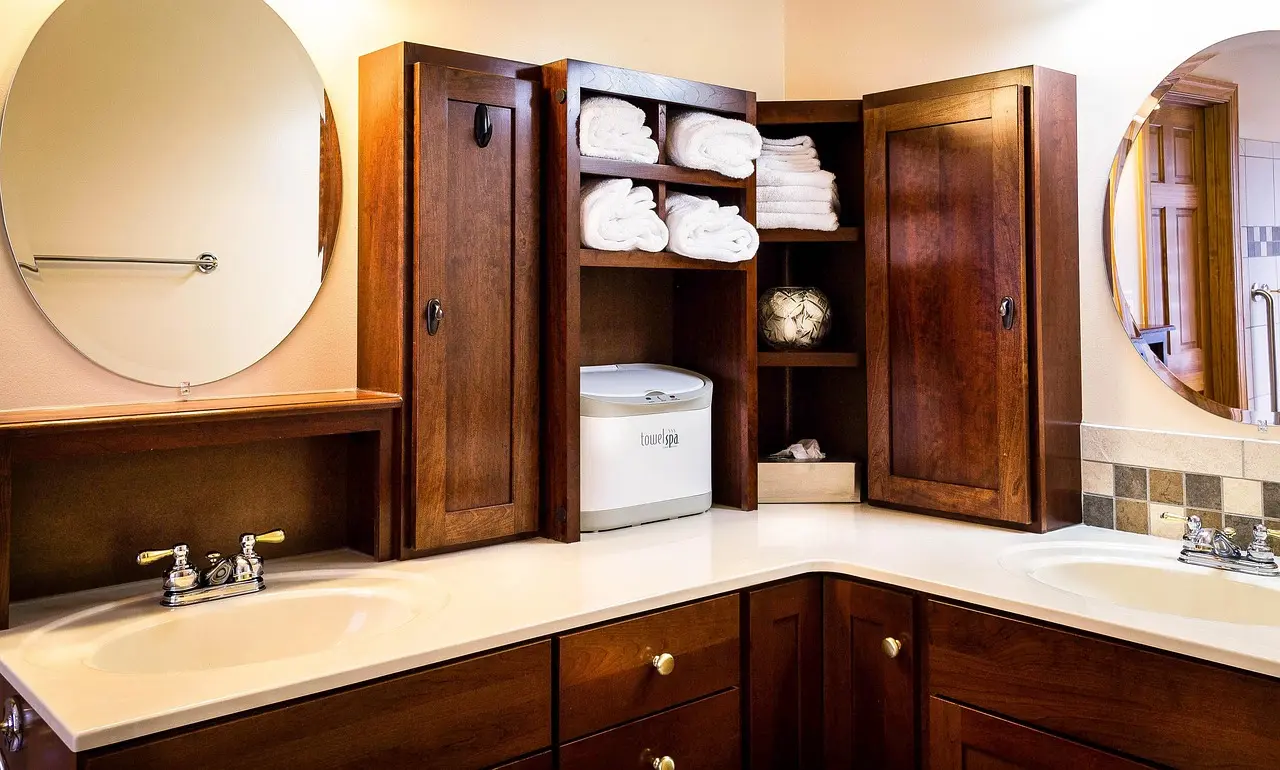


Yes, but only in the right setup. Open kitchen and bathroom cabinet doors when the plumbing is under an exterior wall and the cabinet can actually pick up heat from the room. If the pipes sit in a cold cavity, over a crawl space, or near a garage, open doors alone are not enough.
When opening them helps most
Cabinet doors help by letting warmer room air reach uninsulated pipes under sinks and appliances next to exterior walls. That matters most for kitchen and bathroom sinks. It matters less, or not at all, when the cabinet is boxed in, tightly sealed, or cut off from the room’s heat.
When opening them is not enough
If the pipe route is already in an unheated basement, crawl space, or garage, the cabinet is only a weak buffer. Frozen water expands and can split pipes, so an open door in the wrong location does not remove the main risk. In those cases, insulation, draft sealing, and sometimes heat cable matter more.
What you’ll need
- A flashlight to trace where the pipes run behind the cabinet
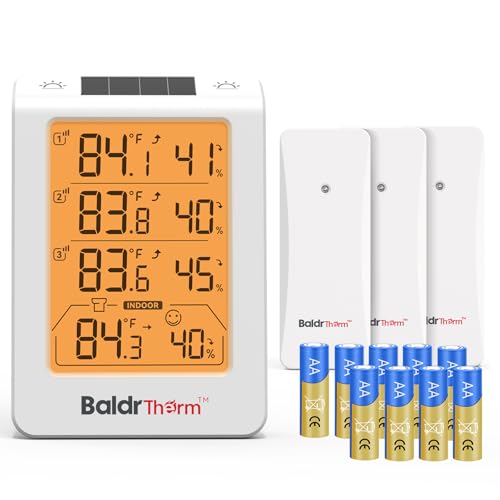
- Thermometer or thermostat display for a quick temperature check
- Foam pipe sleeves or pipe wrap for exposed lines
- Caulk, spray foam, or weatherstripping for obvious air leaks
- Heat tape or heat cable, if a vulnerable pipe needs added protection and the product instructions allow it
- Dish towels or a shallow tray for any small drips during testing
Should I open cabinet doors under sinks when it’s freezing outside?
Open them when the sink cabinet can get warm room air and the plumbing is on an exterior wall. Do not rely on open doors in a cabinet with no nearby heat source. The tactic works with steady indoor heat, draft sealing, and protection for exposed piping.
How to check before you leave the doors open
- Open the cabinet and feel for room air moving into it.
- Check whether the pipe runs through an exterior wall or down into an unheated space.
- Look for insulation around the pipe and for gaps around penetrations.
- Leave the doors open only if the cabinet is getting room heat.
Say your kitchen sink is on an exterior wall and the cabinet feels warmer after the door is open for a few minutes. That setup is a good candidate for open doors plus a thermostat check. If the same sink sits over a chilly crawl space, the open door is not enough on its own.
Cabinet doors checklist
Use this one-page check before you decide whether to leave a sink cabinet open. The pipe location matters more than the door itself. If the cabinet cannot receive heat from the room, treat open doors as a minor aid, not a primary defense.
| Pipe location | Risk level | Recommended action |
|---|---|---|
| Exterior-wall sink | Higher | Open the cabinet doors, keep heat steady, and insulate exposed pipe sections. |
| Sink over heated basement | Moderate | Open the cabinet if room air can reach it; still check for drafts and exposed lines. |
| Sink over crawl space | Higher | Do not rely on cabinet doors alone; add insulation, seal leaks, and consider heat cable. |
| Vacation shutdown | High | Set the thermostat to at least 55°F, open exterior-wall sink cabinets if they can get heat, and follow shutdown steps for exposed or outdoor lines. |
Which cabinet doors should I open to help prevent frozen pipes?
Open the cabinet doors under kitchen and bathroom sinks first, especially when those sinks sit on exterior walls. Those are the places most likely to benefit from a little warm-air circulation. Skip cabinets that are fully isolated from room heat, because leaving them open wastes effort without changing pipe temperature much.
Check where the pipes run
- Look under the sink with a flashlight.
- Trace the cold and hot lines to see whether they disappear into an exterior wall.
- Note whether the cabinet backs onto a heated room, basement, or crawl space.
- Decide based on heat access, not on the cabinet door itself.
Suppose a bathroom sink sits above a heated basement wall and the plumbing stays close to the room side of the cavity. That cabinet is a good candidate for opening. If the same bathroom is over an unheated garage, you need more than open doors.
What temperature should I keep my house at to avoid frozen pipes?
A commonly cited baseline is around 55°F, and during extreme cold it is often advised to keep the thermostat at the same temperature day and night. Sudden nighttime setbacks can let vulnerable walls and cavities cool too far. Consistent indoor heat gives open cabinet doors something useful to work with.
Keep heat moving
- Set the thermostat to at least 55°F before cold weather or before leaving town.
- Keep the setting steady day and night during extreme cold.
- Leave under-sink cabinet doors open only where room air can reach the pipes.
- Seal obvious drafts around penetrations and baseboards so warm air stays in the room.
What temperature change should you make?
Do not keep dropping the thermostat overnight. If the house is already near freezing, raise it to 55°F and leave it there. The point is consistency. That matters more than chasing a warmer number one hour and a cooler one the next.
Should I drip the faucet too?
Yes, during severe cold snaps, a slight faucet drip can help when used with open cabinet doors and steady indoor heat. A drip keeps water moving, which lowers freeze risk in especially cold weather. It is a backup step, not a replacement for insulation or draft sealing.
When a drip helps
Below 20°F is a threshold where some experts advise letting faucets drip slightly. Use that as a cue to add the drip when the cold becomes severe, especially for a sink on an exterior wall. A tiny flow through the line can help if the pipe is otherwise getting warm room air.
How a drip fits with cabinet doors
Open the cabinet first, then choose the faucet most likely to be affected, and let it run at a slow trickle. The goal is movement, not waste. Keep the thermostat steady at 55°F or higher while the cold snap lasts.
When a drip is not enough
If the pipe is already in a cold crawl space or an unheated garage wall, a drip alone may fail. Add insulation, seal leaks, and use heat cable where appropriate. The problem is location, not water flow alone.
What else should I do besides opening cabinet doors to prevent frozen pipes?
Seal drafts, insulate exposed pipe, and protect vulnerable lines in unheated spaces. Open cabinet doors help only when the cabinet can receive room heat. The bigger fixes are pipe location, insulation, and air sealing around the places where cold air enters or contacts plumbing.
Seal the air leaks first
- Find gaps around pipe penetrations, sill plates, and foundation areas.
- Seal them with caulk, spray foam, or weatherstripping as appropriate.
- Check baseboards and the back edge of the cabinet for drafts.
- Recheck after the next cold day to see whether the cavity still feels cold.
Insulate exposed and vulnerable pipes
Use foam sleeves or wrap on exposed pipes, especially in basements, crawl spaces, garages, and other unheated areas. In some cases, insulation is paired with sealant or heat cable for added protection. Heat tape or heat cable must be installed according to the manufacturer’s instructions. (CPSC)
Renter versus homeowner choices
If you rent, focus on reversible steps: open the right cabinet doors, keep the thermostat steady, and use a faucet drip during severe cold. If you own the home, add pipe insulation, seal air leaks, and consider heat cable on especially vulnerable runs. Both groups should avoid leaving cabinets open where pets, toddlers, or standing water create a hazard.
Common mistakes
The most common error is opening cabinet doors in a cabinet that cannot get warm room air. That gives a false sense of protection. Another mistake is skipping insulation on exposed lines, especially where the pipes are already near freezing. A third is forgetting the safety tradeoff of open cabinets around children, pets, or leak-prone plumbing.
- Relying on open doors in an unheated cavity: If no room heat reaches the pipe, the tactic has little value.
- Skipping insulation on exposed lines: Foam sleeves or wrap are basic protection for vulnerable pipe runs.
- Ignoring pets, toddlers, and standing water risks: Keep cabinet contents secure and watch for leaks before leaving doors open for long periods.
- Lowering the thermostat overnight during extreme cold: Keep it steady at the same temperature day and night.
- Using heat cable without following instructions: Install it only as directed by the manufacturer.
If that didn’t work, try this next
- Confirm that the cabinet is on an exterior wall and actually getting warm air.
- Raise the thermostat to at least 55°F and hold it steady through the cold snap.
- Start a slight faucet drip on the most vulnerable sink line.
- Insulate exposed pipe and seal any draft paths around the plumbing.
- Add heat cable only where the pipe remains at high risk and the product instructions allow it.
Frequently asked questions
When is opening cabinet doors not enough to stop pipes from freezing?
It is not enough when the plumbing sits in an unheated basement, crawl space, garage, or poorly insulated wall cavity. In those cases, use pipe insulation, seal air leaks, and keep the house at a steady 55°F or higher. A faucet drip can help, but it cannot fix a cold pipe route.
Do I need to leave cabinet doors open all night during a cold snap?
Yes, if the cabinet is on an exterior wall and can actually gain warmth from the room. Keep them open through the coldest hours, but pair that with a steady thermostat setting and, if needed, a slight faucet drip. Close them again once the temperature danger has passed.
Should I also drip faucets if I open cabinet doors under sinks?
During severe cold, yes. A small drip works best as a companion step, not a substitute. Use it when temperatures are especially low, keep the thermostat steady, and open only the cabinets that can receive room heat. That combination gives the line the best chance to stay clear.
Will opening cabinet doors help pipes in bathrooms as well as kitchens?
Yes, when the bathroom sink is on an exterior wall and the cabinet can pick up heat from the room. The same rule applies in kitchens. If the sink is over a cold void or unheated space, open doors alone will not protect the pipe very well.
Sponsored / affiliate links. As an Amazon Associate I earn from qualifying purchases. I may earn additional commission from eligible campaigns.