Should You Drip Hot or Cold Water to Keep Pipes From Freezing?
Drip cold water by default, and use the farthest at-risk faucet; switch to hot or both only if the hot line is exposed too. Ignoring a freeze can split a pipe behind drywall, soak insulation, and drive up repair costs fast. This guide gives a simple rule for choosing cold, hot, or both, plus how to pick the right faucet and when dripping will not help.
Cold or hot water?
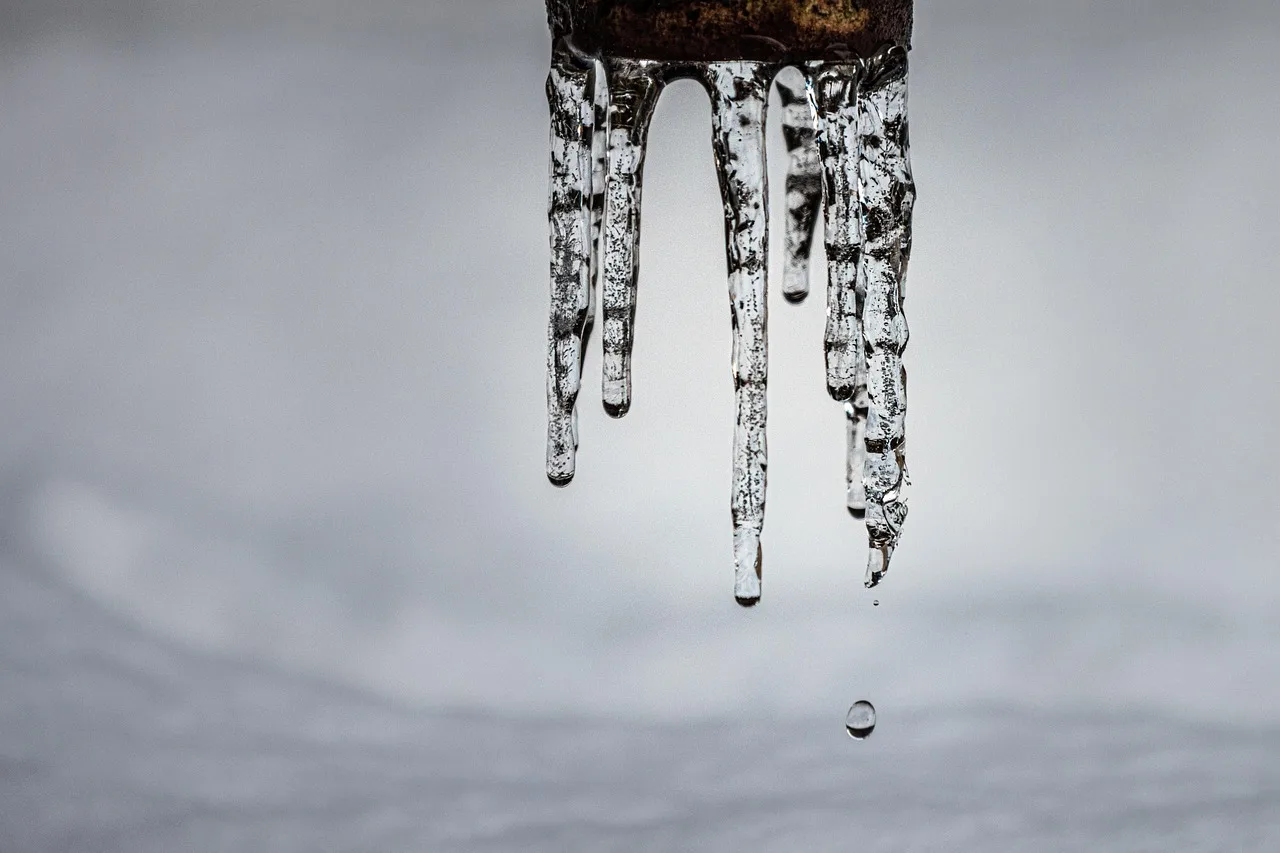
Cold water is the default choice because it keeps water moving through the line most likely to freeze, without cycling the water heater needlessly. If the hot line also runs through a vulnerable space, a hot-water drip or a drip on both lines can make sense, but that is the exception, not the starting point.
Why cold water is the default
Extension guidance says to drip cold water in the farthest faucet from your main valve, and Mississippi State University says to run the cold water faucet. That advice matches a simple goal: keep water moving through the longest, coldest stretch of pipe. A slow drip can also relieve pressure when water freezes. (Msstate)
Cold-only is usually enough in homes where the risk sits on one exposed branch. It wastes less hot water, avoids extra cycling of the water heater, and still lowers the chance that a stagnant line will lock up.
When hot water or both lines can make sense
Some guides, including Today’s Homeowner, recommend dripping both hot and cold water at faucets. That can fit homes with separate hot and cold handles, a single-lever faucet set in the middle, or a hot-water run that shares the same exposed route as the cold line. If only the cold line is exposed, hot water does not add much.
Tankless water heater systems need special attention because the hot line can be part of the freeze risk and the system may react differently than a storage tank setup. If both supply lines pass through the cold zone, both may need a controlled drip. If the hot line stays protected, cold-only is still the cleaner choice.
Why one faucet is often enough
One strategically chosen faucet is enough in many homes. Dripping every fixture does not add much protection if the vulnerable run feeds one branch from the meter or main valve. The key is to keep water moving at the point most likely to freeze, not to waste water everywhere else.
Say your kitchen sink sits on an exterior wall and the laundry room does not. Dripping the kitchen sink is the better move, even if the laundry room is closer to the center of the house, because the kitchen line is the one most likely to chill first.
| home setup | risk location | recommended faucet setting | when it applies | when to skip dripping |
|---|---|---|---|---|
| Standard single-handle faucet | Exterior wall or unheated space | Set the handle in the middle, or use cold-only if the cold line is the exposed run | When the faucet is the farthest at-risk fixture from the main valve or meter | Skip if the vulnerable pipe is already insulated and sheltered, and the weather stays mild |
| Separate hot and cold handles | Kitchen, bathroom, or laundry branch with exposed piping | Drip cold first; add hot only if that line is exposed too | When both supply lines pass through a cold crawl space, garage, or exterior wall | Skip hot if the hot line stays inside conditioned space |
| Tankless water heater system | Hot-water branch and nearby exposed runs | Drip the cold line, and consider both lines if the hot branch is also at risk | When the hot side shares vulnerable piping or the installer’s freeze steps call for flow | Skip if the unit and nearby pipes are protected and the utility or manufacturer gives different winter instructions |
| Utility-side freeze suspicion | Frozen meter or service line outside the house | No faucet setting will fix it | When multiple fixtures lose pressure at once or the meter area is frozen | Skip dripping as a solution and call the water utility |
Which faucet should you drip?
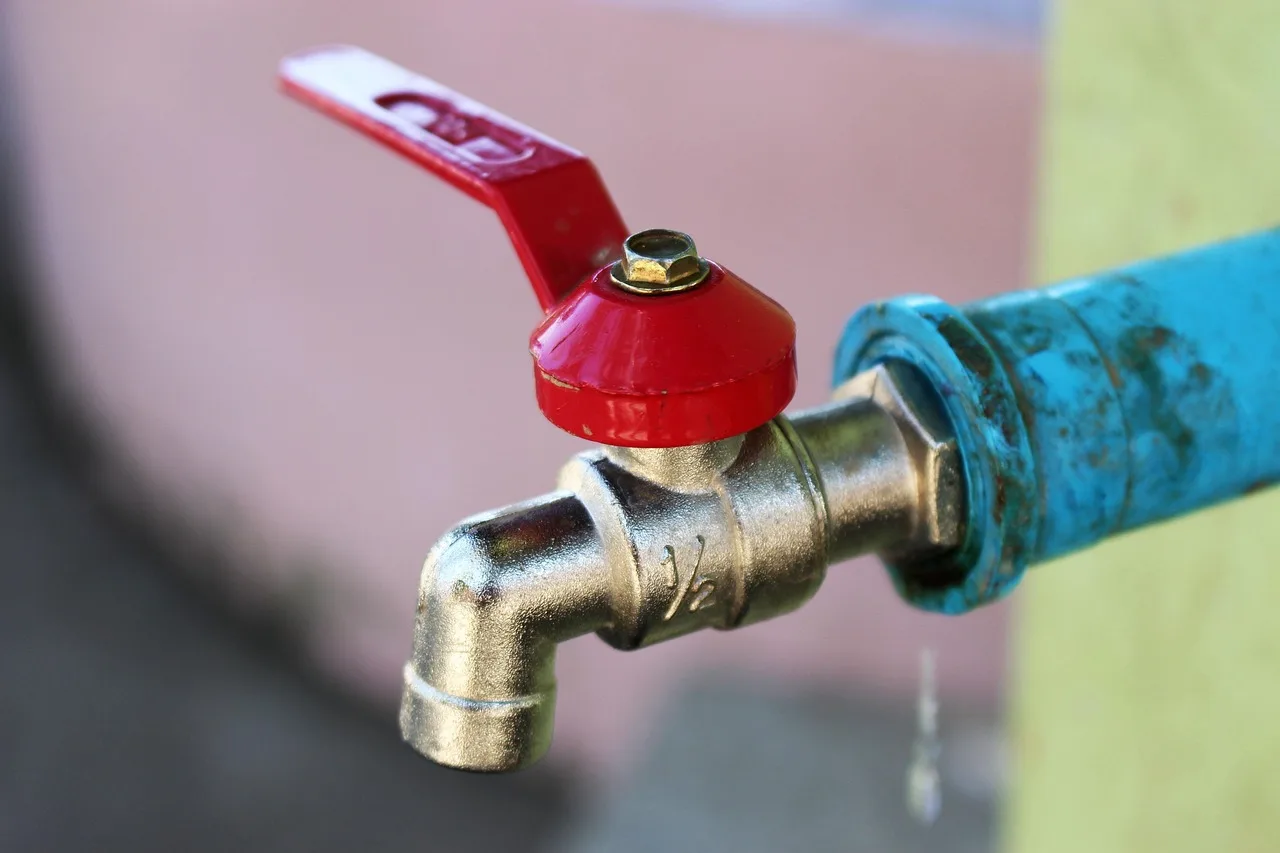
Choose the farthest at-risk faucet from the water meter or main shut-off valve, usually the fixture on an exterior wall or the line nearest an unheated space. That placement keeps water moving through the longest vulnerable run. The water meter helps you identify that path, but it is only a reference point, not the place to thaw or fix yourself.
Find the farthest at-risk faucet
Walk from the main valve to the rooms most exposed to cold. Kitchens, bathrooms, laundry sinks, and utility sinks on exterior walls are common freeze points. If the house has a crawl space, basement, garage, or attic with plumbing, trace which faucet sits farthest along that exposed route and pick that one first.
Dripping one faucet is enough if it is the farthest faucet from the meter. That guidance matters in homes with several sinks, because the goal is to keep one critical run moving rather than spreading a thin trickle across the whole house.
Choose the line near the most exposed run
If a fixture has separate hot and cold handles, choose the line that runs through the colder space. On a single-handle faucet, the middle position can open both sides slightly, which is why some guides use that setting. If you know only one branch is exposed, a cold-water drip is still the cleaner default.
Picture a bathroom on an exterior wall with a vanity cabinet over a crawl-space chase. Open the cabinet, pick that sink, and set the handle to a controlled trickle. That keeps warm indoor air near the plumbing and water moving through the exposed branch at the same time.
Use the water meter only as a reference
The meter helps you trace which pipe run is closest to the service line, and therefore which faucet is most likely to be the farthest vulnerable fixture. If the meter itself is frozen, dripping a faucet will not solve the problem. That points to a utility-side issue or a frozen service line outside the house.
When should you start dripping?
Start before the pipes freeze, not after the water stops. Below-freezing weather for several days is a common trigger, and one ranking guide uses 20°F as a practical threshold. Wind, exposed walls, unheated spaces, and the way the home is built can make the risk show up sooner than the outdoor temperature alone suggests.
Below-freezing weather for several days
Mississippi State University says to keep dripping until temperatures are consistently above freezing. That makes sense during a hard cold snap, especially if the forecast shows several nights below 32°F. A short dip may not require it, but prolonged cold often does.
The 20°F trigger some guides use
If temperatures fall to 20°F, pipe freezing becomes a real threat. That is a useful threshold when you need a simple rule. It does not mean every home at 21°F is safe, but it does mean the risk rises fast as the mercury drops toward that mark.
High wind and unheated spaces
Wind can strip heat from exterior walls and open gaps around pipes. Garages, attics, crawl spaces, and basements with poor insulation cool much faster than the rest of the house. If those spaces contain plumbing, start dripping before the cold has time to build inside the pipe walls.
How much water should drip?
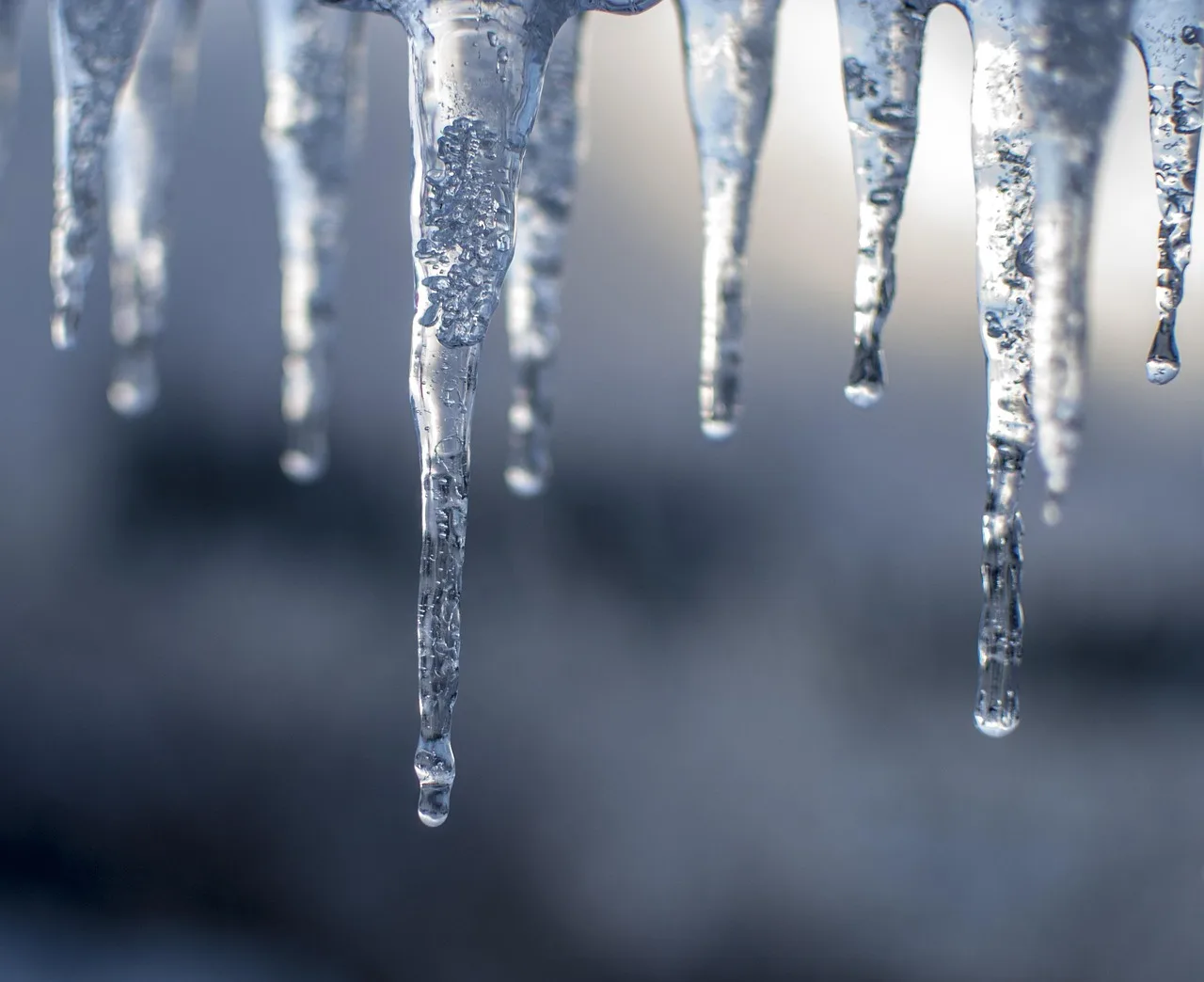
A slow, steady trickle is usually enough. Mississippi State says a trickle should keep water moving consistently, and one dripping faucet can fill a gallon pitcher in about an hour. You do not need a full stream. A stream wastes more water than necessary and is rarely the better freeze-prevention choice.
Slow trickle versus full stream
The point is movement, not volume. If water is flowing in a steady but small stream, pressure relief and circulation both improve. If you can hear a hard rush or see a strong stream, the setting is likely too high for routine freeze prevention.
Mississippi State estimates the cost at about 2 cents per night for one dripping faucet. That is far less than the damage from a split line behind a wall, especially when the pipe is on an exterior wall or in an unheated space.
How long to keep it running
Keep the drip going through the freeze window and stop only when temperatures are consistently above freezing. If the forecast shows a multi-day cold spell, leave it on through the nights that carry the highest risk. If the cold is short-lived and the home warms again, the drip can come off once the risk passes.
When to stop the drip
Stop when the cold snap has broken and the house has had time to warm the pipes again. If the fixture was used to protect an exposed run, turn it off only after the weather has improved and the line no longer faces freezing temperatures. A warm afternoon after a hard freeze is not always enough by itself.
Pipes most likely to freeze in a house
The most vulnerable pipes are the ones in exterior walls and unheated spaces. Kitchens and bathrooms on outside walls are common trouble spots. Crawl spaces, basements, garages, and attics are also high-risk locations because they lose heat quickly and often carry supply lines with little protection.
Exterior-wall sinks
Kitchen and bathroom sinks on exterior walls are among the first places to check. Their pipes sit close to outside air, and cabinet bases often hide the problem until the faucet slows or stops. Opening the cabinet can help warm room air reach the lines.
Crawl spaces and basements
Pipes in crawl spaces and unfinished basements need special attention. Insulation helps, but gaps matter. Foam sleeves or snap-on insulation should fit tightly without gaps, especially around bends and joints where cold air sneaks in.
Garages and attics
Garages and attics are often colder than the rest of the home. If plumbing runs through either space, those lines deserve insulation and a close look before a freeze. Heat tape or heating cable can help on high-risk pipes, but only if the product is UL-approved or self-regulating.
Outdoor spigots and hoses
Garden hoses and outdoor spigots need their own winter prep. Disconnect and drain hoses before freezing weather arrives. Outside faucets should be covered or shut off and drained if the home has a valve for that purpose. A hose left attached can trap water and freeze the line back into the wall.
Other steps that matter
Dripping is only one part of winter protection. It works best alongside insulation, cabinet-door access, and basic exterior prep. These steps do not replace dripping during a serious cold snap, but they lower the odds that you will need it at all.
Open cabinet doors
Opening cabinet doors lets warmer air reach plumbing under sinks, especially under exterior-wall sinks. That is a simple step and one of the best complements to a drip. It does not replace dripping if the forecast is harsh, but it can help the faucet and line stay warmer.
Disconnect and drain hoses
Remove garden hoses before winter, then drain them. A connected hose can keep water trapped in the outdoor faucet and extend freezing back into the house. If the spigot has its own shut-off or drain step, use it before the first hard freeze.
Insulate exposed pipes
Use pipe insulation on exposed runs in crawl spaces, basements, attics, and exterior walls. Foam sleeves or snap-on insulation should fit tightly without gaps. Loose insulation leaves cold air paths open, which defeats part of the point.
Use heat tape only on approved runs
Heat tape or heating cable belongs on the most exposed pipes, not everywhere. Use only UL-approved or self-regulating products, and follow the manufacturer’s instructions so the cable does not overheat. If the pipe layout is unclear, a plumber can sort out which runs should get it.
What to do if a pipe freezes or bursts
If a pipe freezes or bursts, shut off the main shut-off valve right away. Then thaw the pipe slowly. Do not use open flame or any unsafe heat source. A frozen pipe can split in a hidden spot, so even after thawing, inspect nearby walls, ceilings, and cabinets for leaks.
A common first-timer mistake is to fix the visible freeze and stop looking. That can leave a small crack behind the wall. Once water pressure returns, the hidden break can pour into insulation, drywall, or flooring.
Frozen meter or utility-side freeze
If several fixtures lose pressure at once, the cause may be outside the house, such as A frozen meter or service line means dripping faucets will not solve it. Call the water utility first. If the freeze is on your side of the main valve, call a plumber and keep the main shut-off handy.
After any freeze event, check the areas near the pipe run carefully. Look under sinks, along exterior walls, in the basement, and around the meter area if you can access it safely. Even a slow leak can cause damage long after the ice clears.
Frequently asked questions
Should you drip hot or cold water to keep pipes from freezing?
Drip cold water by default. That is the clearest recommendation from extension guidance, and it keeps water moving through the pipe most likely to freeze. Use hot water only when the hot line is exposed too, or when a faucet design and layout make both lines part of the same risk.
Which faucet should I drip to prevent frozen pipes?
Pick the farthest at-risk faucet from the main valve or water meter. In many homes that is a sink on an exterior wall or near an unheated space. One strategically chosen faucet is usually enough if it protects the longest vulnerable run.
How much water should you drip when temperatures drop?
Use a slow trickle, not a full stream. The same source says the trickle should keep water moving consistently, and one dripping faucet can fill a gallon pitcher in about an hour. That is usually enough movement to lower freeze risk without wasting more water than needed.
How long should you drip faucets during freezing weather?
Keep the drip running through the freeze window and stop only when temperatures are consistently above freezing. If the cold spell lasts several days, leave it on through the nights that matter most. If the forecast warms up, you can shut it off once the risk has passed.
Do you need to drip both hot and cold water?
Usually no. Cold-only is the default because it protects the most freeze-prone run without extra hot-water cycling. Drip both only when the hot line is also exposed, such as in a mixed-risk layout, a separate hot-and-cold faucet, or a tankless system with exposed hot piping.
When is it too cold to rely on dripping faucets alone?
Dripping helps, but it is not a cure-all. If temperatures fall to 20°F, freezing becomes a real threat, and wind, unheated spaces, or a frozen meter can beat a drip alone. In those cases, insulation, cabinet access, and utility or plumbing help may be needed too.
Sponsored / affiliate links. As an Amazon Associate I earn from qualifying purchases. I may earn additional commission from eligible campaigns.