Can You Use a Heat Gun on Frozen Pipes?
Use a heat gun on frozen pipes only as a last resort, and only on exposed metal pipe. Avoid using it on PVC, CPVC, or PEX, and keep it away from insulation, joints, and standing water. Wrong heat can split the pipe, damage fittings, or start a fire. This guide gives a material-by-material decision guide and safer thawing alternatives for each pipe type.
This guide is part of our Frozen Pipes: How to Prevent, Thaw and Fix Them series.
Safe thawing basics for frozen pipes

Yes, but only with caution and only in the right setup. A heat gun can work on an exposed metal pipe if you keep the heat moving, stay a few inches away, and keep nearby combustibles under control. It is a poor choice for plastic pipe, hidden cavities, or any pipe that already shows damage.
The main risk is pressure, not just heat. Frozen water expands and can build pressure in the line, so a pipe may crack or burst as it thaws. If the ice plug opens too fast, water can surge into a weak spot and fail there instead of at the frozen section. (Thisoldhouse)
Open the faucet connected to the frozen line before you start. That gives melting water somewhere to go and helps relieve pressure as the ice clears. A common rule of thumb is to start thawing near the faucet end, then work toward the frozen section. That direction matches the path water needs to move once the blockage opens.
Heat gun vs. safer thaw method
| Pipe material | Location | Nearby combustibles | Recommended tool | Starting distance | Stop conditions |
|---|---|---|---|---|---|
| Metal pipe | Open basement, crawl space, garage, or utility area | Cleared wood, paper, and insulation | Heat gun on low to medium setting | A few inches away | Stop if you smell burning, see smoke, or the pipe starts to discolor, deform, or leak |
| Metal pipe | Open wall side or accessible run with limited clearance | Some nearby wood or insulation | Hair dryer or space heater for ambient warming | Hair dryer a few inches away; space heater outside the pipe zone | Stop if nearby materials warm too much or you cannot keep the heat away from combustibles |
| PVC or other plastic pipe | Any exposed area | Any | Hair dryer, space heater, or heat tape if the product fits the pipe and power setup | Follow the product instructions; avoid direct high heat | Stop if the pipe softens, bows, smells hot, or begins to deform |
| PEX or other plastic pipe | Accessible run only | Controlled and clear | Lower-risk method based on manufacturer guidance | Varies by model; confirm in the owner’s manual | Stop if the pipe surface changes shape or the manufacturer does not allow direct heat |
Red-flag failure cases
| Red flag | Why it matters | Recommended next step |
|---|---|---|
| PVC pipe | Plastic can soften or melt under intense heat | Do not use a heat gun; use a lower-risk thaw method or call a plumber |
| Pipe inside a wall, ceiling, or other hidden cavity | Direct heat can build against wood, insulation, or wiring | Use ambient warming only if the area is open and safe, or call a plumber |
| Suspected gas leak | Any heating tool can add ignition risk | Leave the area and contact the utility company |
| No access to the faucet end | You cannot thaw in the safest direction | Stop and get professional help |
| Visible bulge | Likely pressure damage or a crack in progress | Stop heating and call a plumber immediately |
Which pipe materials can handle it?
Metal pipe is the better candidate for controlled heat gun use. It tolerates heat better than plastic, especially when the pipe is exposed and the surrounding area is clear. Even then, use the low setting, keep the gun moving, and stay a few inches away from the pipe surface.
PVC pipe is not a good candidate. It can soften, deform, or melt under intense heat, and a heat gun can concentrate too much warmth too quickly. Use a hair dryer, space heater, or another lower-risk method instead, or check the manufacturer’s guidance if the pipe is part of a specialized system.
What about PEX and other plastic pipe? Do not assume they can take the same treatment as metal. Check the manufacturer guidance and avoid direct high heat unless the product specifically allows it. For many homeowners, that means skipping the heat gun and using a gentler method.
Picture a copper line in a garage with six inches of exposed pipe and clear space around it. A heat gun may be acceptable there if you start near the faucet end and keep the nozzle moving. Now change only one thing: swap that copper for PVC. The answer changes immediately.
Where is a heat gun too risky?
A heat gun is too risky inside walls, ceilings, and other hidden cavities. You cannot see what is behind the pipe, so heat can concentrate against wood, insulation, paper-faced products, or electrical wiring. In those locations, direct heat gun use is usually the wrong move.
It is also risky near stored items, cardboard, plastic bins, or anything else that can catch or hold heat. Even a metal pipe can transfer enough warmth to nearby material to scorch it if the nozzle stays still. Clear the area before you begin.
If the pipe is already bulging, cracked, or leaking, stop. The pipe may already be under pressure damage, and added heat can make the failure worse. A visible bulge is a warning sign of possible damage and should not be ignored.
What materials near pipes make heat gun use dangerous?
Wood framing, insulation, paper-faced products, cardboard, fabric, and stored plastic items all raise the risk. These materials can char, melt, or trap heat around the pipe. If you cannot create clear space around the line, use a lower-risk method or call a plumber.
How do you thaw a frozen pipe safely?
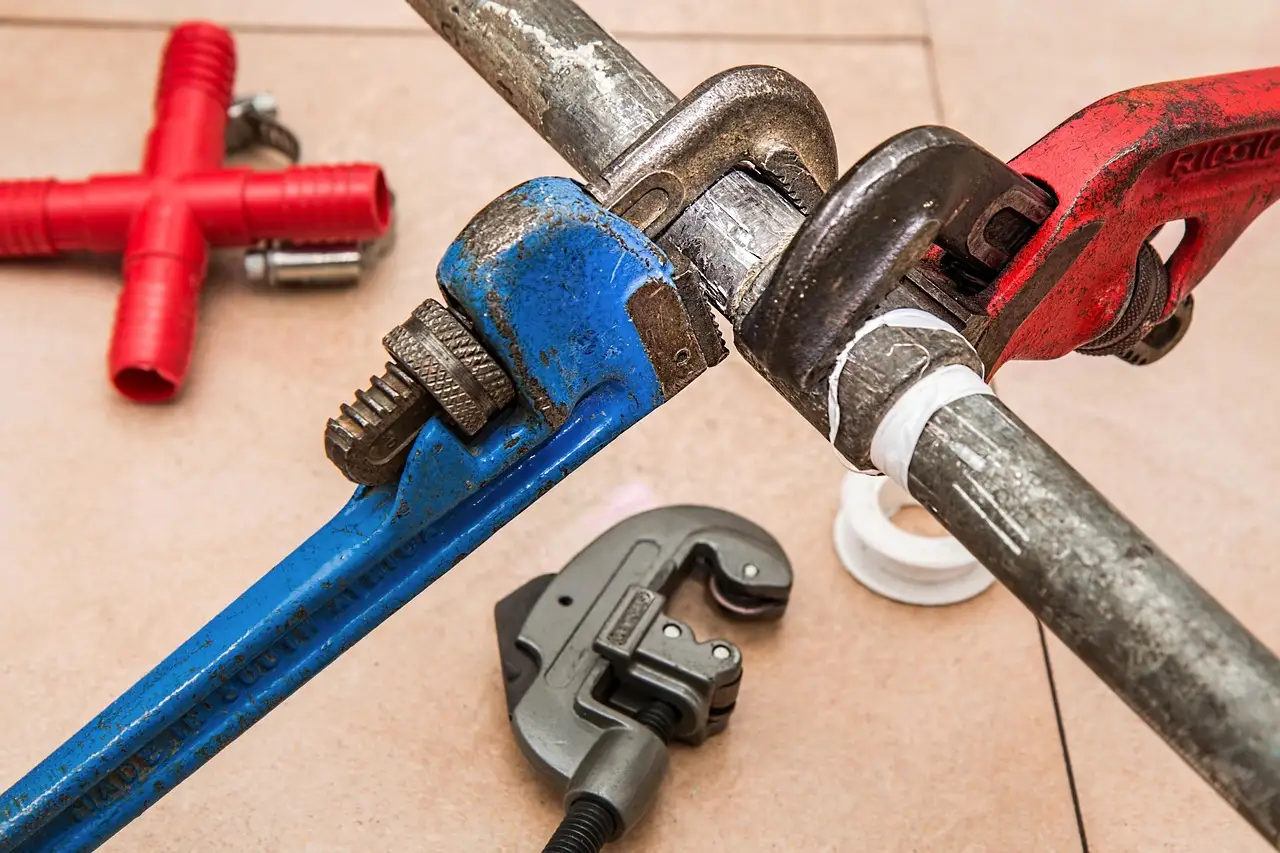
Start by opening the connected faucet. Then thaw near the faucet end first and work toward the frozen section. Use low heat, keep the gun moving, and hold it a few inches away from the pipe. That approach reduces the chance of creating a hot spot or shocking the pipe with sudden heat.
A heat gun is not a torch. One competitor warns that some heat guns can reach up to 1,200 degrees Fahrenheit, which is why control matters. Low heat, steady motion, and distance matter more than raw output. If the pipe is plastic, choose a different method instead.
- Open the faucet connected to the frozen line.
- Clear the area around the pipe.
- Choose the safest tool for the pipe material.
- Begin near the faucet end, not the far end.
- Keep the heat moving and stay a few inches away.
- Stop at once if you smell burning, see smoke, or notice deformation.
Suppose a bathroom sink line in a garage wall starts to frost and water flow stops completely. If the exposed section is copper and accessible, a low-setting heat gun may be reasonable. If the same line disappears into the wall before you can reach the frozen spot, direct heat is no longer the safe choice.
How close should a heat gun be to a pipe?
Hold the heat gun a few inches away from the pipe. That distance helps prevent scorching, softening, or concentrating heat in one spot. Move the gun back and forth instead of holding it on one place. If you cannot keep that spacing, switch tools.
What should you use instead of a heat gun?
A hair dryer is the better choice for small exposed sections when you want lower heat than a heat gun. It is still a heat source, so keep it moving and use it a few inches away from the pipe. It is slower, but that is often safer for light freezing.
A space heater works better for ambient warming around a pipe area, especially in an open basement, crawl space, garage, or utility room. Keep it clear of combustibles and aim for general warming, not direct contact heat. It is not the right tool for a hidden wall cavity.
A heat lamp can help in an open, accessible space. Keep water away from the bulb and make sure the area around it is free of combustibles. Use it only where you can maintain safe clearance and watch the setup closely.
Heat tape is a different option for some exposed pipe runs. Follow the manufacturer’s routing and mounting instructions for the exact product. Use the sensor or contact point where the instructions call for it, and use a GFCI outlet if the product requires one. Do not improvise the wrap pattern or power setup.
How do you warm frozen pipes without bursting them?
Warm them slowly and give the thawed water an exit path. Open the faucet, start near the faucet end, and use the gentlest method that fits the pipe material. If the pipe is plastic, hidden, cracked, or already bulging, stop and change methods instead of pushing ahead.
How do you reduce fire risk while thawing?
Place aluminum foil or a sheet-metal shield behind the pipe if nearby wood or insulation could catch heat. The shield should sit behind the pipe to reflect heat away from combustibles, not trap heat against plastic. Use it as a barrier, not as a wrap around the pipe.
Keep a fire extinguisher close by before you start. Clear the area so heat cannot build against stored items, paper, or plastic. If you smell burning, see smoke, or notice any sign of ignition, stop immediately and address the fire risk before continuing.
For prevention, keep the thermostat at least 55 degrees F when a freeze risk is present, and a slow dripping faucet can help reduce the chance of freezing. Open cabinet doors where safe so warmer room air can reach the pipes. These steps are prevention, not a fix for a frozen line already under pressure. (Familyhandyman)
What should you do before using a heat gun on frozen pipes?
Check the pipe material, confirm the pipe is exposed, open the faucet, and clear the surrounding area. Make sure you have a fire extinguisher nearby and a safe place to stand. If the pipe is plastic, inside a wall, or already damaged, skip the heat gun and use another method.
When should you call a plumber instead of using a heat gun?
Call a plumber if the pipe is inside a wall, ceiling, or other hidden cavity, if you cannot reach the faucet end, if the pipe is bulging or cracked, or if water starts leaking. Also stop if you suspect a gas leak. Those are not DIY thawing situations.
A common first-timer mistake is to keep heating a line that only begins to drip at one fitting while the rest of the pipe stays frozen. That can leave pressure trapped farther down the line. If thawing does not progress normally, stop and get help before the pipe fails.
Frequently asked questions
Can you use a heat gun on frozen pipes?
Yes, but only with caution and only on exposed metal pipe. Use low to medium heat, keep the gun moving, and hold it a few inches away. Do not use it on PVC or in hidden wall spaces where nearby combustibles or wiring raise the risk.
Should you use a heat gun or hair dryer on frozen pipes?
A hair dryer is the safer first choice for small exposed sections because it delivers lower heat. A heat gun is more appropriate only for exposed metal pipe when you can control distance, motion, and clearance from combustibles. If the pipe is plastic, skip both and choose a gentler method.
What if the frozen pipe is inside a wall?
Do not aim a heat gun into a wall cavity. You cannot see what the heat will hit, and hidden wood, insulation, or wiring can make the setup dangerous. Use ambient warming only if the area is open and safe, or call a plumber.
Can you use a heat gun on PVC pipes?
No. PVC can soften, deform, or melt under intense heat, so a heat gun is not a good option. Use a hair dryer, a space heater for ambient warming, or another lower-risk method that matches the pipe’s manufacturer guidance.
Sponsored / affiliate links. As an Amazon Associate I earn from qualifying purchases. I may earn additional commission from eligible campaigns.