Do PEX Pipes Burst When They Freeze?
PEX usually does not burst when it freezes; the weak points are the fittings, crimp rings, and any rigid connection, which can split first. A frozen line can still flood walls, ceilings, and cabinets once it thaws, turning a small freeze into a costly leak. This guide explains why PEX tubing survives freezing better than copper, where failures usually happen, and what to inspect after thawing.
What happens when PEX freezes
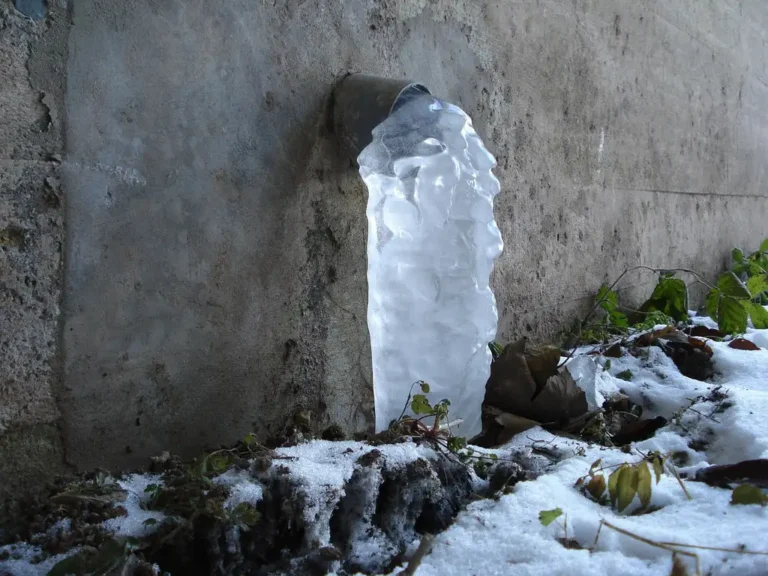
Ice can start forming in PEX once temperatures reach about 20 degrees Fahrenheit, but temperature alone does not tell you much. Exposure time, airflow, and whether the pipe sits in a cold cavity matter more. The tube may expand as ice forms, then pressure builds behind the ice plug.
Water expands by roughly 9 percent when it freezes. That expansion is the problem. PEX tubing is flexible enough to stretch, and cited lab material says it can survive more than 400 freeze/thaw cycles, with flexibility retained down to -40°F in a cited test report summary and at least -40°C in another cited report summary. That makes it more freeze-tolerant than copper, but not freeze-proof.
The failure sequence is usually the same. First comes the ice plug. Then trapped water pressure rises in the section between the plug and a closed valve, fitting, or transition. Last, the weakest rigid part gives way.
Why PEX behaves differently from copper
PEX is a flexible plastic plumbing material commonly installed in 1/2-inch and 3/4-inch sizes. That flexibility lets it swell more than copper when ice forms. Copper is rigid, so it tends to split sooner along the tube itself. PEX shifts the risk to the parts that do not flex with it.
That is why a line can look intact while the damage sits at a brass fitting, a valve body, or a push-fit connector. The tube may survive the freeze event. The connection may not.
PEX freeze failure checklist
This checklist helps you separate a frozen line from a real burst point after thawing. Use it to decide whether to keep watching, shut off the main, or call for service.
| Symptom | Likely failure point | Immediate action |
|---|---|---|
| Frozen-but-intact tubing | Ice plug in a straight run of PEX | Open the faucet, apply gentle heat, and watch for flow and leaks after thawing |
| Split brass fitting | Rigid brass transition or threaded adapter | Shut off the main, stop heating, and inspect for active dripping or spraying |
| Failed push-fit connector | Push-fit connector at a repair or fixture stub-out | Turn off the supply, dry the area, and replace the fitting before repressurizing |
| Frozen valve body | Fixture stop, angle stop, or small shutoff valve | Stop heating if the valve body cracks; isolate the line and plan a replacement |
| Hidden wall-cavity leak after thawing | Crack at a fitting, elbow, or transition inside a wall | Shut off the main, open nearby fixtures, and check for stains, damp insulation, or pressure loss |
Where PEX lines freeze first
PEX lines are most likely to freeze in places with cold air movement and low heat from the home. Crawl spaces with open vents, exterior walls, unheated garages, attics, mobile or manufactured home underbellies, rim joists, and sill plates are the usual trouble spots. Short exposed runs to outdoor spigots are also high-risk.
Airflow matters because moving cold air strips heat from the pipe faster than still air does. A pipe that is safe in one room may freeze in a rim joist or vented crawl space. A one-day cold snap can matter less than a long, dry, windy stretch in the same temperature range.
Suppose a 1/2-inch PEX line runs through an exterior wall behind a kitchen sink. If the cavity has poor insulation and a gap around a pipe penetration, the pipe can freeze even if the room above it feels only cool. The line may not burst at the tube. The stop valve under the sink is often the first thing to crack.
Common freeze-prone locations
- Crawl spaces with open vents
- Exterior walls
- Unheated garages
- Attics
- Mobile or manufactured home underbellies
- Rim joists and sill plates
- Short runs feeding exterior spigots
Why fittings and valves fail first
PEX tubing can flex while ice expands, but fittings, valves, and manifolds are rigid weak points in a freeze. The most common burst point on a PEX system is often not the tubing itself. It is the transition from flexible pipe to a harder part that cannot swell with the line.
Crimp rings can hold the tube to the fitting, but the brass body under them may split. Expansion fittings can fail at the transition if the body or surrounding assembly cracks. Push-fit connectors depend on seals and a rigid shell, so a frozen section can force water past the stop area or split the connector body.
Fixture stops, angle stops, and manifold ports deserve extra attention. They sit at the edge of the system where pipe meets a fixed device. If one of those parts freezes, the damage may not show until the line thaws and pressure returns.
What to inspect at transitions
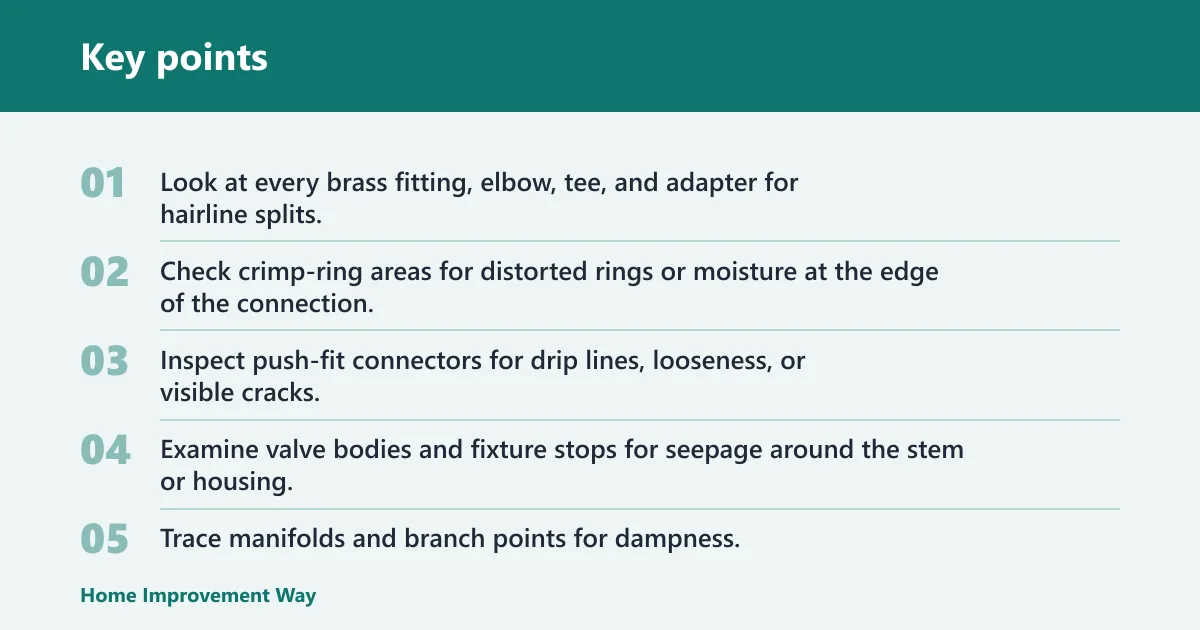
- Look at every brass fitting, elbow, tee, and adapter for hairline splits.
- Check crimp-ring areas for distorted rings or moisture at the edge of the connection.
- Inspect push-fit connectors for drip lines, looseness, or visible cracks.
- Examine valve bodies and fixture stops for seepage around the stem or housing.
- Trace manifolds and branch points for dampness, especially where tubing turns from a warm zone into a cold one.
How to thaw frozen PEX safely
Open the faucet first, then warm the line slowly. Use a hair dryer or warm towels, and keep the heat moving so one spot does not overheat. Avoid using an open flame; gentle heat is the safer approach for thawing frozen PEX. If you suspect a split, shut off the main before you keep heating, because pressure can turn a small crack into a fast leak.
Safe thawing is about control. You want heat that is gentle, dry, and spread out. Electric heat only. A hair dryer works for exposed runs. Warm towels can help on accessible pipe. If the pipe is hidden and the thawed water has nowhere to go, stop and inspect before you keep heating.
A common mistake is to keep warming a pipe after the first trickle appears. That can hide a split in a valve body or fitting. If the faucet starts to run and then drops to a weak stream again, the ice may still be holding farther back in the line.
Thawing decision tree
- Open the nearest faucet fully.
- Start gentle heat on the exposed pipe or the coldest visible point.
- If water begins flowing normally and there is no sign of leakage, keep watching the line for several minutes.
- If you see bulging, cracking, spraying, or dripping, shut off the main immediately.
- Stop heating if the pipe is hidden, inaccessible, or still not flowing after a reasonable thaw.
Foam pipe insulation is common winter protection for exposed PEX. For 1/2-inch and 3/4-inch lines, use insulation with a wall thickness of about 1/2-inch or more where space allows. It helps reduce heat loss, but it does not fully stop freezing in a very cold or windy location. The pipe still needs a warmer space around it.
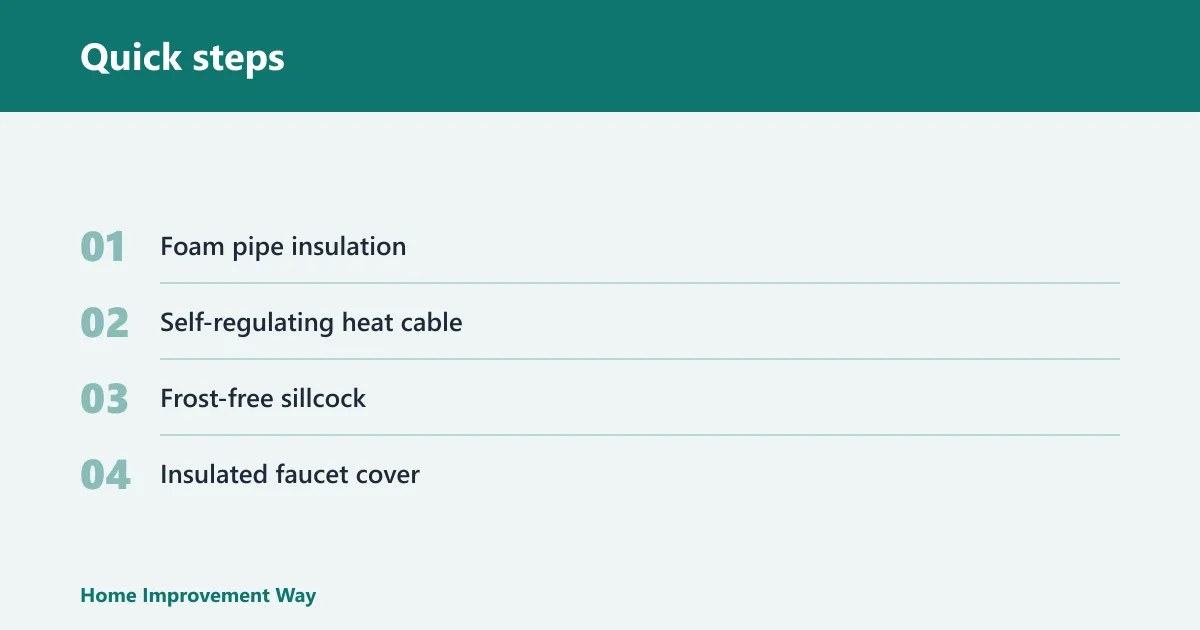
Self-regulating heat cable is a separate tool. It is generally used only when it is listed for plastic pipe and powered through an outdoor-rated, GFCI-protected receptacle. The built-in thermostat lets it respond to temperature changes. That is different from insulation, which slows heat loss but does not add heat.
Outdoor spigots need their own protection. Frost-free sillcocks move the shutoff point back into warmer space. Insulated faucet covers reduce wind exposure. Short runs feeding exterior spigots should be kept as short as possible, with as little exposed pipe as you can manage.
Where each protection method fits
- Foam pipe insulation: Best for exposed interior or semi-exposed runs where you want to slow heat loss.
- Self-regulating heat cable: Best for problem runs that need active heat, as long as the cable is rated for plastic pipe.
- Frost-free sillcock: Best for outdoor hose bibs that face winter air.
- Insulated faucet cover: Best for extra protection on exterior spigots and hose bibs.
Repeat-freeze warning
Can repeated freezes weaken PEX? Yes. Even if the tube does not burst the first time, repeated swelling can weaken the line or the connection. That is especially true at the same fitting, stop, or transition that has already been stressed. A pipe that survives one freeze should still be inspected closely before the next cold snap.
Say your 3/4-inch PEX line froze in an unheated garage and then thawed without visible dripping. If the same spot freezes again a week later, the fitting there may fail even if the tubing still looks fine. The risk is cumulative, especially at rigid parts that do not move with the pipe.
When to call a plumber after thawing
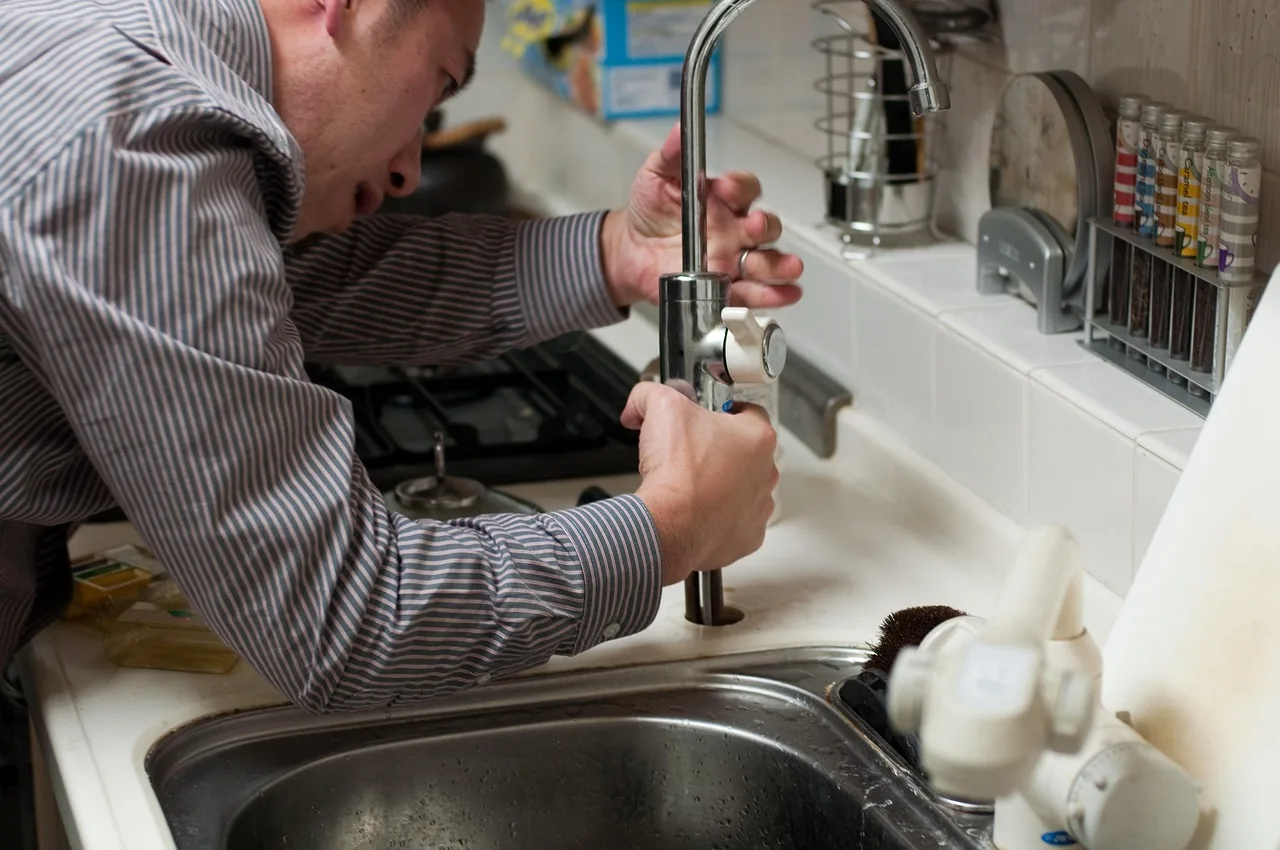
Call a plumber if you suspect a split, cannot locate the frozen section, or see a hidden leak after thawing. Pressure loss, stains on drywall, damp insulation, or repeated dripping at a joint are warning signs. If the freeze keeps coming back, the layout or protection method needs to change.
Hidden damage is the main reason to avoid assuming the problem is over once water starts moving again. A wall cavity can stay wet while the visible side of the line looks normal. If you hear water where you should not, or see the pressure drop after the thaw, treat it as a leak until proven otherwise.
If the repair point is a valve, manifold, or push-fit connector, replacement is often more reliable than trying to nurse a stressed part through another winter. The goal is to restore flow and keep the next freeze from turning into a second leak.
Frequently asked questions
Do PEX pipes burst when they freeze?
Usually no, because PEX tubing can expand more than rigid pipe when ice forms. The problem is that the pressure often shifts to fittings, valves, and other rigid transitions. A frozen line can still burst somewhere in the system, especially if the ice plug traps pressure between two closed points.
Will PEX burst if it freezes?
It can, but the tubing itself is less likely to split than copper. The more common failure point is a brass fitting, crimped connection, push-fit connector, or valve body. If the pipe froze in a cold cavity and then thawed, inspect those parts first for dripping or cracking.
What happens when PEX pipe freezes?
Ice forms inside the tube, the pipe may swell, and pressure builds behind the ice plug. PEX can stay flexible in cold conditions, with cited reports describing flexibility down to -40°F and at least -40°C. That flexibility helps, but it does not prevent damage at rigid parts.
At what temperature do PEX pipes freeze?
PEX can freeze once temperatures reach about 20 degrees Fahrenheit, but that is not a fixed cutoff. Wind, exposure time, and where the pipe sits matter more than a single number. A sheltered run may stay clear, while a vented crawl space can freeze at the same outdoor temperature.
How do you thaw frozen PEX safely?
Open the faucet, use a hair dryer or warm towels, and keep the heat gentle. Never use an open flame. If you see a crack, spray, or drip, shut off the main and stop heating. After the thaw, inspect fittings, valves, and wall cavities for hidden leaks.
Can repeated freezes weaken PEX?
Yes. Even when the tubing does not burst, repeated freeze and thaw events can strain a line or a connection. The weak point may be the same fitting every time. If a pipe has frozen more than once, inspect the connections carefully and improve insulation or heat protection before the next cold period.
Sponsored / affiliate links. As an Amazon Associate I earn from qualifying purchases. I may earn additional commission from eligible campaigns.