Signs You Need a Sediment Filter Before the Water Softener
If your water is cloudy, gritty, or leaves visible sand, put a sediment filter before the softener; a common starting point is 5–20 micron, and move coarser only if pressure or flow drops. Ignoring upstream sediment can clog the control valve, cut softener efficiency, and shorten resin life. This guide shows how to tell whether sediment is the problem, then choose the right prefilter type and micron rating for your water source and flow rate.
What a sediment filter does first
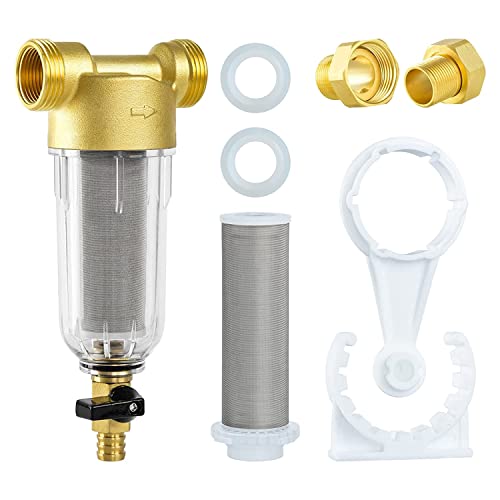
A sediment filter is used to remove sand, silt, rust, and other suspended particles before they reach the softener. That matters because the softener’s resin tank and control valve are built to exchange hardness minerals, not catch debris. Put the filter ahead of the softener so the softener handles dissolved hardness, not grit.
Where the filter fits in the treatment line
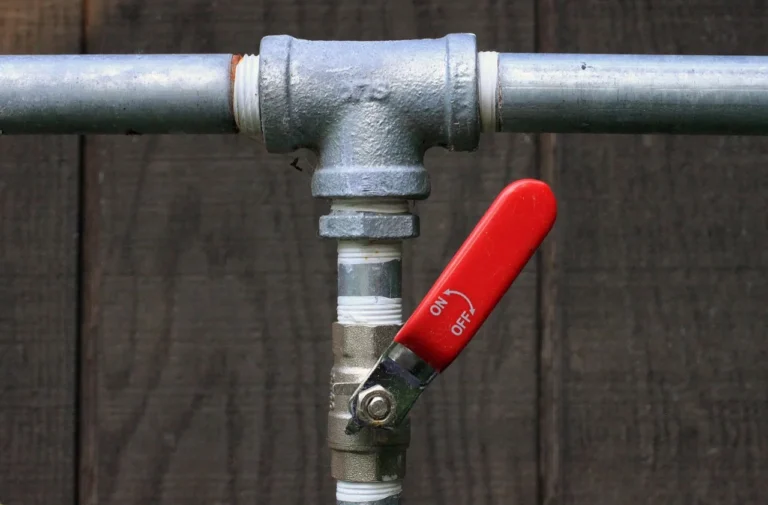
In a typical whole-house setup, the filter goes after the main shutoff and any pressure tank, then before the softener, with a bypass valve on both units if possible. That layout lets you service the filter without shutting down the whole house and gives you a way around the equipment during troubleshooting or cartridge changes.
Say your well pump feeds a pressure tank, then a softener, then the home. A spin-down or cartridge filter placed before the softener can catch sand from the well line before that sand reaches the resin bed or starts loading the control valve screen.
Signs sediment is the real problem
Common signs include visible grit, a rusty tint, cloudy water, pressure loss, frequent softener bridging, and resin fouling. Those signs usually point to suspended particles upstream, especially when the problem is worse right after plumbing work, after a pump cycle, or in homes with older galvanized pipe.
Visible grit in fixtures or aerators
If you see sand in toilet tanks, faucet aerators, shower heads, or the bottom of a white bucket, treat that as a sediment clue first. Hard water does not usually leave grains behind. Iron can stain, but it does not usually feel gritty between your fingers.
Rusty tint or cloudy water
Rust-colored water often points to iron oxide flakes, corroded pipe scale, or disturbed pipe sediment. Cloudiness can come from fine silt, air, or a mix of both. If the tint fades after a few minutes of flushing, that still suggests particulate loading rather than a softener problem by itself.
Pressure loss, bridging, or resin fouling
A pressure drop across the filter housing, a softener that seems to regenerate more often, or resin that shows reduced performance can all point to sediment load. Particulates can coat or trap in the resin bed, which can reduce softener efficiency and shorten media life. They can also add wear to the valve parts.
Sediment filter decision table
This table maps common symptom patterns to the most likely cause, the prefilter style that usually fits, a practical micron range, and the maintenance trigger to watch. Use it as a starting point, then adjust for your water source and whole-house flow rate.
| Symptom pattern | Likely cause | Recommended prefilter | Micron range | Maintenance trigger |
|---|---|---|---|---|
| Visible grit in aerators, tub bottom, or toilet tank | Sand, pipe scale, post-construction debris | Spin-down filter for heavy debris; cartridge only if load is light | 50–100 micron | Flush when screen loads up or flow drops noticeably |
| Rusty tint with flakes or reddish specks | Rust flakes from aging pipes or disturbed galvanized plumbing | Pleated cartridge or spin-down, depending on particle size | 20–50 micron | Replace or flush when discoloration returns or cartridge darkens |
| Cloudy water with no grit you can feel | Fine silt, tiny rust, or mixed suspended solids | Pleated cartridge for whole-house use | 20–50 micron | Change when pressure drop builds or cloudiness returns after flushing |
| Pressure drop at showers and fixtures after filter install | Filter too fine, housing too small, or sediment loading | Coarser cartridge or larger housing; consider spin-down if debris is heavy | 50–100 micron | Service when the pressure drop across the housing rises |
| Frequent softener bridging or uneven salt use | Sediment carryover, channeling, or poor flow through the resin bed | Prefilter upstream of the softener, then check the resin bed for fouling | 20–50 micron | Inspect if bridging repeats after normal salt refills |
| Resin fouling or reduced softening efficiency | Particulate loading on resin and valve screens | Pleated cartridge or depth cartridge with enough dirt-holding capacity | 20–50 micron | Replace when output softening weakens or resin shows debris buildup |
Can a water softener handle sediment on its own?
No. A softener is not built to take a sand or rust load by itself. Particulate loading can foul the resin bed, clog the control valve, and create channeling, where water takes the easiest path instead of passing evenly through the resin. That lowers regeneration efficiency and can shorten media life.
How channeling and fouling show up in performance
When channeling starts, you may see hard water slip through sooner than expected even though the unit regenerates on schedule. Fouled resin can also make the system seem weak at fixtures far from the softener. Those symptoms are different from plain hardness, where the water stays hard but the softener otherwise runs normally.
Picture an older home with galvanized branches that shed rust flakes after a plumbing repair. A softener alone may keep up with hardness for a while, but the debris can still clog screens and load the resin bed. A prefilter takes that burden off the softener before the damage starts.
Which prefilter type fits your water?
The best prefilter depends on how much sediment you have, how often you want to service it, and how much pressure your home can spare. Spin-down filters suit heavier debris and easier flushing. Pleated cartridges fit common whole-house prefiltration. Depth cartridges can work for finer capture when your flow rate still allows it.
Spin-down filter for heavier debris and flush-out service
A spin-down filter uses a screen and a flush valve to dump collected sediment. It is a strong option for well systems, sand, or debris that arrives in bursts. It usually needs less cartridge replacement, but it does need regular flushing and enough room for service access.
Pleated cartridge for common whole-house prefiltration
Pleated cartridges usually hold more dirt than standard depth cartridges in many whole-house setups, and they are common before softeners. They work well for mixed sediment and lighter rust. They also make it easy to see loading because the cartridge color changes as it fills.
Depth cartridge for finer capture when pressure allows
Depth cartridges can catch smaller particles, but finer capture raises pressure drop faster. That makes them better for lighter sediment loads or homes with enough incoming pressure and housing size. If the water is heavily loaded, a finer cartridge can starve the house before it protects the softener.
What micron size should you choose?
For a prefilter before a softener, 100, 50, and 20 micron are commonly used starting points. A lower micron rating captures smaller particles, but it also increases the chance of pressure loss. The right choice is the least restrictive filter that still stops the sediment you actually have.
100 micron, 50 micron, and 20 micron use cases
Use 100 micron when you need coarse capture, such as sand or flakes in a well line, and you want to protect pressure. Use 50 micron for mixed debris where you can see particles but do not need very fine capture. Use 20 micron when the water is cloudy or when the softener keeps fouling with finer sediment.
Finer capture versus pressure loss
Finer filters catch more small particles, but they also load faster and can reduce whole-house flow. That tradeoff matters at peak demand, such as two showers and a dishwasher running at the same time. If pressure falls after installation, step up to a coarser micron rating or a larger housing before the softener suffers from low flow.
Match the filter to flow rate and sediment load
Whole-house flow rate must match household demand, not just the filter label. If the filter housing is undersized, a fine cartridge can become the bottleneck. Check the expected peak demand of the home and choose a housing and micron rating that will not starve fixtures when the house is busiest.
A common first-timer mistake is choosing 5 micron because it sounds safer. In a home with gritty well water and marginal pressure, that can cut flow hard enough to make the filter itself the problem. Start with the coarsest filter that still protects the softener.
How often should you replace or clean it?
Service timing should follow pressure drop, visible loading, and water quality. There is no single fixed interval for every home. Well water with sand or rust often needs more frequent service than municipal water, and both can change after storms, plumbing work, or seasonal source shifts.
Pressure drop as the main service signal
Measure the pressure across the filter housing if you can. A rising pressure drop means the filter is loading and flow is being restricted. If showers feel weaker, the washing machine takes longer to fill, or the filter housing shows a clear drop in pressure, service it.
Visible discoloration and loading
Cartridges that turn dark, collect rust stripes, or hold visible grit are telling you the filter is doing its job. Replace or clean them before the load becomes severe enough to strain the softener. A flushable spin-down should also be cleaned once the screen shows buildup or flow weakens.
What changes with well water versus municipal water
Well water often carries more sediment, so spin-down filters and closer monitoring are common. Municipal water can still bring rust after main breaks, road work, or aging service lines. In either case, if the source water changes, the maintenance interval should change with it.
Frequently asked questions
Do I need a sediment filter before my water softener?
If your water has sand, silt, rust, or visible particles, yes, a sediment filter before the softener is the right move. It protects the resin tank and control valve from loading and helps the softener stay efficient. If the water is clear but still hard, you may need testing before adding filtration.
What are the signs that sediment is clogging my water softener?
Look for pressure loss, weak softening, repeated bridging, cloudy water, and debris in aerators or fixtures. A softener that regenerates more often but performs worse can also point to sediment carryover. If the resin bed is fouled, the unit may seem like it is working while hardness slips through.
Can a water softener handle sand or rust on its own?
No. Sand and rust can damage the control valve, load the resin bed, and create channeling that reduces softening performance. A softener is meant to remove hardness minerals, not catch suspended solids. If sediment is present, give it a prefilter before the softener sees the water.
Where should the sediment filter go before the softener?
Install it upstream of the softener, after the main shutoff and any pressure tank if that layout applies to your home. Keep a bypass valve in the setup so you can service the filter without shutting down the entire water line. That also makes troubleshooting much easier.
What micron size should I use for a prefilter before a softener?
Most homes start with 100, 50, or 20 micron. Use 100 micron for heavier debris and better flow, 50 micron for mixed sediment, and 20 micron when finer particles are the main issue and pressure can support it. Choose the least restrictive filter that still protects the softener.
Will a sediment filter reduce water pressure in my house?
Yes, any sediment filter can reduce pressure if it is too fine, too small, or already loaded. The pressure drop grows as the filter fills. To limit that risk, match the housing and micron rating to your flow rate, then service it when pressure starts to fall.
How do I know if the problem is sediment, iron, or hard water?
Sediment usually shows up as visible grit, cloudy water, or rust flakes. Iron can cause orange or brown staining, manganese often leaves darker stains, and hard water usually shows scale, soap scum, or poor lather without grit. If the pattern is unclear, water testing is the safest next step.
Can a sediment filter protect the resin bed in my softener?
Yes. A sediment filter can keep sand, rust, and other particles from coating or trapping in the resin bed. That protection can help the softener regenerate more evenly, keep the valve cleaner, and extend media life. It will not fix hardness or dissolved metals by itself, though.
What happens if I install the wrong prefilter before a softener?
If the filter is too fine, you may lose pressure and starve the house at peak demand. If it is too coarse, sediment can still reach the softener and cause fouling, channeling, or valve wear. The wrong choice usually costs more than the right housing and micron rating.
Sponsored / affiliate links. As an Amazon Associate I earn from qualifying purchases. I may earn additional commission from eligible campaigns.