How to Find the Main Water Shutoff in a House
Find the main water shutoff by locating where the service line enters the house, then follow that pipe to the first valve on the house side of the meter or entry point. Utilities generally control the curb stop at the property line, while the homeowner-controlled shutoff is usually inside or immediately at the structure entry, depending on the home.
Where the main water shutoff is located
The main water shutoff is the whole-house isolation point. Close it, and every indoor fixture loses water at once. In many homes it sits near where the main service line enters the structure, but the exact location depends on the house type and on whether the meter is indoors, outdoors, or in a pit.
It is different from a faucet stop under a sink or toilet. Those fixture valves only isolate one appliance. The main shutoff controls the entire plumbing supply to the home, so it is the valve you want for a burst pipe, a failed supply line, or any situation where you need every fixture dead at once. Plumbing code references and municipal utility guides generally distinguish the house shutoff from the utility-owned curb stop.
How does the valve differ from fixture shutoffs?
Fixture shutoffs are usually small angle stops or straight stops under sinks, behind toilets, or on appliance supply lines. They are local control points. The main shutoff is larger and sits on the incoming service line, often before the line branches to the rest of the house.
Look for pipe size as a clue. The main line is typically larger than a sink supply line and often runs straight from the meter or entry point toward the house plumbing. If a valve is on that larger pipe and sits at the first point of entry, it is the one that matters.
How do you trace the service line?
Start at the water meter or at the point where the utility line enters the house. Then follow the pipe from that point toward the interior. The first valve on the house side of that route is often the main shutoff. This method helps when the valve is hidden behind insulation, boxed in by drywall, or tucked near a joist.
Where should you start: meter or entry point?
The water meter is often the easiest landmark. If the meter is indoors, the main shutoff is often nearby. If the meter is outdoors in a pit or at the property line, follow the line from that point toward the home and look for the first accessible valve inside, near the foundation, or in a utility space.
How do you follow the pipe indoors?
Trace the pipe visually, not by guesswork. The service line usually runs from the meter to a basement wall, crawlspace entry, garage wall, utility room, or slab edge. Watch for pipe supports, wall penetrations, and changes in pipe material, since those often mark the route into the house.
How can nearby fixtures confirm the route?
When the route is unclear, nearby fixtures can help you confirm it. A water heater, laundry hookup, or pressure tank often sits close to the main entry path. If those fixtures are clustered in one area, the incoming line often follows that same wall or utility space before it branches outward.
Say your meter is outside by the sidewalk and the kitchen is on the opposite side of the house. The main shutoff may still be inside, just past the slab edge in a utility closet or garage wall cavity. The meter tells you where the line comes in; the first house-side valve tells you where to stop the flow.
Where is the valve usually located?
Most whole-house shutoffs are near the service entry point, but the room they land in varies by home. Common spots include basements, crawlspaces, garages, utility rooms, and areas near an outdoor meter pit. The goal is the same: find the first valve on the house side of the incoming line.
What are the common basement and utility room locations?
In a basement, the valve is often on the wall where the main line enters, sometimes close to the water heater or a floor drain. In a utility room, it may sit on an exposed pipe near the mechanical equipment. Old homes may have the valve low on the wall or partly hidden behind shelves.
Where are crawlspace and garage shutoffs found?
In crawlspace homes, the valve is often low on the wall near the foundation entry point or mounted just above the dirt floor on the incoming line. In garages, it may be near the wall that faces the street or near a service closet that also holds the meter or pressure regulator.
What about outdoor meter pits and exterior entry points?
Some homes place the meter in an outdoor pit, then run the service line straight to the house. In those cases, the house shutoff may be just inside the exterior wall, or the only reachable valve may be at the meter assembly itself. Do not confuse that with the curb stop, which is usually utility-controlled. Municipal utility guidance commonly treats the curb stop as utility property, while the house-side shutoff is the owner’s responsibility.
How can you spot the right valve fast?
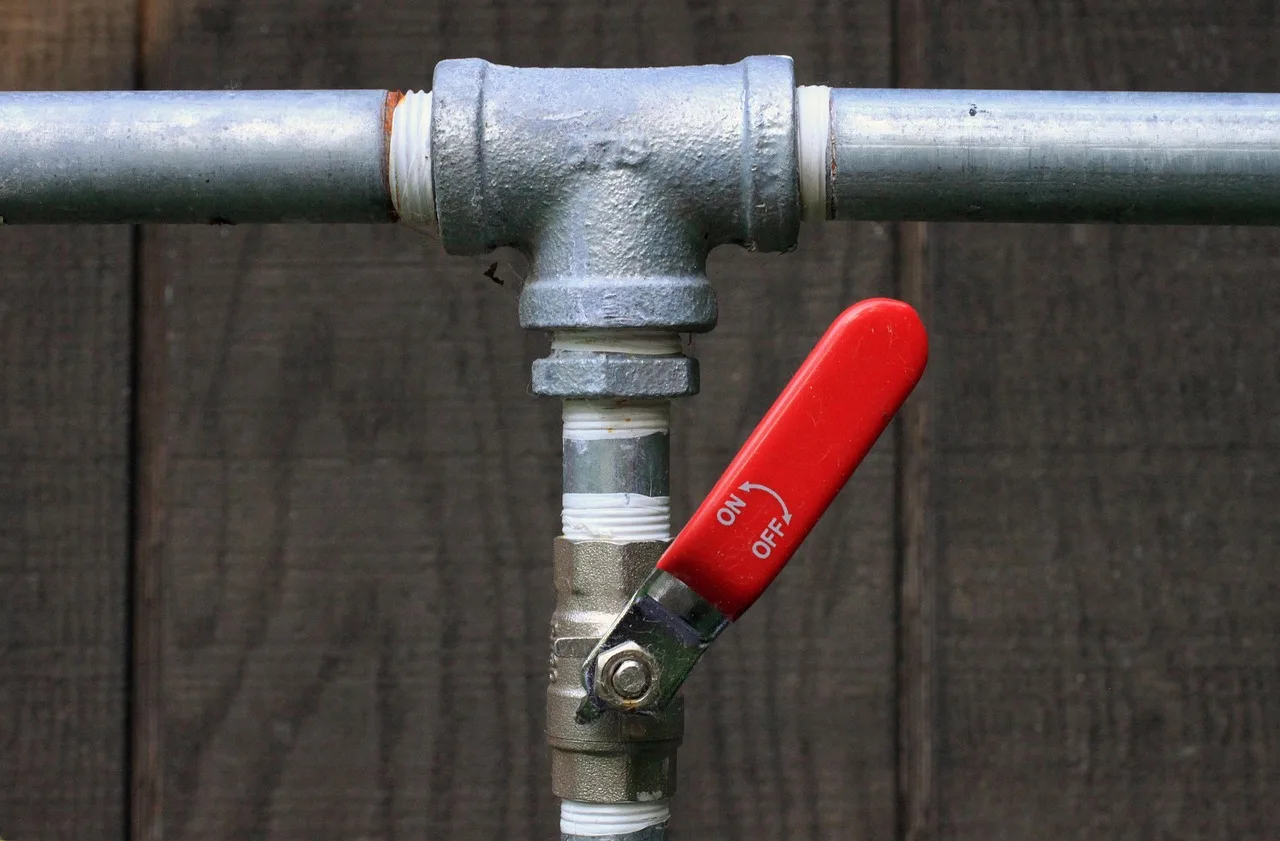
Use quick visual clues before you touch anything: the main shutoff is usually on the larger incoming pipe, is the first valve after the meter or entry point, and may sit near a pressure regulator or water heater. A ball valve has a lever handle; a gate valve usually has a round wheel. If the valve is on a smaller branch line, you likely found a branch valve instead.
| Where to look first by home type | Likely shutoff location | Visual clues | Access risk | Who can operate it |
|---|---|---|---|---|
| Basement | On the incoming line where it enters the foundation wall or near the water heater | Exposed pipe, meter nearby, valve low on the wall | Low to moderate if the area is cluttered | Homeowner or landlord; utility only if it is the curb stop |
| Crawlspace | Low on the wall near the foundation entry point | Pipe turns upward into the floor system; valve close to joists | High because of limited clearance and moisture | Homeowner if accessible; plumber if the space is unsafe |
| Slab-on-grade | At the slab edge, in a garage, or in a utility area where the line enters | No basement access; line may emerge near an appliance wall | Moderate to high if the valve is buried or boxed in | Homeowner or landlord if accessible; plumber if hidden |
| Mobile home | Under the home, in an exterior utility bay, or at the meter pedestal | Low-clearance piping, skirting access, pedestal meter | High because access can be tight or exposed to weather | Homeowner or park management; utility if the shutoff is utility-owned |
| Home with outdoor meter pit | Inside the house near the entry point, or at the meter assembly if no interior valve exists | Meter pit cover, service line route toward foundation | Moderate; pit access may be limited or wet | Homeowner for the house valve; utility for the curb stop |
How do you identify the valve type?
Two common valve types appear in homes: ball valves and gate valves. A ball valve uses a quarter-turn handle. A gate valve uses a round wheel and usually needs several turns. The handle shape tells you a lot about how the valve should move and whether it is likely to be older or more prone to sticking.
What does a ball valve look like?
A ball valve usually has a straight handle. When the handle is parallel to the pipe, the valve is open. When it is perpendicular to the pipe, the valve is closed. These valves are common because they move quickly and are easy to spot once you know the handle orientation.
What does a gate valve look like?
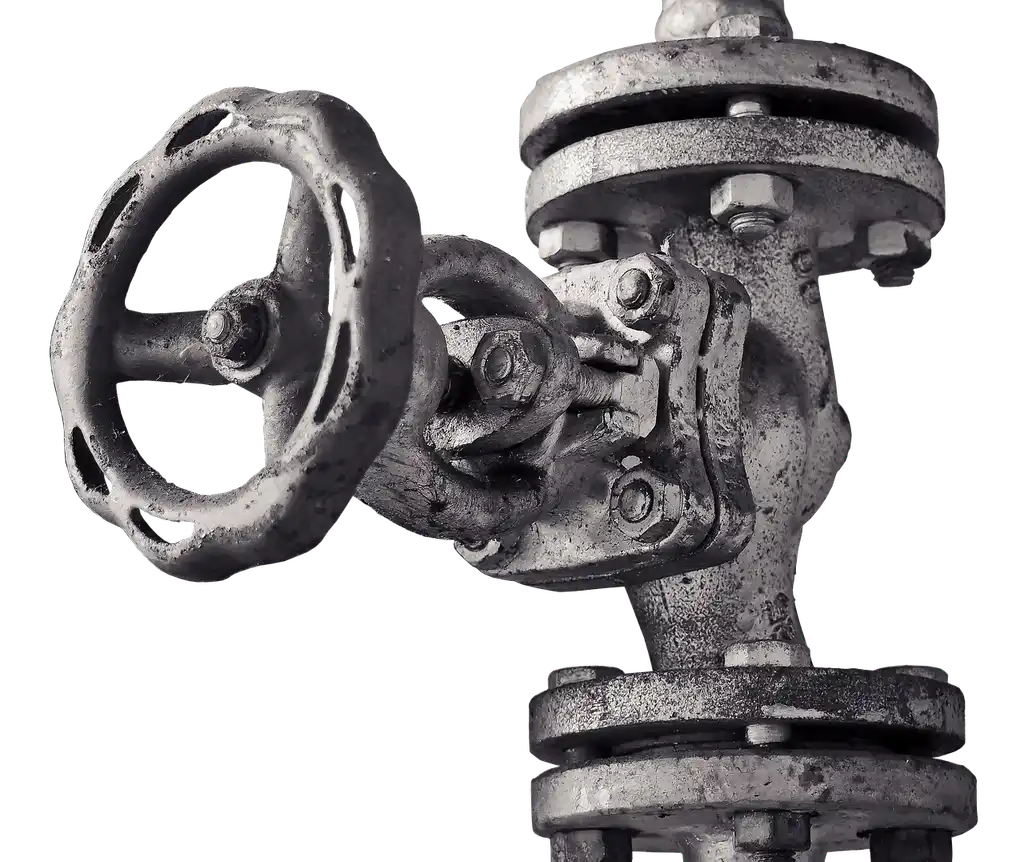
A gate valve has a round wheel handle, sometimes painted or tarnished with age. It closes with multiple turns, not a quarter-turn. Older gate valves can seize, corrode, or fail to close fully, which is why a valve that turns does not always mean the water is fully off. Industry plumbing references commonly warn against forcing old gate valves.
What are the signs a valve may be stuck?
If a valve barely moves, grinds, or stops before it should, do not force it. A stuck handle can break the stem or snap a corroded part. If the valve turns but water still flows, there may be a second shutoff, a failed valve, or a utility-side issue that needs service attention.
Suppose you find a round-wheel valve in a 1940s basement and it takes many turns but the upstairs bathroom faucet still drips strongly after shutdown. That is a warning sign, not proof that you missed the right valve. The valve may not be closing fully, or a second shutoff may be feeding part of the system.
What should you do in older homes?
Older homes need a different search path because the meter and the house shutoff are not always paired in the way newer homes are. The meter may be outside, the interior shutoff may be hidden behind a finish wall, or the house may rely on a curb stop when no usable indoor valve exists. Trace the line carefully before assuming the valve is missing.
What if the meter is outside?
If the meter is outside, start there and follow the service line toward the foundation. Look for the first place the pipe enters the structure, then check nearby basement walls, crawlspace access points, garages, or utility rooms. Many older homes place the shutoff close to that entry, even if it is partially covered by panels or stored items.
Sometimes the interior shutoff is behind drywall, in a boxed-in chase, or absent altogether. In that case, the water meter and the visible service route become the best clues. If the house valve cannot be found, the utility-controlled curb stop may be the only functional isolation point until a plumber adds or exposes a proper interior valve.
When is the curb stop the only option?
The curb stop is typically near the property line or sidewalk and is usually controlled by the utility. It is not the same as the house shutoff. If the interior valve is inaccessible or failed, the utility may need to shut off water at the curb stop, often with special equipment. That is an emergency escalation step, not a homeowner repair move.
How do you find the water shutoff in a mobile home?
Mobile homes often use different access points than site-built houses. The main shutoff may be under the home, in an exterior utility bay, or at the meter pedestal. Because access is tighter and the piping may be exposed to weather, you need to inspect the service entry path carefully instead of assuming a basement or garage location.
Where are under-home access points?
Look where the water line passes through the skirting and enters the floor system. The valve may sit just under the chassis, low on the line, or near a support point where the service line transitions into the home. Clearance can be limited, so a flashlight and a safe access path matter.
Where are exterior utility bay locations?
Some mobile homes place the shutoff in an exterior utility compartment. Check for a small door or panel near plumbing hookups, especially on the side facing the utility connection. If the valve is in a bay, it may control the whole home even though it is outside the living space.
What about meter pedestal shutoffs?
Many mobile home communities use a meter pedestal or a small exterior meter setup. The shutoff may be there, but the ownership of that valve depends on the park or utility arrangement. If the pedestal valve is utility-owned, contact the utility or park management rather than forcing the issue yourself.
How do you turn the water off and confirm it?
Turn a ball valve one quarter turn so the handle becomes perpendicular to the pipe. Turn a gate valve clockwise until it stops, but do not force it. After closing the valve, open a faucet to confirm the water is off. A short burst of residual water is normal; steady flow means the shutoff is not fully stopping supply.
- Find the valve on the house side of the meter or service entry point.
- Identify the handle type before turning it.
- Close a ball valve with a quarter turn, or turn a gate valve clockwise until it stops gently.
- Open a nearby faucet to verify that water flow slows and stops.
- If water keeps running, stop and contact a plumber or utility.
If the valve is inaccessible, broken, or keeps leaking past the closed position, do not keep twisting it. That can turn a manageable leak into a broken shutoff and a longer outage. A plumber can replace or expose the valve, and the utility can handle the curb stop if the house valve is not usable. Major plumbing references and utility field guides recommend caution with old or seized valves rather than applying extra torque.
What are the most common failure cases?
The most useful decision point is whether the valve is present, accessible, and actually able to stop water. Some homes have a frozen gate valve, a buried slab shutoff, no interior valve, only a meter-pit assembly, or a rental or mobile-home setup where ownership is split. Each case changes who should act next.
What if the gate valve is frozen or stuck?
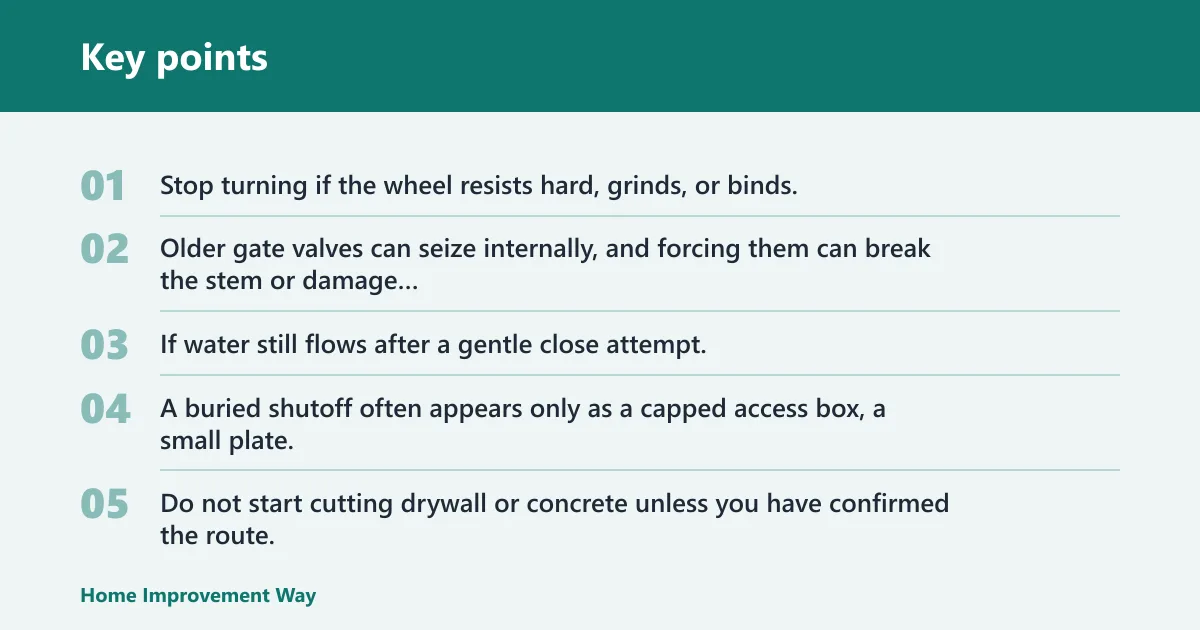
Stop turning if the wheel resists hard, grinds, or binds. Older gate valves can seize internally, and forcing them can break the stem or damage the packing. If water still flows after a gentle close attempt, treat the valve as unreliable and escalate to a plumber or utility instead of applying more force.
What if the shutoff is buried in a slab or wall?
A buried shutoff often appears only as a capped access box, a small plate, or a valve hidden in a service chase. Do not start cutting drywall or concrete unless you have confirmed the route. If the valve is under a slab or inside a concealed cavity, a plumber should expose it and install proper access.
What if there is no interior valve at all?
Some homes, especially older ones, have no usable interior shutoff. In that case, the utility-controlled curb stop or meter-side shutoff may be the only option in an emergency. If repeated access is likely to matter, the long-term fix is adding a proper house-side shutoff where the service line enters the building.
What if you only have a meter pit?
A meter pit can create confusion because the visible valve may be on the utility side, not the house side. If the pit valve is the only one you can find, confirm ownership before operating it. Utilities often require their crews to handle that point, while the homeowner controls the valve on the house side if one exists.
What if the home is a rental or mobile-home park?
Responsibility may be split between the tenant, landlord, park management, and utility. In rentals, the house-side shutoff is often the landlord’s maintenance responsibility if it is not accessible or if repairs are needed. In mobile-home parks, the meter pedestal or main line may be utility- or park-controlled, so ownership must be confirmed before operation.
Frequently asked questions
How do I find the main water shut off in my house?
Start at the water meter or the point where the service line enters the home, then follow the pipe to the first valve on the house side. Check the basement, crawlspace, garage, utility room, or the area near an outdoor meter pit. The main shutoff is the valve that stops all indoor water at once.
Where is the main water shut off in a house usually?
It is usually near where the main water line enters the home. Common spots include basements, crawlspaces, garages, utility rooms, and locations near an outdoor meter pit. In older homes, the interior shutoff may be hidden or harder to reach, so tracing the service line is more reliable than guessing.
What does the main water shut off in a house look like?
It usually looks like a ball valve with a straight handle or a gate valve with a round wheel. A ball valve turns a quarter turn; a gate valve takes multiple turns. The valve is often on a larger incoming pipe and sits close to the main service entry rather than on a branch line.
How to locate the main water shut off in an old house
Begin at the meter, especially if it is outside, and trace the service line to the house entry point. In older homes, the valve may be hidden in a basement wall, crawlspace, or boxed-in utility area. If there is no usable interior shutoff, the utility-controlled curb stop may be the fallback option.
How to find the water shut off in a mobile home
Check under the home, in an exterior utility bay, and at the meter pedestal. Mobile homes often use access points that differ from site-built houses, and the shutoff may be exposed to weather or tucked behind skirting. If the valve belongs to the park or utility, contact them before trying to operate it.
Who is responsible for the main water shut off valve?
Responsibility depends on ownership and location. Homeowners usually handle the house-side shutoff inside their property. Landlords may be responsible in rentals, especially if the valve is inaccessible or not maintained. Utilities control the curb stop and other street-side shutoffs, so those valves require utility contact rather than homeowner operation.
Sponsored / affiliate links. As an Amazon Associate I earn from qualifying purchases. I may earn additional commission from eligible campaigns.
 Water Flow Control Shut Off Valve with Brass Adjustable Hand Level Water Pressure Regulator for Hand Held Shower Head & Bidet Sprayer, Brushed Nickel Water Saver G1/2
 Moisture Meter for House, Water Meter, Tester Hygrometer for Indoor Outdoor Garden Lawn Farm, No Batteries Needed, Accurate Sensor for Gardening(White)