How to Locate the Water Meter Shutoff Valve
Find the main water shutoff by tracing the water service line from the meter to the house, then checking the house side for a wheel handle or lever. Using the wrong valve can leave water running, damage plumbing, or slow an emergency shutoff. This guide shows where to look by home layout, how to read meter-box clues, and how to confirm the water is fully off.
Quick answer: The main shutoff is usually on the house side where the service line enters the home, while the meter shutoff may be in the meter box near the street. A wheel handle usually means a gate valve; a lever handle usually means a ball valve. After closing it, open a faucet to verify the whole house is off.
Find the main shutoff first


The main water shutoff controls water to the entire home. It is usually where the service line enters the building, often on the house side of that entry point, and it should be easy to reach in an emergency. Fixture shutoffs under sinks and behind toilets only stop one faucet or appliance, not the whole house. If your home has more than one valve nearby, start with the one on the house side of the service line, then rule out the meter, PRV, and irrigation valves.
Begin with the most likely indoor path. In many homes, the shutoff is in the basement, crawlspace, garage, utility room, near the water heater, or along the wall where the service line enters. If there is no visible indoor valve, use the meter location as a clue and check outside next.
Start at the service line entry point
Trace the path where the incoming water line comes into the structure. Louisville Water says the shutoff is typically in the lower level near where the line enters the house. Morgan Miller Plumbing also points to basements as a good starting point, and notes that the valve may be on the interior wall parallel to the street.
If the home is on a slab, the valve may be closer to the water heater, garage, or a utility room. In a crawlspace, it may sit low on the wall or on the line just inside the foundation wall. Keep in mind that some homes have the shutoff near the water heater or inside the garage.
Use the meter location as a clue
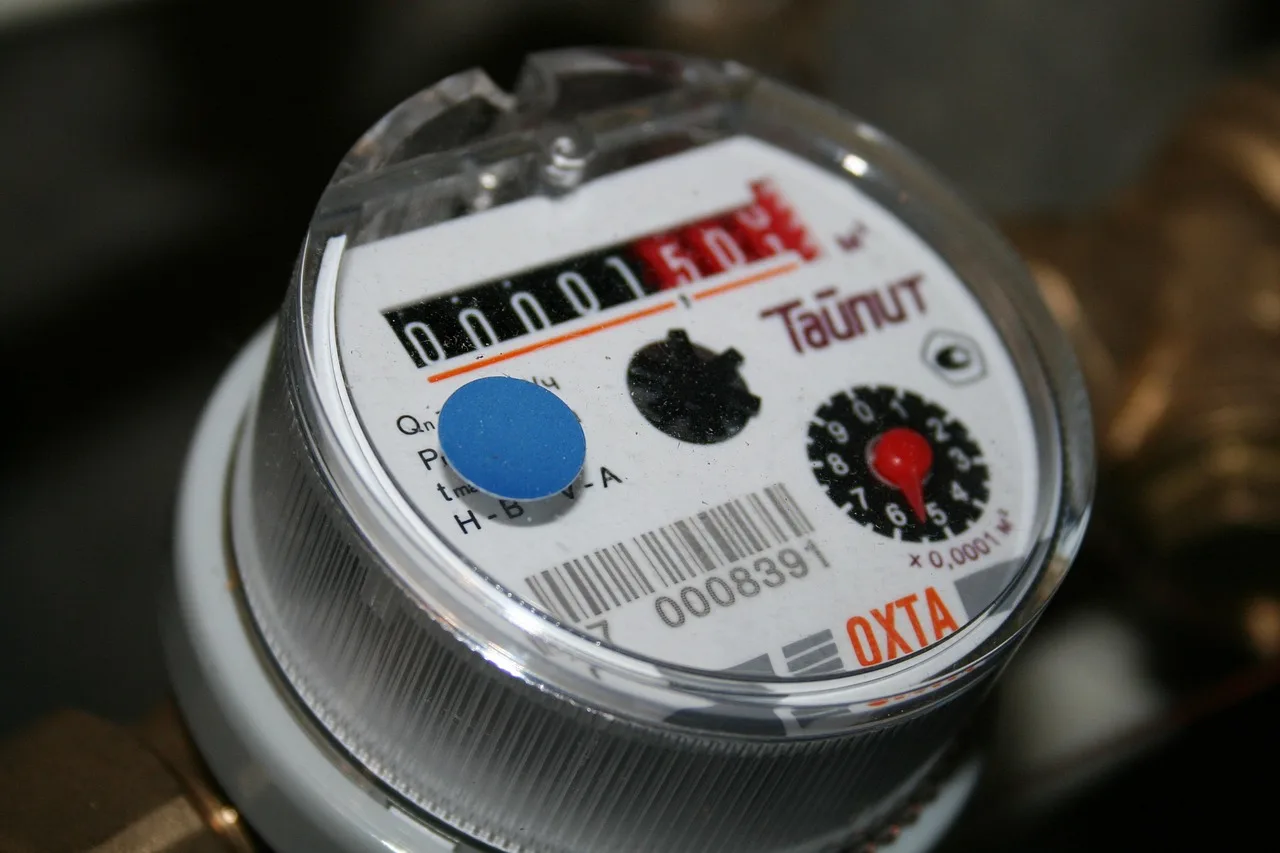
The water meter box is often near the street or property line, usually underground in a covered box. It can contain the meter and sometimes the shutoff. That makes it a useful landmark, but not the final answer by itself. The meter is not the same thing as the homeowner shutoff.
For meter-box access cautions, see local utility guidance such as Louisville Water and municipal shutoff instructions from utilities like San Francisco Public Utilities Commission. If the box is buried under soil or mulch, clear the lid before opening anything. Do not adjust any utility-side hardware you cannot clearly identify.
How to use manufacturer guidance for valve operation
For valve operation basics, consult manufacturer documentation such as Watts and Zurn. Their product information helps distinguish common ball valves, gate valves, and pressure-control devices by handle style and body shape. Use those cues only as identification aids; the home’s actual shutoff still needs a faucet check after closing.
Where is the water meter shut off valve located?
The water meter shutoff valve is often near the meter itself, usually in an underground meter box close to the street or property line. In some homes, that box contains the shutoff; in others, it contains only the meter and a utility-side valve. If the indoor shutoff is absent, use the meter box as your next check.
What to look for near the street
Lee’s Air says the valve can be found outside near the street or property line in a utility box. Look for a covered pit, a concrete or plastic lid, or a utility box set flush with the ground. That box may hold the meter, and in some setups, the shutoff too.
If the lid is painted over, buried, or packed with soil, stop and clear the area first. A meter box should be accessible when you need it. If you cannot identify the house side versus utility side, do not guess. The wrong valve may belong to the utility or to a separate system.
How underground meter boxes are opened
A meter key may be needed to open some water meter boxes. That tool fits the lid or access points on many underground covers. In some cases, a long screwdriver can help lift a stubborn cover, but only if the lid is designed for that kind of access. Use care around buried lids and fragile covers.
Once open, look first for the meter, then for any valve handles on either side of it. If the box is shared with utility hardware, avoid turning anything that is not clearly on the homeowner side. A meter box can contain multiple components, and not all of them should be operated by the homeowner.
When the shutoff may be inside instead
Some homes have no usable outdoor shutoff at the meter box. In those cases, the main shutoff may be inside near the service line entry, in the basement, crawlspace, garage, or utility room. That is especially common when the home has an accessible lower level and the pipe enters through that space.
Picture a split-level home with a meter box by the curb and no indoor basement. The first valve you spot outside may be the meter valve, while the main shutoff is actually in a utility closet beside the water heater. The right answer depends on how the service line was run, not on a single standard layout.
How do you tell the shutoff from the meter?
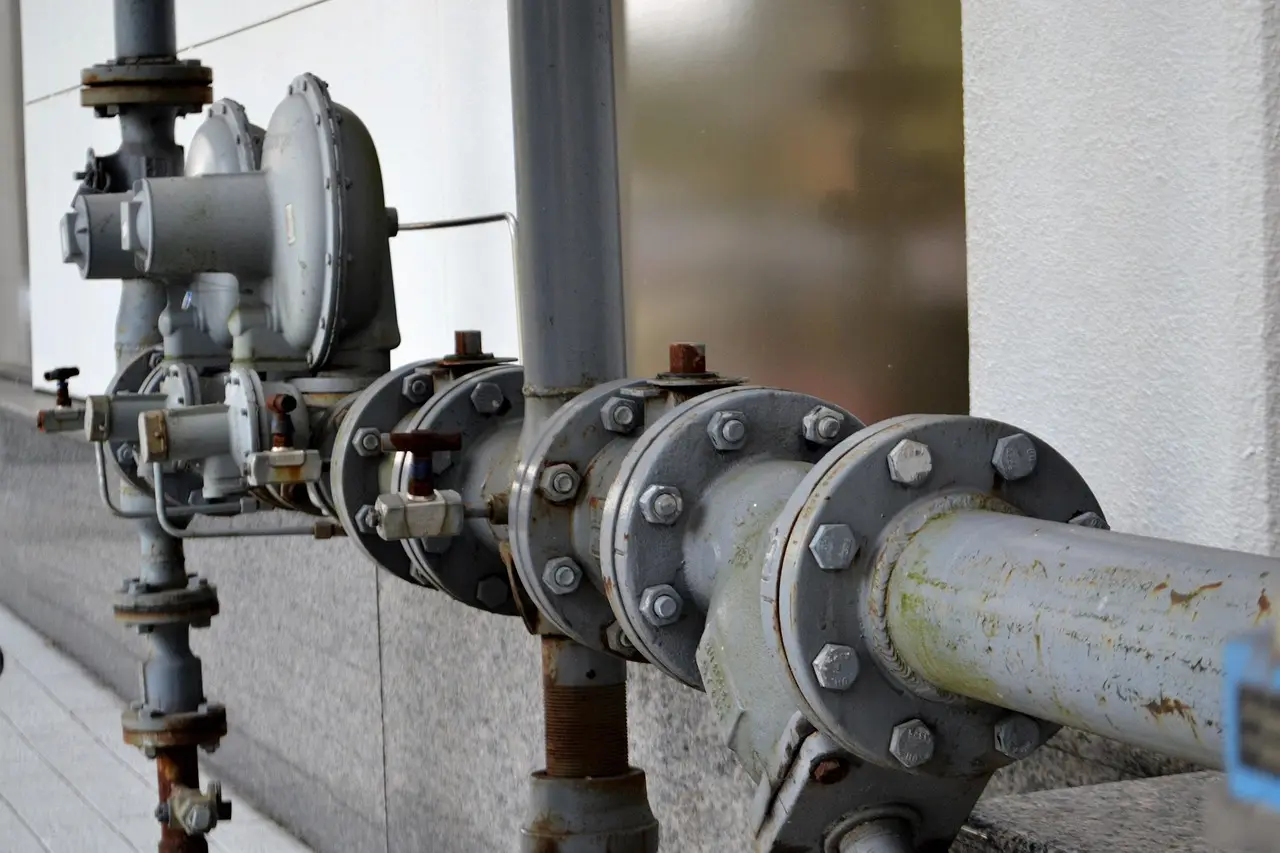
Use valve shape, pipe position, and location to separate the homeowner shutoff from the meter and other equipment. The main shutoff is the valve that stops water to the whole home. The meter measures water use. A PRV may sit nearby, but it controls incoming pressure, not the same thing as the shutoff.
Valve shape clues: wheel or lever
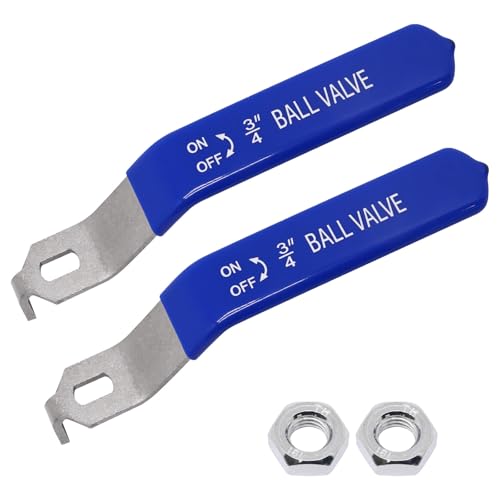
A gate valve often has a wheel-style handle. It closes by turning clockwise and may take several rotations to close. A ball valve usually has a lever handle. It closes with a 1/4 turn, and the handle becomes perpendicular to the pipe when off. If the handle is parallel, the water is on.
Those clues matter because meter boxes can contain several parts. A wheel handle on the house side often points to an older gate valve. A lever handle close to the pipe often points to a newer ball valve. The shape alone is not enough, but it is one of the fastest ways to tell what you found.
Homeowner-side valve versus utility-side hardware
The homeowner-side valve is the one you are meant to use for shutting off the entire home. The utility-side hardware is part of the supply system before the meter or on the utility side of the assembly. If the valve sits before the meter or appears to be set for utility service, stop and verify before turning it.
A common first-timer mistake is closing the wrong lever in a shared box and then wondering why the water still runs. If the valve turns but nothing changes inside the house, you may have operated the wrong side of the assembly or a valve that no longer seals properly.
How a PRV can confuse the search
A pressure reducing valve, or PRV, may sit above the shutoff and can look like part of the same cluster. It reduces incoming water pressure. Homeowners should not adjust it. If you see a device with a bell-shaped body or a spring-like housing near the service line, treat it as pressure-control equipment unless you are certain it is the shutoff.
For PRV identification and placement examples, check manufacturer information from Watts and municipal service guidance from utilities such as San Francisco Public Utilities Commission. Do not use the PRV as a substitute for the main shutoff. It does not stop water the way the main valve does. If you need to isolate the home quickly, keep looking for the actual gate valve or ball valve on the house side.
Water shutoff location checklist
Use this checklist to search in a practical order. Start with the layout that matches your home, then move to the next likely spot if the first one is empty. Keep the goal simple: find the valve that shuts off the whole house, not the meter, not the PRV, and not a fixture or irrigation valve.
| Home setup | First place to check | Next place to check | What the valve usually looks like | What to do if it is inaccessible or stuck |
|---|---|---|---|---|
| Basement home | Lower level near where the service line enters the house | Wall parallel to the street, then near the water heater | Wheel handle on an older gate valve or lever handle on a ball valve | Clear stored items, label the spot, and call a plumber if the stem will not move |
| Crawlspace home | Inside the crawlspace near the foundation wall | Utility room or garage wall where the line enters | Low-mounted wheel valve or a short lever handle near the pipe | Do not crawl into a tight or unsafe space during a leak; shut off at the meter box if accessible |
| Slab home | Garage, utility room, or near the water heater | Outdoor meter box near the street or property line | Often a ball valve with a lever handle | If the valve is buried behind finish materials, stop and plan a clear access point with a plumber |
| Older exterior-meter setup | Meter box near the curb or property line | Indoor entry point if the box only contains the meter | May include a meter-side valve and a separate house-side shutoff | Open the box only if safe and clear; use a meter key when needed |
| Home with utility pit or covered box | Covered utility box near the street | Basement, garage, or utility room | Valve may be underground or set beside the meter | If the lid is locked, buried, or damaged, stop and contact the utility company |
| Condo, townhome, or shared utility room | Unit-specific shutoff inside the unit or in a shared mechanical space | Property manager or utility room if the unit valve is not obvious | Often a ball valve with a lever or a labeled branch shutoff | Do not assume the shared valve serves only one unit; verify before turning |
| Mobile or manufactured home | Under the home near the water entry connection or at the skirting access point | Outdoor meter box or service pedestal if provided | Commonly a compact lever valve on the supply line | Use caution in tight spaces and call for help if the valve is corroded or hard to reach |
| Home with irrigation system | Main house shutoff first | Irrigation shutoff separately | Separate valve that may look similar to a house shutoff | Remember that an irrigation shutoff only affects irrigation, not the whole house |
Two nearby valves can be misleading. Morgan Miller Plumbing notes that a hose connection is separate from the main shutoff, and an irrigation shutoff only affects irrigation, not the whole house. If the handle is close to a hose bib, sprinkler line, or water heater connection, confirm what it controls before using it in an emergency.
Step sequence for a fast search
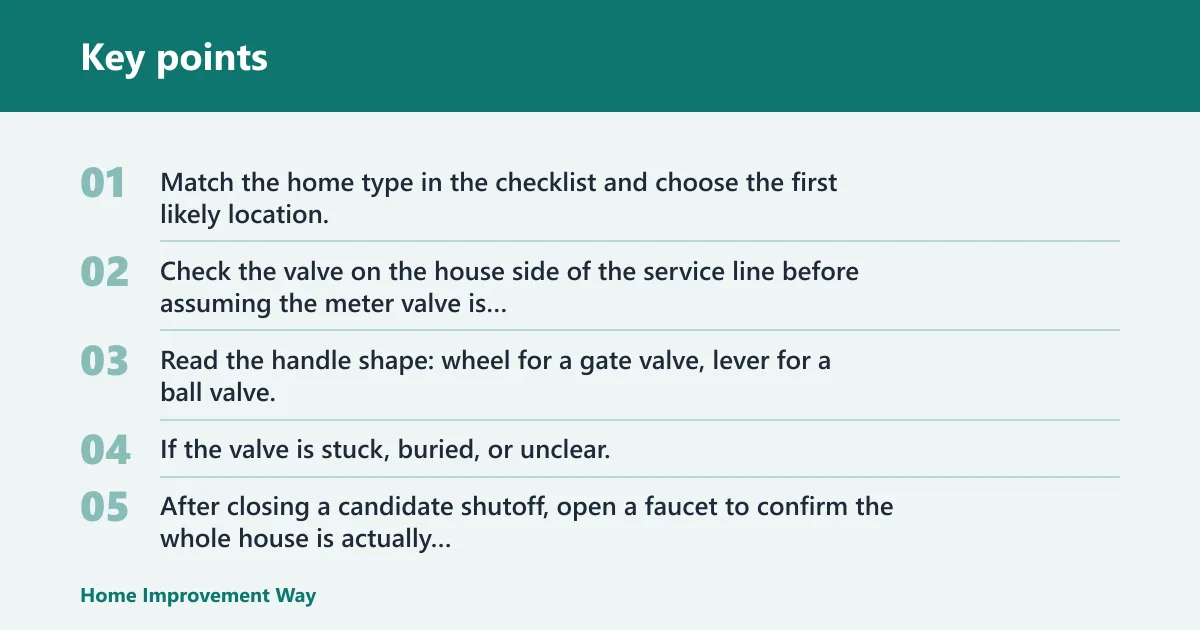
- Match the home type in the checklist and choose the first likely location.
- Check the valve on the house side of the service line before assuming the meter valve is the right one.
- Read the handle shape: wheel for a gate valve, lever for a ball valve.
- If the valve is stuck, buried, or unclear, stop and look for the next likely spot instead of forcing it.
- After closing a candidate shutoff, open a faucet to confirm the whole house is actually off.
How do you close the valve safely?
Close the valve with steady, controlled movement. A gate valve turns clockwise to stop water flow and usually needs several turns. A ball valve closes with a 1/4 turn, and the handle ends up perpendicular to the pipe. If the valve binds, squeaks badly, or resists, stop before you force it.
Turn a gate valve clockwise
A gate valve has a wheel handle. Turn it clockwise until it stops. Do not crank past resistance. Older gate valves can seize, especially if they have not been moved in years. If the handle turns freely but flow does not stop, the internal seat may have failed, and the valve may need replacement rather than more force.
Turn a ball valve a quarter turn
A ball valve uses a lever handle and closes with a 1/4 turn. When it is off, the lever is perpendicular to the pipe. When it is on, the lever is parallel to the pipe. That visual cue is one of the quickest ways to confirm the valve position at a glance.
Suppose you find a lever valve in the garage with the handle lined up with the pipe. Turn it 90 degrees until the handle crosses the pipe. Then check inside at a faucet. If water still runs normally, the valve may not be the house shutoff, or it may be failing internally.
Stop if the valve binds or resists
Do not force old or corroded valves. A seized stem can snap, and a brittle handle can break off under pressure. If the valve feels stuck, back off and use the next step in the search plan instead of applying more torque. In an emergency, that may mean shutting off at the meter box or calling for help immediately.
Confirm the water is off
After closing the valve, open a faucet to confirm flow has stopped. Use a low point faucet in the home when possible, because it helps release pressure from the pipes faster. If the faucet runs briefly and then slows to a stop, that is normal as pressure bleeds off through the line.
Open a faucet to check flow
Choose a faucet at the lowest practical point in the home, such as a basement sink or the lowest bathroom. Open it after closing the shutoff. If water keeps flowing at normal pressure, the valve may not be the main shutoff, or it may not be sealing. If it drips down to a trickle and stops, the shutoff is likely doing its job.
Relieve pressure after shutoff
Once the water is off, leave a faucet open long enough to relieve pressure from the pipes. That helps drain the line and makes it easier to tell whether the shutoff worked. If you reopen the valve later, close the faucet again before restoring service so air and water do not surge through the system.
If the valve is stuck or buried
If the valve is corroded, hidden, or turns without stopping water, stop and call a plumber or utility company. A valve that no longer seals is not something to muscle through. If the meter box is underground and the lid cannot be opened safely, the utility may need to handle it.
What to do with corrosion or a seized stem
Light corrosion can make a valve hard to move, but heavy corrosion often means the valve is near failure. If the handle flexes, the stem squeals, or water still passes after you close it, avoid repeated force. That can worsen the damage and turn a manageable repair into a broken valve or leak.
When a meter key may help
A meter key may be needed to open some water meter boxes. If you do not have one, check whether the lid is clearly designed for simple lifting or whether it is locked, recessed, or stuck under dirt. Some setups can be opened with a long screwdriver, but only when the lid design allows it and the cover moves cleanly.
When to call a plumber or utility company
Call a plumber if the home shutoff is stuck, leaking, or does not stop water after you turn it. Call the utility company if the only accessible valve is in the meter box and you cannot clearly tell which side is which, or if the box needs service. If a leak is active and the valve is inaccessible, speed matters more than diagnosing every part.
Frequently asked questions
Where is the main water shut off valve located?
The main shutoff is usually on the house side of the service line where water enters the building. Common spots include the basement, crawlspace, garage, utility room, near the water heater, or along the wall parallel to the street. The same source says it is typically in the lower level near the entry point.
How do I tell if I found the main shutoff or a meter valve?
Check where the valve sits relative to the meter, then confirm the handle style and test it with a faucet. The main shutoff is usually on the house side and stops all indoor water. A meter valve is often in the street-side box, so if the faucet still runs normally, keep searching.
Do I need a special tool to open the meter box?
Sometimes. A meter key may be needed to open some water meter boxes, especially if the lid is recessed or locked. In a few setups, a long screwdriver can help lift the cover, but only if the lid is designed for it. If the box is buried or damaged, contact the utility company.
What should I do if the valve is stuck or corroded?
Stop if the valve resists, squeals, or turns without stopping flow. Do not force it. Corrosion can mean the valve is failing, and extra pressure can break the stem or handle. If the main shutoff will not work, contact a plumber. If the meter box needs attention, contact the utility company.
How do I know the water is fully off after closing the valve?
Open a faucet after closing the shutoff and check whether water flow stops. Use a low point faucet when possible so pressure leaves the pipes faster. If water continues at normal flow, you may have the wrong valve or a failed shutoff. A brief trickle that fades is a better sign than steady flow.
Where are water shut off valves usually located?
They are usually in one of a few places: the basement, crawlspace, garage, utility room, near the water heater, or near the meter box outside. Older exterior-meter setups may put the shutoff near the street or property line. The right search order depends on the home layout, not a single standard spot.
Sponsored / affiliate links. As an Amazon Associate I earn from qualifying purchases. I may earn additional commission from eligible campaigns.