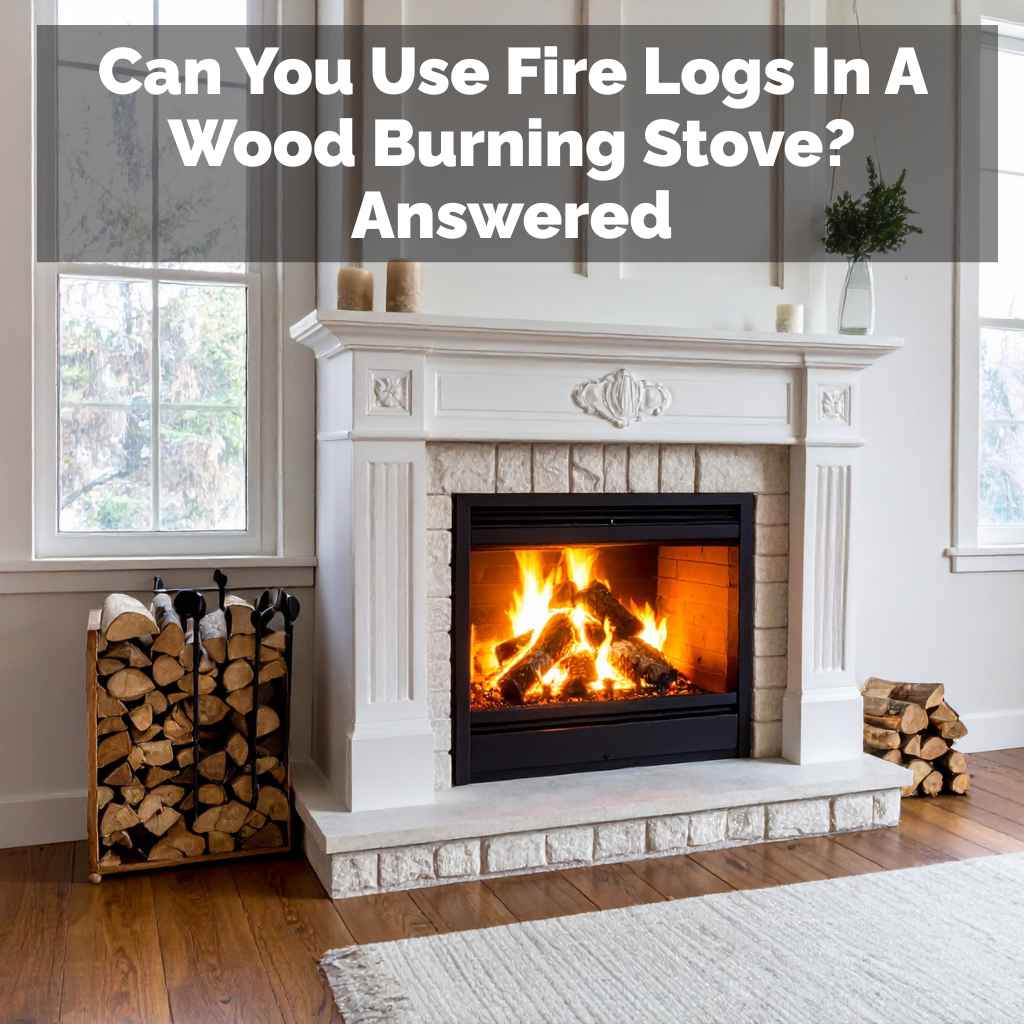
Can You Use Fire Logs In A Wood Burning Stove? Answered
We want our homes warm and safe. And we want to make sure we are using our appliances correctly. Using the wrong thing can cause trouble.
This guide will help you figure out if those fire logs belong in your stove.
Fire logs, often called artificial or manufactured fire logs, are generally not recommended for use in a standard wood-burning stove designed for cordwood. Their composition and burning characteristics can differ significantly from natural wood, potentially leading to safety issues, damage to the stove, and inefficient heating.
What Are Fire Logs and How Do They Burn?
Fire logs are basically blocks made from materials other than just plain wood. Think sawdust. They are pressed together tightly.
Often, they have binders added. These binders help them hold their shape. They also help them burn.
Some fire logs use wax. Others use petroleum products.
When you light a fire log, it burns differently than wood. Wood burns by releasing gases. These gases then catch fire.
Fire logs often release these gases faster. They might burn hotter. They can also produce more smoke.
And sometimes, they leave behind more residue.
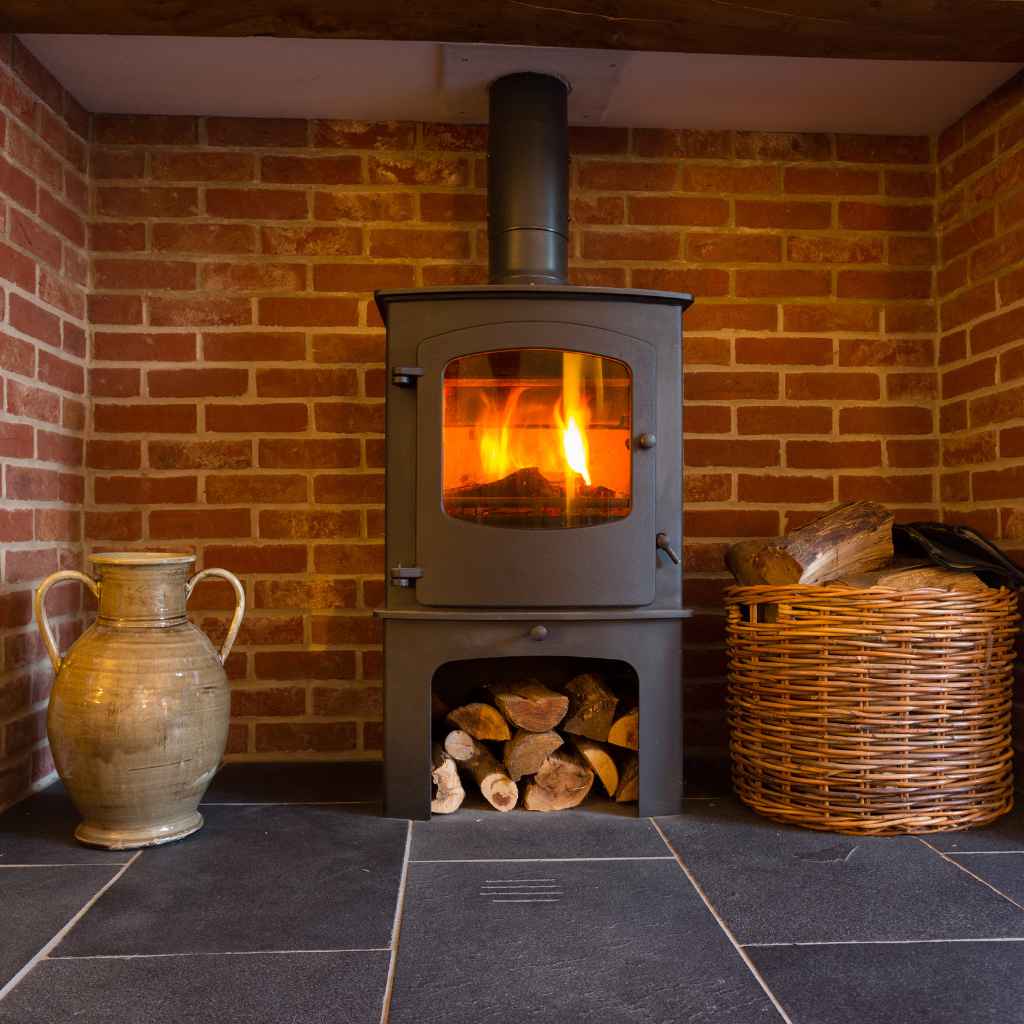
Why Your Wood Stove Isn’t Designed for Fire Logs
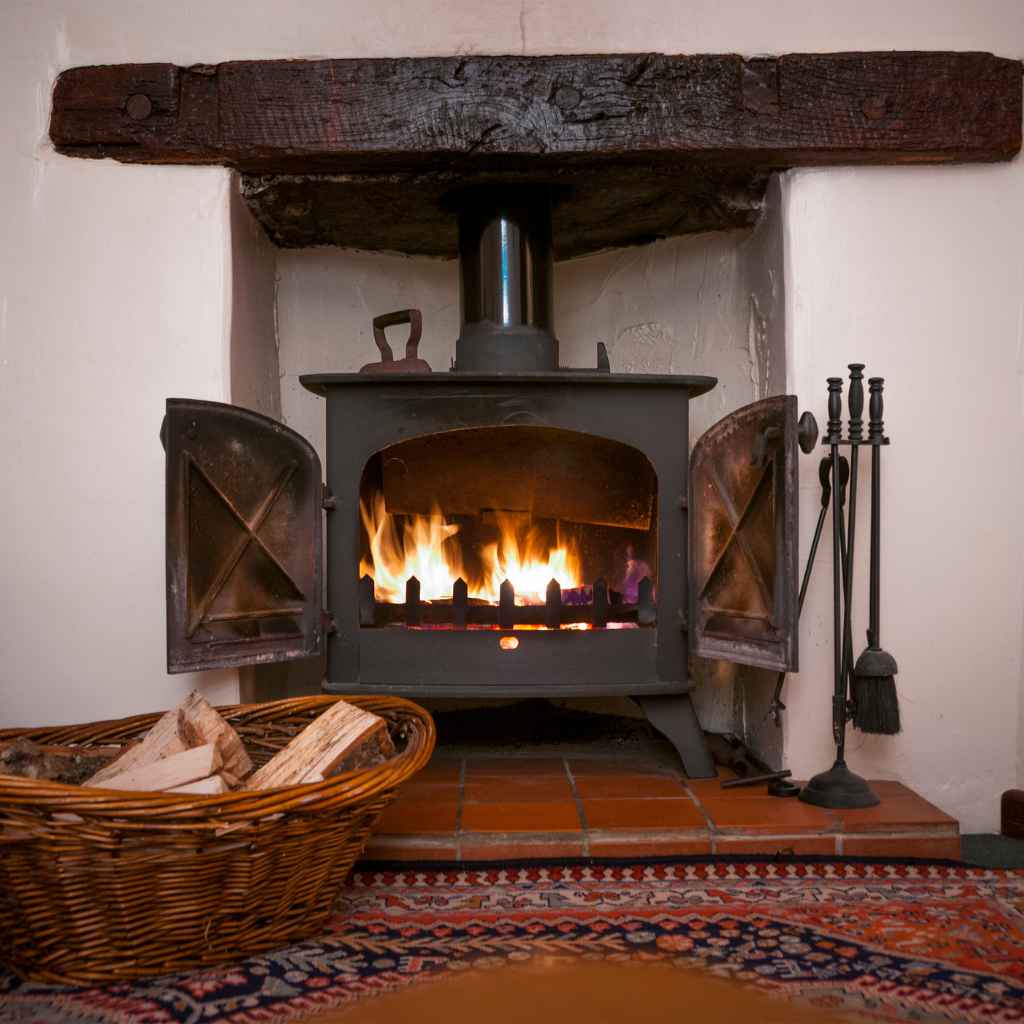
Wood stoves are built for a specific job. They are made to burn split logs of seasoned firewood. This wood has been dried out.
It burns steadily. It produces a good amount of heat. It also creates ash that falls into the stove’s ash pan.
Fire logs have different properties. Their binders can melt. They can create sticky residue.
This residue can build up inside your stove. It can clog the flue. It can also damage the stove’s metal parts.
Some fire logs burn very hot. This extra heat can stress your stove. It might even warp or crack the metal over time.
My Own Fire Log Fumble
I remember one particularly cold winter evening. My firewood supply was running low. I had a few of those boxed fire logs sitting in the garage.
They looked so convenient. I thought, “Why not? It’s just burning something, right?” So, I grabbed one and put it in my stove.
It lit up with a whoosh. It seemed to burn brighter than my usual logs.
But then, strange things started happening. A weird, sweet smell filled the air. It wasn’t the comforting scent of burning wood.
It was more chemical. Then, I noticed a sticky black goo starting to drip from the log. It sizzled on the grate.
Smoke started to build up more than usual. I got a little worried. Was this normal?
I quickly put the fire out. I didn’t want to risk damaging my stove. That experience taught me a valuable lesson about using the right fuel.
Different Types of Fire Logs
Artificial Fire Logs: Made from sawdust, wax, and binders. They burn faster and hotter than wood. They can leave residue.
Wood Composite Logs: These are compressed wood fibers. They are closer to real wood. But they still have binders.
Check the manufacturer’s advice.
Real Wood Logs: Seasoned hardwood logs are the best. They burn clean and produce good heat. They are what stoves are made for.
Understanding Fire Log Ingredients
Let’s break down what’s usually in a fire log. Most artificial logs are made from compressed sawdust. This is mixed with wax.
The wax acts as a binder. It also helps the log catch fire easily. Some might contain other binding agents.
These can be things like starch or even paper pulp.
The problem is that these binders are not meant for the high, sustained heat of a wood stove. Wax can melt. It can drip.
It can create a sticky mess. This mess can coat the inside of your stove. It can also coat your chimney.
Petroleum-based binders can create more fumes. They can also leave behind more ash or residue.
Fire Log vs. Real Wood: Key Differences
Burning Time: Fire logs often burn quicker.
Heat Output: Can be higher initially, but less sustained.
Residue: Fire logs tend to leave more sticky residue and ash.
Emissions: Can produce more smoke and chemical fumes.
Stove Impact: Potential for creosote buildup and component damage.
Creosote: The Hidden Danger
Creosote is a big concern with wood stoves. It’s a tar-like substance. It forms when smoke cools.
This happens in your chimney. It’s highly flammable. If enough creosote builds up, it can cause a chimney fire.
This is a very dangerous situation.
Fire logs can contribute to creosote buildup. Their incomplete combustion can create more smoke. The binders can also leave residue.
This residue can mix with smoke. It can form a sticky layer. This layer is a prime spot for creosote to form.
Regular chimney cleaning is always important. But using the wrong fuel makes it even more critical.
When Are Fire Logs Okay? (Hint: Not Usually in Your Stove)
So, where do fire logs belong? They are typically designed for open fireplaces. These fireplaces are usually made of brick.
They have a wide opening. They are less enclosed than a wood stove. The heat and residue are less likely to cause damage in an open fireplace.
Think about a camping fire pit too. Or an outdoor fire ring. These are also places where fire logs might be used.
They offer a quick and easy way to get a fire going without a lot of fuss. But even then, it’s good to know what you’re burning.
Fire Log Usage: Where They Shine (and Where They Don’t)
Good For:
- Open fireplaces
- Outdoor fire pits
- Quick fires where stove longevity isn’t a concern
Not For:
- Wood-burning stoves
- Pellet stoves
- Boilers
Potential Damage to Your Wood Stove
Let’s get specific about the damage. Your wood stove has different parts. It has a firebox.
This is where the fire burns. It has a door with a glass window. It has a baffle system.
It has a flue and a damper.
The sticky residue from fire logs can coat these parts. It can make the glass dirty. It can build up on the baffle.
This baffle helps control airflow. It makes your stove burn more efficiently. If it’s covered in goo, it won’t work as well.
The heat from some fire logs can also be too intense. It might cause the metal firebox to warp. This can create gaps.
It can make the stove less safe.
What About “Natural” Fire Logs?
You might see logs marketed as “natural” or “all-wood.” These are often made from compressed wood fibers. They don’t usually have wax or petroleum binders. They might use a natural plant-based binder.
These are generally better than the wax-based ones.
However, you still need to be cautious. The way they are compressed can affect how they burn. They might still burn faster than cordwood.
They could still produce more ash. Always check the packaging. Look for specific instructions.
See if it says they are safe for wood stoves.
Quick Scan: Choosing Wood for Your Stove
| Fuel Type | Burn Quality | Residue | Stove Safety |
| Seasoned Hardwood | Steady, efficient | Low ash | High |
| Artificial Fire Log | Fast, uneven | High (sticky) | Low |
| Wood Composite Log | Variable | Moderate | Medium (check label) |
Real-Life Scenario: The Smelly Stove
My neighbor, Mark, decided to try a fire log one winter. He has a beautiful, older cast-iron stove. He lit the log.
Within minutes, his whole house smelled like a tire factory. It was a strong, unpleasant chemical odor. He thought something was wrong with his stove.
He called me over, looking worried. I took one sniff and knew immediately. “Mark,” I said, “that’s not wood you’re burning.”
We opened the stove door carefully. The log was burning intensely. There was a lot of smoke.
And a thin, black film was already forming on the glass. Mark felt silly. He had assumed all “logs” were the same.
He learned that day that fuel type really matters for his stove. He went back to his seasoned oak logs after that. He said the difference in smell and heat was huge.
What the Experts Say (and Why It Matters)
Manufacturers of wood stoves are very clear about this. They design their stoves for specific fuels. The U.S.
Consumer Product Safety Commission (CPSC) also warns about burning artificial logs in wood stoves. They highlight the risks of chimney fires and stove damage.
These warnings are there for a reason. They are based on how these appliances work. And how different materials burn.
Following the stove manufacturer’s guidelines is key to safe operation. It’s also important for the stove’s lifespan.
Key Takeaways for Stove Owners
Always use seasoned firewood if your stove is designed for it.
Check your stove’s manual for approved fuel types.
Avoid artificial fire logs in wood-burning stoves.
Clean your chimney regularly, regardless of fuel type.
If it smells weird, stop burning it.
When It’s Okay to Use Fire Logs: An Important Distinction
It’s crucial to distinguish between a wood-burning stove and a simple fireplace insert or grate. Many decorative fireplaces use a grate to hold logs. Or they might have a gas starter.
These are different from a sealed wood-burning stove.
A wood-burning stove is an appliance. It’s designed for efficiency and heat output. It has specific air controls.
It has a robust chimney system. A fireplace is often more for ambiance. It’s less about controlled heating.
So, fire logs might be fine for a fireplace. But they are usually not for a stove.
What If I Run Out of Wood? Quick Alternatives
It’s a common worry. What if you’re caught short on wood? First, try to plan ahead.
Keep a good stockpile. Get firewood from a reliable source. Make sure it’s seasoned.
This means it’s dried for at least six months. Preferably longer.
If you are truly out, and it’s an emergency, you might have to make a tough choice. But look for the absolute safest option. Some emergency fire starters are designed to burn clean.
They are not meant for long-term heating. They are for getting a quick, small fire going safely. Always prioritize safety over convenience.
Contrast: Normal vs. Concerning Fire Log Behavior
Normal (for fireplaces, not stoves):
- Bright flames
- Relatively quick burn
- Some smoke
Concerning (for stoves):
- Dripping, sticky residue
- Very strong, chemical odors
- Excessive, dark smoke
- Rapidly dirty glass door
- Sizzling or popping noises beyond normal
The Environmental Impact
Beyond safety, think about the environment. Burning artificial fire logs can release more pollutants into the air. The binders and other materials can produce more particulate matter.
They can also release volatile organic compounds (VOCs).
Seasoned firewood, burned in an efficient, modern wood stove, can be a relatively clean-burning fuel. Especially compared to older heating methods. But using the wrong fuel source defeats this purpose.
It can lead to poorer air quality both inside and outside your home.
Is It Ever Safe? A Final Check
To wrap this up, the general answer is no. You should not use typical artificial fire logs in a wood-burning stove. They are made for different purposes.
They burn differently. They have different risks.
Always check your wood stove’s manual. It will tell you exactly what type of fuel is safe. If you’re unsure about a specific product, err on the side of caution.
Your stove is an investment. It’s also a safety feature in your home. Treat it with the right fuel.
Frequently Asked Questions About Fire Logs and Stoves
Can I use fire logs in my pellet stove?
No, pellet stoves are designed to burn compressed wood pellets only. Using fire logs or any other material can damage the auger and fire pot, leading to costly repairs.
What is the best type of wood for a wood stove?
The best wood is seasoned hardwood. This includes oak, maple, ash, and birch. It should be dried for at least six months to a year.
It burns hotter and cleaner than softwoods.
How often should I clean my chimney if I use a wood stove?
It is generally recommended to have your chimney inspected and cleaned at least once a year. If you burn frequently or notice a lot of creosote buildup, you may need more frequent cleanings.
Can fire logs damage the glass on my stove door?
Yes, the sticky residue and intense heat from some fire logs can leave a permanent film or even etch the glass on your stove door. This can impair visibility and reduce the aesthetic appeal of your stove.
Are wood composite logs safe for wood stoves?
Wood composite logs are generally safer than artificial logs if they do not contain wax or petroleum binders. However, always check the product packaging. Look for explicit recommendations from the manufacturer for use in wood-burning stoves.
What happens if I burn fire logs in my wood stove regularly?
Regularly burning fire logs in a wood stove can lead to a significant buildup of creosote, potentially causing a chimney fire. It can also damage the stove’s internal components, warp metal parts, and reduce its overall efficiency and lifespan.
Final Thoughts on Stove Fuel
Choosing the right fuel for your wood-burning stove is important. It keeps your home warm and safe. It also protects your stove.
Stick to seasoned firewood. Check your manual. Avoid those convenient fire logs for your stove.
Your stove will thank you with years of reliable heat.
Sponsored / affiliate links. As an Amazon Associate I earn from qualifying purchases. I may earn additional commission from eligible campaigns.