
Crown Molding vs Cove Molding: Which Fits Your Room?
Choose crown molding for rooms with moderately tall ceilings and enough wall width to support a stronger shadow line. Choose cove molding for lower ceilings, tighter rooms, or when you want a lighter profile that is often easier to install. Pick the wrong profile and the room can feel shorter, busier, or out of proportion. This guide compares crown molding vs. cove molding by room scale, visual weight, and DIY install difficulty.
This guide is part of our Crown molding guide series.
| Decision factor | Crown Molding | Cove Molding: Which Profile Fits Your Room? | Winner |
|---|---|---|---|
| Visual weight | Bolder profile with more detail and a stronger shadow line | Concave, curved profile with a softer transition | Cove molding |
| Ceiling height fit | Best when the profile size is matched to ceiling height | Works well where a lighter finish is needed | Depends on room |
| Small-room suitability | Can feel heavy if the room is tight or the ceiling is low | Usually reads as lighter and less crowded | Cove molding |
| Style range | Fits traditional, transitional, and more formal rooms | Fits modern, understated, and minimal interiors | Depends on style |
| Installation complexity | More sensitive to cope cuts, miter quality, and corner squareness | Usually simpler because the profile is less ornate | Cove molding |
| Moisture-friendly material options | Polyurethane is moisture-resistant and lightweight | MDF, wood, and polyurethane are common; MDF is cost-effective | Tie |
What crown molding and cove molding actually do


Crown molding is ceiling-to-wall trim that finishes the joint where the wall meets the ceiling. Its profiles range from plain curves to detailed patterns, so the same category can read subtle or formal depending on size. Cove molding has a concave, curved profile and creates a soft transition between walls and ceilings.
The real difference is not decoration alone. It is visual weight. Crown pushes outward and upward, so it has more presence; cove recedes and rounds the junction, so it looks lighter and quieter.
How each profile changes the room’s visual weight
Crown molding can make a room feel taller when the profile is scaled correctly, because the shadow line can draw the eye upward. If the profile is too large for the ceiling height, it can feel heavy and crowded. Cove molding usually avoids that problem because the curve is less assertive.
Picture a small hallway with short walls and a bulky crown profile. The trim can compete with door casings and light fixtures, which makes the ceiling feel lower. In the same hallway, cove molding keeps the top edge defined without adding that extra pressure.
Quick side-by-side comparison
This comparison is strongest when you look at the room as a whole. Ceiling height, room width, furniture scale, and finish style all push the choice one way or the other.
Which profile fits your ceiling height?
Ceiling height is the first filter. Crown profile size should match ceiling height, and the common rule of thumb is that 8-foot ceilings generally call for a narrower crown profile in the 2- to 3-inch range. Nine-foot and taller ceilings can usually carry wider crown moldings, while vaulted and tray ceilings can support even larger profiles without looking out of scale.
8-foot ceilings
With 8-foot ceilings, narrow crown is safer than broad or deeply projected trim. If you want a more relaxed look, cove molding often fits better because it keeps the top edge defined without adding much visual mass. In a modest bedroom or hallway, that lighter read matters more than extra detail.
9-foot-plus ceilings
Once the ceiling moves to 9-foot-plus, crown has more room to breathe. Wider profiles can work because the wall area can carry the shadow and detail without making the room feel compressed. Cove still works, but it may look intentionally understated rather than sized for the room.
Vaulted and tray ceilings
Vaulted and tray ceilings can support wider crown profiles without looking out of scale. The geometry gives crown a place to land, and the trim can follow the break in the ceiling rather than fight it. Cove can still be used, but crown usually reads more complete in these higher-volume rooms.
How room size changes the choice

Room width matters as much as ceiling height. Small rooms need lighter trim because their walls are already close to the eye, while large rooms can carry heavier profiles without feeling crowded. Furniture scale also matters: low, simple furniture pairs better with lighter trim; tall case pieces and formal seating can support more substantial molding.
Small rooms and low visual weight
Small rooms usually benefit from cove molding because it adds a finish line without competing for attention. A narrow room with a bed, dresser, and ceiling fan has limited visual slack. Heavy crown can make that same room feel busier, especially if the trim size climbs before the ceiling height does.
Large rooms and heavier trim
Large rooms can handle crown molding better because the trim does not overwhelm the wall area as quickly. Dining rooms and larger living rooms often have enough wall surface for the added detail. In those settings, cove may feel too plain unless the rest of the room is already visually busy.
How ceiling height and room width work together
Think of height and width as a pair, not separate checks. A wide room with an 8-foot ceiling may still support a restrained crown profile, while a narrow room with a taller ceiling may still be better off with cove if the walls are visually tight. The best choice comes from the combination, not one number alone.
Which style looks best in your room?
Style matters, but it should follow proportion. Crown molding tends to fit traditional and formal spaces, while cove molding fits modern or transitional rooms that need a softer, less ornate finish. If the room already has clean lines, cove usually blends in better; if the room has paneled doors, heavier millwork, or classic furniture, crown can feel more complete.
Modern and transitional rooms
Cove molding often looks more modern because the profile is simple and the transition is quiet. In transitional rooms, it can bridge the gap between plain drywall and more detailed trim without pushing the space toward formal styling. That makes it a good choice when you want finish, not flourish.
Traditional rooms
Crown molding is the better match for traditional rooms because the profile can echo the formality of the furniture and casing details. It also works in nearly any room, which is why it appears in living rooms, bedrooms, dining rooms, and hallways. The key is still scale; ornate does not mean oversized.
Where cove looks better than crown
Cove often beats crown in low-ceiling rooms, narrow halls, and spaces with simple furniture. It also works when the goal is a softer transition between wall and ceiling rather than a decorative edge. If crown would be the loudest feature in the room, cove is usually the safer pick.
What materials and install details should you expect?

Wood, MDF, and polyurethane are commonly used materials for both profiles. MDF is described as a cost-effective option for cove molding. Polyurethane is moisture-resistant and lightweight, and crown molding is especially suitable for bathrooms and kitchens when made of polyurethane. Paintability matters too, since most homeowners want trim that accepts a clean painted finish.
Wood, MDF, and polyurethane
Wood is the traditional choice and works well when you want a solid, paintable trim with a more finished feel. MDF is practical when cost matters and the room stays dry. Polyurethane is useful in moisture-prone rooms because it resists moisture and stays light enough to handle more easily during installation.
Inside corners: coping crown
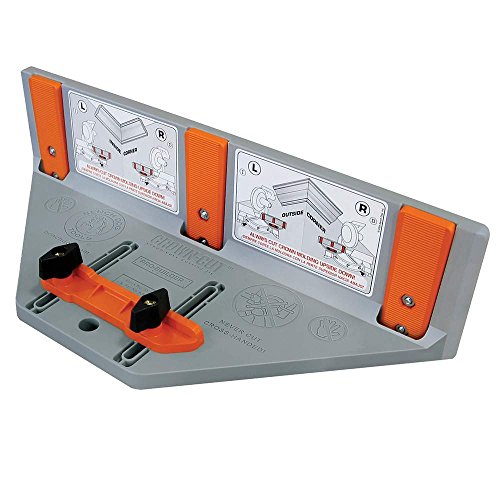
Inside corners in crown molding are coped, not mitered. That means the second piece is shaped to match the profile of the adjoining piece, which helps the joint fit cleanly when walls are not perfectly square. This step is one reason crown takes more care than cove.
Outside corners: mitering and wall square
Outside corners in crown molding are mitered, with both pieces cut at matching angles. That joint depends on the wall being close to square, so layout and measurement matter before you cut. Cove molding is generally less demanding at the corners because the profile does not create the same complex intersection.
- Measure the room perimeter and mark wall stud locations.
- Choose the profile size based on ceiling height and room scale.
- Cut test pieces before making finish cuts.
- Use a miter saw for clean cuts.
- Dry-fit corners before applying adhesive or nails.
- Secure the trim, then fill and paint as needed.
Can cove molding work in the same room as crown molding?
Yes, but only if the room has clear zones or a deliberate trim hierarchy. Cove can work in secondary spaces, closets, or lower sections while crown appears in the main room. If both profiles share one continuous wall line without a reason, the room can feel inconsistent instead of layered.
A common first-timer mistake is mixing detailed crown with plain cove on adjacent walls of the same small room. The eye reads the mismatch as a layout problem, not a design choice. If you mix them, keep one profile dominant and let the other stay secondary.
Which molding profile looks best in a small room?
Cove molding usually looks best in a small room because it keeps the ceiling line soft and light. A narrow crown profile can also work if the ceiling is tall enough, but heavy crown often overwhelms the walls. In compact rooms, the best trim is the one that disappears a little.
What ceiling height is too low for crown molding?
There is no hard cutoff, but low ceilings leave less room for a bold crown profile. An 8-foot ceiling generally favors narrower crown in the 2- to 3-inch range. Below that scale, or in rooms that already feel tight, cove molding usually gives a better proportioned result.
How wide should crown molding be for an 8-foot ceiling?
A common rule of thumb is that an 8-foot ceiling generally calls for a narrower crown profile in the 2- to 3-inch range. That keeps the trim from pressing down on the room. Wider crown can work only if the room is large enough to absorb the added visual weight.
Does cove molding look more modern than crown molding?
Usually yes, because cove molding has a concave, curved profile and a quieter edge. That simple transition fits modern and transitional interiors better than highly detailed crown. Still, crown can look restrained if the profile is simple and the room has enough height to support it.
Which is easier to install, crown molding or cove molding?
Cove molding is usually easier to install because its profile is less complex and it is more forgiving visually. Crown molding demands more precise measuring, cleaner cuts, and better corner work, especially at inside corners where coping is preferred. If the walls are not square, crown gets harder fast.
What rooms are best for crown molding versus cove molding?
Crown molding is a strong fit for living rooms, bedrooms, dining rooms, and hallways when the room has enough height and width to carry the added trim. Cove molding is often better in smaller bedrooms, low-ceiling hallways, bathrooms, and modern rooms that need a softer finish rather than a decorative edge.
Decision matrix: crown versus cove by room scenario
Use this matrix to score the room, not the trim alone. A profile that looks right in a dining room can look too heavy in a narrow bedroom, and a profile that feels calm in a hallway can seem too plain in a formal living room. The better fit is the one that matches ceiling height, room size, style, and upkeep.
| Common room scenario | Ceiling height score | Room size score | Style and maintenance score | Best fit |
|---|---|---|---|---|
| 8-foot bedroom, modest floor area, simple furniture | Cove | Cove | Cove | Cove molding |
| 9-foot living room, medium-to-large footprint, transitional style | Crown | Crown | Tie | Crown molding |
| Kitchen or bath with moisture exposure | Tie | Tie | Crown in polyurethane; cove if you want the lighter look | Polyurethane crown or cove, depending on visual weight |
| Narrow hallway with low visual headroom | Cove | Cove | Cove | Cove molding |
| Dining room with tall ceilings and formal furniture | Crown | Crown | Crown | Crown molding |
How to read the matrix
If crown wins on height and room size but loses on maintenance, that does not automatically make it the wrong choice. It means you should confirm that the room can support the extra visual weight and that the installation time is worth it. If cove wins most rows, the room is probably asking for restraint rather than detail.
Choose crown molding if… / choose cove molding if…
Choose crown molding if your room has 9-foot or taller ceilings, enough wall width to carry a stronger shadow line, or a traditional look that benefits from more detailed trim. It also makes sense in larger living rooms, dining rooms, bedrooms, and hallways where the added weight will not crowd the space.
Choose cove molding if your room has an 8-foot ceiling, tight square footage, simple furniture, or a modern finish that should stay quiet at the ceiling line. It is also the better choice when you want a softer transition, lower visual weight, or a trim profile that is generally easier to install.
For most DIY homeowners, the final question is simple: does the room have room for the trim to breathe? If yes, crown can work well. If no, cove is usually the cleaner answer.
Frequently asked questions
Is cove molding better than crown molding for my room?
Cove molding is better when the room is small, the ceiling is low, or you want the wall-to-ceiling transition to stay quiet. Crown molding is better when the room has enough height and width to carry more detail. The better choice follows proportion, not decoration level.
Sponsored / affiliate links. As an Amazon Associate I earn from qualifying purchases. I may earn additional commission from eligible campaigns.