How To Hang Stuff On Brick Without Drilling (Easy Methods)
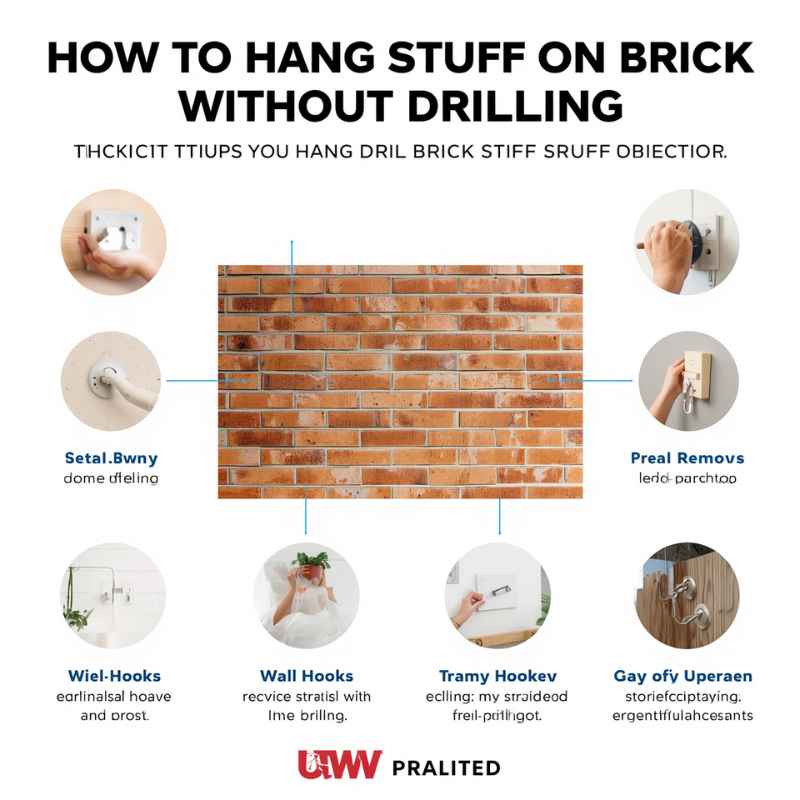
You can hang items on brick walls without drilling by using strong adhesive hooks, specialized brick clips, or by utilizing existing brick features. These methods avoid permanent wall damage and are suitable for lighter to medium-weight items, providing a flexible way to decorate or organize your space.
Understanding Brick Walls and Hanging
Brick walls have a unique texture. They are made of clay bricks. These bricks are usually set in mortar.
Mortar is like the glue holding the bricks together. The surface can be bumpy. It’s not smooth like drywall.
This texture makes things tricky sometimes. You can’t just push a nail in. Drilling requires a special drill bit.
It also makes a mess and a lot of noise. Many people want to avoid this.
When you hang something, you need it to stay put. It needs to be secure. For brick, this means your method must grip well.
It needs to hold the weight of the item. If it doesn’t, your item could fall. This can damage the item or the wall.
Or worse, it could hurt someone. So, finding the right way is important. We want it to be safe and reliable.
There are many things you might want to hang. This could be a small piece of art. It might be a key holder.
Maybe you want to put up a light string. Or even a small plant. The weight of the item matters.
Lighter things are easier to hang. Heavy items need stronger solutions. Knowing what you want to hang helps choose the best method.
Why Avoid Drilling into Brick?
Drilling into brick has its downsides. First, it’s not easy. You need a hammer drill.
This tool has a special action. It pounds as it spins. This helps it break through the hard brick.
Regular drills often can’t do it. Even with the right tool, it takes effort. You also need masonry drill bits.
These are made of hard metal. They don’t dull quickly.
Then there’s the mess. Drilling brick creates fine dust. This dust gets everywhere.
It’s hard to clean up completely. It can get into your lungs too. You need to wear a mask.
You should also protect your furniture. Covering areas is a must. This can be a lot of work just to hang a picture.
Permanent changes are another concern. Once you drill a hole, it’s there. You can fill it later.
But it might still be visible. If you want to redecorate, you have to deal with these holes. For renters, drilling is often not allowed.
It can cause you to lose your security deposit. So, finding ways to hang things without drilling is a big plus for many people.
My Own Brick Wall Story
I remember my first apartment. It had these gorgeous, exposed brick walls in the living room. I was so excited!
I wanted to hang a framed print my aunt had given me. It wasn’t huge, maybe two pounds. I thought, “Easy peasy!” I grabbed a regular hammer and a nail.
I tapped the nail. Nothing happened. I hit harder.
Still nothing. It just bounced off. I felt so silly and frustrated.
I looked at the brick dust on the floor. I knew I didn’t want to buy a fancy drill. That’s when I started looking for other ways.
I found some strong adhesive strips. I cleaned the brick really well. I followed the instructions.
To my surprise, the print stayed up for the entire two years I lived there. It was a huge relief and a great lesson learned.
Easy Methods for Hanging on Brick
There are several smart ways to hang items on brick walls. These methods focus on using adhesives or clips. They are designed for different types of walls and weights.
Let’s look at some popular options. Each has its own strengths. Knowing these will help you pick the best one for your needs.
The goal is always a good hold. We want something that lasts. But we also want to keep the brick looking nice.
These methods help you achieve that balance. They are often simple to use. Most people can do them without any special skills.
It’s about choosing the right tool for the job.
1. Strong Adhesive Hooks and Strips
This is probably the most common method. Many companies make adhesive products. They are designed to stick to various surfaces.
Some are specifically made for textured walls like brick. You need to choose wisely. Look for products that state they work on brick or masonry.
They often use a very strong type of glue.
The process is usually straightforward. First, you clean the brick surface. This is super important.
You need to remove any dust or dirt. Use a damp cloth. You might need a little soap.
Make sure it’s completely dry before you stick anything. Then, you peel off the backing from the adhesive. Press the hook or strip firmly onto the brick.
Hold it for a good amount of time. This helps the adhesive bond. Many products suggest waiting a certain time before hanging anything.
This is crucial for a strong hold.
These hooks are great for lighter items. Think about keys, small decorations, or calendars. Some heavy-duty versions can hold more weight.
Always check the weight limit. It’s usually printed on the package. Using a hook that’s too weak will lead to failure.
I’ve seen people hang too much on them. Then they wonder why it fell down.
Make sure the brick surface is suitable. If the brick is very crumbly or porous, adhesives might not stick well. They need a solid surface to grip.
Test a small, hidden area if you’re unsure. This ensures the adhesive won’t damage the brick. When you want to remove them, do it slowly.
They often come with a way to remove them without damage. Like pulling a tab straight down.
Adhesive Hook Tips
- Clean First: Always start with a spotless brick surface.
- Dry Thoroughly: Ensure the brick is totally dry before applying.
- Follow Instructions: Adhere to the product’s weight limits and waiting times.
- Press Firmly: Apply strong, even pressure for a good bond.
- Test Small Area: If unsure, try on an inconspicuous spot.
2. Brick Clips and Hangers
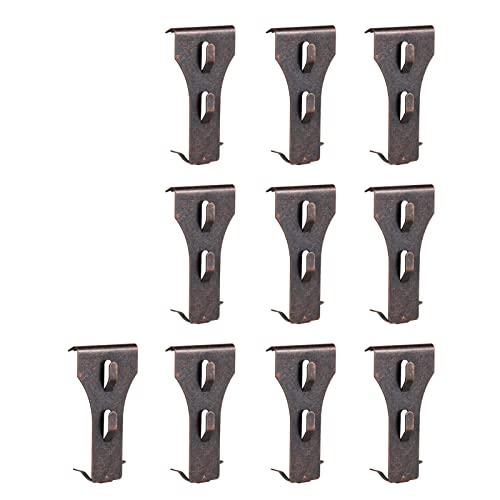
Brick clips are another clever option. These are metal clips. They are designed to slide onto the edge of a brick.
They fit into the gap between bricks. This gap is where the mortar is. The clip then sticks out.
You can hang things from this clip. They don’t require any adhesive or drilling into the brick face itself. This is a big advantage.
There are different types of brick clips. Some are simple hooks. Others have a small platform.
You can get them in various sizes. Make sure you buy clips that fit your brick’s mortar lines. The thickness of the mortar joint is important.
Measure it before you buy. The clip needs to grip the brick securely.
These clips are excellent for hanging lighter items. Think about holiday decorations. You can use them for small signs.
Or even lightweight planters. They are very easy to install. You just push them into place.
And they are easy to remove. This makes them ideal for temporary decorations. Or if you move frequently.
The weight capacity of brick clips varies. Always check the product details. They are generally good for items up to a few pounds.
If you need to hang something heavier, you’ll need a different method. They work best on standard brick patterns. Some irregular or very old brickwork might not accommodate them well.
They don’t mar the brick surface at all. This is a huge plus.
I’ve used these for outdoor Christmas lights. They worked wonderfully. I just clipped them along the brick edges of my house.
It saved me from drilling any holes. And when Christmas was over, I just took them down. The brick looked exactly the same.
Brick Clip Styles
Simple Hook Clips: These are basic L-shaped or J-shaped metal pieces. They slide onto the brick and offer a hook to hang from.
Platform Clips: These have a small flat surface. You can place lighter items on them. Or they might have a hook as well.
Adjustable Clips: Some clips are designed to adjust to slightly different mortar joint widths.
3. Using Mortar Repair Products with Hooks
This method is a bit more involved. But it still avoids drilling into the brick face. Some people use specialized mortar repair products.
These products can be applied to the mortar joints. They can sometimes hold small anchors or hooks. You would typically use a repair epoxy or a strong mortar patch.
You mix it according to the instructions.
Then, you apply it to the mortar joint. While it’s still wet or pliable, you embed a small hook or anchor. You need to let this cure completely.
This can take a day or more. The hook then becomes quite secure. It’s anchored into the mortar.
This is stronger than just an adhesive hook on the brick face. But it’s not as strong as drilling into the brick itself.
This method is good for medium-weight items. Things like small shelves or heavier decorations. You need to be careful.
The mortar must be in good condition. If the mortar is crumbling, this won’t work well. You also need to ensure you use products that are safe for masonry.
Some chemicals can damage brick or mortar over time.
When removing these, you might need to cut away the excess repair material. It can leave a slight mark. But it’s usually less noticeable than a drilled hole.
It’s a good compromise. You get a stronger hold. But you don’t damage the main brick surface.
I saw a friend do this in her kitchen. She wanted to hang some utensil racks. The mortar was solid.
She used a strong epoxy putty. She embedded small screw-in hooks. They held up beautifully.
It looked neat and tidy. It wasn’t a direct drilling into the brick.
Mortar Repair Method: Quick Scan
| Best For: | Medium-weight items, small shelves. |
| Requires: | Mortar repair product, hook/anchor, time to cure. |
| Pros: | Stronger hold than basic adhesives, no brick face drilling. |
| Cons: | More effort, needs good mortar, may leave slight mark on removal. |
4. Tension Rods and Shelving
This isn’t for hanging things on the wall itself. But it’s a great way to add storage or display space within brick openings. If you have alcoves or spaces between brickwork, a tension rod can be useful.
You can put a rod across the opening. Then hang curtains from it. Or you can place small shelves on the rod.
Tension rods work by expanding. They push against the two opposite walls. They create pressure.
This pressure holds the rod in place. You don’t need any tools. They are very easy to install and remove.
They are perfect for renters. Or for temporary solutions.
You can find tension rods in various sizes. Make sure to measure your opening accurately. The rod needs to fit snugly.
They are best for lighter items. Like small plants, books, or decorative objects. They won’t support heavy loads.
But they can add a lot of function to an awkward space.
This method is wonderful for renters. Or for those who love to change their decor often. You can place a tension rod in a window niche.
Or in a space between two brick piers. It’s a simple way to add a shelf. Or to hang a light curtain.
Without any mark on the brick.
I used a tension rod in my bathroom. There was a small space next to the shower. It was just brick.
I put a rod in. I hung a little mesh basket on it. It was perfect for holding my soap and shampoo.
It looked like it belonged there.
Tension Rod Use Cases
- Niche Shelving: Add shelves in alcoves or between brick piers.
- Curtain Hangers: Hang lightweight curtains in window reveals.
- Room Dividers: Use in doorways for temporary fabric dividers.
- Temporary Storage: Great for kitchens, bathrooms, or closets.
5. Specialized Brick Hangers
There are some newer products on the market. These are specifically designed for brick. They often look like a bracket.
But they have a unique design. They are made to grip the brick. Some use a lever action.
Others use a screw-like mechanism that bites into the mortar. You need to research these carefully.
These can be stronger than simple clips. Some are designed for heavier items. They often require a bit more force to install.
But they still avoid drilling into the brick face. They rely on the strength of the brick itself and the mortar. You must read the instructions.
And understand how they work.
The key is that they distribute the weight. They don’t put all the stress on one point. This makes them more stable.
They are a good option if you need a bit more strength. But you’re still trying to avoid drilling. Always check the weight limits.
And the type of brick they are designed for.
I’ve seen some of these for hanging heavy outdoor lights. Or for garden tools on a brick shed. They look quite robust.
But they can be more expensive. And you need to make sure they are suitable for your specific brick type.
Specialized Brick Hanger Insight
Concept: These hangers are engineered to grip brickwork without drilling.
How they work: They often use mechanical advantage or specialized shapes to hold onto the brick and mortar.
Consider when: You need a stronger hold than basic clips but want to avoid drilling.
Check: Always verify compatibility with your brick type and the weight capacity.
Real-World Context and Scenarios
Let’s think about where and why you might need these methods. Brick walls are common in many homes. Especially older homes.
They can be interior walls. Or they can be exterior walls of a house or shed. The condition of the brick is a major factor.
Is it new, smooth brick? Or is it old, weathered brick?
Interior Brick Walls: These are often decorative. You might have a brick accent wall. Or a full brick fireplace surround.
For these, preserving the look is key. You don’t want unsightly holes. Adhesive hooks and clips are great here.
They are easy to use and don’t leave marks. They are perfect for hanging photos, mirrors, or small art pieces.
Exterior Brick Walls: Here, you might want to hang seasonal decorations. Like wreaths on your front door. Or string lights for a party.
Or even a house number. For these, durability matters. You need something that can withstand weather.
Some strong adhesive hooks are rated for outdoor use. Brick clips can also work well for hanging lights or small banners. Make sure whatever you use is weather-resistant.
Brick Fireplaces: These are often a focal point. You might want to hang stockings at Christmas. Or a garland.
Drilling into a firebrick is usually not a good idea. It can weaken the brick. And it looks bad.
Strong adhesives or small, discrete brick clips are best. Be very mindful of heat. Don’t hang anything flammable too close.
Renters: If you rent your home, especially one with brick. Avoiding damage is paramount. Drilling is usually out of the question.
So, adhesive products and brick clips are your best friends. They allow you to personalize your space. Without risking your security deposit.
DIY Projects: Sometimes you want to create a gallery wall. Or add practical storage. Like a spice rack in the kitchen.
Or a tool organizer in the garage. If the wall is brick, these no-drill methods are essential. They offer flexibility.
You can move things around easily.
What This Means for You
Knowing these methods can be a game-changer. You no longer have to feel stuck. You can decorate your brick walls.
You can organize your space. All without needing special tools. Or making permanent changes.
When is it Normal? It’s perfectly normal to want to hang things on your brick walls. And it’s normal to want to do it easily. Many people face this.
They want to make their house a home. Or their apartment feel personal.
When to Worry: You should worry if you’re trying to hang something very heavy. Like a large TV. Or a heavy bookshelf.
Most no-drill methods have weight limits. If you exceed these, the item could fall. This could damage the item.
Or the wall. Or cause injury. Always err on the side of caution.
Also, worry if your brick is in bad shape. If it’s crumbling. Or the mortar is weak.
No adhesive or clip will hold well. In that case, you might need to repair the brick first. Or consult a professional.
For very heavy items, drilling might be the only safe option. But for most everyday items, there are good alternatives.
Simple Checks: Before you choose a method, do a few checks. What is the item’s weight? What is the condition of your brick?
Is the surface clean? What is the product’s weight limit? Is it rated for indoor or outdoor use?
Answering these questions helps you pick the right solution. And ensures your item stays put safely.
Quick Fixes and Tips
Here are some quick tips to make your hanging successful. These small things can make a big difference.
- Cleanliness is Key: I can’t stress this enough. Dust and grime are the enemy of adhesion.
- Patience Pays Off: Let adhesives cure fully. Don’t rush to hang the item.
- Use a Level: Even with hooks, make sure your item is straight. Use a small level.
- Test the Grip: Before fully loading a hook or clip, give it a gentle tug. Ensure it feels secure.
- Consider the Surface: Very rough or uneven brick might need a stronger adhesive. Or a different method.
- Read Reviews: See what other people say about specific products. Especially for brick surfaces.
- Save the Packaging: Keep the instructions and any removal guides.
Quick Fixes Summary
Rule 1: Pristine Surface = Strong Hold.
Rule 2: Waiting Time = Ultimate Security.
Rule 3: Straight and Level = Best Look.
Rule 4: Gentle Tug = Confidence Check.
Rule 5: Know Your Brick = Smart Choice.
Frequently Asked Questions
Can I hang a heavy mirror on brick without drilling?
Hanging a heavy mirror on brick without drilling is challenging. Most adhesive hooks and clips are not strong enough for very heavy items. You might need to look into specialized brick hangers designed for higher weight capacities.
Always check the maximum weight limit of any product very carefully. For extremely heavy mirrors, professional installation or drilling might be the safest option.
Will adhesive hooks damage my brick walls?
When removed correctly, strong adhesive hooks should not damage your brick walls. Most reputable brands provide instructions for damage-free removal. This often involves pulling a tab slowly and steadily.
However, if the brick is very old or crumbly, there’s a small risk of surface damage. Testing in an inconspicuous area first is a good idea.
What is the best way to hang a wreath on a brick exterior?
For a brick exterior, brick clips or outdoor-rated adhesive hooks are excellent for hanging a wreath. Brick clips slide onto the mortar lines and provide a sturdy hook. Outdoor adhesive hooks are designed to withstand weather conditions.
Ensure the surface is clean and dry before applying any adhesive. Always check the weight limit for your wreath.
How do I know if my brick is strong enough for hanging methods?
Test the brick by gently pressing a fingernail into the surface. If it crumbles easily, the brick is likely weak. The mortar should also be firm.
If the mortar is powdery or falling out, it won’t hold anything well. For weak brick or mortar, you might need to consider repair first, or stick to very light items with adhesive strips.
Can I use command strips on brick?
Yes, many Command Strips are designed to work on various textured surfaces, including brick. You must select the correct type of Command Strip, often labeled for “heavy duty” or textured surfaces. It is crucial to clean the brick surface thoroughly with rubbing alcohol and let it dry completely.
Then, apply the strip and follow the weight limits and waiting instructions precisely.
What if the brick surface is painted?
If your brick is painted, it changes things slightly. Adhesives may stick to the paint rather than the brick. This can cause the paint to peel off when you remove the hook or strip.
For painted brick, you might find success with specific painter’s tape-compatible adhesives or by using brick clips that don’t touch the painted surface at all. Always test in a hidden spot.
Conclusion
Hanging things on brick walls without drilling is entirely possible. You have many options. From simple adhesive hooks to specialized clips.
These methods let you decorate and organize. They keep your brick walls looking great. Choose the method that fits your item’s weight.
And your brick’s condition. Enjoy making your space your own!
Sponsored / affiliate links. As an Amazon Associate I earn from qualifying purchases. I may earn additional commission from eligible campaigns.