How to Remove Window Insulation Film Without Damaging Paint
Start by testing a corner, then soften the adhesive with low heat or a damp cloth, and lift the film only after it releases cleanly. If paint lifts on the first try, stop and switch to a safer method. Rushing can peel paint, leave glue on trim, or tear flakes from old wood and metal frames. This guide shows the safest removal order for painted trim, plus decision rules for wood, vinyl, aluminum, and painted metal. Check the insulation film kit manufacturer’s instructions before you begin, since adhesive types and removal guidance can vary.
Paint-safe removal checklist


Use the frame condition to choose the path before you start. Fresh paint needs the most caution and should be fully cured before removal. Older cured paint can usually take moderate heat and light lifting. Failing or chalky paint should get almost no pulling force at all. Wood, vinyl, aluminum, and painted metal can all behave differently, so use the most fragile surface as your limit.
| Paint condition | What to do first | Heat limit | When to stop |
|---|---|---|---|
| Fresh paint | Test a hidden corner with a 2 to 3 inch tape strip | Low heat only | Any edge lift, softening, or tacky finish |
| Older cured paint | Warm the tape edge, then lift with a plastic scraper | Low to moderate heat | Paint haze, flaking at corners, or stubborn residue |
| Failing or chalky paint | Minimize pulling; release the film in short sections | Gentle warm air only | Any paint transfer or loose chips |
- Fresh paint path: test first, then remove only if the paint stays tight at the edge.
- Older cured paint path: use gentle heat, lift slowly, and keep the scraper flat.
- Failing or chalky paint path: avoid force, shorten the peel length, and plan on more residue cleanup.
Double-sided mounting tape can still lift paint, especially on fresh, weak, or poorly cured coatings. Moisture, grease, and cold surfaces change that bond. If a test strip pulls paint or the edge starts to soften, stop and let the paint cure further or switch to a safer method.
What you’ll need
- Hair dryer or another gentle warm air source
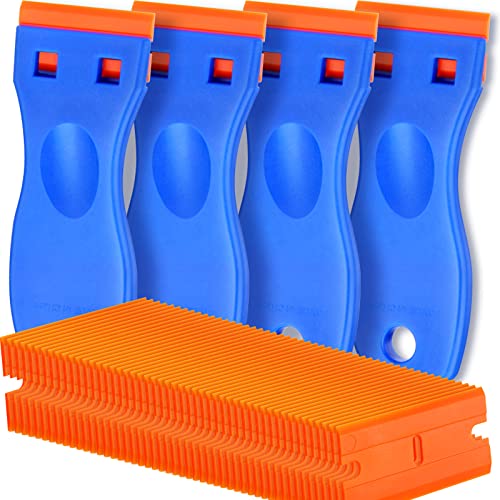
- Plastic scraper
- Microfiber cloths
- Isopropyl alcohol or another finish-safe residue remover
- Painter’s tape for staging or holding loose film
- Gloves
- Trash bag for film scraps
A clean, dry frame releases more cleanly than one with dust or grease. For greasy spots, methylated spirits, white spirit, or rubbing alcohol can help before you begin, but keep liquid off weak paint and dry the surface after cleaning.
How do you know the paint can handle tape?
Test a hidden spot first, since painted window trim is often a higher-risk surface and edges may fail before flat areas do. If the tape pulls off easily, moisture or grease may be on the frame, or the paint may be too weak for normal removal force. Fresh paint should be left alone until it has cured enough to resist a small test without lifting.
Test the edge
- Press a 2 to 3 inch piece of the same tape onto a hidden section of trim.
- Wait a few minutes, then lift one end slowly.
- Watch the paint edge, not just the tape.
Check for weak paint
- Run a fingertip over the corner and look for chalking, chips, or soft edges.
- If the surface powders, flakes, or lifts, move to the failing-paint path.
- If the paint stays tight, continue with low heat.
Suppose a 2-foot-wide window has clean glass but the casing shows tiny chips at the lower corner. That corner decides the method, not the glass. Use the most fragile spot as your limit.
Remove the film in order
Work from the taped edge, not from the center of the sheet. The film is thin and easily damaged by hard objects, so a plastic scraper is safer than metal on painted trim and reduces gouging near corners.
- Warm the taped edge with a hair dryer on low or moderate heat.
- Hold the nozzle moving so one spot does not overheat paint or glazing putty.
- Lift one corner with a plastic scraper.
- Peel slowly while supporting the film with your other hand.
- Pull in a slow diagonal from one corner to the other, not straight away from the window.
- Stop and rewarm if the tape resists.
If a section stretches, reduce the pull length and rewarm the next 6 to 12 inches instead of forcing the whole strip. A common first-timer mistake is trying to remove an entire pane in one pull, which usually leaves more residue on the frame.
When should you switch from heat to solvent?
Use heat for the first pass. Switch when the adhesive stays stuck after softening, or when the film lifts but leaves a tacky line on painted trim. Solvent should come after heat and only after a patch test, because finish-safe is not the same as finish-proof.
Heat first
- Warm the bonded edge again for 10 to 20 seconds.
- Try the plastic scraper at a fresh corner.
- If the adhesive moves, keep peeling before adding solvent.
Patch-test solvent
- Choose a hidden section of trim.
- Apply a drop of isopropyl alcohol to a microfiber cloth, not directly to the frame.
- Wipe once and wait for discoloration, dulling, or soft paint.
For cold metal frames, moisture can condense quickly and change tape release. Dry the frame before trying again, especially on aluminum or painted metal where cold surfaces can make the bond uneven.
Window film residue remover guide
What removes window film adhesive from painted trim? Start with the mildest cleaner that passes a patch test. Isopropyl alcohol is the usual first choice for remaining adhesive residue, and a residue-free solvent such as methylated spirits, white spirit, or rubbing alcohol can follow only if the finish stays unchanged.
- Put a few drops of isopropyl alcohol on a cloth.
- Press the cloth on the residue for 10 to 15 seconds.
- Wipe the softened adhesive in one direction.
- Repeat on 2 to 3 inch sections, then stop and inspect the paint.
- Dry the trim with a clean cloth before moving on.
If residue stays after alcohol, move to a finish-safe solvent only after another patch test. Do not soak the frame. Excess liquid can creep under weak paint and make a small cleanup turn into a larger repair.
Common mistakes
The worst damage usually comes from force, heat, or the wrong tool. Stop-doing-this rules matter more than speed here.
- Pulling the film too fast: this can yank weak paint from corners and trim edges.
- Using metal blades on painted trim: they can gouge the surface and catch loose flakes.
- Overheating paint or putty: keep heat low to moderate and keep the dryer moving.
- Soaking the frame with solvent: patch-test first and wipe only small sections.
- Ignoring weak paint at corners: those edges usually fail before the flat field does.
Will window film damage painted wood trim when removed? It can, especially if the paint is already weak, the tape is strong, or the corner was not tested first. Stronger bond does not mean safer removal.
If that didn’t work, try this next
If the film tears before the adhesive releases, move back one step and add more heat rather than more force. If the paint lifts, stop immediately and switch to a gentler cleanup path for the remaining adhesive.
- Rewarm the last bonded section for 10 seconds.
- Slip the plastic scraper under the edge again.
- Peel 1 to 2 inches, then stop and recheck the trim.
- If the adhesive still holds, patch-test isopropyl alcohol on the frame and wipe the residue only.
- If the paint still softens or lifts, leave the remaining tape in place until you can remove it with a lower-risk method.
Picture a painted pine casing with a taped winter film and a brittle lower corner. A slow diagonal peel works on the flat side, but the corner starts to chip. That corner means stop, warm the adhesive again, and remove the rest in shorter sections.
Frequently asked questions
How do I remove window insulation film without peeling off paint?
Test the paint first, then warm the tape edge and lift the film with a plastic scraper instead of a metal blade. Peel slowly in a diagonal line and stop if the paint starts to lift. Fresh paint and chalky paint need the most caution.
What removes window film adhesive from painted trim?
Isopropyl alcohol is the first cleaner to try on painted trim, but only after a patch test on a hidden spot. Wipe in small sections with a microfiber cloth, then dry the surface right away. If the finish dulls or softens, stop using that cleaner.
Can I use a hair dryer to take off window insulation film?
Yes. A hair dryer on low or moderate heat can soften the adhesive enough to release the film without forcing it. Keep the nozzle moving and avoid overheating paint or glazing putty. Heat helps most when the tape is still bonded but not brittle.
How do I remove double-sided tape residue from window frames?
Start with a patch-tested cloth dampened with isopropyl alcohol, then wipe residue in short passes. If the adhesive stays, move to a finish-safe solvent only after another test on a hidden area. Do not pour solvent directly onto painted trim or leave it sitting there.
Will window film damage painted wood trim when removed?
It can, especially if the paint is old, weak, or chalky at the edges. The risk rises when the tape bond is strong or the film is pulled too fast. Testing a hidden corner first gives you the clearest warning before you pull on the visible trim.
What is the safest way to get window film off old paint?
Use the least force possible: gentle heat, a plastic scraper, and short peel lengths. Old paint fails first at corners, so those spots should control the method. If the finish starts to powder, chip, or transfer, stop and clean only the loose residue.
Should I use heat or solvent to remove window film?
Use heat first, because it softens the adhesive without wetting the finish. Switch to solvent only when the bond stays sticky after warming, and patch-test before wiping painted trim. That order lowers the chance of dulling, staining, or softening the paint.
How do I know if my window frame paint is too delicate for tape?
Apply a small test piece of the same tape to a hidden spot and lift it slowly. If the tape pulls off easily, moisture or grease may be on the frame. If paint comes with it, or the edge looks chalky, the surface is too delicate for normal removal force.
Sponsored / affiliate links. As an Amazon Associate I earn from qualifying purchases. I may earn additional commission from eligible campaigns.