Why Does My Window Whistle When the Wind Blows?
A window whistles when wind slips through a tiny air gap, a loose sash or hardware, or a failed seal. Start with the frame edges, latch, and weatherstripping. If you ignore it, heated or cooled air escapes, bills rise, and moisture can reach trim or drywall. This guide shows how to tell which cause you have and which fix fits.
Distinguishing whistling from rattling
Whistling usually points to a small air leak under pressure, not a broad open gap. Wind moving across the outside of the house can force air through a narrow opening at the sash, frame, glazing edge, lock, meeting rail, or trim, and that tight passage creates the sound.
Why gusts make the sound louder
Gusty conditions can increase pressure on the outside face of the window, which can make the whistle louder. A small opening can whistle more than a bigger one because the air speeds up as it passes through the narrow spot. That is why the noise often comes and goes with wind direction.
How whistling differs from rattling
Rattling means parts are moving against each other. Whistling means air is moving through a gap. A loose sash, worn balance hardware, or stops that do not hold the sash firmly can rattle, and a poor seal or misaligned lock can also whistle. A window can do both at once.
Window whistle diagnosis matrix

Use this table to match the sound to the likely source before you buy materials. The goal is to separate a fixed air leak from a moving part problem, because the repair is different in each case. For a sharper diagnosis, note where the sound is loudest, whether the lock position changes it, whether pressing on the trim changes it, and whether you can see fogging between panes.
| Symptom | Likely cause | Quick test | Best fix | When to call a pro |
|---|---|---|---|---|
| Whistle at the edge of the frame | Frame gap or failed exterior seal | Hold a hand or incense near the perimeter on a windy day | Caulk fixed joints or use low-expansion window-and-door foam at deeper perimeter gaps | Gap is large, irregular, or shows water damage |
| Whistle near the moving sash | Sash gap or worn weatherstripping | Close and latch the window, then feel for air at the sash edge | Replace weatherstripping with the correct type and size | Sash will not sit square or feels hard to move |
| Whistle stops when the lock is tightened | Lock misalignment | Check whether the latch pulls the meeting rail tight | Adjust or replace the lock so the sash compresses evenly | Hardware is bent, stripped, or the frame is out of square |
| Whistle plus loose trim movement | Loose trim or stop molding | Press on the trim while listening for the noise to change | Refasten trim, then seal only fixed seams | Trim is damaged, soft, or tied to hidden rot |
| Fogging between panes with wind noise | Failed insulated glazing unit | Look for condensation or haze between the panes, not on the room side | Replace the insulated glazing unit or sash assembly | The seal has failed and moisture is inside the glass unit |
How to use the matrix
Start with where you hear the noise, then check whether the part moves. A fixed joint points to seal failure. A moving part points to sash fit, weatherstripping, or hardware alignment. If the sound changes when you press on trim or tighten the lock, the leak is likely local and narrow. If the whistle seems to start at the meeting rail, pay close attention to the point where the upper and lower sashes overlap, because that seam often leaks before the rest of the frame does.
When the fix is beyond a DIY repair
Call a pro when the sash binds, the frame is out of square, the insulated glazing unit has failed, or the opening shows damage that keeps sealant from bonding. A repair is also worth a call when the whistle comes with visible water staining, soft wood, or repeated failure after a basic seal repair.
How do you find the leak source?
To localize a whistling window, start with simple airflow checks, then narrow the spot with smoke or incense. The best clues show up on a windy day, when the pressure difference is strongest and the leak is easier to trace.
Try a hand-draft check first
Close and latch the window, then move your hand slowly around the frame, sash edges, lock area, and trim. A cold or moving stream of air often marks the leak. Work one section at a time so you can tell whether the sound comes from the top, side, or bottom. If the whistle gets quieter when you press the trim or the sash inward, that is a strong sign the opening is narrow and localized.
Use air leak testing to trace airflow
Smoke gives you a visible path. Hold it near the suspected gap and watch whether the plume bends, flutters, or gets pulled in. Use a small amount and keep it away from curtains, blinds, and detectors. Incense works well because a faint stream makes airflow changes easy to see. This kind of air leak testing is useful because it shows exactly where the draft enters instead of guessing from the loudest spot alone.
Check the sash and meeting rail
On double-hung and similar windows, the sash edges and the meeting rail are common leak points because they have to seal while still moving. Check whether one sash sits proud of the other, whether the latch pulls the rails together evenly, and whether the sound changes when you shift the lock position. A whistle that appears only when the upper sash is partway open or the lower sash is raised may point to the meeting rail rather than the perimeter frame.
Test on a windy day for the best clues
Still air can hide a minor leak. Wind pressure exposes it. If the whistle appears only in gusts, that is another sign of a small-gap problem rather than a loose, open crack. Picture a second-floor bedroom window that is quiet most of the day, then starts singing when a front blows through; that pattern usually points to a narrow leak at the sash or frame edge.
What fix matches the cause?
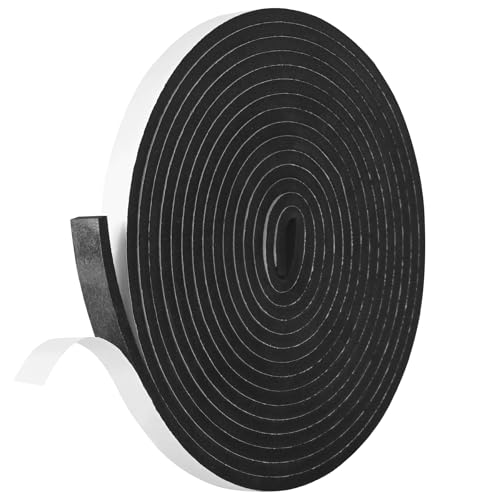
Match the repair to the part that is moving or fixed. Weatherstripping belongs on moving parts. Caulk belongs on fixed joints. Low-expansion window-and-door foam is generally used for deeper perimeter gaps and should not contact moving sash parts. That order keeps you from sealing the wrong place.
Replace or add weatherstripping
Weatherstripping works best where the sash closes against a frame or meeting rail. Foam types seal quickly but wear faster. V-strip works well along sliding or hinged edges. Felt is light-duty and best for low-friction spots. Bulb weatherstripping handles compression well at points where the sash presses shut.
Compression matters. If the material is too thin, air still passes. If it is too thick, the sash may not close or lock correctly. Many manufacturers suggest checking weatherstripping more often on frequently used windows and replacing it when it no longer springs back or fills the gap evenly.
Use caulk or low-expansion foam in the right place
Caulk is for fixed joints such as the gap between trim and wall, or exterior trim and frame where movement is limited. Use paintable sealant where you plan to finish over it. Use exterior-rated sealant outside and interior-rated sealant inside, because exposure and cleanup needs are different.
For deeper perimeter gaps, low-expansion window-and-door foam can fill the void around the frame. It is made for that job. It should not touch moving sash parts, tracks, or the places that need to flex. Standard expanding foam can push too hard and distort trim or jam the frame if the product is not the low-expansion type.
Adjust locks, sash fit, or trim
If the whistle stops when the lock pulls tighter, the hardware may be out of alignment. If the sash rattles as well as whistles, the problem may be loose stops, worn balance hardware, or a sash that no longer fits the opening well. Tightening or replacing the hardware can restore compression where sealant alone will not help.
Suppose a double-hung window whistles only when the upper sash is lowered two inches. That points to the meeting rail or lock line, not the full frame. In that case, weatherstripping and a latch adjustment are more useful than caulk.
Know when a storm window or glazing repair makes more sense
A storm window can improve air sealing over an older leaky unit. Interior and exterior storm windows both create an extra air barrier, and they can outperform film when the goal is reducing wind-driven leakage rather than only adding a thin layer. Film is lighter, but it does less when the main problem is a poor-fitting window assembly. A storm window is often a stopgap when the base window is still sound but drafty; full replacement makes more sense when the frame is damaged, the sash no longer fits, or the insulated glass seal has failed and the unit keeps fogging between panes.
If the insulated glazing unit has failed, replacement is usually the better call than resealing the edge from the outside. Fogging or condensation between panes means the edge seal has failed. That problem is inside the glass unit, so a surface sealant will not restore the insulating space.
Should you caulk a whistling window?
Sometimes. Caulk can stop a whistle if the noise comes from a fixed joint, but it should not be used on moving parts or places that need a flexible seal. If the gap is at trim, frame-to-wall seams, or another stationary joint, caulk can be the right repair. If the gap belongs to the sash, use weatherstripping instead.
Interior versus exterior sealant
Interior caulk is usually chosen for appearance, cleanup, and paintability. Exterior sealant needs to handle weather exposure and movement. The material label matters more than the color. A sealant that looks neat indoors may not hold up outside where sun and water break it down faster.
Where not to caulk movable joints
Do not caulk the sash track, balance path, lock area, or any joint that must open and close. Sealant in those spots can glue parts together or stop the window from latching. If the window needs to move, it needs weatherstripping or hardware correction, not a rigid bead of caulk.
Cold-weather limits for caulk and foam
Cold conditions can reduce adhesion and slow cure time. Read the product label before you start, because many sealants have a minimum application temperature. The same caution applies to low-expansion foam. Cold surfaces can keep the product from bonding well, and damp surfaces can weaken the seal.
What if you rent the home?
Renters usually need temporary fixes that do not alter the window assembly. That changes the repair plan. Focus on removable weatherstripping, draft guards, and temporary sealing methods that can come off cleanly. Save permanent caulk or foam for work a landlord approves.
Temporary fixes that do not alter the window
Use removable weatherstripping, a storm window insert if allowed, or a temporary draft blocker for immediate relief. These options can reduce noise and air movement without changing the frame. They are often the right choice for a rental where you need the window restored later.
Repairs to ask a landlord about
Ask for repairs when the whistle comes from a damaged frame, failed glazing seal, broken lock, or a sash that no longer closes squarely. Those are not cosmetic issues. They can affect comfort, energy use, and moisture control, and they usually need a durable repair rather than a temporary patch.
When a pro repair is worth the call
If the landlord approves the work, a pro is worth calling when the window needs re-glazing, hardware adjustment, trim repair, or a full sash replacement. A narrow whistle can turn into a larger air leak if the underlying fit problem stays unresolved.
Step-by-step diagnosis checklist
Once you know the source, use the narrowest fix that matches the part. That approach is faster, cleaner, and more durable than covering every seam at random. It also helps you decide whether the job is a quick seal repair or a window repair issue.
- Find the spot where the whistle starts.
- Check whether the part moves when you press on it.
- Confirm the airflow with a hand check or smoke test.
- Repair the fixed joint with caulk or foam, or the moving joint with weatherstripping or hardware adjustment.
- Recheck on a windy day to confirm the sound is gone.
Frequently asked questions
Why does my window whistle when the wind blows?
A window whistles when wind passes through a tiny air leak and creates a pressure-driven sound. The leak may be at the sash, frame, glazing edge, trim, or lock line. Gusts make it louder because the pressure difference grows, which pushes more air through the narrow opening.
Is a whistling window a sign of an air leak?
Yes. A whistle is one of the clearest clues that air is moving through a small gap. It is often stronger in gusty weather and may be worse than a simple draft because the opening is narrow enough to create sound. That makes it a diagnosis clue, not just a comfort issue.
Can window seals cause whistling noises?
Yes. Failed seals at glazing edges, trim joints, or the frame can whistle if the opening is small enough. A failed insulated glazing unit can also show fogging or condensation between panes, which points to edge-seal failure. In that case, replacement is usually better than resealing the outside.
How do I stop wind whistling through a window?
Find the leak first, then match the fix. Use weatherstripping on moving sash edges, caulk on fixed trim or frame joints, and low-expansion foam only at deeper perimeter gaps. If the lock is not pulling the sash tight, adjust the hardware before sealing the wrong place.
Should I caulk a window that whistles in the wind?
Only if the whistle comes from a fixed joint. Do not caulk sash tracks, locks, or other moving parts. Use paintable sealant where finishing matters, and check application temperature in cold weather. A caulk bead can help a frame gap, but it will not solve a loose sash.
When should I call a window repair pro for a whistling window?
Call a pro when the sash binds, the frame is out of square, the trim is damaged, or the insulated glazing unit has failed. Also call if the whistle stays after a correct seal repair, or if you see water staining, soft wood, or persistent condensation between panes.
Why does the wind whistle through my window?
Wind whistles through a window when a small opening speeds up airflow and turns pressure into noise. That can happen at a frame gap, sash gap, or failed seal. The sound is often louder on gusty days because the pressure pulse is stronger and easier to hear.
What makes the wind whistle?
A whistle can happen when a small opening creates a pressure-driven sound as air moves through it. The same word is used in other settings too. In rugby, a whistle may be blown for an infringement; advantage being played, a forward pass or knock-on, failure to release player or ball, and failure to roll away can all trigger it, and match official signals are available on the laws website.
Why is my window whistling when it is windy?
Windy weather increases pressure on the outside face of the window, which makes a narrow leak louder. If the noise changes when you press the lock, trim, or sash, that tells you which part is loose or out of fit. The repair should match that part, not the whole window at random.
Sponsored / affiliate links. As an Amazon Associate I earn from qualifying purchases. I may earn additional commission from eligible campaigns.