Should You Remove Window Air Conditioners in Winter?
Remove a window AC before winter if it is not a heat pump and freezing weather is expected. Leave it installed only when removal is unsafe, impractical, or required by the building, and you can seal and support it well. Poor winter prep can let cold air in through gaps, allow water into the cabinet, and push heating costs up. This guide explains when to take it out, when to keep it in place, and how to winterize either way.
Window AC winter decision table
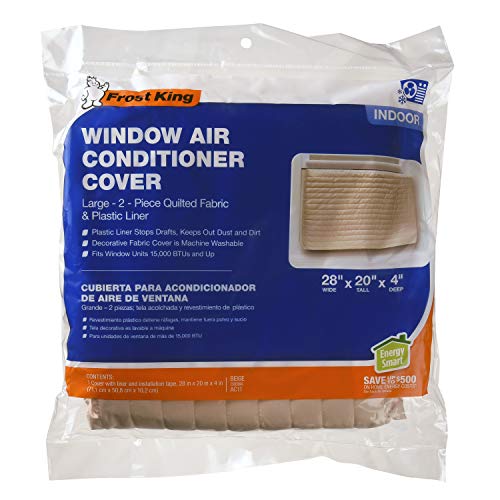
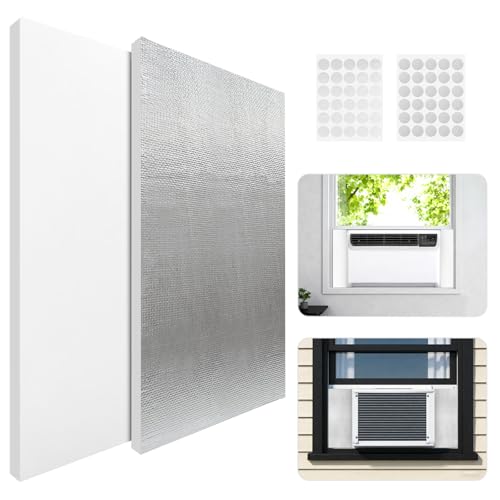
Use this table first. It separates the common winter situations that get treated the same in many guides, even though the right move changes with climate, access, and seal quality.
| Scenario | Recommended action | Main risk | Minimum winterization steps |
|---|---|---|---|
| Mild climate with little or no freezing | Leaving it installed can be acceptable if the fit is tight. | Drafts and some heat loss through gaps around the chassis and side panels. | Dry the unit, add foam insulation strips at the perimeter, seal visible gaps with removable caulk, and use a proper weatherproof exterior cover. |
| Snowy or freezing climate | Remove it before the first freeze if you can do so safely. | Freeze-thaw damage, snow or ice intrusion, and spring-start problems. | Remove, clean, dry, store upright in a dry place, and close the window opening securely. |
| Upper-floor unit that is hard to remove | Leaving it installed is often the safer practical choice. | Unsafe handling during removal and possible damage to the window or unit. | Dry it fully, seal around the frame, add a weatherproof cover that does not hold moisture, and check that the unit is supported correctly. |
| Drafty or poorly sealed installation | Remove it if possible; if not, winterize aggressively. | Cold air leak, warm air loss, odor, moisture intrusion, and higher heating bills. | Seal the gaps with foam insulation strips and removable caulk, then use a dry exterior cover that is not a plastic bag or tarp. |
Should you remove a window AC in winter?
Yes, remove a window AC before winter if you can do it safely, especially in areas with repeated freezing. A window air conditioner sits in a window opening, often with gaps or accordion side panels, so it can admit drafts when left in place. Snow, ice, and repeated freeze-thaw cycles can damage the unit.
The practical answer for most homes
If you expect sub-freezing temperatures, removal is the better default. To take the unit out before the first freeze of the year. That advice is straightforward because winter exposure can affect coils, seals, lubricants, and the casing, and it can also create a weak point in the window opening if the unit is left in place.
When removal is the better call
Choose removal when you have a snowy or freezing climate, a unit on a first floor where security matters, or a unit that already leaks air around the sides. Leaving it installed can let cold air leak in and warm air leak out, which hurts comfort and can raise heating costs. Water, snow, and ice intrusion are also part of the risk.
When leaving it installed is acceptable
Leaving it in place is reasonable when winters are mild, the unit is hard to reach, or a landlord or HOA controls the window setup. In those cases, the goal changes from removal to damage control: dry the unit, seal the gaps, and use a weatherproof exterior cover that does not hold moisture.
Say your apartment is on the fifth floor and the unit is bolted into a deep sill. Removal may be the riskier choice. The safer plan is usually to leave it installed, seal the perimeter, and confirm that the outside face is covered without trapping condensation.
What happens if you leave it in all winter?
Leaving a window AC in all winter can cause drafts, moisture problems, and hardware stress. In a mild climate, the damage may be limited to comfort loss and some extra heating cost. In a freezing climate, the unit can face snow, ice, and repeated expansion and contraction that work against the case, seals, and internal parts.
Drafts and heat loss through gaps
A window AC usually does not seal like a permanent window insert. Gaps around the frame and side panels can let cold air in and warm air out. Heatingnewsjournal lists heat loss and higher energy bills as a risk, and it also notes stress on the window frame. Even small openings can make the room feel cold near the window.
Freeze-thaw damage to parts
Freeze-thaw cycles matter when temperatures swing above and below freezing. Water can enter the cabinet, then expand as it freezes. Lifehacker warns that heavy snow can bend and warp the unit and that freeze-thaw cycles can damage internal workings. Coils, fasteners, and lubricants are all exposed to that kind of seasonal stress.
Moisture, mold, and odor risk
Moisture is the real driver here. If you cover a damp unit, trapped moisture can lead to mold growth and produce a stale smell by spring. It is commonly advised not to cover a wet unit, since trapped moisture can lead to mold or odor. A damp, closed enclosure can also leave corrosion on metal parts and grime on the filter path.
Spring-start problems to watch
When winter exposure goes wrong, the trouble often shows up on restart. Watch for odor, corrosion, icing, rattling, electrical issues, or a unit that will not start cleanly. Picture a 10,000 BTU unit left through a wet winter with no seal around the side panels: the first spring startup may bring a musty smell, weak airflow, or tripped protection.
When is it safe to leave a window AC installed?
It is safest to leave a window AC installed only when the climate is mild, the unit is hard or unsafe to remove, or outside rules limit your options. Even then, the unit should be dry, supported, and sealed at the perimeter. If the installation is already loose or drafty, removal is usually the cleaner fix.
Mild winter climate
Quality Home Air Care says leaving the unit installed can be acceptable in mild winters. That makes sense when freezing is rare and snowfall is minimal. The unit still needs basic sealing, because even a mild winter can bring cold drafts through the chassis and side panels.
Units that are hard or unsafe to remove
Upper-floor units, oversized units, or installations that require awkward lifting can make removal unsafe. In that case, leaving the unit in place may be the safer practical choice. The priority becomes reducing exposure: keep water out, keep drafts down, and make sure the cover does not hold moisture.
Rental, HOA, or access limits
If a landlord, HOA, or building rule controls the window setup, follow those rules first. Some buildings want the unit left in place or covered in a specific way. Others require the opening to remain secured in a certain manner. Check the manufacturer instructions too, because some units have model-specific storage or cover guidance.
How to winterize a window AC in place
If the unit stays installed, winterize it as if moisture and drafts will find every weak point. The minimum job is to dry the unit, seal the perimeter, and use a cover that sheds weather without sealing in condensation. Do not use a plastic bag or tarp as the main cover.
Dry the unit first
Turn the unit off, remove any standing water, and let it dry fully before covering. That step matters because trapped moisture can become mold or odor later. If the filter is dirty, clean it before storage-in-place or before reusing the unit in spring. Dry metal and dry foam last longer.
Seal gaps around the frame and side panels
Use foam insulation strips around the perimeter to reduce air leakage, and add removable caulk where gaps remain. Heatingnewsjournal specifically recommends foam insulation strips around the perimeter. The goal is to stop obvious drafts around the chassis and accordion panels, which are common weak spots in window AC installations.
Use a proper exterior cover
A weatherproof exterior cover can help if it is used on a dry unit and does not hold moisture. The cover should shed rain, snow, and ice, but it should not seal in damp air. The same source says not to use plastic bags or tarps as covers. Those materials can hold condensation against the housing instead of protecting it.
Avoid moisture traps
Do not wrap the unit so tightly that air cannot dry out the cavity. If the cover stays damp inside, mold and odor become more likely. The safer pattern is simple: dry first, cover second, and check the fit after a freeze or thaw. The cover should protect the unit, not act like a sealed rain barrel.
How to remove and store the unit
Remove the AC if you can do it safely. Clean it, dry it fully, and store it upright in a dry place. That keeps the compressor and oil in the right position and lowers the chance of moisture damage. Also secure the window opening right away so it does not become a draft path or security weak point.
Remove safely
Use two people if the unit is heavy or awkward. Support the unit from below, remove any fasteners, and lower it carefully from the sill. If the unit is on a high floor or the window opening is difficult to reach, do not force a risky removal just to follow a generic rule.
Clean and dry before storage
Vacuum debris from the grille and clean the filter. Wipe away moisture from the case, then let the unit dry completely before storage. That helps prevent corrosion and odor. A clean, dry unit is less likely to start with a smell or a sticky fan path in spring.
Store upright in a dry place
Store the unit upright in a dry location. Upright storage helps protect the compressor and oil. Avoid basements that stay damp or shed floors where water can reach the cabinet. Cover the unit loosely enough that it stays clean, but not so tightly that it holds moisture.
Keep the window opening secure
Once the unit is out, close and lock the window opening or add a proper insert that seals it. This matters more on lower floors, where a window opening can be easier to force open if left weak. A secure closure also reduces drafts and protects the room from winter weather.
Suppose you remove a small 8,000 BTU unit from a bedroom window on a lower floor. If the replacement panel does not fully seal, the room may still feel cold at night. In that case, the better fix is to close the opening tightly before adding any extra insulation at the edges.
Frequently asked questions
Should you remove window air conditioners in the winter?
Yes, if you expect freezing weather and can remove the unit safely. The main reasons are drafts, moisture intrusion, and freeze-thaw damage. If the winter is mild or removal is unsafe, you can leave it installed and winterize the gaps carefully instead.
Do you have to remove window air conditioners in the winter?
No, not always. You do not have to remove it if the climate is mild, the unit is hard to reach, or building rules make removal impractical. But if you leave it in place, dry it, seal the frame, and use a proper cover that does not hold moisture.
Do you need to remove window AC in winter?
For most homes in freezing climates, yes. Removal is the better default because cold air, snow, ice, and repeated freezing can damage the unit and reduce comfort indoors. In mild climates, leaving it installed is more acceptable if the fit is tight and the unit is dry.
What happens if you leave a window AC in all winter?
You can get drafts, heat loss, moisture buildup, odor, and possible spring-start problems. In harsher weather, snow and ice can also stress the cabinet and internal parts. The risk is higher if the unit was never sealed well around the frame and side panels.
Can you leave a window air conditioner in the window during winter?
Yes, but only in limited cases. It is most acceptable in mild winters, for hard-to-remove upper-floor units, or where a landlord or HOA controls the setup. In all cases, the unit should be dry, insulated at the perimeter, and covered with a proper weatherproof cover.
How do you winterize a window air conditioner?
Dry it first, then seal gaps with foam insulation strips or removable caulk. After that, use a weatherproof exterior cover that does not hold moisture. Do not use a plastic bag or tarp as the main cover, because trapped condensation can lead to mold and odor.
What should you do if you can’t remove your window AC for winter?
Leave it installed only if it is safe to do so, then reduce the risk. Dry the unit, seal the perimeter, add a proper cover, and secure the window opening as much as the installation allows. Check the manufacturer instructions and follow landlord or HOA rules when they apply.
Sponsored / affiliate links. As an Amazon Associate I earn from qualifying purchases. I may earn additional commission from eligible campaigns.