Why Does My Boiler Keep Losing Pressure?
If your boiler keeps losing pressure, the usual causes are a leak, a faulty pressure relief valve, a failed expansion vessel, or a bad gauge; if it drops again after you repressurise it, treat it as a fault until you prove otherwise. Ignore it, and you can lose hot water or heating, while repeated low-pressure running can damage the boiler. This guide gives you a symptom-to-cause path to separate a real leak from PRV, expansion vessel, and gauge faults, and shows when a Gas Safe engineer is needed.
What low pressure usually means
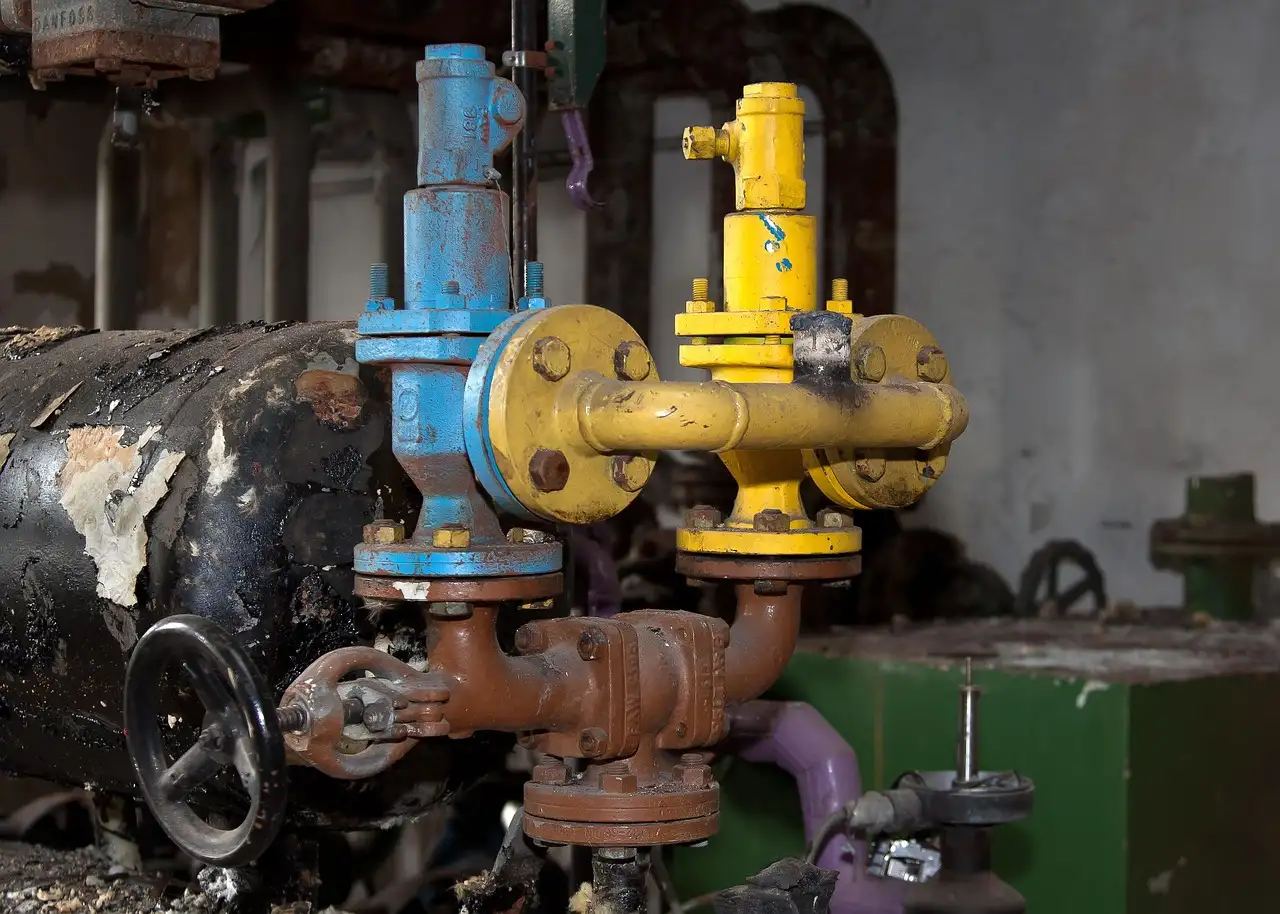



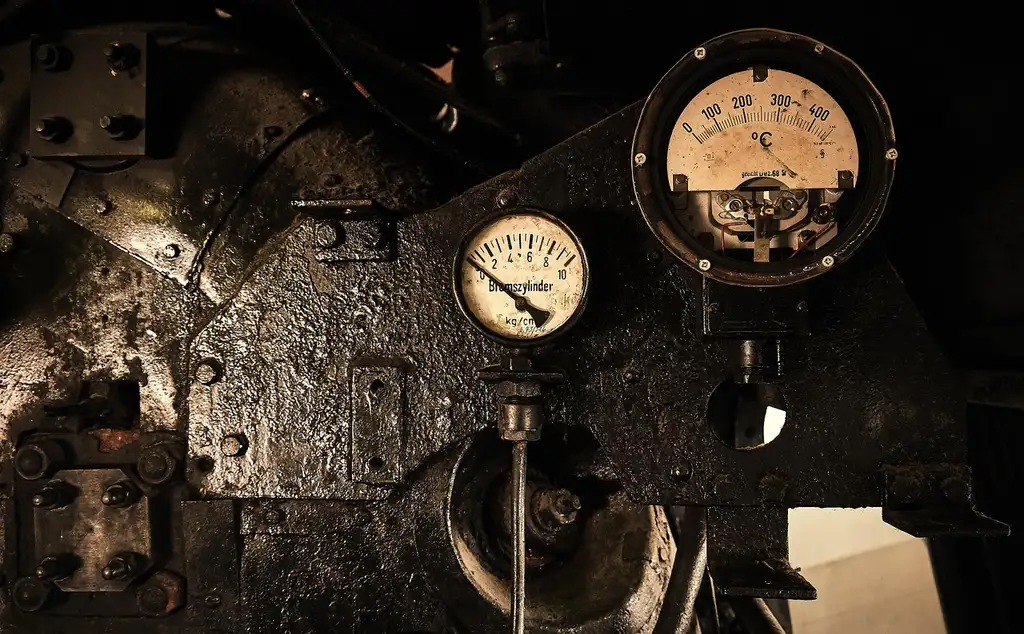
Boiler pressure should usually sit around 1 to 2 bar when cold. Readings near 0 bar usually mean a fault or leak, not a normal fluctuation. If the pressure keeps falling, water is escaping somewhere or air is entering the system, and you need to trace the cause instead of topping it up again and again.
Boiler type and normal behaviour
Combi boilers often show pressure drops faster because they are sealed systems. Conventional, open-vented systems behave differently and may show their own header tank or feed-and-expansion faults instead of the same sealed-system symptoms. Match the diagnosis to the boiler type before blaming any part.
On a sealed system, pressure normally changes as the water warms and cools. That movement should stay within the working range set out in the boiler manual. If the reading regularly ends up far below that range, or falls back to near zero, something is wrong.
A combi boiler that sits at about 1.2 bar when cold and then drops to about 0.3 bar by the next morning may indicate water loss or a PRV, vessel, or gauge fault. That pattern points away from a one-off air pocket and toward a loss of water, a PRV that is discharging, or a vessel or gauge fault. The pattern matters as much as the number.
Why sealed systems lose pressure
Sealed heating systems lose pressure when water escapes, when the expansion vessel cannot absorb normal expansion, or when a fault makes the gauge read falsely low. Air can also leave the system after bleeding or maintenance, which can change the reading and may require repressurizing afterward.
Winter weather can make the problem easier to notice. Overnight drops stand out more in cold conditions, and freeze-related issues can affect performance. If the boiler sits in a very cold space, also check for signs of frozen condensate or related winter faults that may affect operation.
Does your boiler pressure drop in a pattern?
A pressure pattern narrows the fault faster than a random guess. Overnight drops, pressure loss only while heating runs, and readings that fall all the way to zero point to different failure modes. Use the pattern first, then inspect the right parts.
Overnight drop
If the pressure drops overnight, the system is often losing water while it cools and sits still. That can be a small leak on pipework, a radiator valve, a boiler joint, or a PRV that weeps after the system cools down. A failing gauge can also make the loss look worse than it is.
Drop only when heating runs
If the pressure changes only when the heating runs, read it carefully. On a sealed system, heating normally makes pressure rise rather than fall. This pattern often points to expansion vessel trouble, a PRV issue, or a hidden leak that may open more as the system heats and expands.
Pressure falling to zero
When the gauge falls to 0 bar, treat it as a serious fault or leak until you prove otherwise. That is not a normal running condition. If the boiler keeps going back to zero after topping up, stop using repeated refills as a workaround and look for the root cause.
Pressure loss symptom guide
Use this table to narrow the likely failure mode before calling anyone out. The next safe check is limited to what a homeowner can inspect without opening the boiler casing or touching gas components. If the pattern points to an internal fault, a Gas Safe engineer should take over.
| Symptom pattern | Most likely cause | Next safe check |
|---|---|---|
| Overnight pressure drop | Small leak on pipework, radiator valves, boiler internals, or hidden joints; PRV weeping after cooldown; gauge fault | Look for damp around visible joints, radiator valves, and the boiler discharge pipe. If no water is visible and the drop repeats, book an engineer. Likely repair: leak trace, PRV replacement, or gauge diagnosis; engineer-only. |
| Drop only when heating runs | Expansion vessel problem, PRV opening under expansion, or a hidden leak that worsens as parts heat up | Check whether the pressure rises first as the boiler heats, then falls away or discharges. Do not keep topping up. Likely repair: vessel recharge or replacement, PRV check, or leak repair; engineer-only. |
| Pressure falling to zero | Significant leak, PRV discharge, or a failed vessel or gauge | Shut the boiler down if the manual says to do so and inspect for obvious discharge or flooding. Likely repair: locate and fix the leak, replace PRV, or test the gauge and vessel; engineer-only. |
| Repeated need to top up every few days | Central heating leak, PRV issue, or vessel fault masked by temporary repressurizing | Check the filling loop is fully closed after topping up and look for signs of water near discharge pipework. Likely repair: permanent leak repair, PRV replacement, or vessel recharge; engineer-only. |
| Pressure loss with no visible leak | Hidden pipework leak, boiler internal leak, faulty gauge, or air loss after maintenance | Confirm the reading after the system has settled and inspect all visible pipe runs, radiator valves, and the PRV outlet. Likely repair: pressure test, hidden leak trace, or gauge fault check; engineer-only. |
Where the leak usually
A common cause is a leak, and it is not always inside the boiler. The leak may be on pipework, radiator valves, boiler internals, or hidden joints. If the system keeps losing pressure after top-ups, do not assume the boiler body is the only suspect; the loss may be elsewhere in the heating circuit.
Pipework and radiator valves
Visible pipe joints, valve glands, and radiator connections are the first places to inspect. A small leak here can leave little more than staining, corrosion, or a damp patch. It may also only show when the system heats and the metal expands.
A common first-timer mistake is to look only under the boiler. A slow leak near a radiator valve in another room can drop the system from 1.2 bar to 0.4 bar over a day without leaving a large puddle. Check the full circuit, not just the appliance.
Boiler internal leaks can be hard to see because the water may drain to the outside through a casing path or discharge line. Hidden joints behind panels or inside cupboards can also leak without obvious floor water. These faults are usually for a Gas Safe engineer, not a homeowner repair.
Why the leak may be hard to see
Some leaks only appear when the boiler is hot and the system is under pressure. Others evaporate on warm pipework before a puddle forms. That is why repeated pressure loss with no visible leak still points to a real fault, not a harmless gauge quirk.
Could the filling loop or gauge be the issue?
Yes. A filling loop left open, an overfilled system, or a faulty gauge can all confuse the diagnosis. The filling loop should be used only to return pressure to the working range in the boiler manual, then closed fully. If the reading still falls again, the fault remains.
Filling loop left open or overfilled system
The filling loop is used to top up system pressure. It should be closed after repressurizing. If it is left open, the system may drift too high, and overfilling can trigger discharge from the safety valve. That can make the pressure problem look like a leak somewhere else.
Use the manual’s working range, not a guess. If your boiler manual says the cold system should sit within a certain band, return it to that band only. Do not keep adding water in small amounts every day; that can hide the real fault and increase the risk of discharge.
Faulty pressure gauge or sensor
A bad gauge can read low even when the actual system pressure is acceptable. That is why a reading near 0 bar should be checked against the rest of the symptoms. If the boiler runs normally, heats properly, and shows no discharge or dampness, the gauge or sensor becomes more likely.
When repressurizing is only temporary
Topping up is a temporary fix, not a cure. The system should operate normally after the leak is fixed and pressure is topped up. If you have to repressurize every few days, the underlying fault has not been removed, and repeated top-ups can lead to more discharge or damage.
Why the pressure relief valve and expansion vessel matter
These two parts explain many no-obvious-leak cases. A pressure relief valve can release water if the boiler pressure is too high, and an expansion vessel should absorb normal pressure changes as the water heats. If either one fails, the pressure can swing, then fall again after topping up.
PRV dripping after overpressure
A pressure relief valve that keeps dripping can point to overpressure or a faulty valve. Water may discharge outside the boiler through the relief line, so you may not see a leak under the appliance. If the pressure was overfilled or the vessel is weak, the PRV can become the symptom, not the root cause.
Expansion vessel loss of charge
An expansion vessel problem can cause pressure swings on sealed systems and combi boilers. When its charge is lost, the system may rise too high when hot and then drop too far when cool. That cycle often leads to repeated topping up and then repeat loss again.
Why these faults repeat after topping up
If the vessel is not working or the PRV is weeping, repressurizing only resets the symptom. The system may run for a short time, then repeat the same drop. That is why frequent top-ups should trigger inspection rather than another refill.
Could air, sludge, or limescale be involved?
Yes, but these are usually part of the diagnosis rather than the whole answer. Air in the system can mimic pressure loss after bleeding or maintenance. Sludge and limescale can clog pumps and components, especially in older systems, and may contribute to leaks, poor circulation, and repeat faults.
Trapped air after bleeding or maintenance
Air trapped in the system or vented during maintenance can reduce the pressure reading and make the boiler seem low. After bleeding radiators or any venting work, the system may need repressurizing. If the pressure keeps falling after that, air alone is not the full explanation.
Heating sludge and restricted circulation
Heating sludge and limescale are more common in older systems. They can clog pumps and components, and they may contribute to noisy operation, poor circulation, and wear on parts that later leak. A noisy boiler can be caused by seized motorised components such as the pump, but noise alone does not prove a pressure-loss fault.
Suppose an older boiler on a sealed system keeps dropping from 1.3 bar to 0.8 bar after each bleed, and a radiator takes much longer to warm than the others. That combination points to air and circulation issues, but it still needs a pressure check for leaks, PRV discharge, and vessel condition.
When older systems need professional cleaning or repair
Age and wear can also cause boiler problems. A Gas Safe engineer may need to clean the system thoroughly and flush the central heating system if sludge is affecting performance. If the issue is age-related and parts are failing together, replacement may be needed instead of repeated repair work.
Heating issues can also raise running costs. The article notes heating uses a large share of household bills, and boiler faults can push the system toward inefficient heating and rising energy bills. Fixing the cause matters more than keeping the gauge up with repeated top-ups.
What to check before calling an engineer
- Check the cold pressure reading and note whether it is near 1 to 2 bar or near 0 bar.
- Confirm the filling loop is fully closed after any top-up.
- Look for damp patches, corrosion, or drips around visible pipework, radiator valves, and the discharge pipe.
- Check whether the pressure changes only when heating starts or after the system cools.
- Note whether the boiler is combi or conventional, because the fault path differs.
- If the pressure keeps dropping, arrange a Gas Safe engineer rather than repeatedly repressurizing.
Frequently asked questions
Why does my boiler keep losing pressure?
The usual causes are a leak, a faulty pressure relief valve, a failed expansion vessel, or a bad gauge. If the boiler drops again after you top it up, treat it as a fault. The key next step is to match the symptom pattern to the likely failure mode.
Why does my boiler keep losing pressure with no leaks?
No visible leak does not rule out a fault. Hidden pipework leaks, boiler internal leaks, PRV discharge, expansion vessel failure, or a faulty gauge can all produce the same symptom. If the pressure keeps falling and nothing is damp, a Gas Safe engineer should pressure-test and inspect the system.
Why does my boiler keep losing pressure when heating is on?
On a sealed system, pressure normally rises as the water heats. If it falls instead, that pattern points to an expansion vessel problem, a PRV issue, or a leak that opens as parts expand. Do not assume a pump fault just because the heating is running.
Why does my boiler keep losing pressure overnight?
An overnight drop often means the system is losing water while it cools and sits idle. The likely causes are a slow leak, a PRV that weeps, or a gauge fault. Winter weather can make the drop more obvious, especially in colder spaces or after a freeze-risk night.
Why does my boiler pressure keep dropping to 0?
Pressure falling to 0 bar usually means a serious fault or leak. That can be a substantial water loss, a PRV that has discharged, or a failed expansion vessel. Do not keep topping up and hoping it settles. The system needs a proper diagnosis before more damage occurs.
Why does my boiler keep losing pressure every few days?
That pattern usually means the root cause is still active. Repeated top-ups can hide a leak, PRV fault, or vessel problem for a short time, but they do not fix it. If the boiler loses pressure every few days, a Gas Safe engineer should inspect the heating circuit and internal parts.
Sponsored / affiliate links. As an Amazon Associate I earn from qualifying purchases. I may earn additional commission from eligible campaigns.