Best Solar Lights for Masonry: Based on Specs and Reviews
For brick walls and masonry, choose a solar light by the job: wide wall wash for texture, medium beam for entry safety, narrow beam or motion sensor for security, and look for a panel that gets about 4 to 6 hours of direct sun. Wrong beam choice leaves dark patches, glare, weak runtime, and lights that look fine on day one but disappoint after a cloudy week. This guide covers top picks plus how to match beam pattern, mounting method, weather resistance, and charging conditions to brick, stone, or concrete.
Quick comparison
| Product | Badge | Best for | Price | ||
|---|---|---|---|---|---|
 |
2-Pack Solar Outdoor Lights, Super Bright Solar PoweredBrightever | Our pick | 2-pack · motion sensor · warm white | $21.99
Price as of 27 Oct 2026
|
View |
 |
HMCITY 120 LED Outdoor Solar Lights with Motion Sensor andHMCITY | Also great | 12-pack · motion sensor · daylight white | $59.99
Price as of 27 Oct 2026
|
View |
 |
Aootek Solar Motion Sensor Lights Outdoor 120 LEDs, Black,Aootek | Budget pick | 6-pack · 120 LEDs · black | $25.99
Price as of 27 Oct 2026
|
View |
 |
Gama Sonic Solar Outdoor Wall Light, Royal Bulb ExteriorGama Sonic | Upgrade pick | single · warm white · bronze finish | $179.99
Price as of 27 Oct 2026
|
View |
This comparison starts with the light job, then covers mounting and weather details that matter on masonry. Brick walls punish poor beam choice fast, so fixture type matters as much as lumen count.
How we chose
We compared the listed products by beam pattern, mounting fit, weather rating, battery or runtime claims, and whether the light suits a wall-wash, entry-safety, or security job.
Also check the details that matter on brick: IP65 or better for exposed walls, motion sensing where security matters, and install methods that fit porous or uneven masonry.
Finally, we weighed the products against wall conditions such as gutter shade, north-facing runs, and spots where drilling into mortar is a better move than relying on adhesive.
Brightever 2-Pack Solar Outdoor Lights: best for entry safety
This is the strongest fit for a front walk, porch edge, or side entry where you want motion-triggered light without a hardwired run. Based on the manufacturer’s specs and buyer feedback, the wide-angle security beam and three lighting modes suit brick walls better than narrow decorative lamps.
The drawback is that it is still a security-style light, so it will not give the controlled up/down wall wash that shows off brick texture. On a very dark façade, the beam can feel practical rather than architectural.
HMCITY 120 LED Outdoor Solar Lights: best for budget coverage
This 12-pack suits homeowners who need broad coverage across several masonry spots, such as a long fence run, patio wall, or repeated entry points. The monocrystalline solar cells and three lighting modes make it practical for general outdoor use, especially when you need more than one fixture.
The drawback is that a multipack security light can be too much for a single brick wall that only needs accent lighting. If the wall is shaded much of the day, the pack size does not solve the charging problem.
Aootek 120 LED Solar Motion Sensor Lights: best for wide-angle security
This is the clearest choice when the brick wall needs coverage across a broader approach, such as a garage side, driveway edge, or yard-facing masonry. The 270° wide angle and IP65 rating make it a sensible security option for exposed walls that need motion response, not just decoration.
The drawback is the same one that affects many flood-style solar lights: broad coverage can spill light where you do not need it. That makes it a weaker pick for brick facades where the goal is to show texture rather than flood the whole area.
Gama Sonic Solar Outdoor Wall Light: best for decorative facades
This is the best fit when the brick wall is part of the home’s face and you want a more finished wall-sconce look. The dusk-to-dawn operation, weather-resistant aluminum, and glass styling make it better suited to visible entry architecture than a bare security fixture.
The drawback is cost. At $179.99, it is a much bigger buy than the motion lights above, and it is better for a focal wall than for covering multiple masonry areas on a budget.
What are the best solar lights for brick walls?
The best solar lights for brick walls are the ones that match the wall’s job: wall-wash sconces for texture, motion lights for entry safety, and narrow security beams for dark approaches. Brighter is not always better. On brick, beam shape, placement, and charging conditions usually matter more than raw lumen claims.
Brick is porous and harder to drill without cracking, so the mount matters as much as the light output. For exposed walls, start with IP65 or higher, and move to IP67 when the wall faces heavier rain, snow, or repeated splash exposure.
Wall-wash sconces for texture
Up/down beam designs are the best fit when you want the mortar lines, edges, and surface relief to show at night. They spread light vertically and create a controlled wash instead of a harsh hotspot.
Choose this type for front façades, columns, or entry walls where the goal is visual depth, not motion-triggered brightness.
Motion security lights for safety
PIR motion sensor solar lights work well on brick when the path to the sensor is clear and the wall gets enough sun to keep the battery charged. They are the better choice for side doors, garage entries, and dark approaches that need light only when someone is present.
Many wall-mounted solar lights use dusk-to-dawn operation, motion sensing, or both. For masonry, those features help more than a fixed always-on lamp when the wall is dark and the walkway is the real hazard.
Can solar lights be mounted on masonry without drilling?
Yes, but only on the right surface and only for the right fixture weight. 3M adhesive mounting can work on clean, dry, fairly smooth masonry, but porous brick, dusty mortar, and uneven faces can weaken the bond quickly. Screws are the better choice when the fixture is heavier, the wall is exposed, or the mount must stay aligned long term.
When adhesive mounting works
Adhesive mounting is the no-drill option for renters, temporary installs, and lighter solar lights. It makes sense on sealed brick, painted masonry, or smooth stone where the pad can get full contact.
It is a poor bet on crumbly mortar, flaking surfaces, or walls that collect dust and moisture. If the brick face is rough enough that the pad bridges gaps, the bond is asking to fail.
When masonry screws are the better choice
Masonry screw installation is the more permanent option. It requires a drill and masonry bit, but it gives the bracket a stable anchor and makes alignment easier on a vertical wall.
Choose screws when the fixture is a primary light for an entry, when the wall sees wind and rain, or when the panel and battery are part of a larger sconce that should not shift over time.
How to avoid drilling into the wrong spot
Mark the bracket first, then check the mortar joint before you drill. On brick, the mortar joint is often the safer target than the face of the brick, especially when the brick is old or brittle.
A common first-timer mistake is drilling high under a gutter or overhang where the light receives shade and the anchor sits in a damp zone. That spot can hurt charging and increase water exposure at the same time.
What waterproof rating should brick wall lights have?
For most exposed masonry walls, IP65 is the common minimum outdoor rating to look for. It gives a basic level of rain and dust resistance that fits brick walls under normal weather exposure. If the wall takes heavier rain, snow, or wind-driven moisture, IP67 is the safer step up.
IP65 for most exposed walls
IP65 is the right floor for porch walls, fence posts, and standard exterior brick where the fixture faces weather but not soaking exposure. It is the rating most buyers should check first.
If the wall sits under a decent roof edge and does not catch direct runoff, IP65 is usually enough for a solar wall light.
When IP67 is worth paying
IP67 makes sense where the wall gets harsher exposure, such as open side yards, snow-prone locations, or masonry that sees repeated splash and runoff. UGDLUCK is rated IP67 for weather resistance, which puts it in the tougher weather tier.
That higher rating matters most when the fixture is mounted low, near splash zones, or in a place where winter weather stays on the wall for long periods.
Why weather rating matters on masonry
Brick and stone hold moisture differently from siding. Water can sit in joints, dust can collect in textured surfaces, and exposed mounts can stay damp longer after rain.
That is why a rating alone does not solve everything. The wall layout, roof overhang, and drainage path still shape how well the light lasts.
How bright should brick wall lights be?

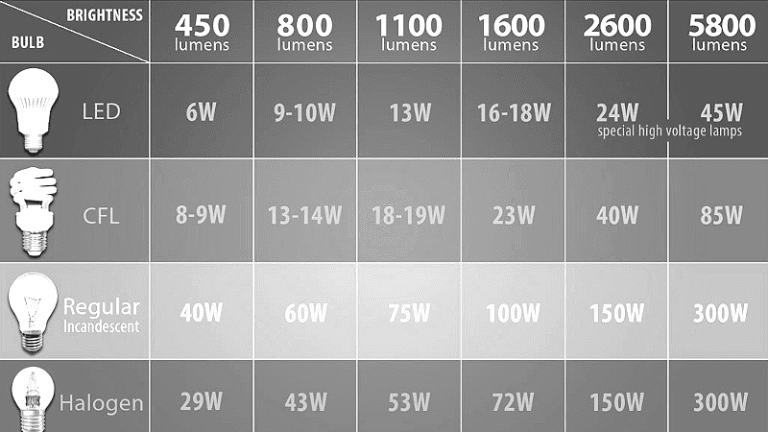
For brick walls, brightness should match the job. Decorative wall lights can sit lower, while security lights usually need much more output to cover a walkway or entry. A useful rule of thumb is at least about 200 to 300 lumens for brick walls when you want visible coverage, with security options often around 1200 lumens when you need more reach.
Decorative light levels
Lower-output fixtures work best for facade washing and mood lighting. They soften the wall and keep the brick from looking flat or harsh.
LIANGLOME’s reflective lens is said to deliver up to 50 lumens, which is more in the accent category than the security category. That is useful when you want a gentle glow, not a bright approach light.
Security light levels
Security lights need enough output to reveal faces, steps, and the edge of the walkway. Philips Solar Security Light has 302 LEDs and 1200 lumens, which puts it in the stronger security class for a brick entry or side yard.
More light is not always better on a façade. If the beam is too hard and too broad, it can flatten the brick detail and create glare instead of usable visibility.
How brightness changes brick texture visibility
Brick texture shows best when light lands at an angle and does not blast straight at the wall. Up/down beams reveal mortar lines and surface relief better than a flat flood beam.
Say your front wall is dark red brick under a porch roof. A warm up/down sconce can make the surface look deeper and more defined, while a bright floodlight may wash out the texture and leave glare near the door.
What should I buy for a dark brick entryway versus a decorative wall?

For a dark brick entryway, buy a motion sensor light with a wider security beam and enough output to cover the approach. For a decorative wall, buy a wall-wash sconce with an up/down beam and a warmer color temperature. The right choice depends on whether you need safety or surface detail first.
Best for a dark entryway
Choose a PIR motion sensor light with a beam that covers the path, not just the wall. Brightever, Aootek, and HMCITY all fit that safety-first use better than a decorative sconce.
Place it where it can see movement from the approach route and where the panel can still get sun.
Best for a decorative wall
Choose a sconce style if the wall is part of the home’s front face. Gama Sonic is the clearest decorative option in this group because it reads more like an exterior fixture than a bare security lamp.
If the wall is the feature, not the walkway, beam control matters more than motion range.
Best for renters
Choose an adhesive-mounted option only if the wall is smooth, dry, and easy to clean first. LIANGLOME is the clearest fit from the available specs because it supports screws or 3M adhesive mounting.
If the brick is rough, dusty, or heavily textured, skip adhesive and look for a lighter fixture or a screw mount.
Best for shaded walls
Shaded, north-facing, or deeply recessed walls are poor solar candidates. They struggle because the panel gets less direct sun, especially in winter when the sun angle stays low.
In that case, pick the light only if you can place the panel where it gets more sun, or reconsider whether the wall is a better fit for wired lighting.
Best for winter use
Winter use favors higher weather resistance and a better charging setup. IP67 helps in harsher exposure, but battery capacity still depends on sunlight.
UGDLUCK’s 1800mAh battery and up to 12 hours of runtime look stronger on paper than smaller packs, but runtime will still drop if the panel is shaded, snow-covered, or aimed at a weak sun path.
Brick wall lights comparison table
| Fixture type | Beam pattern | Mounting method | Minimum IP rating | Recommended lumen range | Best placement scenario | When not to buy |
|---|---|---|---|---|---|---|
| Wall-wash sconces | Up/down beam | Masonry screws | IP65 | 200-300 lumens | Front facade, columns, entry accent | Skip it if you need motion-triggered security light. |
| Security floodlights | Wide flood, often motion activated | Masonry screws | IP65 or IP67 | Around 1200 lumens | Driveway edge, side door, dark approach | Do not buy if you want a soft decorative wash. |
| Decorative lanterns | Soft forward glow | Screws or bracket mount | IP65 | Low to moderate output | Front entry, porch wall, focal point | Avoid them if the wall is too dark for accent-only light. |
| Step-style wall lights | Narrow downward beam | Masonry screws | IP65 | Low to moderate output | Steps, low walls, path edges | Not for tall facades that need vertical texture light. |
| Adhesive-mounted lights | Usually compact, moderate beam | 3M adhesive mounting | IP65 | Low to moderate output | Rentals, temporary installs, smooth masonry | Do not buy for dusty, porous, or uneven brick. |
| Hardwired-look solar sconces | Controlled wall wash | Masonry screws | IP65 or IP67 | 200-300 lumens or more | Entry façades, formal walls, front views | Skip them if the wall is heavily shaded all day. |
Which one should you buy?
For a dark brick entryway, buy a motion sensor security light first. For a decorative front wall, buy a wall-wash sconce or a hardwired-look solar sconce. For renters or temporary installs, use adhesive only on smooth, clean masonry. For shaded or north-facing walls, focus on a mount that can reach sun, or look at wired lighting instead.
Suppose your brick wall faces north and sits under a deep soffit. That setup cuts charging time and leaves the sensor working from a weak battery, so even a good fixture may disappoint. A brighter unit will not fix poor sun exposure.
Picture a brick side entry with no gutter above it and steady afternoon sun. That wall can handle a motion light or a wall-wash sconce better, because the panel gets charge and the beam has a clean surface to work with.
- Decide the job first: accent, safety, or security.
- Match the beam pattern to the wall, not the marketing copy.
- Check for IP65 or higher, and move to IP67 for harsher exposure.
- Verify that the wall gets direct sun for part of the day.
- Use adhesive only on smooth, clean masonry and only for lighter fixtures.
- Use masonry screws when the mount must stay fixed or the wall is rough.
Frequently asked questions
What waterproof rating should brick wall solar lights have?
IP65 is the common minimum for exposed brick walls. It covers typical rain and dust exposure. If the wall faces harsher weather, such as heavy rain, snow, or strong splashback, IP67 is worth paying for because it gives more weather resistance.
How bright should solar wall lights be for a brick facade?
For decorative brick facades, lower output often looks better and avoids glare. Beam pattern matters as much as brightness because it changes how the brick texture reads.
What color temperature looks best on brick walls?
3000K usually looks warm and flattering on red or brown brick. 4000K gives a more neutral look, which works well when you want clear coverage without a yellow cast. 6000K reads cooler and is often better for security-focused lighting than for decorative masonry.
Do motion sensor solar wall lights work well on brick?
Yes, if the wall gets enough sun and the sensor has a clear view of the approach. PIR motion sensors are common on wall-mounted solar lights and work well on brick for entry safety. They are less useful if the wall is shaded, recessed, or blocked by gutters or overhangs.
Sponsored / affiliate links. As an Amazon Associate I earn from qualifying purchases. I may earn additional commission from eligible campaigns.