How to Warm Up a Cold Bedroom in Winter Without Wasting Heat
Warm a cold bedroom by tracing the heat loss first, then fixing the cheapest cause: seal drafts, stop window loss, add insulation, or adjust airflow, in that order. Skip the source, and you spend money on fixes that barely move the room temperature. This guide shows how to diagnose the problem fast and choose the right renter-safe or permanent fix.
What you’ll need

- Incense stick or a candle for draft testing
- Caulk for small, fixed gaps
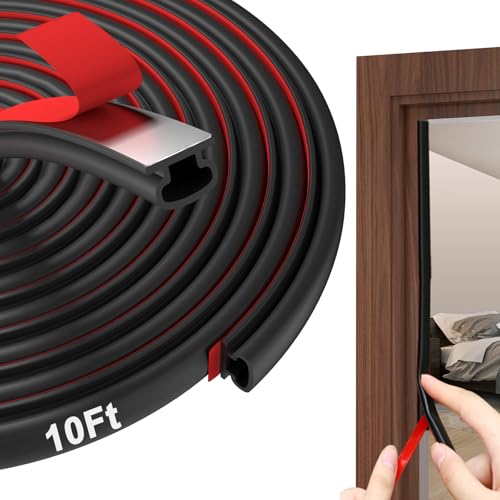
- Weatherstripping for movable gaps around windows and doors
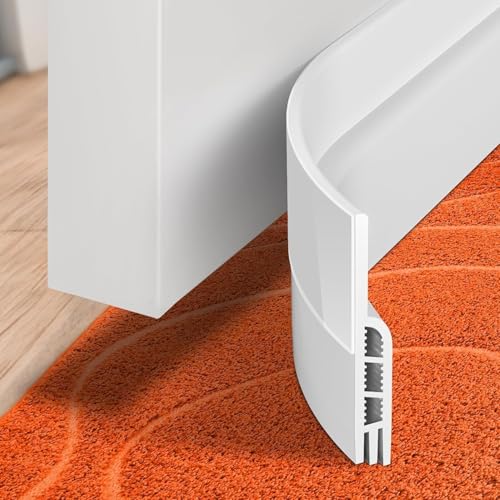
- Draft stopper for the bedroom door
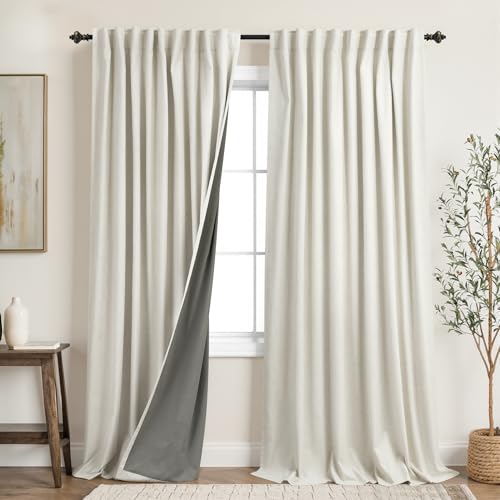
- Thermal curtains or lined heavy curtains
- Area rug or runner beside the bed
- Flannel sheets or jersey knit sheets
- Heated mattress pad with auto-shutoff
- Hot water bottle with a cover
- Breathable sleepwear layers and warm socks
Cold bedroom fix finder
| Symptom | Likely cause | Fastest fix | Cost band | Renter-safe? | Escalate when… |
|---|---|---|---|---|---|
| Cold air near windows or doors | Air leaks | Seal with weatherstripping, caulk, or a draft stopper | Low | Yes, usually | Drafts stay after sealing or the gap is in the wall cavity |
| Bed feels cold even though the room is acceptable | Cold bedding surfaces | Flannel sheets, layered blankets, heated mattress pad, or hot water bottle | Low to medium | Yes | The room itself still reads cold after bed fixes |
| Floor feels icy beside the bed | Cold floor surface | Add a rug beside the bed | Low to medium | Yes | Floor chill comes with cold walls or poor insulation |
| One wall feels much colder than the others | Poor insulation or exterior wall heat loss | Thermal curtains plus air sealing; then insulation work if needed | Low to high | Thermal curtains yes; insulation often no | Wall stays cold after drafts are sealed and heat delivery is normal |
| Room stays cold while the rest of the home is fine | Weak HVAC delivery or imbalance | Check supply register, damper, and thermostat fan settings | Low | Yes | Register is open and clear, but airflow is still weak |
Why your bedroom feels cold

The cause usually falls into one of three buckets: air leaks, heat loss through cold surfaces, or weak heating delivery. If the room is the problem, bedding alone will not fix it. If the bed is the problem, room upgrades may be too much.
Drafts and air leaks
Windows, baseboards, outlet cutouts, and the door perimeter are common leak points. A simple smoke test with incense or a candle can help show air movement, especially on windy nights. Seal what you can before buying heavier bedding.
Cold walls, windows, and floors
Cold surfaces pull heat from your body and from the air near you. Madison wall guidance ties cold walls to poor insulation and air leaks, and notes that up to 35% of home heat can escape through poorly insulated walls. Thermal curtains help at windows, but they do not fix wall cavities.
Weak heating delivery or imbalance
If the bedroom supply register is closed, blocked by furniture, or poorly balanced, the room can stay cold even with good bedding. Check the register first. A room that stays chilly after airflow is fixed often needs HVAC balancing or added insulation, not another blanket.
How to warm the bed first

Start here if the room is tolerable but the bed feels icy. Bedding changes affect surface chill faster than room temperature. Layering works better than one thick blanket because it traps warm air between layers, and it lets you adjust warmth without overheating.
-
Switch to warmer sheets.
Choose flannel sheets as a winter base layer if you want a warmer touch than percale. IKEA’s winter guide uses 100% cotton flannel, and the brushed weave creates insulating pockets of air in the fibers. Jersey knit sheets are a softer transitional option and can feel lighter than flannel for some sleepers. -
Add a controllable heat source.
Use a heated mattress pad if the bed is the main problem. Many models have dual-zone controls, can be preheated before bed, and should have auto-shutoff for safety. A temperature-controlled mattress topper can often be set within a wide range, such as about 55 to 115 degrees Fahrenheit. -
Use non-electric spot heat.
Put a hot water bottle between the sheets near the feet or body about 10 to 20 minutes before sleep. This gives targeted warmth without heating the whole room, which helps if only the bed feels cold. -
Wear breathable layers.
Use warm pajamas or long sleepwear in breathable moisture-wicking fabric, plus socks if your feet cool down first. The goal is to stay warm without trapping sweat, because damp fabric can make you feel colder later.
Say your bedroom is 63°F and the bed still feels cold at the foot end. A flannel sheet set plus a hot water bottle at the feet fixes the bed surface first, while the room temperature stays unchanged. That is a bedding problem, not a heating problem.
How to cut drafts and heat loss
Use this section if the room feels cold around the edges, especially near windows or the door. Thermal curtains, draft stoppers, and gap sealing work best together. They slow heat loss; they do not make heat.
-
Find the air leaks.
Hold incense or a candle near the window frame, baseboards, outlet covers, and the door perimeter. Any smoke drift or flicker points to infiltration. Mark the spots so you can seal the ones that matter most first. -
Seal the fixed gaps.
Use caulk on small stationary cracks and weatherstripping on movable seams around windows and doors. Work from the largest leak to the smallest. This is the cheapest way to reduce outside air entering the room. -
Block the door bottom.
Add a draft stopper at the bedroom door, especially if the room sits on an exterior wall or near a colder hallway. It works best when paired with sealing other gaps, since one blocked opening will not stop every leak. -
Close the window layer early.
Hang thermal curtains or lined heavy curtains and close them before dusk, if possible. Floor-length coverage or lining improves performance because it reduces both radiant loss and draft spill at the glass. -
Warm the floor edge.
Place a rug beside the bed so the first step is not onto a cold surface. This does more for comfort than room temperature, but it can make the whole bedroom feel less harsh at night.
Suppose the room feels fine until you sit near the window, then a cold strip appears by your ankle. That points to window loss or a leak at the trim, not a bedding issue. Heavy curtains may help, but they should follow sealing work, not replace it.
How do you keep a bedroom warm without raising the thermostat?
First, check whether the room is actually getting heat. Open the supply register fully, clear furniture or curtains away from it, and make sure the vent is not shut at the grille or damper. If airflow is still weak, the problem is distribution, not comfort settings.
-
Open the supply register.
Set the bedroom register fully open and keep a clear path in front of it. If the register is partly blocked by a bed, dresser, or curtain, warm air cannot mix through the room well. -
Set fan controls correctly.
On a thermostat, use the fan setting that matches your system, usually Auto for normal cycles. A constant fan can help mix air in some homes, but it also costs more to run and does not fix a blocked register. -
Balance the room before buying upgrades.
If the bedroom is still colder than nearby rooms, the branch may need balancing at the register or by a pro. Fix airflow first, then decide whether you still need thermal curtains, bedding changes, or insulation work.
A common first-timer mistake is buying heavier bedding when the supply register is closed behind a dresser. In that case, the bed may feel warmer, but the room stays cold because the air is never reaching it. Open the vent before buying the next layer.
What if the walls still feel cold?
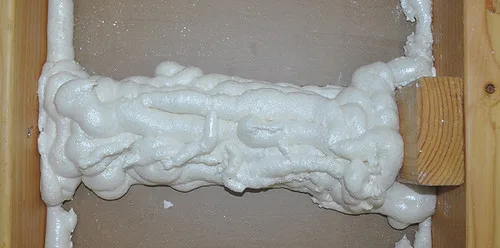
Cold walls usually point to poor insulation, air leaks, or both. If sealing drafts and checking airflow do not help, the next step is wall-side heat retention. On exterior walls, the likely escalation is blown-in cellulose or spray foam, depending on wall access and construction.
When insulation is the real fix
If one exterior wall stays cold to the touch after the window and door leaks are handled, bedding will only treat the symptom. Thermal curtains can reduce loss at the glass, but they cannot correct a poorly insulated cavity. That is where wall insulation matters most.
When to call in HVAC balancing or insulation work
If the supply register is open, the room is still cold, and the wall problem is not limited to a window edge, the room likely needs a pro-level fix. HVAC balancing can correct airflow distribution. Insulation work is the next step when the wall itself keeps bleeding heat.
Do not stack more blankets against a wall and assume the problem is solved. That may make the bed feel warmer, but it does little for a cold exterior wall. Fix the wall or the airflow, then adjust bedding if needed.
Common mistakes
- Buying bedding before checking leaks. Drafts and unbalanced airflow can overpower a warmer sheet set.
- Using thermal curtains as a room heater. They reduce heat loss at windows; they do not replace HVAC output.
- Blocking the bedroom register with furniture or drapes. That can make the room colder even when the heater is working.
- Running heated bedding without safety checks. Use auto-shutoff, keep cords in good condition, and follow the maker’s setup instructions.
- Routing extension cords under rugs or through door gaps. That can damage the cord and raise fire risk.
- Placing soft goods too close to heaters. Keep blankets, curtains, and rugs clear of portable heaters and wall vents.
- Using a hot water bottle with no cover. That makes the surface too hot and less comfortable against skin or sheets.
Keep the register clear, close curtains before dusk, and reseal leaks before winter settles in. Those three habits prevent most repeat cold-room complaints.
Frequently asked questions
How do I keep my bedroom warm in winter?
Start with the room, then the bed. Open the supply register, seal obvious leaks with caulk or weatherstripping, and close thermal curtains before dusk. If the room still feels cold, add flannel sheets or a heated mattress pad, then reassess whether the wall or HVAC needs attention.
How can I heat a cold room without raising the thermostat?
Use the cheapest heat-retention steps first: seal drafts, close lined curtains, and keep the bedroom door sealed with a draft stopper. If the bed is the cold part, a heated mattress pad or hot water bottle gives targeted warmth without changing the thermostat setting.
What is the best way to warm up a bedroom?
The best fix depends on the failure mode. If air is leaking in, seal the leaks. If the room has cold surfaces, use thermal curtains and better insulation. If airflow is weak, clear the register and balance the room. Bedding comes after those checks.
How do I stop cold drafts from coming into my bedroom?
Test windows, baseboards, outlets, and the door with incense or a candle, then seal the leak points you find. Use weatherstripping for moving joints, caulk for fixed cracks, and a draft stopper at the door bottom. Pair the stopper with other sealing work for the best result.
What bedding makes a cold bed feel warmer?
Flannel sheets are a strong winter base layer because they are 100% cotton with a brushed weave that holds insulating air pockets. Jersey knit sheets are softer and lighter for some sleepers. Add layers instead of one thick cover so warm air stays trapped between them.
Do thermal curtains really help a cold bedroom?
Yes, but mainly by reducing heat loss at the window. They work best when closed before dusk and when they reach the floor or include a lining. They will not fix a cold wall or a blocked supply register, so treat them as one part of the fix.
Sponsored / affiliate links. As an Amazon Associate I earn from qualifying purchases. I may earn additional commission from eligible campaigns.