Why Is It Dripping in My Attic When It Is Cold Outside?
Winter attic dripping usually comes from condensation, where warm indoor air reaches cold roof surfaces; if the drip follows thawing at the eaves, suspect an ice dam; if it appears after rain, look for a roof leak. Ignore it and you can rot sheathing, stain ceilings, and spend money on the wrong repair. This guide shows how to tell condensation, ice-dam leakage, and a true leak apart, then choose the first fix.
Why your attic drips in cold weather



Cold weather makes attic problems easier to spot, not harder to explain. Warm, moist air from the house can slip through ceiling gaps and freeze on cold roof sheathing, which creates attic frost. When that frost melts during a thaw or on a sunny afternoon, it can drip onto insulation, framing, or the ceiling below.
Indoor humidity matters before you change insulation or ventilation. Showers, cooking, laundry, breathing, and humidifiers all add moisture to the air, and higher indoor humidity raises the risk of frost and condensation. Keeping indoor relative humidity below 50 percent gives you a practical target.
Suppose a bathroom fan dumps air into the attic because the duct is disconnected. The attic may look dry during a cold snap, then drip after a warm-up because frost on the roof deck melts. The problem is still air leakage and moisture, even though the puddle shows up later.
Attic drip triage table
| Cause | Timing | Where it shows up | Attic signs | Exterior signs | Likely source | First action |
|---|---|---|---|---|---|---|
| Condensation | Cold snap, then thaw or sunny afternoon | Broad areas, often under roof deck or near bypasses | Frost on nail tips, frost on the underside of roof sheathing, damp insulation after melt | Often no roof damage visible | Warm, moist indoor air leaking into a cold attic | Stop the air leak first, then control indoor humidity |
| Ice dam leak | After snow, freezing weather, then thaw at the roof edge | Near eaves, exterior walls, and ceiling edges | Wet insulation close to the roof edge, staining below the eaves | Roof-edge ice buildup, icicles, meltwater at the edge | Heat loss into the attic that melts snow and refreezes at the edge | Clear the immediate leak risk and address ceiling air leaks |
| Roof leak | After rain or active snowmelt | Often a single point, though water can travel before dripping | Localized wet wood, staining, or dripping below a penetration | Damaged shingles, flashing problems, missing materials | Roof assembly failure at shingles, flashing, or penetrations | Inspect the roof and arrange repair |
Is it condensation, an ice dam, or a roof leak?

The fastest way to sort the problem is by timing, location, and outside clues. Condensation usually tracks cold weather and thawing. Ice dam leakage usually appears near the roof edge after snow and freeze-thaw cycling. A true roof leak is usually more tied to rain or active snowmelt and may trace back to damaged shingles or flashing.
Timing clues: cold snap, thaw, or rain
If the drip appears after several very cold days and then gets worse on a thaw day, condensation rises to the top of the list. If it starts during or right after rain, or only when snow is melting on the roof, treat it as a roof leak until proven otherwise. Ice dams fit the middle ground: snow, freezing weather, then a warm-up.
Location clues: ridge, eaves, mid-roof, or ceiling edge
Location matters, but it is not a single test. Frost-related drips can show up below the ridge, along the roof deck, or above a ceiling bypass. Ice dam leaks usually collect near eaves, outside walls, and ceiling edges. Roof leaks can appear anywhere water finds a path, including a point far from the actual damage.
Exterior clues: frost, ice buildup, missing shingles, flashing damage
Attic frost often forms when warm, moist indoor air reaches cold roof sheathing, and it often shows on nail tips and the underside of the roof deck. On warm spells, that frost can melt and drip. Outside, look for ice buildup at the roof edge, missing shingles, or damaged flashing before you assume the ceiling stain came from the attic floor.
Top air leaks to inspect first
Seal ceiling gaps, penetrations, and bypasses first. It usually comes before insulation or ventilation changes because insulation does not stop warm air from reaching the attic. The list below ranks the leak points that commonly matter first in many houses.
-
Check recessed can lights first. Older non-airtight fixtures are a common leakage point and can continuously leak warm air even when switched off. Do not assume every fixture can be covered or air-sealed safely; follow the fixture’s listing and clearance requirements.
-
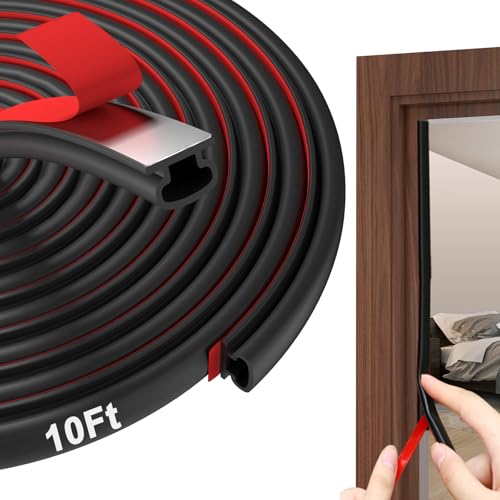
Inspect the attic hatch. A loose hatch can act like an open window to the attic. Add weatherstripping, tighten the fit, and air seal the trim if needed so the lid closes against a continuous seal.
-
Look at bathroom fan outlets. A single uncovered bathroom exhaust fan can push humid air into the attic. Confirm that the fan duct runs outdoors and that the connection is intact, not dumping into the attic cavity.
-
Trace plumbing stacks and vent pipes. Penetrations around plumbing stacks and vent pipes often need caulk or expanding spray foam at the ceiling plane. Even small gaps can move a surprising amount of humid air.
-
Seal top plates and wiring holes. Gaps at top plates, wiring penetrations, and small framing bypasses are easy to miss. Use caulk on small gaps and expanding spray foam where the opening is sized for it.
-
Check duct penetrations. Any duct that passes into the attic can leak around the opening or at a disconnected joint. Air seal the penetration itself and confirm the duct is properly connected and insulated as needed.
-
Inspect dropped soffits. Dropped soffits can create hidden bypasses between the living space and attic. These are common trouble spots because the leak path is out of sight but close to conditioned air.
-
Look at chimneys and flues. The space around a chimney often needs proper fire-safe detailing, not casual foam. Use materials and clearances that match the assembly and never block required separation.
-
Check framing joints at walls. The top of partition walls and the ceiling plane above them can leak into the attic. These gaps are especially common where the framing is irregular or the attic floor is crowded.
-
Inspect soffit-to-attic bypasses. Soffit leaks can short-circuit ventilation and let indoor air reach cold areas it should never touch. Blocked soffit vents can eliminate the fresh air supply needed for attic ventilation, so both airflow and air sealing need attention.
Picture a 1970s house with a 24-inch attic hatch, two recessed lights over a hallway, and frost on the roof deck near the ridge, which can point first to air leakage. That pattern points first to air leakage, not to a missing shingle. A roof leak would be more likely to show a wet point tied to weather on the outside.
What attic frost tells you
Attic frost tells you warm, moist indoor air is reaching a cold roof deck. The frost often forms on nail tips and the underside of the roof sheathing, which is a strong sign of air leakage from the conditioned space. If it melts and leaves damp insulation behind, you have a moisture path to fix, not just a cold attic to warm up.
When frost melts during a thaw day or sunny afternoon, the water can drip onto drywall, framing, or insulation. That does not automatically mean the roof is failing. It often means the attic has been storing moisture until the temperature changes.
Repeated wetting is the point where the damage grows. Wet insulation loses performance, and persistent moisture can stain drywall, support mold growth, and rot wood over time. If you keep seeing the same thaw-day drip, the source has not been controlled yet.
Can ice dams cause attic dripping and ceiling stains?
Ice dams are often linked to warm air leaking into the attic, not just roofing problems, and they can leak near eaves, exterior walls, and ceiling edges. The leak often starts with heat loss into the attic, snow melts on the roof, and the meltwater refreezes at the colder roof edge.
Check the outside before you call it a roof failure. Look for roof-edge ice buildup, icicles, and signs that meltwater is backing up under the shingles. Inside, look for wet insulation near the perimeter and stains that trace along the ceiling edge rather than a single overhead point.
What to do outside first
-
Photograph the damage. Take clear pictures of the roof edge, icicles, and any visible stains inside. These photos help separate a repeat ice-dam problem from a one-time roof defect.
-
Check the roof edge. Look for heavy ice at the eaves, missing shingles, bent flashing, or debris that traps water. If the roof is steep or icy, stay off it and inspect from the ground.
-
Protect the interior. Move valuables and place a container under any active drip. If the ceiling is bulging or the drywall feels soft, treat it as a prompt repair issue.
Do I need more ventilation or more air sealing?
Start with air sealing. Ventilation helps after the attic floor is tighter, but ventilation alone does not stop warm indoor air from leaking into cold roof surfaces. If ceiling leaks stay open, more airflow can still leave you with frost, meltwater, and wasted heat.
That said, ventilation still matters. The attic system should be approximately balanced between intake and exhaust, and blocked soffits can undermine the fresh air supply. In other words, you need both, a sealed ceiling plane and working soffit and ridge ventilation.
The Minnesota Department of Commerce recommends sealing leaks with caulk or expanding spray foam, then insulating to a minimum of R-50 as space allows. Use that sequence in the right order: seal first, then insulate, then correct ventilation problems if the attic still needs them.
Indoor humidity control belongs in the same plan. Keep bathroom fans vented outdoors, run kitchen and laundry exhaust as needed, and avoid adding moisture without a reason. Lower humidity means less frost risk on the roof deck.
What should I do first if I find frost in the attic?
Act on the source, not the stain. Frost means warm indoor air is reaching a cold attic surface, so the first move is to find the leak paths and reduce indoor moisture. If the frost has already melted, the drip may be the last step in a problem that started days earlier.
-
Document the frost. Photograph the frost, wet insulation, and any stains before anything dries. Note whether the moisture appears during a thaw, after rain, or near the roof edge.
-
Inspect the top leak points. Check recessed lights, the attic hatch, bathroom fans, plumbing stacks, top plates, wiring holes, duct penetrations, chimneys, and soffit bypasses. Start with the biggest openings because they move the most air.
-
Control indoor humidity. Keep bathroom and kitchen exhaust working, and keep the indoor relative humidity below about 50 percent where practical. This lowers the amount of moisture available to freeze in the attic.
-
Repair what is wet. Replace or dry wet insulation if it has stayed damp, and check the ceiling for staining or sagging. Wet insulation loses performance, so leaving it in place can keep the attic problem going.
-
Call for inspection if needed. If there is active dripping, repeated thaw drips, visible staining, or any sign of mold, get a professional inspection. Those signs mean the problem has moved beyond a simple nuisance.
A common first-timer mistake is to add ventilation before sealing the ceiling plane. That can leave the moisture source untouched. Suppose a house adds ridge venting but leaves a leaky attic hatch and two recessed lights open; the attic may still frost because the warm air path never changed.
Frequently asked questions
Why is it dripping in my attic when it is cold outside?
Cold weather can make attic drips show up when warm, moist indoor air reaches cold roof sheathing and freezes as frost. When that frost melts on a thaw day or sunny afternoon, the water can drip onto insulation, framing, or drywall below. The first fix is usually air sealing.
Is my attic leak a roof leak or condensation?
Use timing and location. Rain or active snowmelt points toward a roof leak, especially if the water comes from one spot tied to damaged shingles or flashing. Cold snaps followed by thaw-day dripping point more toward condensation or an ice-dam problem, especially if frost is visible on the roof deck.
Why does water appear in the attic on a thaw day?
Frost often melts on thaw days and can drip onto ceiling drywall below. That means the water may have been sitting on the roof deck as ice or frost before the temperature change. The melt does not prove a roof leak by itself; it often reveals an air-leak and humidity problem.
What causes frost in an attic in winter?
Frost forms when warm, moist indoor air reaches cold roof sheathing and freezes there. The usual path is a ceiling leak, such as an attic hatch, recessed light, bathroom fan opening, plumbing stack, or duct penetration. Higher indoor humidity makes the problem easier to trigger.
Sponsored / affiliate links. As an Amazon Associate I earn from qualifying purchases. I may earn additional commission from eligible campaigns.