Recessed Lighting vs Track Lighting: Which Is Better?
Choose recessed lighting for hidden, even ambient light in rooms with enough ceiling depth; choose track lighting when you need adjustable beams or a simpler retrofit. Pick the wrong one and you can end up with glare, dark corners, or more ceiling work than your budget expected. This guide compares cost, installation, light control, ceiling impact, and where each option fits best.
| Decision factor | Recessed Lighting | Track Lighting | Winner |
|---|---|---|---|
| Ceiling appearance | Flush trim sits in the ceiling plane and keeps the fixture visually quiet. | Visible rail and heads remain part of the room design. | Recessed Lighting |
| Adjustability | Fixed or limited by trim choice; gimbal trims add some aiming. | Heads pivot and can be repositioned along the rail. | Track Lighting |
| Retrofit ease | Needs ceiling cutouts, housing selection, and space checks. | Mounts to the surface and avoids cutting multiple ceiling openings. | Track Lighting |
| Ambient coverage | Better for broad, even room lighting when laid out and spaced correctly. | Works best when aimed at zones instead of blanketing a room evenly. | Recessed Lighting |
| Glare control | Baffle trims and careful placement help reduce direct source glare. | Can glare if heads point into the room or at glossy surfaces. | Recessed Lighting |
| Maintenance access | Trims, lamps, and drivers can be harder to reach in finished ceilings. | Heads are usually easier to clean, replace, or aim. | Track Lighting |
What each fixture type does
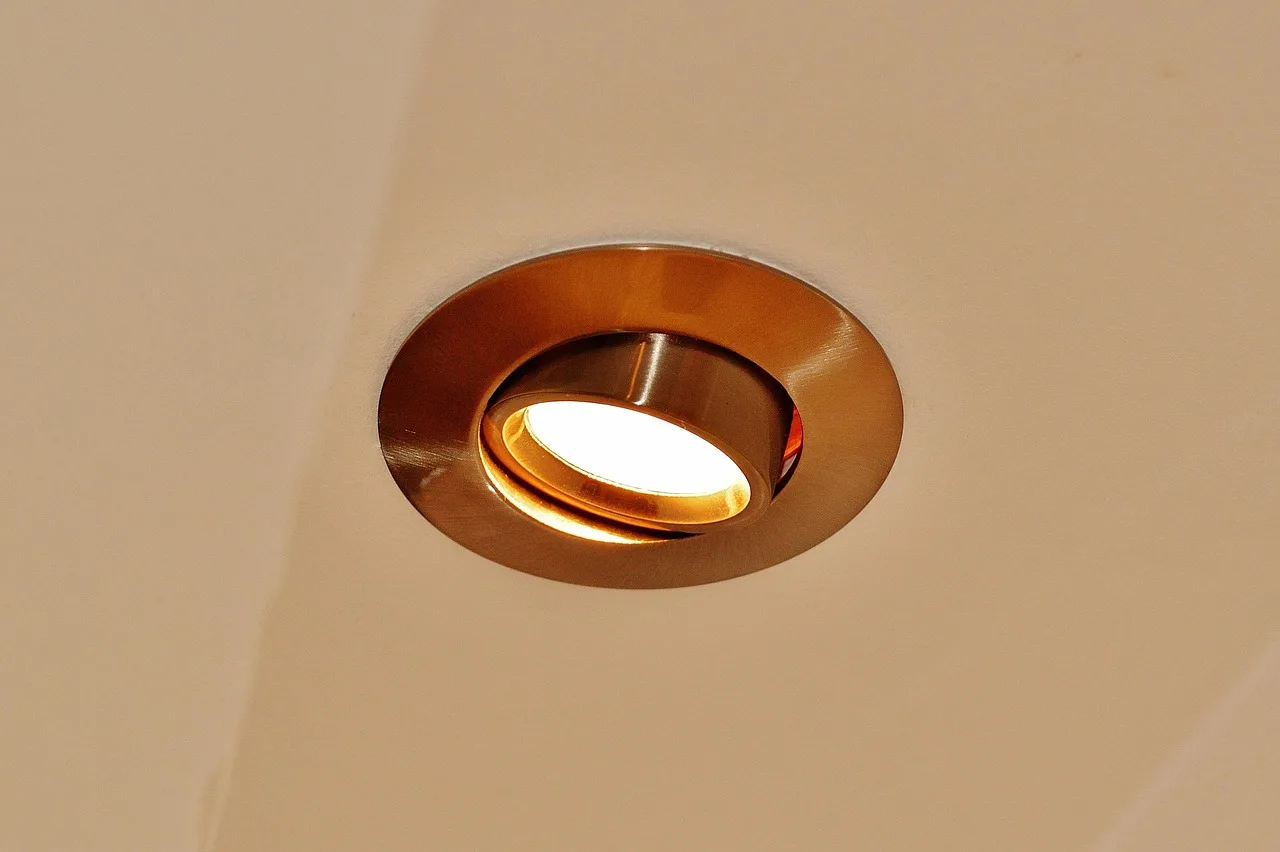
Recessed lighting is a ceiling fixture set into the ceiling so the trim sits flush. Track lighting is commonly described as a surface-mounted rail with adjustable heads. The first favors a quiet ceiling and broad ambient coverage; the second favors visible aiming control and simpler retrofit work.
Recessed lighting
Recessed fixtures disappear into the ceiling more than any surface-mounted option. That makes them a strong fit when you want the ceiling plane to stay visually clean and the light to spread across the room without a lot of hardware in view.
That benefit depends on layout. Poor spacing, the wrong beam spread, or too few fixtures can leave bright spots and dark corners instead of smooth coverage.
Track lighting
Track lighting keeps the rail visible, and that visibility is part of the design. Because each head can be aimed, it works well for art walls, counters, work areas, and rooms where the furniture layout may change.
It also avoids the ceiling cuts that recessed fixtures require. That matters in finished rooms, especially where attic access is limited or joists complicate placement.
Which is better for your room?
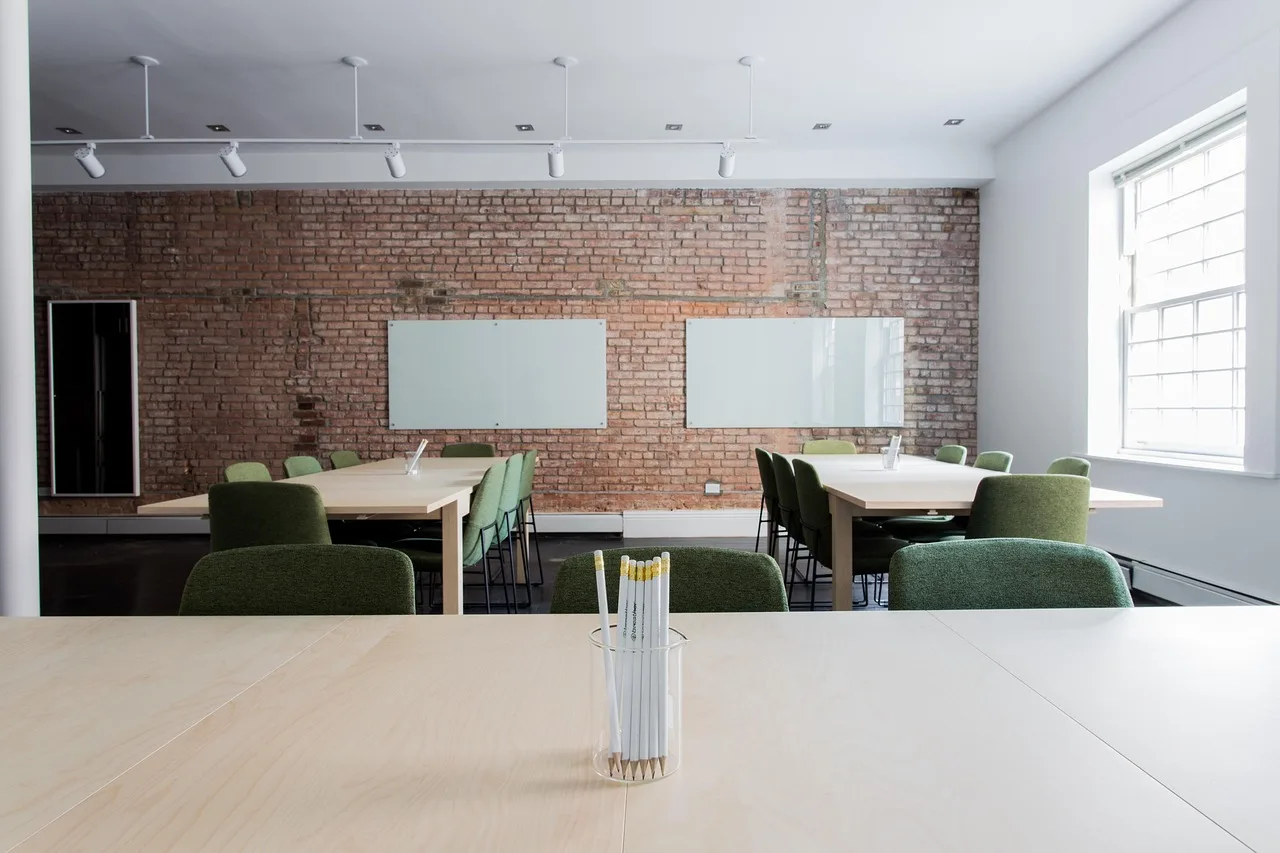
The better choice depends on whether the room needs even ambient light or directed light you can aim and move. In low-profile ceilings, the deciding factor is usually not the fixture style alone but how much ceiling depth, access, and clearance the room actually has. Track lighting usually wins when you need to direct light at specific zones without opening the ceiling.
Living rooms and family rooms
In living rooms, recessed lighting is usually the cleaner answer when you want a calm ceiling and general brightness across the whole room. Track lighting can still work, but it looks more intentional and more visible, so it suits rooms that need art lighting, wall washing, or a strong design cue.
Say your family room has about a 12-foot by 16-foot footprint with a sofa, media wall, and reading chair. Recessed fixtures can spread ambient light across the seating area, while track heads can be aimed at the reading chair and artwork if the room needs more control than uniform fill.
Kitchens and work zones
Kitchens often benefit from a mix of coverage and task light. Recessed fixtures can supply the base layer, while track lighting can target an island, sink, or pantry wall if the ceiling layout makes added wiring easier than adding multiple recessed cans.
Where the ceiling is low or cluttered with ducting, a compact recessed layout can still outperform a track rail for ceiling cleanliness. Where cabinet shadows or changing prep zones matter more, track heads can be adjusted to put light where hands and counters need it.
Home offices, hallways, and accent walls
Home offices often need focused light on a desk, shelf wall, or meeting zone. Track lighting handles that well because each head can be aimed without changing the ceiling. Hallways usually favor recessed lighting because the trim stays out of the way and the light can be spaced for a steady path of light.
Accent walls are one of track lighting’s best uses. Aiming one head at a textured wall or artwork is simpler than using fixed recessed fixtures, unless you choose gimbal trims specifically for that purpose.


How do recessed lights differ by size and trim?
Size changes fit, output, and visual scale. A 4-inch recessed fixture may suit tighter cavities and retrofit work, while a 6-inch fixture may give more light and a larger opening. Trim choice changes glare, brightness, and whether you can aim the light.
4-inch vs 6-inch recessed fixtures
Recessed fixture dimensions vary widely by product type and manufacturer, especially with wafer-style LEDs and other shallow profiles. The housing, trim, and LED module should all be checked together before you plan a cutout or ceiling space requirement.
A quality 4-inch LED recessed light can be a good choice where the ceiling cavity is tight or where you want smaller visual trim.
A 6-inch LED recessed light can suit task-heavy rooms better, but output and fit still depend on the specific fixture.
A common first-timer mistake is choosing the larger trim because it sounds brighter, then discovering the ceiling cavity cannot support the housing depth without conflict. The right size starts with space above the ceiling, then moves to light output.
Baffle trim vs reflector trim vs gimbal trim
Baffle trim reduces glare with a ribbed interior, so it softens the visible source and works well in rooms where you sit or look upward often. Reflector trim is designed to project more lumens, which makes it a better choice when brightness matters more than soft appearance.
Gimbal trim pivots or rotates to aim light at specific areas. That makes it useful for wall washing, art, and targeted task light, but it is less visually quiet than a fixed baffle trim.
Beam spread, glare control, and lumen planning
Beam spread determines how wide a fixture throws light. Wider beams help with general coverage, while narrower beams help with accents and task zones. If you want even ambient light, spacing matters as much as the lumen rating.
Use the room’s size, the ceiling height, and the fixture’s actual beam spread and lumen output to decide how many fixtures you need. For planning, check the manufacturer’s cut sheet, compare the listed light output and recommended use, and verify local electrical code and fixture listing requirements before you install.
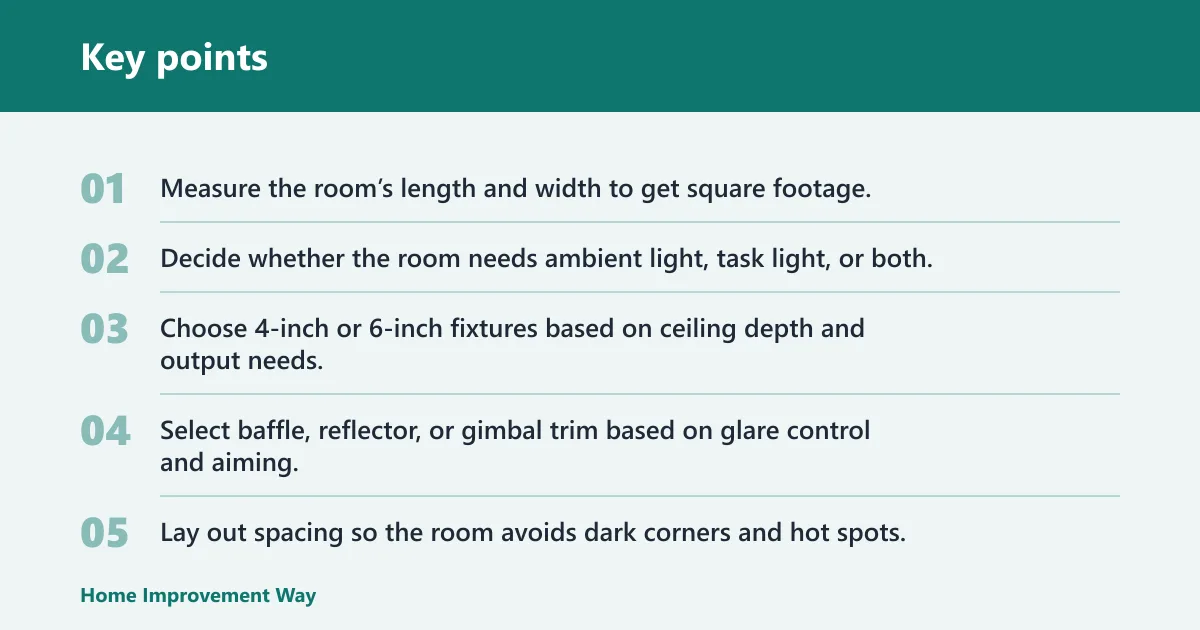
- Measure the room’s length and width to get square footage.
- Decide whether the room needs ambient light, task light, or both.
- Choose 4-inch or 6-inch fixtures based on ceiling depth and output needs.
- Select baffle, reflector, or gimbal trim based on glare control and aiming.
- Lay out spacing so the room avoids dark corners and hot spots.
How hard are they to install in an existing ceiling?
Track lighting is usually easier to add in an occupied home because it mounts to the surface and does not require multiple ceiling openings. Recessed lighting can still be added in an existing ceiling, but the job is more demanding when joists, attic access, or insulation contact limit where housings can go.
Retrofit, remodel, and new-construction housings
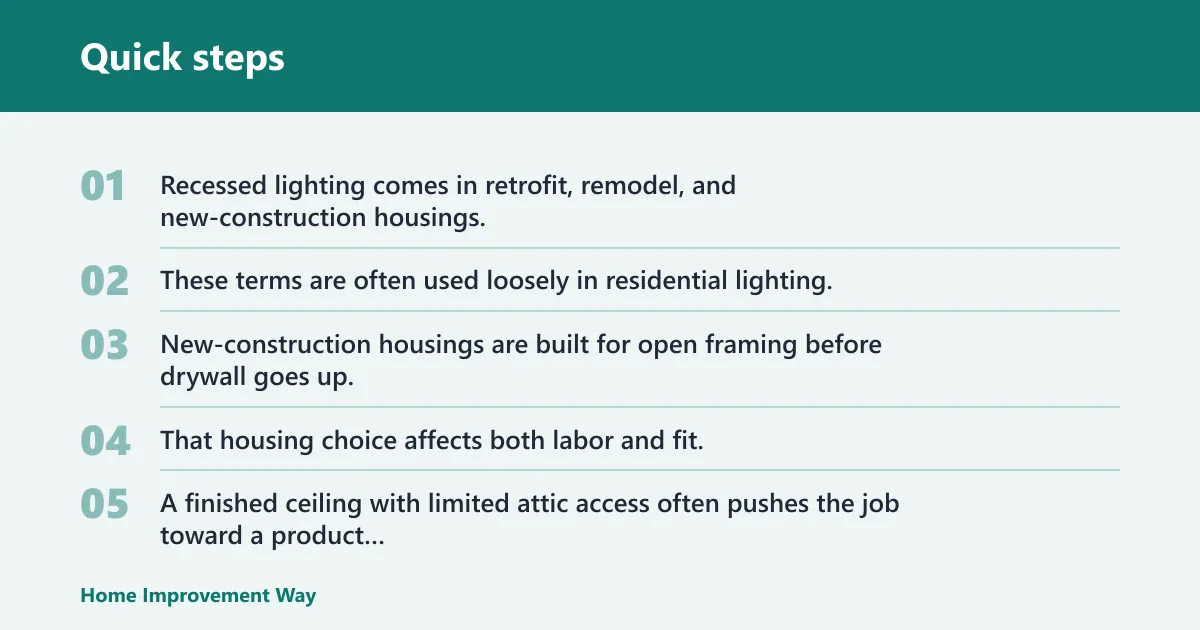
Recessed lighting comes in retrofit, remodel, and new-construction housings. These terms are often used loosely in residential lighting, so check the actual product description rather than assuming the label tells the whole story. New-construction housings are built for open framing before drywall goes up.
That housing choice affects both labor and fit. A finished ceiling with limited attic access often pushes the job toward a product designed for existing ceilings, while an open build gives more freedom to place fixtures and route wiring.
IC-rated versus non-IC housings
IC-rated housings are generally considered suitable for insulation contact and are especially relevant when insulation may touch the fixture, such as in attic-adjacent installs. Non-IC housings generally need clearance from insulation, which can create installation constraints in insulated ceilings and may limit placement in tight cavities.
That difference is not minor. If the ceiling above the room is insulated and access is tight, the wrong housing can force you to move the fixture, rework insulation, or choose a different lighting method.
Attic clearance, joists, and insulation contact
Recessed fixtures need room above the ceiling. The exact depth depends on the fixture, so check the product listing before you cut. Joists can block the exact spot you want, and ducting can be in the way too.
Track lighting avoids those ceiling-depth conflicts because it mounts on the surface. That is why it is often the simpler answer in retrofit rooms, even when recessed lighting would look cleaner if the framing allowed it.
Lighting decision matrix
Use this matrix when the room can go either way and you want the choice to reflect actual priorities. The scores are relative and comparative within this article, not a tested standard: 5 is strongest, 1 is weakest.
| Room scenario | Glare control | Ceiling cleanliness | Adjustability | Retrofit ease | Maintenance access | Ambient coverage | Best choice |
|---|---|---|---|---|---|---|---|
| Low-ceiling hallway | Recessed Lighting: 4 | Recessed Lighting: 5 | Track Lighting: 3 | Track Lighting: 4 | Track Lighting: 4 | Recessed Lighting: 4 | Recessed Lighting |
| Kitchen with island | Recessed Lighting: 4 | Recessed Lighting: 4 | Track Lighting: 5 | Track Lighting: 4 | Track Lighting: 4 | Recessed Lighting: 4 | Track Lighting |
| Living room with artwork | Recessed Lighting: 4 | Recessed Lighting: 4 | Track Lighting: 5 | Track Lighting: 4 | Track Lighting: 4 | Recessed Lighting: 3 | Track Lighting |
| Home office over a desk | Recessed Lighting: 3 | Recessed Lighting: 4 | Track Lighting: 5 | Track Lighting: 4 | Track Lighting: 4 | Recessed Lighting: 3 | Track Lighting |
| Family room with no attic access | Track Lighting: 3 | Track Lighting: 2 | Track Lighting: 5 | Track Lighting: 5 | Track Lighting: 4 | Track Lighting: 3 | Track Lighting |
| Open-plan room needing broad ambient light | Recessed Lighting: 4 | Recessed Lighting: 5 | Track Lighting: 3 | Track Lighting: 3 | Track Lighting: 4 | Recessed Lighting: 5 | Recessed Lighting |
Best choice if you want low ceilings: Recessed Lighting. The flush trim keeps the ceiling plane clear and avoids the visible profile of a rail.
Best choice if you want task aiming: Track Lighting. Aiming individual heads at a desk, island, or wall is its main strength.
Best choice if you want easier service: Track Lighting. Heads are easier to clean, replace, and re-aim than recessed trims in many finished ceilings.
Best choice if you want the cleanest ceiling look: Recessed Lighting. It removes the rail from sight and keeps attention on the room, not the fixture.
Choose Recessed Lighting if… / Choose Track Lighting if…
Choose Recessed Lighting if… you want hidden ambient light, a flatter ceiling look, or a room that feels evenly lit without visible hardware. It is also the better fit when the ceiling height is limited and the layout can support the housing depth, joist spacing, and insulation rules, but only after you verify the actual fixture depth and code or listing requirements for the specific product.
Choose Track Lighting if… you want adjustable beams, simpler retrofit installation, or a visible fixture that works as part of the design. It is the stronger choice for art walls, desks, islands, and rooms where light needs to move as the furniture changes.
Choose a mixed approach if… the room needs both a calm ambient base and strong aiming control. Recessed lighting can supply the background layer, while a short track section handles task or accent zones.
Suppose a kitchen has an insulated ceiling, limited attic access, and a sink that needs brighter light than the rest of the room. A recessed layout may still work if the housings fit, but a short track over the work zone can avoid ceiling conflicts and still deliver directed light where it is needed.
What is the difference between can lights and recessed lights? In most home-lighting use, “can light” usually refers to the recessed fixture’s housing and rough-in style, while “recessed light” is the broader term for the finished fixture set into the ceiling. If you are comparing products, make sure you are comparing the housing, trim, and LED module together, not just the nickname.
Frequently asked questions
Is recessed lighting better than track lighting?
Recessed lighting is better when you want a clean ceiling and broad ambient light. Track lighting is better when you need adjustable beams, easier retrofitting, or visible fixtures that act as part of the room design. The right answer depends on ceiling depth, layout, and whether you need fixed coverage or directional control.
Which is better for low ceilings, recessed lighting or track lighting?
The better choice depends on the actual ceiling depth, fixture type, and the look you want. Recessed fixtures can stay visually quiet, but some products still need substantial ceiling space, while track lighting avoids that depth requirement but adds a visible rail below the ceiling plane.
Can you use recessed lighting for task lighting?
Yes, but the layout matters. A 6-inch recessed fixture with higher output and a reflector or gimbal trim can work well over counters, desks, or kitchen work zones. For narrow, movable task needs, track lighting usually gives you more aiming control.
Can track lighting work as general lighting in a living room?
Yes, if the heads are spaced and aimed carefully. It can light a living room well, but it usually reads as more directional than recessed lighting and may create more visible hardware. For broad, even ambient light, recessed fixtures usually do the job more cleanly.
Which is easier to install, recessed lights or track lights?
Track lighting is usually easier to install in an existing ceiling because it mounts to the surface and avoids multiple cutouts. Recessed lighting often needs housing selection, ceiling cuts, and checks for attic space, joists, and insulation contact, which adds complexity.
What recessed lighting size is best, 4 inch or 6 inch?
Neither size is best in every room. A 4-inch recessed light fits tighter cavities and gives a smaller visible trim, while a 6-inch recessed light usually gives more output and suits task-heavy rooms better. Start with ceiling clearance, then choose the lumen level you need.
Sponsored / affiliate links. As an Amazon Associate I earn from qualifying purchases. I may earn additional commission from eligible campaigns.