Is It Safe to Heat a House with a Gas Oven?
No, do not heat a house with a gas oven. It can produce carbon monoxide and is not a safe emergency heat source. Used that way, it can lead to poisoning, fire, and moisture damage while still leaving rooms cold. This guide explains safer short-term warmth options and when a furnace problem needs immediate repair.
Why a gas oven makes a dangerous substitute for home heat
No. A gas oven is not built to heat a home, and using it that way can create carbon monoxide inside the house. The CDC explicitly says not to heat your home with a gas oven, and Consumer Reports calls using a gas range as heat a safety hazard, plain and simple. (CDC)
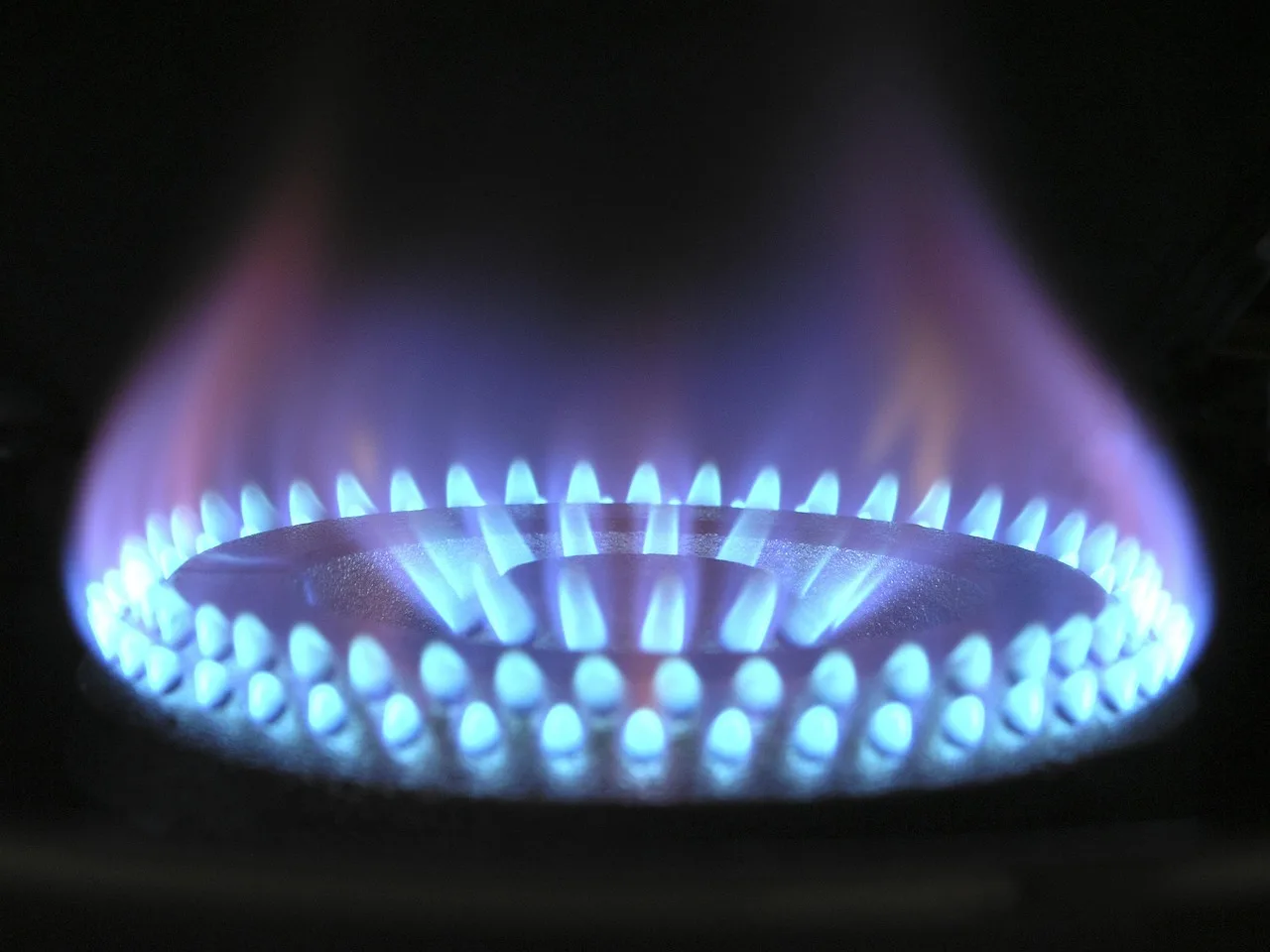
The problem goes beyond discomfort. Gas oven use can add natural gas combustion byproducts to indoor air, including carbon monoxide and nitrogen oxide gases. In a closed-up house, those byproducts can build up instead of drifting away outdoors.
Gas ovens are built to cook food in a small enclosed box, not to warm an open room for a whole night. That mismatch matters. The oven may keep one small area warm while the rest of the home stays cold, which is poor heating and a bad safety trade.
Main hazards of using a gas oven for heat
- Carbon monoxide: colorless and odorless, so you cannot rely on smell to detect it.
- Burn risk: hot racks, oven walls, and the door can burn skin.
- Fire risk: towels, boxes, cookware, and other combustibles near the oven can ignite.
- Poor indoor air quality: gas combustion adds pollutants that do not belong in living space.
Say your furnace stops during a cold snap and the kitchen feels like the only tolerable room in the house. It is tempting to turn on the oven and leave the door open. That move still leaves you with fumes, burn exposure, and a room that is not built to be a safe warming station.
Carbon monoxide and indoor air risks
Carbon monoxide is dangerous because you cannot see it or smell it. A gas oven can create dangerous carbon monoxide in a closed-up house, and that risk is serious enough that the CDC says not to heat your home this way. Symptoms can include headache, dizziness, nausea, and shortness of breath.
Consumer Reports says gas-range heat can expose people to nitrogen oxide gases at twice the EPA outdoor-air limit. That matters indoors, where the air does not have the same dilution as outdoor air. A winter house with windows shut and doors closed can trap combustion byproducts more easily. (Consumerreports)
What a carbon monoxide detector does
A working carbon monoxide detector gives you an early warning when levels become dangerous. Test it before heating season, and follow the manufacturer’s battery or replacement guidance for your model. If it alarms, treat it as a real safety event, not a nuisance.
- Leave the area right away.
- Get fresh air immediately.
- Call emergency services or the gas utility as directed.
- Do not go back inside until officials say it is safe.
Picture a small ranch home with the windows shut because the temperature is below freezing. The oven runs for warmth, and no one notices the air getting stale. That is exactly the kind of situation where combustion byproducts can accumulate instead of clearing out.
Can leaving the oven door open make it safer?
No. Leaving the oven door open does not make gas-oven heating safe, and it does not solve the core problem. The oven still burns fuel indoors, still adds combustion byproducts to the air, and still exposes you to burns and fire hazards near the appliance.
SERVPRO warns that opening the oven door is a serious fire hazard. An open door also makes it easier for children, pets, or adults in socks or loose clothing to contact hot surfaces. The kitchen may feel warmer, but the house still is not being heated in a safe or efficient way.
Why an open oven still falls short
- It does not heat the whole house evenly.
- It increases contact with hot surfaces.
- It leaves flammables too close to a heat source.
- It does nothing to remove carbon monoxide risk.
An electric oven is different from a gas oven in one narrow way: it does not create combustion gases the way a gas appliance does. Even so, an electric oven is still not a house-heating method. It can still cause burns, waste energy, and create fire risk if used improperly, so it is not a good backup heater.
Gas oven heat safety triage
Use this table when the heat is out and you need to decide what to do first. The goal is to avoid unsafe workarounds and move quickly toward safer warmth or a furnace repair call.
| Symptom | Immediate safe action | What not to do | When to call for furnace repair |
|---|---|---|---|
| Furnace will not start | Check the thermostat setting, power to the furnace, and whether the filter is visibly clogged; if the unit still will not run, use safer warmth in one room. | Do not use a gas oven for heat. | Call now if the furnace stays off after basic checks. |
| Heat is weak | Close off one room, add blankets, and check the filter for restricted airflow. | Do not leave the oven door open to “boost” heat. | Call if weak heat continues after a filter change or reset. |
| Power outage | Layer clothing, use blankets, and keep everyone in one enclosed room if safe. | Do not use grills, camp stoves, or patio heaters indoors. | Call once power is restored if the furnace still will not operate. |
| CO alarm sounds | Leave the area, get fresh air, and call emergency services or the gas utility as directed. | Do not stay inside to look for the source. | Only after officials clear the home should furnace repair begin. |
| Only the kitchen is warm | Stop using the oven for heat and move to safer short-term warmth steps. | Do not assume the house is being heated safely. | Call if the furnace is still not producing whole-house heat. |
| Gas odor | Leave immediately and follow gas-utility or fire-department instructions. | Do not operate appliances or valves first. | Call only after the area is made safe by responders. |
| Frequent cycling | Check the filter and thermostat settings, then stop using unsafe workarounds. | Do not keep the oven on to fill in gaps. | Call if the furnace short-cycles repeatedly. |
| Cold air from vents | Confirm the thermostat is calling for heat and inspect the filter for blockage. | Do not keep the oven door open as a substitute. | Call for repair if cold air persists or the furnace trips off. |
Safer ways to stay warm during an outage
If the furnace is out, start with the simplest safe moves. Close off one room, keep people together, and hold warmth where you can. Layer clothing, add blankets, and use curtains to reduce heat loss at windows and to take advantage of solar heat gain during the day.
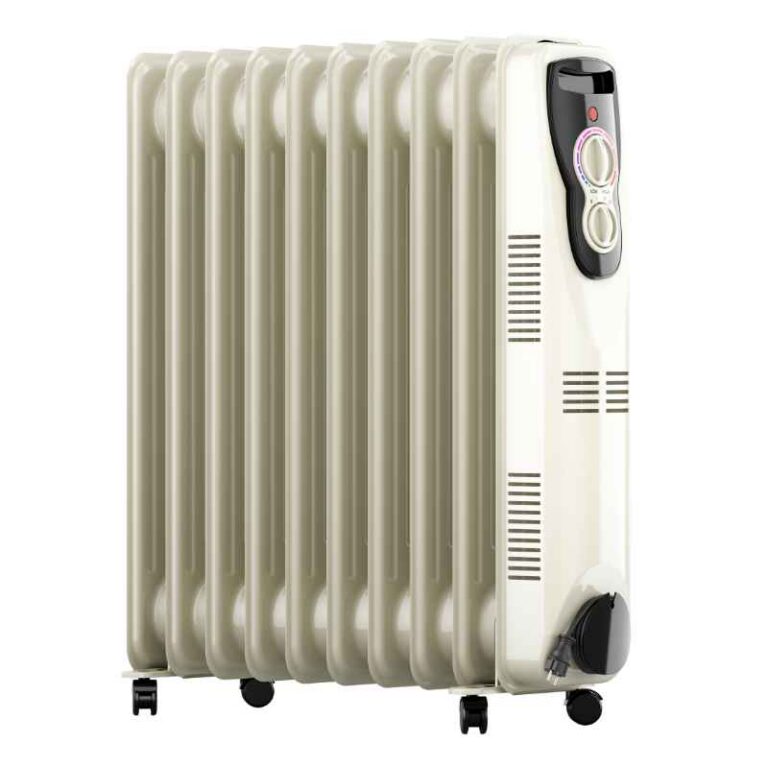
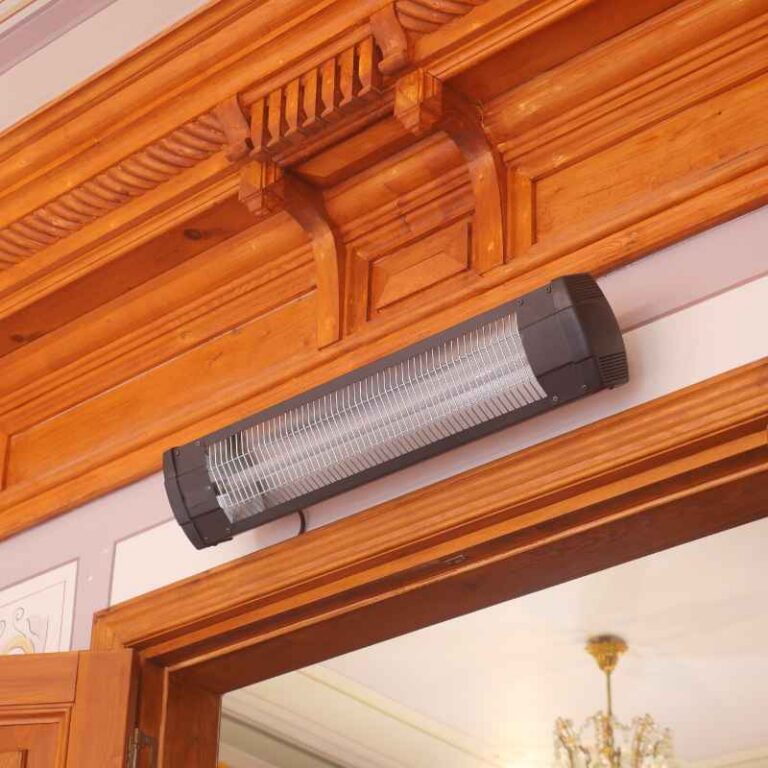
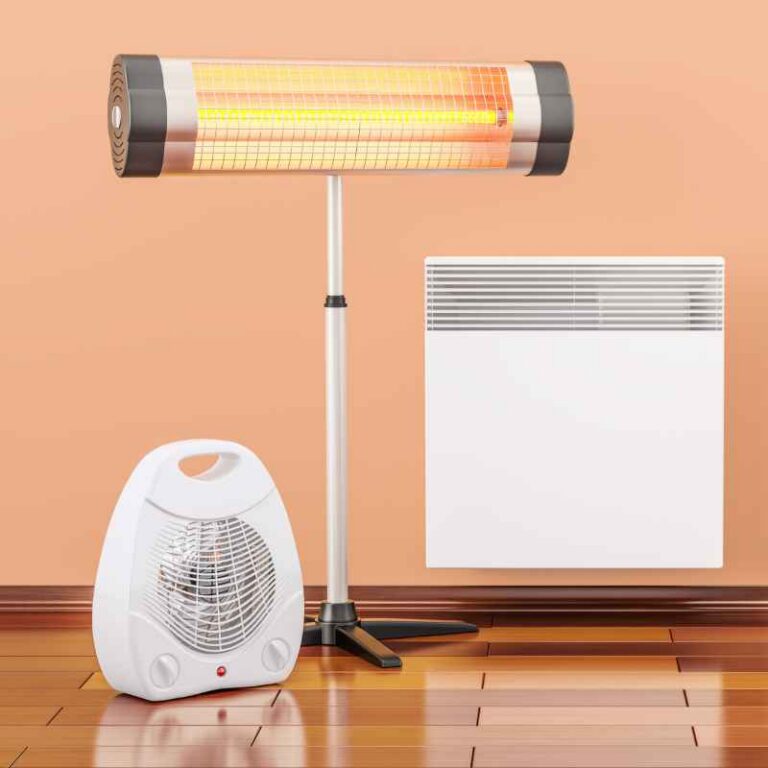
If you need an electric space heater, choose a UL-listed or equivalent certified model and use it exactly as directed. Plug it directly into a wall outlet, keep about three feet of clearance from anything that can burn, and do not use it with a power strip or extension cord. Use only a model with automatic shut-off if it tips over or overheats, if the listing for your model includes that feature.
- Close doors to unused rooms.
- Keep sleepers off the floor if possible, since cold air settles low.
- Use blankets, hats, and socks before trying risky heat sources.
- Check smoke alarms and carbon monoxide detectors before relying on any temporary heat.
Do not use grills, camp stoves, or patio heaters indoors. Those products are for outdoor use, and bringing them inside can create the same combustion-gas problem you are trying to avoid.
When a furnace repair is the safer move
If the heat is out, a furnace repair is usually the safer answer than improvising with an oven. Common failures can include a bad igniter, a failed flame sensor, a pressure switch problem, and airflow restriction from a dirty filter. Those are fixable faults, not reasons to turn a kitchen appliance into a heater.
Call for repair promptly if the furnace will not start, starts and stops repeatedly, blows cold air, or needs repeated resets. A technician can diagnose the failed part and restore proper heat without filling the house with combustion byproducts or creating a fire hazard in the kitchen.
Furnace trouble that points to repair now
- The thermostat calls for heat, but nothing happens.
- The furnace starts, then shuts off after a short run.
- Air from the vents stays cold.
- The filter is dirty and airflow is restricted.
- The system has repeated ignition failures.
Suppose the furnace clicks on but never lights, then the house cools fast and the vents stay cold. That pattern fits a repair issue far better than a temporary heat problem. The right response is to address the furnace fault, not to move the family into the kitchen and run the oven.
Frequently asked questions
Is it safe to heat a house with a gas oven?
No. A gas oven is not a safe home heater, and the CDC says not to heat your home with one. It can produce carbon monoxide, raise indoor pollutant levels, and create burn and fire hazards, while still leaving the rest of the house cold.
Can I use my gas oven to heat my house?
You should not. Gas ovens are made for cooking in a small enclosed space, not for warming an open room or an entire home. Using one for heat can expose you to carbon monoxide and nitrogen oxide gases, especially when windows are shut in winter.
Why is using a gas oven to heat a house dangerous?
It is dangerous because it adds combustion byproducts to indoor air and puts hot surfaces where people move around. The main risks are carbon monoxide poisoning, fire near combustibles, and burns from the oven, racks, or open door. The house still may not warm evenly.
Can a gas oven cause carbon monoxide poisoning?
Yes. A gas oven can create dangerous carbon monoxide in a closed-up house. Carbon monoxide is colorless and odorless, so you cannot depend on your senses to detect it. If a CO alarm sounds, leave the area, get fresh air, and call emergency services or the gas utility as directed.
What should I do instead if my furnace stops working?
Start with safer short-term warmth: close off one room, add layers and blankets, and use curtains to reduce heat loss. If you use an electric space heater, choose a UL-listed or equivalent certified model, plug it directly into the wall, and keep three feet of clearance. Then call for furnace repair.
When should I call for furnace repair instead of using the oven?
Call for repair as soon as the furnace will not start, blows cold air, cycles on and off, or still does not heat after a basic filter and thermostat check. Those are common furnace faults such as igniter, flame sensor, pressure switch, or airflow problems, and they should be fixed directly.
Sponsored / affiliate links. As an Amazon Associate I earn from qualifying purchases. I may earn additional commission from eligible campaigns.